 A Metalkitor guide
Toyan vs Cison Model Engines: Which Brand Offers Better Performance and Value?
Toyan engines deliver exceptional value for hobbyists seeking functional miniature powerplants, while Cison focuses on premium machining and collector appeal.
Toyan Engines vs Cison: Which Miniature Engine Brand Wins?
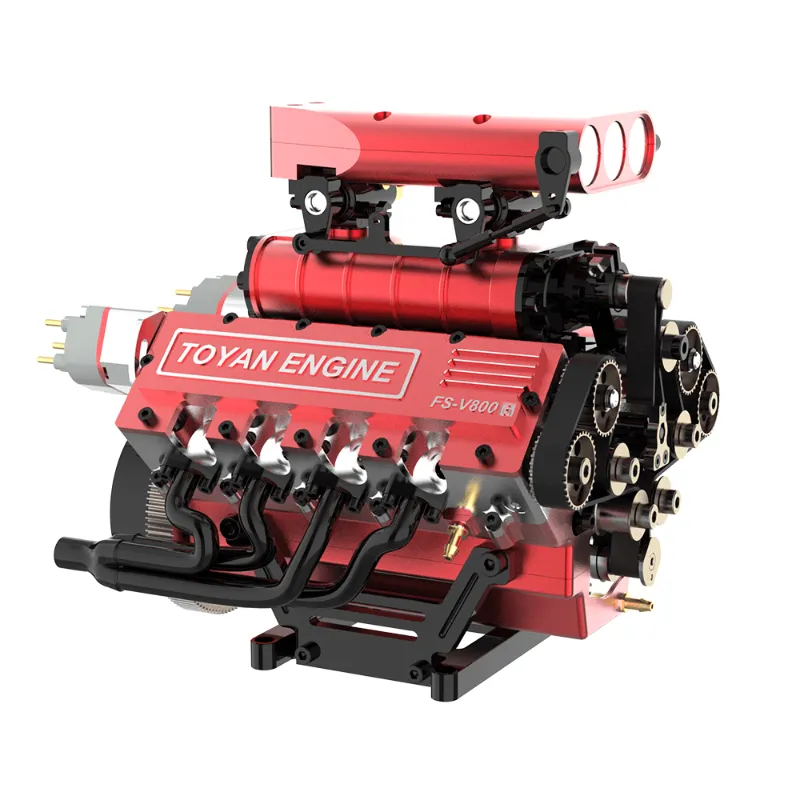
Toyan engines dominate the affordable miniature engine market with feature-rich kits that run on real fuel, while Cison targets collectors willing to pay a premium for museum-quality machining. Whether you’re building your first toyan engine or considering a cison engine for display, this guide breaks down the real differences.
Performance and Power Output Comparison
Both brands produce genuine internal combustion engines, but their design philosophies create measurably different performance profiles. The toyan v8 engine series emphasizes reliable starting, smooth idle, and usable torque for RC car applications, with most models producing enough power to drive lightweight vehicles or props. Toyan’s single-cylinder and four-cylinder offerings feature modern ignition systems and carburetor designs that tolerate fuel mixture variations better than older hobby engine designs.
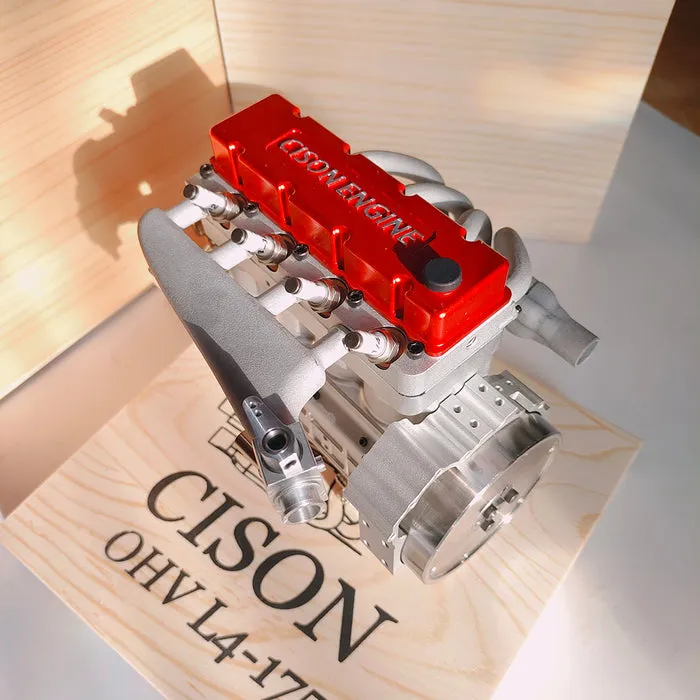
Cison engines prioritize scale accuracy and visual authenticity over raw output. Their V-twin and radial configurations replicate full-size engine geometry with exceptional fidelity, but many models require precise tuning and higher-quality fuel to achieve stable running.
Key performance differences:
- Toyan engines typically start within 3 to 5 pulls with proper break-in
- Cison models often require electric starters or patience with hand-cranking
- Toyan’s toyan engine v8 supercharged variant produces noticeably more torque than naturally aspirated competitors
- Cison engines deliver superior mechanical refinement and quieter valve train operation
For RC car integration, Toyan offers better mounting options and clutch systems. For workbench display and occasional demonstration, Cison’s visual presence justifies the extra setup time.
Build Quality and Machining Standards
Cison takes the lead in raw machining quality. Their engines ship with hand-lapped cylinders, precision-ground crankshafts, and individually balanced flywheels that meet tolerances you’d expect from industrial equipment. Every fastener receives proper thread-locking compound, and castings show minimal flash or tool marks.
Toyan compensates with intelligent engineering. Their toyan engine kit lineup uses modular designs that simplify maintenance and part replacement. Cylinder heads unbolt without special tools, carburetors swap in minutes, and ignition modules follow standardized wiring schemes. This practicality matters when you’re learning to tune miniature engines or troubleshooting a rich fuel mixture at 2 AM before a show.
Material choices differ too. Cison relies heavily on brass and bronze for aesthetic warmth, while Toyan opts for aluminum alloys and steel where performance demands it. Neither approach is objectively better; it depends whether you value museum-grade presentation or track-ready durability. Check the latest price to see current configurations across both brands.
Kit Completeness and Assembly Experience
| Feature | Toyan | Cison |
|---|---|---|
| Instructions | Photo-heavy manuals, English available | Technical drawings, minimal text |
| Included tools | Basic hex keys and spark plug wrench | None, assumes experienced builders |
| Hardware | Pre-sorted by assembly stage | Bulk packaging requires sorting |
| Break-in support | Detailed fuel/oil ratios and run schedules | Assumes prior engine experience |
Toyan kits target first-time builders with color-coded hardware bags and step-by-step photo sequences. The toyan 4 cylinder engine kit even includes a recommended parts list for your first RC car installation.
Cison documentation assumes familiarity with engine terminology and assembly sequences. Their exploded-view drawings are accurate but require you to infer torque specs and assembly order. Experienced machinists appreciate this approach since it avoids hand-holding, but newcomers will spend extra time cross-referencing online forums. Budget an additional two to four hours for your first Cison build compared to an equivalent Toyan model.
Pricing and Value Analysis
Toyan delivers the strongest value proposition for active hobbyists. Single-cylinder engines start at accessible price points, four-cylinder models occupy the mid-range, and even the flagship toyan engine v8 undercuts Cison’s equivalent V8 offerings by 30 to 40 percent. That price difference buys upgraded ignition systems, better carburetors, or multiple support vehicles in your RC fleet.
Cison engines command premium pricing justified by hand-fitting and limited production runs. Collectors who display engines alongside scale aircraft or vintage cars often prefer Cison’s brass fittings and period-correct aesthetic details. Resale value trends higher for well-maintained Cison engines, especially discontinued models or limited editions.
We recommend Toyan for anyone planning to actually run their engine regularly. The combination of parts availability, manufacturer support, and community knowledge makes long-term ownership practical. Grab the code for 12% off sitewide to maximize your budget across multiple projects.
Choose Cison if you’re building a display collection or want an heirloom-quality piece that prioritizes craftsmanship over utility. The investment makes sense for serious collectors but less so for weekend tinkerers.
Fuel Compatibility and Running Costs
Both brands run on standard model engine fuel (methanol-based with nitromethane and oil), but their tolerances differ. Toyan engines accept 10 to 20 percent nitromethane blends available at any hobby shop, while Cison models often perform best on 15 to 25 percent blends with synthetic oil. This translates to roughly 15 to 20 percent higher fuel costs for Cison ownership if you’re running demo sessions regularly.
Spark plug life favors Toyan by a wide margin. Cison’s magneto-style ignition (on models that use it) requires more frequent plug maintenance, especially if you’re running rich during break-in. Stock up on NGK CM-6 or equivalent plugs regardless of which brand you choose.
Oil consumption runs similar between brands at about 1 ounce per 30 minutes of run time when using proper fuel mixtures. Neither platform supports gasoline conversion without aftermarket modifications that void any warranty coverage.
Which Brand Fits Your Project?
Choose Toyan engines if you:
- Plan to install your engine in an RC car, boat, or aircraft
- Want the largest online community for troubleshooting and upgrades
- Prefer modern conveniences like electric starting and programmable ignition
- Need replacement parts shipped quickly from multiple vendors
- Value performance-per-dollar over visual authenticity
Choose Cison engines if you:
- Collect miniature engines primarily for display
- Appreciate hand-fitted components and traditional machining
- Own machine tools to fabricate custom mounts or accessories
- Prioritize mechanical refinement over ease of starting
- Want an investment piece that holds resale value
Most hobbyists building their first miniature engine will find better success with the toyan engines platform. The combination of complete documentation, active forums, and retailer support reduces the learning curve dramatically. Once you’ve mastered basic tuning and maintenance, a Cison engine makes an excellent second or third purchase to round out your collection.
Both manufacturers release new models annually, so check back if you’re waiting for specific configurations like the rumored toyan engine v12 or updated Cison radials.
Questions
Can Toyan engines run in RC cars without modifications?
Yes, most Toyan single-cylinder and four-cylinder models include mounting hardware and clutch systems designed for RC car installation. You'll need to fabricate motor mounts for specific chassis, but the engines ship with the necessary drive components.
How much maintenance do miniature model engines require?
Expect to change spark plugs every 15 to 25 hours of run time, clean carburetors after extended storage, and inspect piston rings every 50 hours. Both Toyan and Cison engines need proper break-in procedures with rich fuel mixtures for the first two to three tanks.
Are Cison engines worth the premium price over Toyan?
Cison engines justify their cost for collectors prioritizing display quality and hand-fitted precision. For active hobbyists who run engines regularly or install them in RC vehicles, Toyan offers better value with easier maintenance and wider parts availability.
What fuel mixture works best for Toyan V8 engines?
Toyan recommends 10 to 15 percent nitromethane with 18 to 20 percent synthetic or castor oil for their V8 models. Start with a richer mixture during break-in, then lean it slightly once the engine seats properly after three to five tanks.
Can I buy replacement parts easily for both brands?
Toyan parts ship from multiple distributors with typical delivery in one to two weeks. Cison replacement parts often require ordering directly from the manufacturer with longer lead times, though common wear items like gaskets and plugs use standard sizes available at hobby shops.
Do these miniature engines need electric starters?
Toyan engines typically start with a hand pull-starter after proper break-in, though electric starters are available as upgrades. Cison engines often benefit from electric starting due to tighter tolerances and higher compression ratios, especially on multi-cylinder models.
Products in this guide
 Shopping at Metalkitor? See the discount code
12% OFF Sitewide
Shopping at Metalkitor? See the discount code
12% OFF Sitewide
More in this series
 Metal Model Kits: Buy for the Display or the Build?18 Aug 20265 minTroubleshooting Common Issues with Toyan Engine Kits: Starting Problems and Tuning Solutions18 Aug 20266 min
 What Makes the Centipede Lighter Crafting Process Worth the Build Time?18 Aug 20265 min
 Do Metal Puzzles Dull Over Time? Maintenance Tips for Puzzle Metalic and Similar Kits18 Aug 20264 minHow to Assemble Your First Toyan V8 Engine18 Aug 20264 min