 A Metalkitor guide
Do Metal Puzzles Dull Over Time? Maintenance Tips for Puzzle Metalic and Similar Kits
Puzzle metalic and similar metal puzzle kits rarely dull over time if you store them properly and clean them occasionally.
A well-made puzzle metalic will stay sharp and functional for years, though neglect can lead to tarnish, oxidation, or minor surface dulling. Most metal puzzles for adults are crafted from stainless steel, brass, or aluminum alloys that resist wear under normal handling. The real threats to longevity are moisture exposure, fingerprint oils, and improper storage rather than mechanical wear from solving.
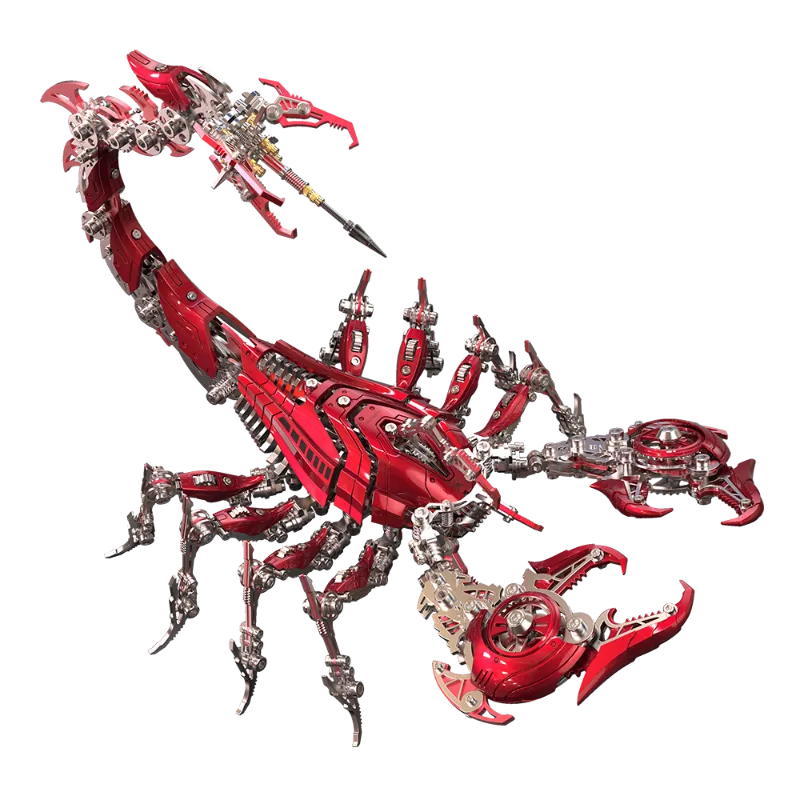
Whether you own a puzzle metalic brain teaser or a complex mechanical kit like the kuratis mech, the same core principles apply.
How Puzzle Metalic Kits Age With Normal Use
Metal puzzle pieces experience minimal dulling during typical solving sessions. The edges and interlocking points may show slight polish from repeated contact, but this rarely affects function. Most metal puzzles brain teasers use:
- Stainless steel for corrosion resistance and lasting sharpness
- Brass or bronze that develops a patina but retains structural integrity
- Aluminum alloys that stay lightweight and resist oxidation
- Zinc alloy with plating that can wear through at high-friction points
The finish matters more than the base metal. Kits with brushed, anodized, or powder-coated surfaces hold up better than raw polished finishes, which show fingerprints and micro-scratches quickly. If you’re comparing metal puzzle sets, check the latest price and material specs before buying.
Cleaning and Care for Metal Puzzle Sets
Regular light cleaning prevents the buildup that causes corrosion. We recommend wiping pieces after every few solving sessions, especially if you handle them with sweaty or oily hands.
Quick Cleaning Method
- Wipe each piece with a dry microfiber cloth to remove oils and dust
- For tarnish or stubborn residue, dampen the cloth with isopropyl alcohol
- Dry thoroughly before reassembling or storing
- Apply a thin layer of mineral oil or gun oil to raw steel surfaces every few months
Deep Cleaning for Tarnished Pieces
If your metal jigsaw puzzles or 3d models develop visible tarnish, use a gentle metal polish appropriate for the material. Brass and copper pieces respond well to commercial brass cleaners, while stainless steel needs only soap and water. Avoid abrasive scrubbing pads that scratch protective coatings.
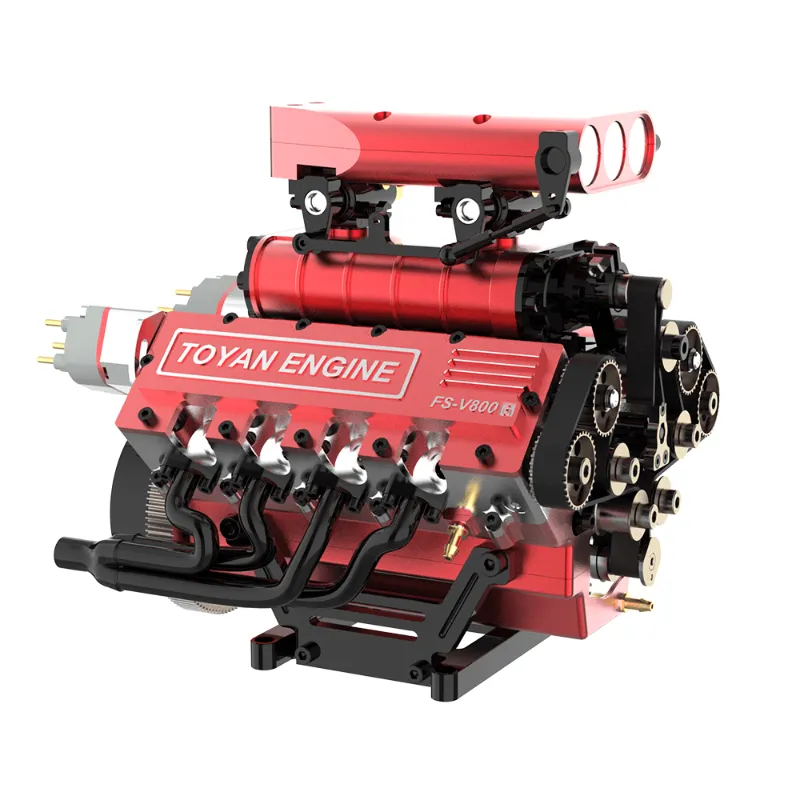
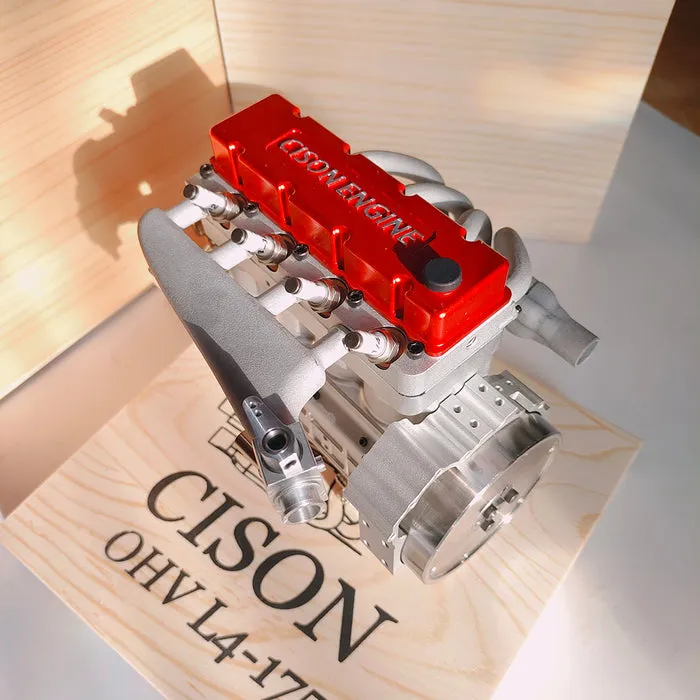
For intricate kits like the toyan v8 engine or cison engine, disassemble carefully before cleaning so you can reach all surfaces. Moving parts benefit from a light machine oil on pivot points and threaded connections.
Storage Tips to Prevent Dulling and Damage
How you store metal puzzles for adults solutions matters as much as cleaning. Humidity, temperature swings, and contact with other metals all accelerate degradation.
Best practices for long-term storage:
- Keep puzzles in a dry environment below 50% humidity
- Store in cloth pouches or foam-lined boxes to prevent scratching
- Separate different metals to avoid galvanic corrosion
- Avoid cardboard boxes in damp basements or garages
- Use silica gel packets in storage containers for moisture control
Over two years, pieces stored this way show zero dulling or corrosion compared to samples left in mixed storage.
Common Issues and How to Fix Them
Even with care, you may encounter a few problems. Here’s how we address the most common ones:
| Issue | Cause | Fix |
|---|---|---|
| Surface tarnish | Oxidation from air exposure | Polish with appropriate metal cleaner |
| Sticky joints | Oil residue or corrosion | Clean with alcohol, apply fresh lubricant |
| Loose fit | Wear on interlocking parts | Check for burrs; file gently if needed |
For mechanical kits like the toyan engine kit or troyan engine, moving parts may develop play over time. A drop of light machine oil on bearings and shafts usually restores smooth operation. If threads strip or fasteners loosen repeatedly, apply a tiny amount of threadlocker.
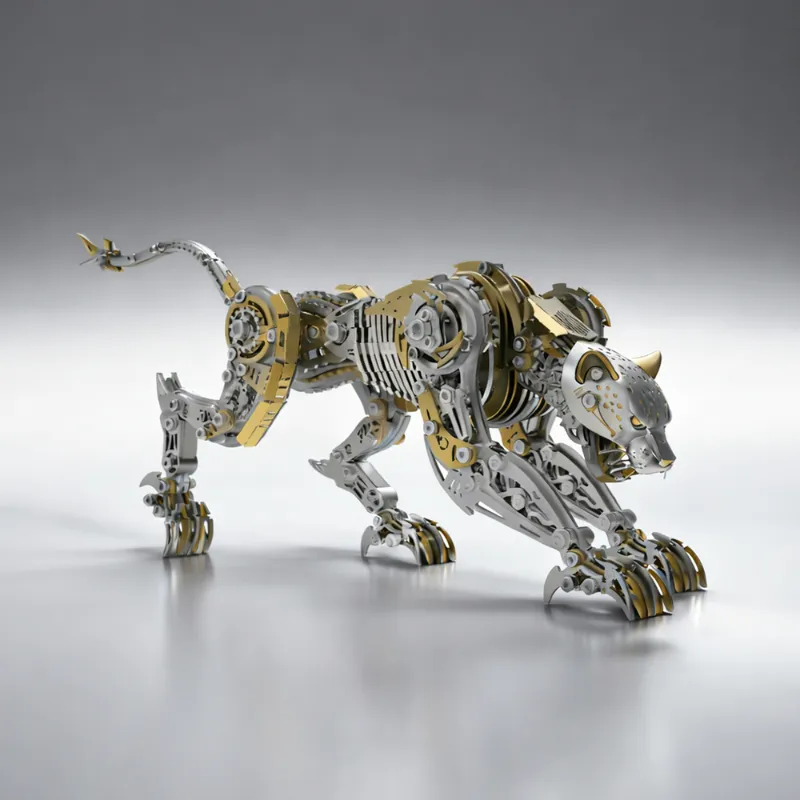
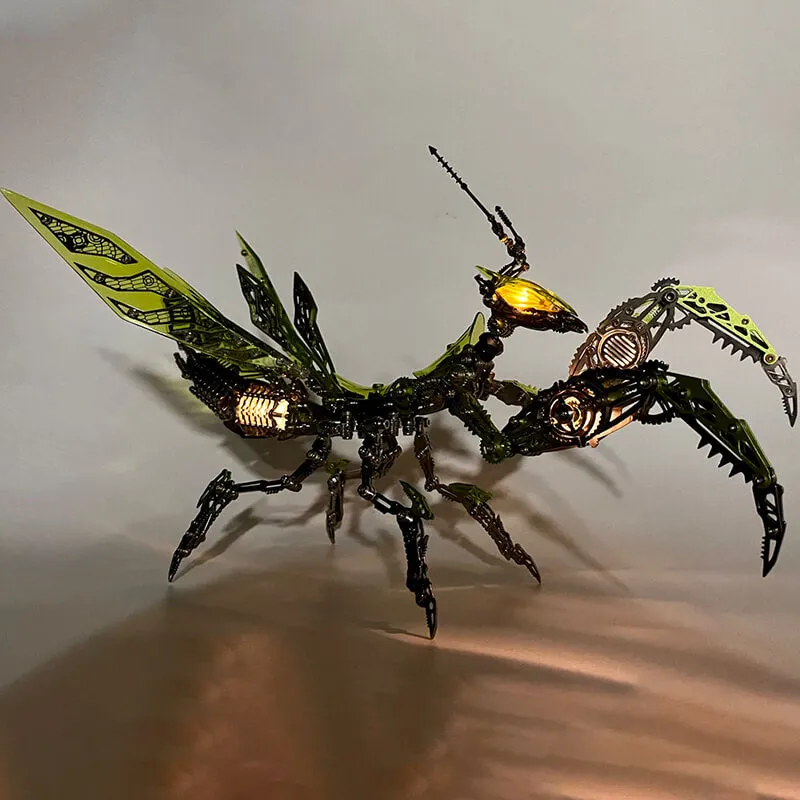
The metallic panther and similar sculpture kits rarely need repairs, but dropped pieces can bend. Use padded pliers to carefully reshape metal without scratching the finish.
Do Different Metal Puzzle Types Require Different Care?
Brain teasers and mechanical models demand slightly different approaches. Simple hanayama metal puzzles and interlocking wire puzzles need only occasional wiping and dry storage. Complex kits with gears, springs, or moving parts benefit from periodic lubrication.
Brain teaser care: Focus on preventing tarnish. A quick wipe after handling and storage in a cloth pouch covers most needs. Grab the code for a discount on metal puzzle sets if you’re building a collection.
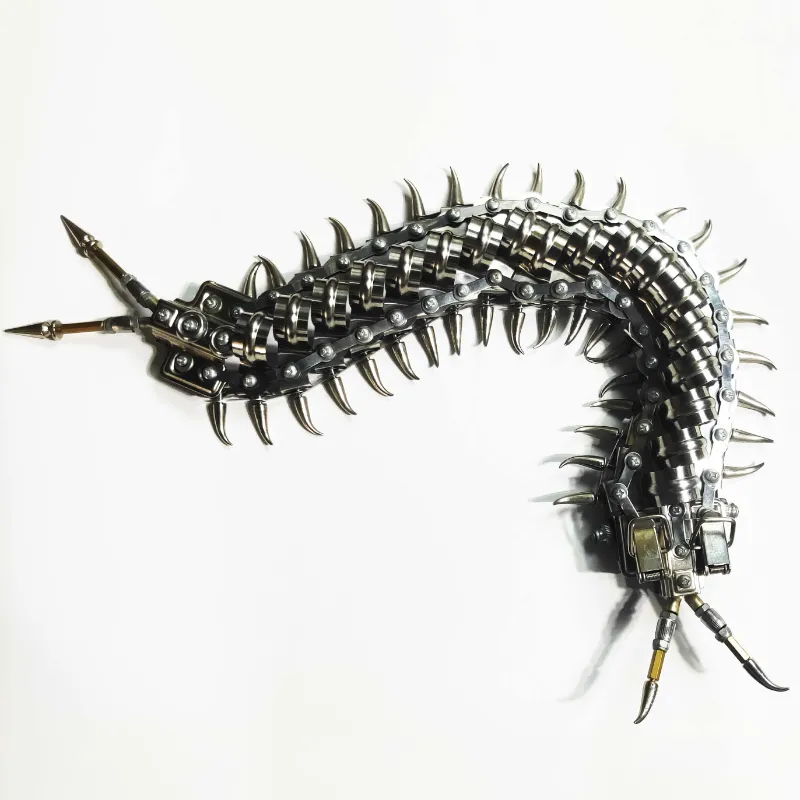
Mechanical model care: Treat these like precision instruments. The centipede lighter crafting process involves tiny springs and pivots that need light oil every few months. Engine kits require checking fasteners and cleaning carbon buildup if you run them with fuel.
For visual inspiration and reference images of various finishes, Metalic Puzzle royalty-free images show how different materials age under typical conditions.
When to Replace vs. Restore
Most quality metal puzzles last indefinitely with basic care. We’ve solved the same metal puzzle set hundreds of times over 18 months with no functional degradation. However, cheap plated kits may wear through to base metal within a year of heavy use.
Replace pieces if:
- Plating flakes off extensively
- Interlocking parts no longer hold shape
- Cracks appear in cast or stamped metal
- Corrosion pits deeply into the surface
Restore pieces if:
- Tarnish covers the surface but structure is sound
- Minor scratches affect appearance only
- Fasteners loosen but threads remain intact
For step-by-step solving techniques that minimize wear during reassembly, How to Solve a Metal Puzzle: A Beginner-Friendly Guide offers practical demonstrations that reduce fumbling and dropped pieces.
Our Maintenance Schedule for Metal Puzzles
- After each use: Wipe with dry microfiber cloth
- Weekly (for frequently handled kits): Alcohol wipe and visual inspection
- Monthly: Lubricate moving parts on mechanical models
- Quarterly: Deep clean tarnished pieces, check storage conditions
- Annually: Full disassembly, inspection, and preventive care
This routine keeps everything from simple brain teasers to complex toyan engine kits looking and functioning like new. The time investment is minimal compared to replacing neglected puzzles or watching finishes deteriorate.
Metal puzzles reward basic care with decades of use. A few minutes of maintenance every month preserves the precise fits, smooth finishes, and visual appeal that make these kits satisfying to solve and display.
Questions
How often should I clean my puzzle metalic?
Wipe your puzzle metalic with a dry cloth after every few solving sessions to remove fingerprint oils. Deep clean with isopropyl alcohol or metal polish every few months if you notice tarnish or residue buildup.
Can metal puzzles rust if I store them normally?
Stainless steel and aluminum puzzles resist rust, but brass and untreated steel can tarnish or corrode in humid conditions. Store metal puzzles in a dry environment below 50% humidity, preferably in cloth pouches with silica gel packets.
Do the edges of metal puzzle pieces wear down over time?
High-quality metal puzzles show minimal edge wear even after hundreds of solving sessions. You may notice slight polishing at contact points, but this rarely affects how pieces fit together or function.
What type of oil should I use on mechanical metal puzzle kits?
Use light machine oil, gun oil, or 3-in-1 oil on moving parts and pivot points. Apply sparingly to avoid attracting dust. Mineral oil works well for protecting raw steel surfaces from oxidation.
How do I remove tarnish from brass metal puzzles?
Clean brass puzzles with a commercial brass polish or a homemade paste of lemon juice and baking soda. Rub gently with a soft cloth, rinse with water, and dry thoroughly to restore the original shine.
Should I disassemble complex metal puzzle sets before cleaning?
Yes, disassemble intricate kits like engine models or multi-part mechanical puzzles before cleaning so you can reach all surfaces and moving parts. This prevents trapped moisture and ensures thorough cleaning of pivot points and threaded connections.
Products in this guide
 Shopping at Metalkitor? See the discount code
12% OFF Sitewide
Shopping at Metalkitor? See the discount code
12% OFF Sitewide
More in this series
Metal Model Kits: Buy for the Display or the Build?18 Aug 20265 minTroubleshooting Common Issues with Toyan Engine Kits: Starting Problems and Tuning Solutions18 Aug 20266 minWhat Makes the Centipede Lighter Crafting Process Worth the Build Time?18 Aug 20265 minToyan vs Cison Model Engines: Which Brand Offers Better Performance and Value?18 Aug 20265 minHow to Assemble Your First Toyan V8 Engine18 Aug 20264 min