 A Metalkitor guide
Metal Model Kits: Buy for the Display or the Build?
The kuratis mech and similar metal model kits deliver different value depending on whether you prize the meditative build process or the finished showpiece on your shelf.
Metal model kits reward different buyers depending on what you actually enjoy: the finished piece on your shelf, or the process of building it. Both are legitimate reasons to buy one, and figuring out which one matters more to you helps you pick the right kit and set realistic expectations for your time and budget.
What metal model kits are
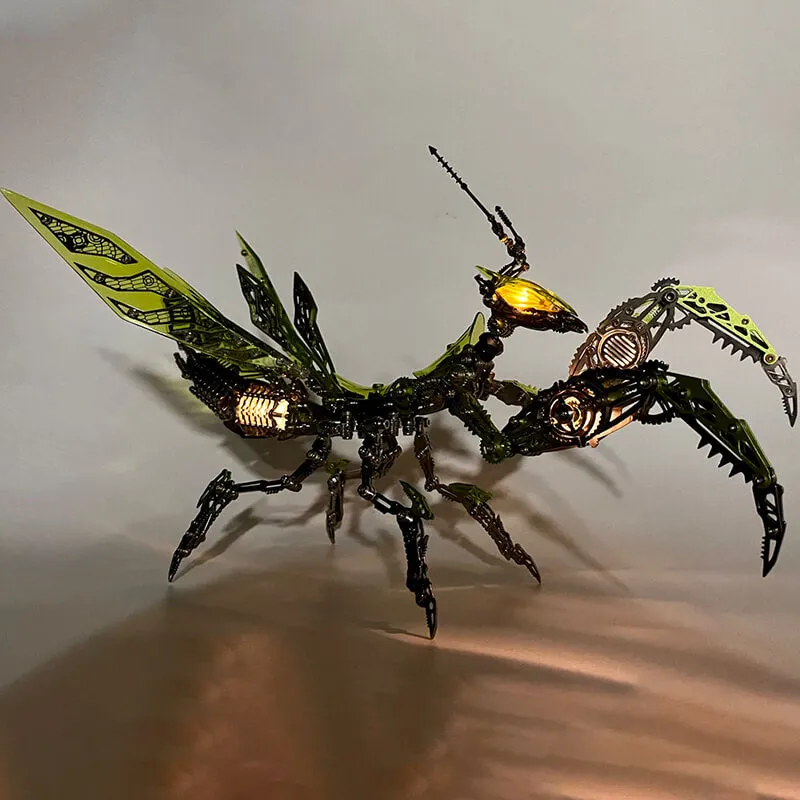
Kits like the 3D metal mantis puzzle kit ship as flat sheets of laser-cut parts that you fold, clip and sometimes screw together. This style of kit is often inspired by real mechanical designs, and etched stainless steel or brass gives sharper panel lines and a heavier feel than injection-molded plastic once assembled. Pre-built models skip construction entirely, arriving ready to display but usually costing more.
Assembly time varies with part count and your familiarity with metal kits; check the estimated build time on the product page before you buy. You will typically need needle-nose pliers, a hobby knife and often a file to clean burrs. Functional kits like the toyan engine or toyan v8 engine add mechanical assembly with pistons, crankshafts and wiring, blending static modeling with a working demonstration. For current pricing, see the current Metalkitor discount code.
Display value: detail and shelf presence
Once built, metal models tend to hold up well over time. Stainless steel resists UV yellowing, and the material weight keeps pieces stable without needing a base. A mech style kit can show articulated limbs, cockpit hatches and panel engravings that catch light from multiple angles, which makes it more of a conversation piece than background decor.
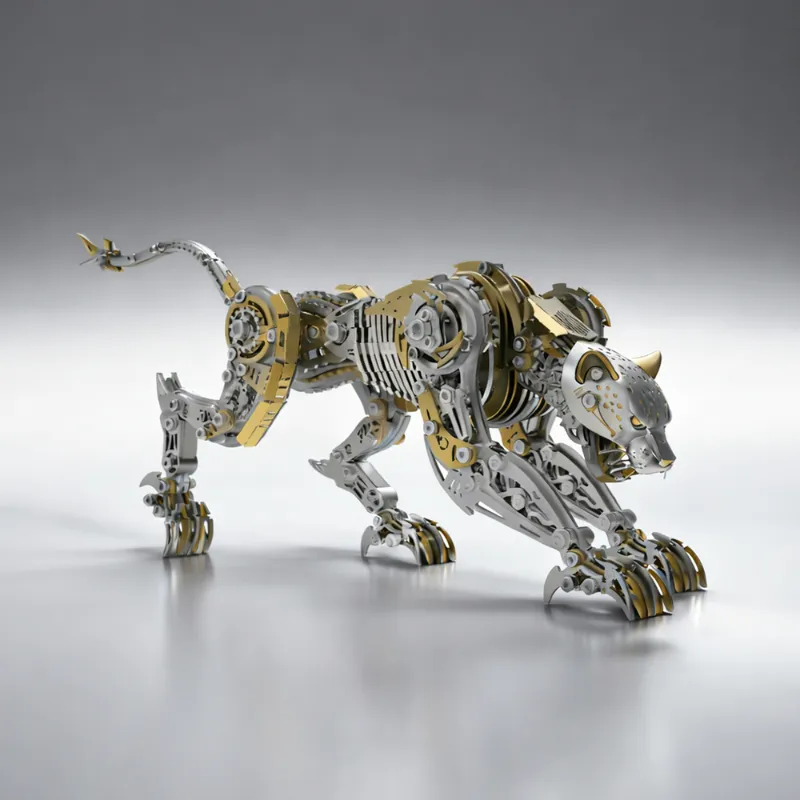
Detail level varies by manufacturer and price tier. Higher end kits use photo-etch parts for railings, grills and antennae, while budget versions stick to simpler folded sheets. A model like the 3D metal panther puzzle kit shows this range: check the listing for whether a given model includes layered detail or a cleaner silhouette.
Display advantages of metal kits generally:
- No paint chipping or decal yellowing over years
- A heavier base footprint that reduces tipping risk
- A metallic finish that reads well under direct or spotlighted lighting
- A compact footprint compared to boxed plastic models
If you plan to buy pre-assembled rather than build it yourself, expect to pay meaningfully more for the labor, and confirm the seller used official parts rather than a knockoff casting.
Building the kit: time and skill
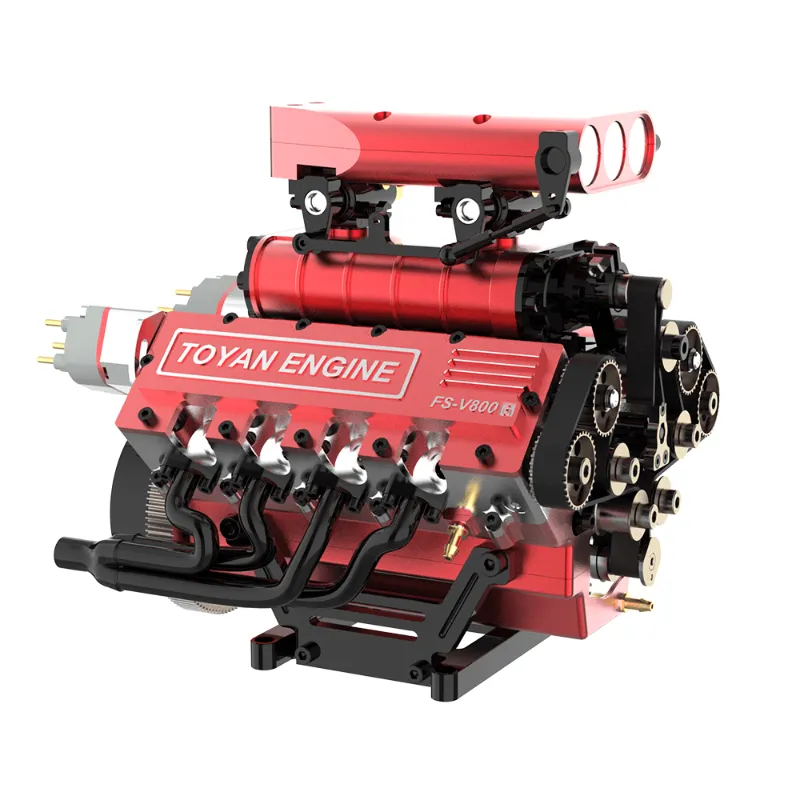
The construction process rewards patience more than dexterity. Most metal kits use tab-and-slot joints or screws rather than glue, so mistakes are usually reversible. Expect to spend the first stretch of time learning how much pressure bends a tab without snapping it, after which the rest of the build tends to go faster. A kit like the toyan engine kit adds mechanical assembly, timing gears, a spark plug and fuel lines, which teaches small-engine principles as you build.
The skill ceiling sits lower than scale plastic modeling. You do not need to sand seams, prime, airbrush or weather the piece, since the metal finish is the final finish. That simplicity appeals to builders who want a low-pressure project without investing in paint equipment.
What builders tend to gain from the process:
- A low-stakes, repetitive project that many find relaxing
- Some mechanical familiarity from assembling moving parts, as with the toyan engines
- Visible progress as flat sheets become a 3D form
- The option to disassemble most kits for storage or to fix a mistake
Comparing metal model categories
Different categories of metal kits serve different goals. Check each product listing for its own estimated build time and part count, since these vary widely even within a category.
| Kit type | Display appeal | Build engagement |
|---|---|---|
| Mech or robot | High detail, articulation | Moderate, repetitive joints |
| Engine (functional) | Moderate, benefits from a stand | High, mechanical learning |
| Animal or sculpture | High, organic curves | Low to moderate |
| Puzzle or abstract | Moderate, geometric | High, problem-solving |
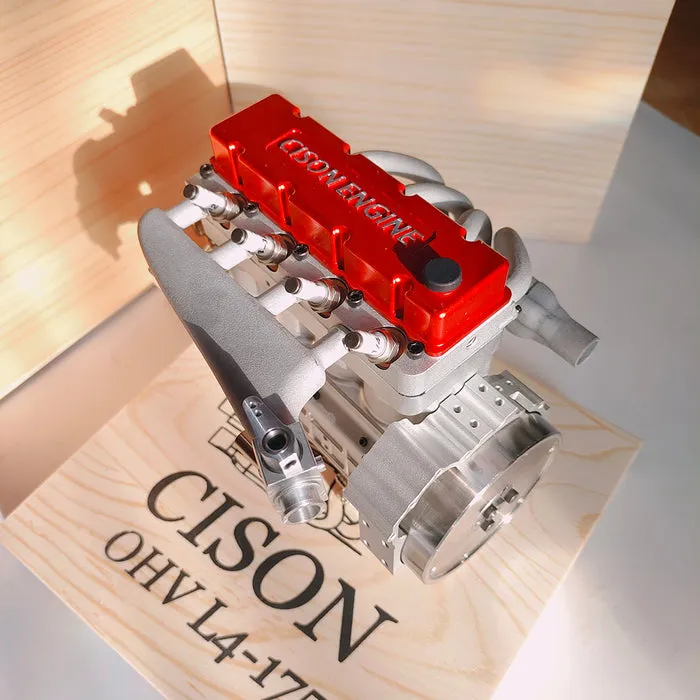
A working engine like the Cison model engine tends to score highest for build satisfaction, since you test-run the finished model and troubleshoot timing if it does not fire. Its display appeal depends on whether you add a stand or case, since a raw engine looks industrial rather than decorative on its own.
Mech kits tend to balance both priorities: articulated limbs and cockpit details photograph well, and the build offers enough variety, armor panels, weapon mounts and joint assembly, to stay engaging without specialized tools.
Who should choose display versus builder focused kits
Choose display-focused models if you:
- Want a finished piece quickly and do not have long blocks of time for assembly
- Collect across themes and want a consistent shelf look
- Value fine detail over the construction process itself
- Rotate displays and need quick setup
A lower part count kit like the 3D metal panther puzzle kit fits here, giving you metal durability and visual weight with less of a learning curve.
Choose builder-focused kits if you:
- Enjoy the process of folding, fitting and watching progress build up
- Want to learn mechanical principles through a working engine
- Prefer a hobby you can pause and resume without losing materials
- Value being able to say you built the piece yourself
A kit like the toyan engine or the mantis kit rewards that mindset, since both involve enough steps to feel like a real project and both produce a displayable result. See the current Metalkitor discount code before starting a multi-kit collection.
Caring for metal models
Metal models need minimal upkeep but benefit from a few habits. Dust with a soft brush or compressed air rather than a cloth, which can catch on thin parts and bend them. If you handle the model often, wipe fingerprints with a microfiber cloth, since skin oils can tarnish brass over time.
Store models away from high humidity if they use steel fasteners, which can rust at the joints, even though most stainless bodies resist corrosion on their own. A light coating of a museum-grade wax can help protect against oxidation without adding shine.
For a functional engine, follow the manufacturer’s break-in and lubrication schedule in the manual, since these models use real bearings and gaskets that wear with use.
Making the call
Neither priority is better than the other, both justify the cost if they match what you actually enjoy. If the idea of an evening with pliers and instructions does not appeal to you, look for a pre-assembled model instead. If the shelf result feels like a bonus and the build is the main event, pick a kit with a higher part count and mechanical features.
For your first kit, match the part count and estimated build time to how much time you actually have, and buy from a seller who offers replacement parts. Metal tabs can snap if over-bent, and having a spare sheet turns a mistake into a short pause rather than the end of the project.
Questions
How long does it take to assemble a metal model kit like a mech design?
It depends on part count and your familiarity with metal kits. Check the estimated build time on the specific product page, and budget extra time on your first build while you learn the tab-folding technique and how to clean burrs.
Can I disassemble a metal model kit after building it?
Most metal kits use tab-and-slot or screw joints that allow disassembly without damage, which makes them easier to store flat or to correct a mistake during assembly.
Do metal model kits need paint or finishing after assembly?
No. The etched metal surface is the final finish. Some builders add patina or weathering for effect, but it is optional and not required for display.
Are working engine kits harder to build than static mech models?
Working engine kits involve more mechanical assembly, timing gears, wiring and fuel lines, so the difficulty comes from learning how the parts interact rather than needing advanced manual skill. Static mech models involve more repetitive folding but less troubleshooting.
Will metal models rust or tarnish on the shelf?
Stainless steel bodies generally resist rust and UV yellowing. Brass parts can develop a patina over time, and kits that mix stainless panels with carbon-steel screws can rust in high humidity. A light wax coating helps prevent oxidation.
Should I buy a pre-assembled metal model or build it myself?
Buy pre-assembled if you want immediate display and do not have time for the build. Build it yourself if you enjoy assembly projects and want the satisfaction of finishing the piece.
Products in this guide
 Shopping at Metalkitor? See the discount code
12% OFF Sitewide
Shopping at Metalkitor? See the discount code
12% OFF Sitewide
More in this series
Troubleshooting Common Issues with Toyan Engine Kits: Starting Problems and Tuning Solutions18 Aug 20266 minWhat Makes the Centipede Lighter Crafting Process Worth the Build Time?18 Aug 20265 minDo Metal Puzzles Dull Over Time? Maintenance Tips for Puzzle Metalic and Similar Kits18 Aug 20264 minToyan vs Cison Model Engines: Which Brand Offers Better Performance and Value?18 Aug 20265 minHow to Assemble Your First Toyan V8 Engine18 Aug 20264 min