 A Best Friend Mobility guide
When to Transition From a Support Harness to a Full Dog Wheelchair
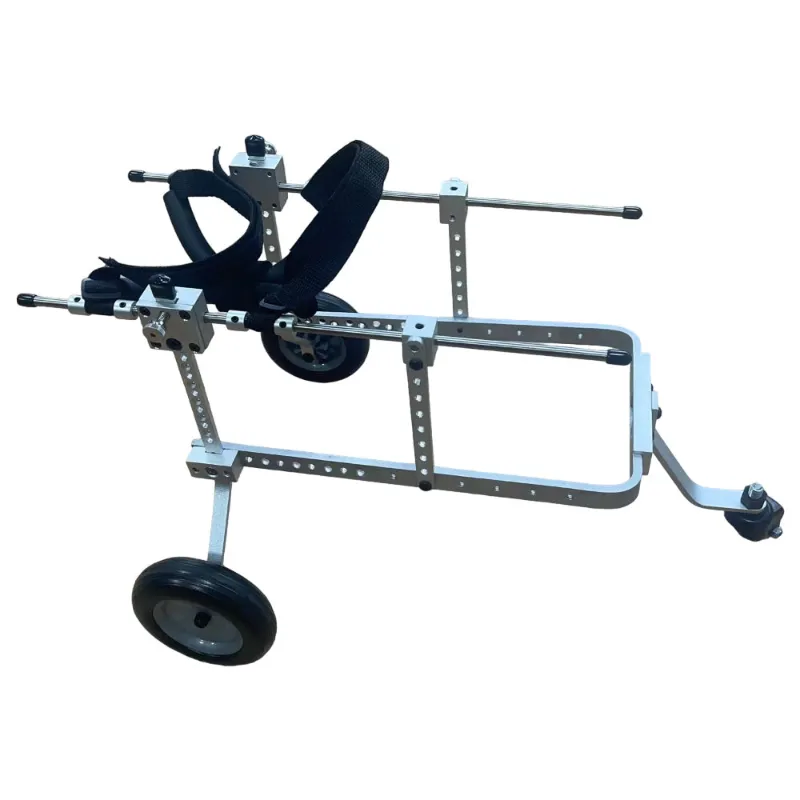
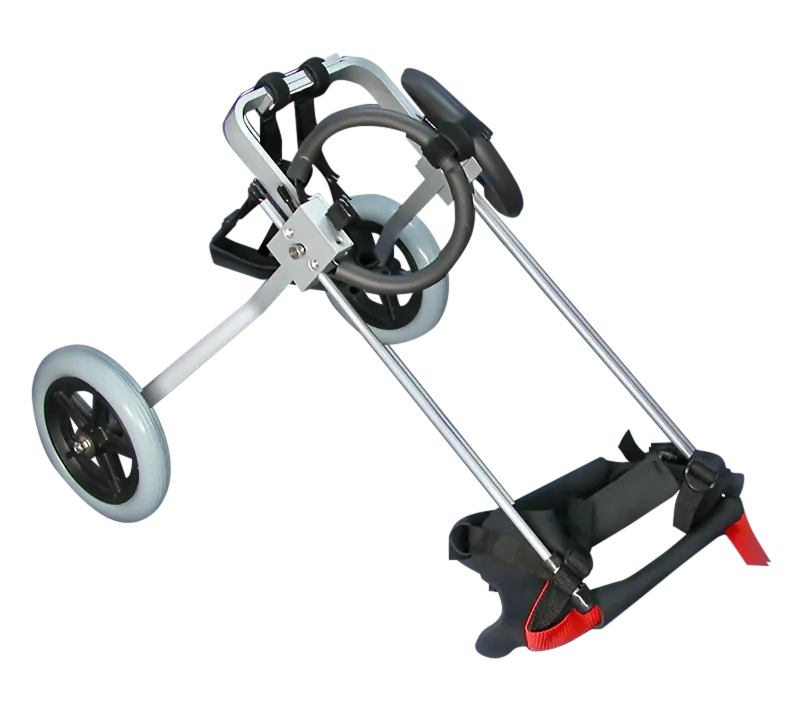
Knowing when to transition from a support harness to a sitgo rear support dog wheelchair helps maintain your dog's independence as their mobility needs change.
The sitgo rear support dog wheelchair becomes necessary when your dog can no longer bear weight on their hind legs consistently, even with harness assistance. If your dog drags their paws, collapses mid-walk, or shows pain when you lift them with a sling, a wheelchair provides the full rear-leg support they need to stay active.
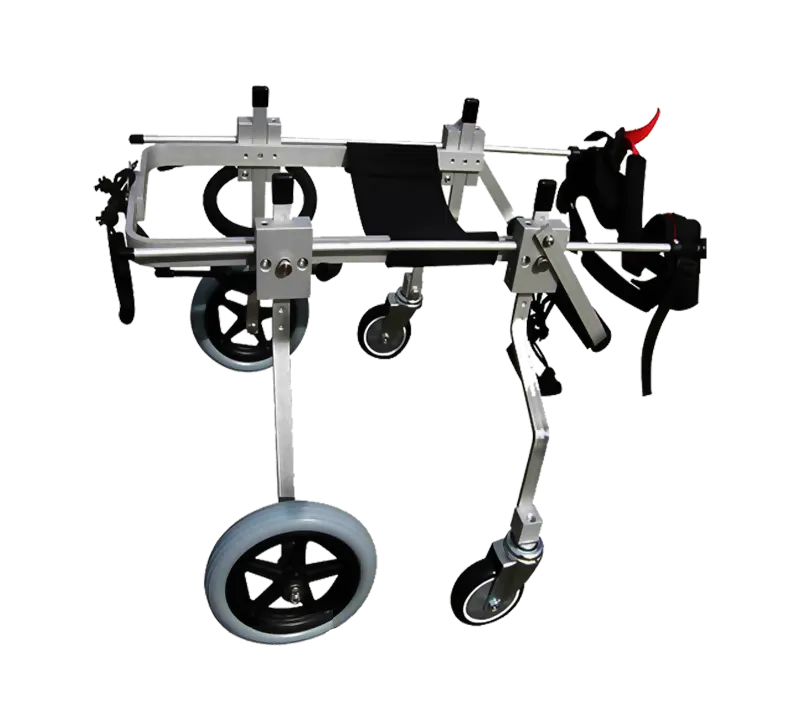
Most dogs follow a predictable path: they start with occasional help from a best friend mobility rear helping harness, graduate to daily sling use, and eventually need wheels when their back legs can no longer participate in movement. Recognizing the signs early keeps your dog comfortable and mobile.
Signs Your Dog Has Outgrown a Support Harness
Support harnesses work beautifully for dogs who still have partial hind-leg strength but need a confidence boost or help with balance. You’ll know it’s time to consider a dog wheel chair when you notice these changes:
- Dragging or knuckling: Your dog’s rear paws scrape the ground or fold under, even when you’re lifting with the harness
- Full weight transfer: You’re bearing nearly all of their rear weight during walks, not just steadying them
- Frequent collapses: Their back legs buckle or give out multiple times per outing
- Shortened walk tolerance: What used to be a 15-minute walk now exhausts them in five minutes
- Pain signals: Whining, reluctance to move, or snapping when you position the harness
- Incontinence increase: Loss of bladder or bowel control from poor muscle tone
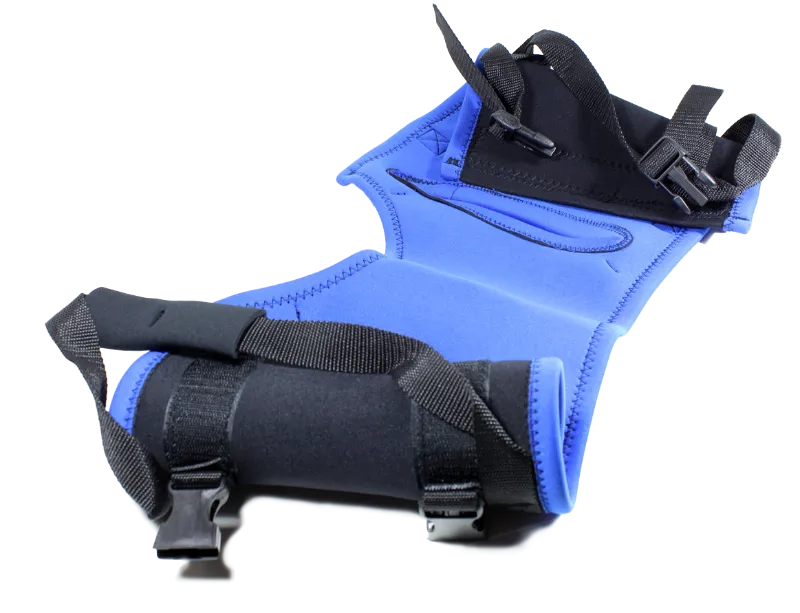
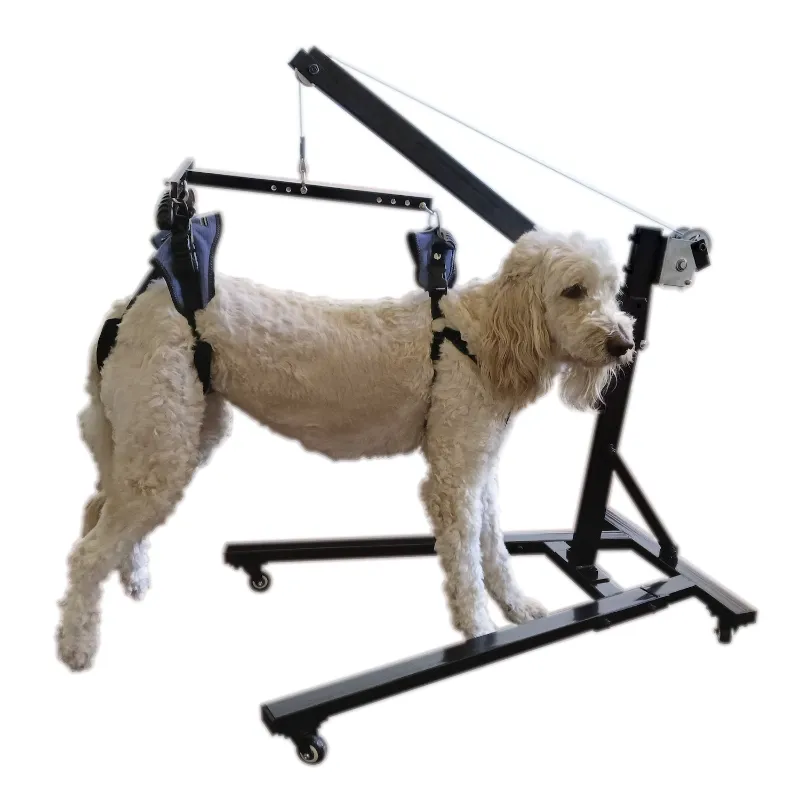
A best friend mobility updog hind leg support sling lifting harness helps during the middle stage when your dog still engages their legs intermittently. But once those legs stop pushing altogether, wheels become the more humane choice. Check the latest pricing to compare harness and wheelchair options side by side.
Understanding the Mobility Aid Progression
Most dogs don’t jump straight from full mobility to needing a wheelchair. The transition follows a spectrum based on degenerative conditions like degenerative myelopathy, hip dysplasia, or post-surgical recovery. Here’s how the stages typically unfold:
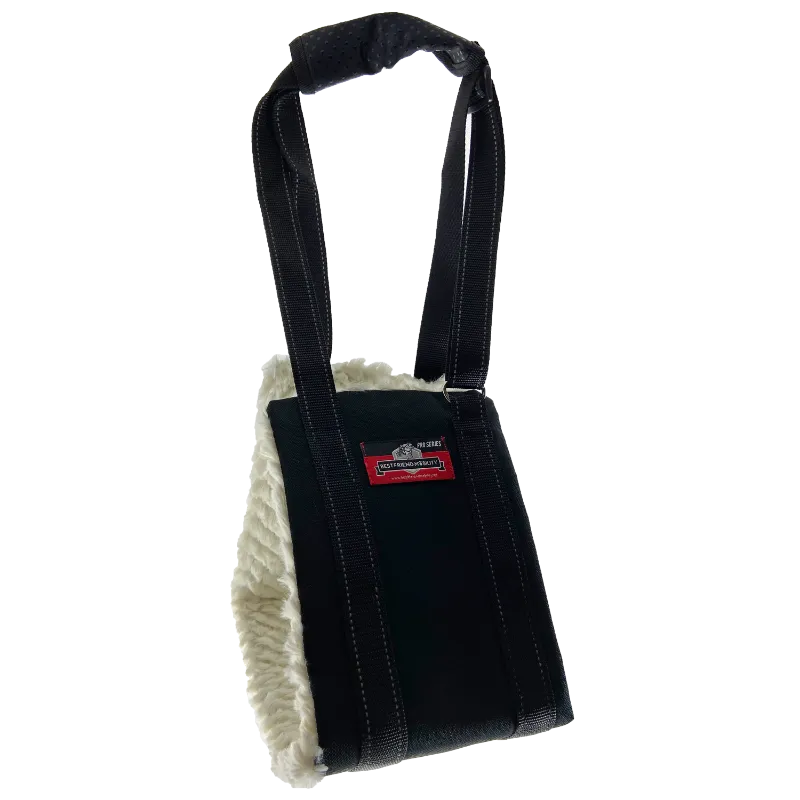
Stage 1: Occasional Support Your dog walks independently most of the time but needs help on stairs, slippery floors, or after long play sessions. A dog sling for back legs gives just-in-time assistance without restricting natural movement.
Stage 2: Daily Assistance Hind-leg weakness is now constant. Your dog requires a lifting harness for every walk, and you notice reduced muscle mass in their rear quarters. The full body dog harness distributes support across chest and hips for dogs who also have front-leg weakness.
Stage 3: Full Rear Support Needed Back legs drag or dangle with no purposeful movement. At this point, a sitgo rear support dog wheelchair or doggy wheelchair restores their ability to run, play, and eliminate independently. The wheels replace leg function entirely, so your dog moves by pushing with their front legs.
Some conditions progress slowly over months; others decline in weeks. Track your dog’s baseline each week so you can identify meaningful changes rather than day-to-day fluctuations.
Choosing Between a Rear Wheelchair and Other Mobility Options
When a harness no longer provides adequate support, you have several paths forward depending on your dog’s specific needs and remaining strength. Here’s how the main options compare for dogs with rear-leg weakness:
| Mobility Aid | Best For | Limitations |
|---|---|---|
| Dog wheel chair | Complete hind-leg paralysis or severe weakness | Requires strong front legs; not suitable for full-body weakness |
| Dog lift harness | Short-term recovery or temporary assistance | Caregiver must be present and physically able to lift |
| Full support sling | Indoor help, bathroom breaks | Not designed for extended walks or outdoor terrain |
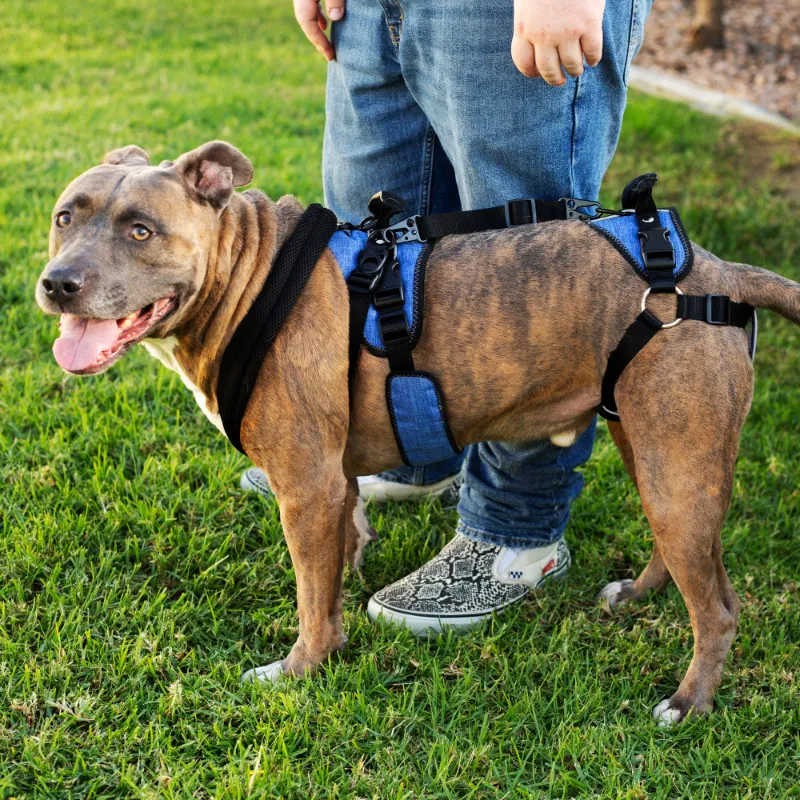
The sitgo rear support dog wheelchair and similar rear-wheel carts let dogs self-propel using their front legs, which maintains muscle tone and cardiovascular health far better than passive lifting. If your dog also struggles with front-leg coordination, you may need a quad or full body dog harness configuration instead.
We recommend booking a consultation with your vet or a canine rehabilitation therapist before ordering. They can assess whether your dog has sufficient front-leg strength to operate a rear wheelchair effectively. Dog wheelchairs for rear legs come in adjustable frames, but proper fit is critical for comfort and gait mechanics.
How to Measure and Fit a Dog Wheelchair Correctly
An ill-fitting wheelchair causes chafing, discourages use, and can worsen your dog’s posture. Most manufacturers, including those behind the sitgo rear support dog wheelchair line, provide measuring guides that focus on four key dimensions:
- Rear leg length: Measure from the bottom of the paw to the top of the hip bone while your dog stands naturally
- Body length: Measure from the base of the neck to the base of the tail along the spine
- Chest width: Measure the widest part of the ribcage, just behind the front legs
- Weight: Accurate weight determines wheel size and frame strength
The wheelchair should position your dog’s spine level or with a slight upward slope toward the rear. Hips sit in padded stirrups or a sling, and the wheels should be slightly behind the hip joint so your dog’s center of gravity stays balanced. After the first few test runs, check for red marks, limping in the front legs, or reluctance to move, all signs the fit needs adjustment.
Grab the code for 10% off sitewide at Best Friend Mobility before finalizing your measurements. Many carts offer adjustable legs and chest plates, giving you a few inches of wiggle room as your dog adapts.
Helping Your Dog Adjust to Wheelchair Life
Even an eager dog may need a week or two to build confidence in their new wheels. We’ve found these strategies speed up the acclimation process:
- Start indoors: Let your dog explore the wheelchair in a familiar, low-distraction space
- Use high-value treats: Reward forward movement, even a single step, to create positive associations
- Keep sessions short: Five minutes several times a day beats one exhausting 30-minute session
- Support the chest: Walk beside them with a hand under their chest until they find their balance
- Remove obstacles: Clear furniture and rugs that might catch the wheels during early practice
Most dogs figure out the mechanics within three to five days. Front legs naturally compensate by pushing harder, and muscle memory kicks in quickly. If your dog refuses to move or seems distressed after a week, double-check the fit and consult your vet to rule out pain from the harness or frame.
Between outdoor adventures, a dog sling for back legs still helps with quick bathroom trips or navigating tight indoor spaces where a wheelchair feels cumbersome. Many owners keep both on hand and choose based on the activity.
Maintaining Your Dog’s Mobility Gear for Longevity
Wheelchairs and harnesses endure mud, rain, urine, and daily wear. Regular maintenance extends their lifespan and keeps your dog comfortable:
- Wash fabric components weekly: Remove slings and harnesses; machine wash on gentle or hand wash with mild detergent
- Inspect wheels and axles monthly: Look for cracks, wobbling, or debris in the wheel hubs
- Lubricate moving parts: A drop of bike chain lubricant on axles and adjustment bolts prevents rust and squeaking
- Check straps and buckles: Replace any fraying webbing or cracked plastic clips immediately
- Wipe the frame after wet walks: Towel-dry aluminum or steel frames to prevent corrosion
Store the wheelchair in a dry space when not in use, and keep a backup best friend mobility rear helping harness for days when your dog needs a break from the cart. Even dedicated wheelchair users benefit from variety in their mobility support routine.
Most quality rear wheelchairs last two to four years with proper care. If your dog’s condition stabilizes, you may never need another cart. If their needs evolve toward full-body support, you can often retrofit or trade up rather than starting from scratch.
Questions
How do I know when a harness is no longer enough for my dog?
When your dog drags their paws consistently, collapses mid-walk even with harness support, or you're bearing all their rear weight during movement, it's time to transition to a wheelchair. Pain signals like whining or reluctance to walk also indicate the harness is insufficient.
Can my dog use a sitgo rear support dog wheelchair indoors?
Yes, though many owners use a simpler sling or harness indoors for quick bathroom breaks and tight spaces. Wheelchairs work well on hard floors and low-pile carpet but may catch on rugs or furniture in smaller rooms.
Will my dog still need a support harness after getting a wheelchair?
Many owners keep both. A wheelchair is ideal for outdoor exercise and longer activities, while a rear support harness or sling works better for quick indoor assists, car transfers, or situations where the cart feels cumbersome.
How long does it take a dog to learn to use a rear wheelchair?
Most dogs adapt within three to five days of short practice sessions. Start indoors with treats and support under the chest, keeping sessions to five minutes several times daily until they build confidence.
What if my dog has weakness in all four legs?
A rear wheelchair requires strong front legs to push and steer. If your dog also has front-leg weakness, consider a full body harness or a quad wheelchair configuration that supports all four limbs instead.
Do I need a prescription to buy a dog wheelchair?
No, most dog wheelchairs are available without a prescription. However, consulting your vet or a canine rehab therapist before ordering ensures the wheelchair is appropriate for your dog's condition and that you choose the right size and style.
Products in this guide
 Shopping at Best Friend Mobility? See the coupon code
10% OFF Sitewide
Shopping at Best Friend Mobility? See the coupon code
10% OFF Sitewide
More in this series
Best Friend Mobility Wheelchair and Harness: What to Know Before You Buy21 Aug 20265 minHow Long Can a Dog Use a Rear Leg Support Sling Each Day?21 Aug 20265 minDo Dog Lift Harnesses Actually Help Senior Dogs With Mobility Issues?21 Aug 20267 minDog Wheelchair vs Rear Support Harness: Which Is Better for Hind Leg Weakness?21 Aug 20264 minHow to Choose the Right Dog Wheelchair for Your Pet’s Mobility Needs21 Aug 20265 min