 A Best Friend Mobility guide
Do Dog Lift Harnesses Actually Help Senior Dogs With Mobility Issues?
A dog lift harness can restore independence and comfort for senior pets struggling with hind leg weakness, arthritis, or post-surgery recovery.
Yes, a dog lift harness genuinely improves quality of life for senior dogs by reducing strain on weak hind legs, supporting arthritic joints, and giving you safe control during walks or stair navigation. The right harness restores confidence and independence while protecting your back from unsafe lifting.
Senior dogs lose mobility gradually. One week your retriever hesitates at the back door, the next month she can’t rise from her bed without help. Lift harnesses address this by transferring weight from compromised limbs to padded webbing you control, letting your dog move with dignity instead of dragging or falling.
Which Type of Dog Lift Harness Fits Your Dog’s Needs
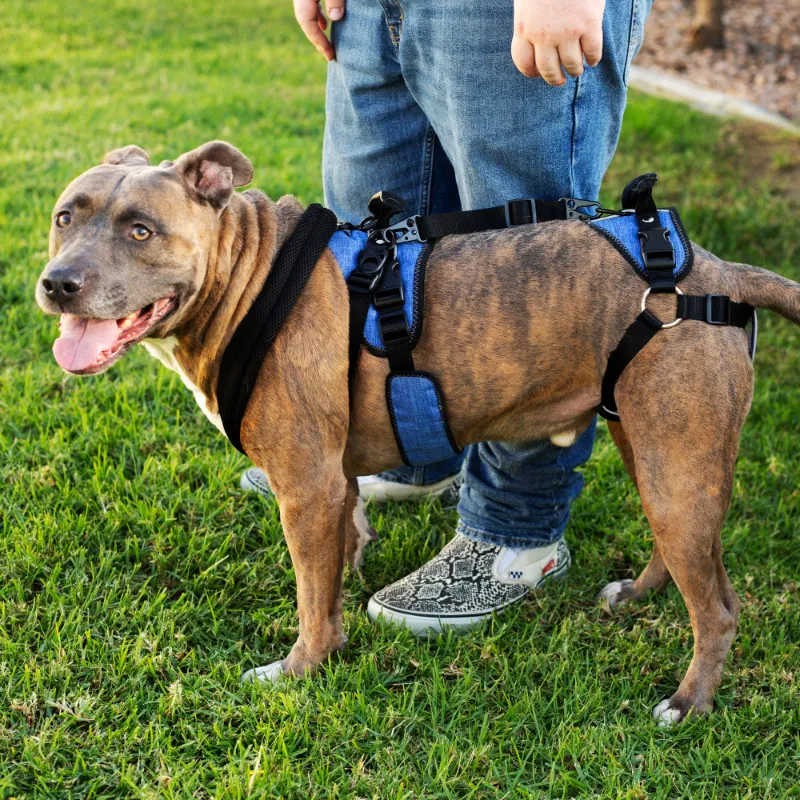
Rear support slings target hind leg weakness, the most common senior mobility issue. The best friend mobility rear helping harness wraps under the hindquarters with a top handle, letting you stabilize wobbly back legs during potty breaks or short walks. These work well for dogs who retain front-leg strength but struggle with stairs or slippery floors.
Full-body harnesses distribute support across chest and hips when all four legs need help. A full body dog harness prevents front-end collapse in dogs with generalized weakness from arthritis or neurological conditions. The wraparound design also suits post-surgery recovery when you cannot put pressure on specific incision sites.
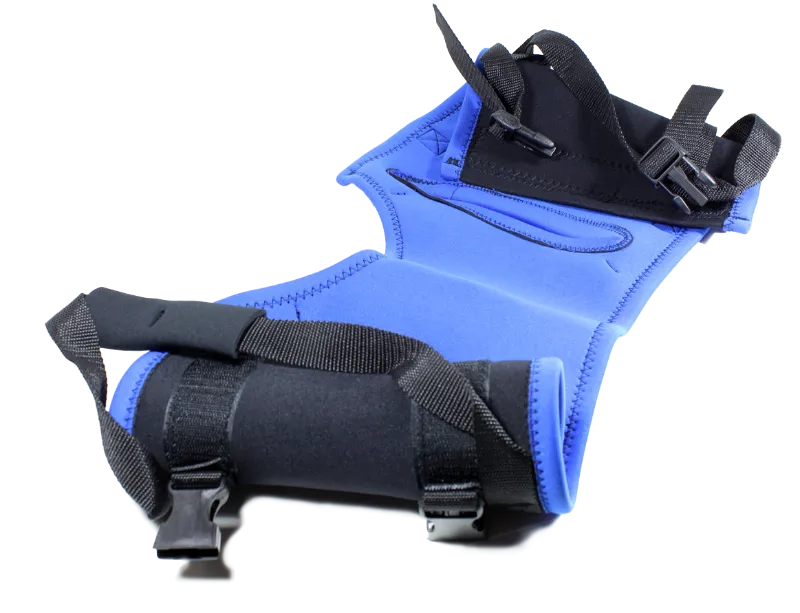
Lifting slings with extended handles give you leverage for true vertical lifts. The best friend mobility updog hind leg support sling lifting harness features longer grips positioned for ergonomic lifting into cars or onto exam tables. These are essential for owners with back problems who need mechanical advantage rather than brute strength.
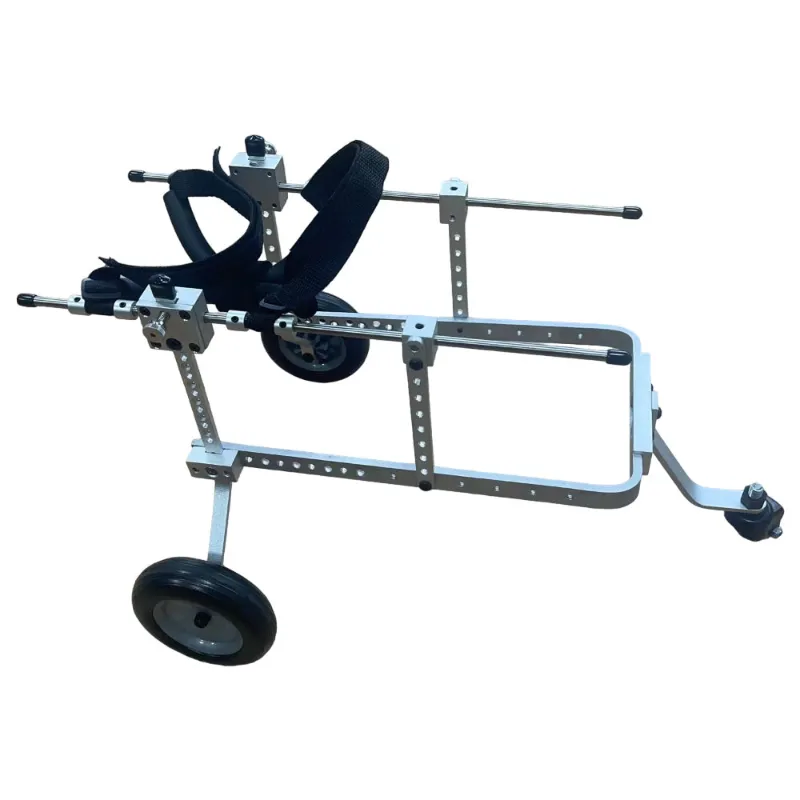
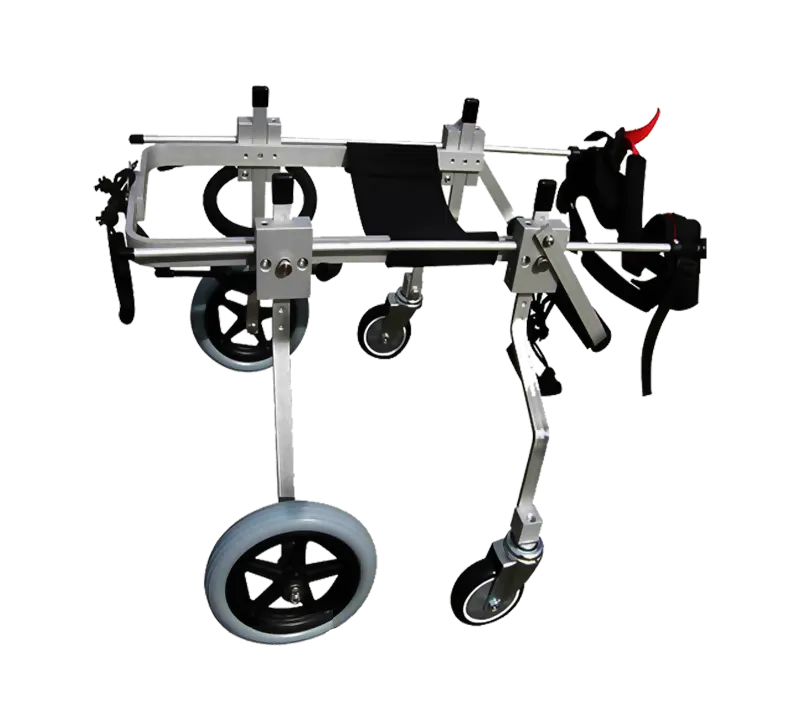
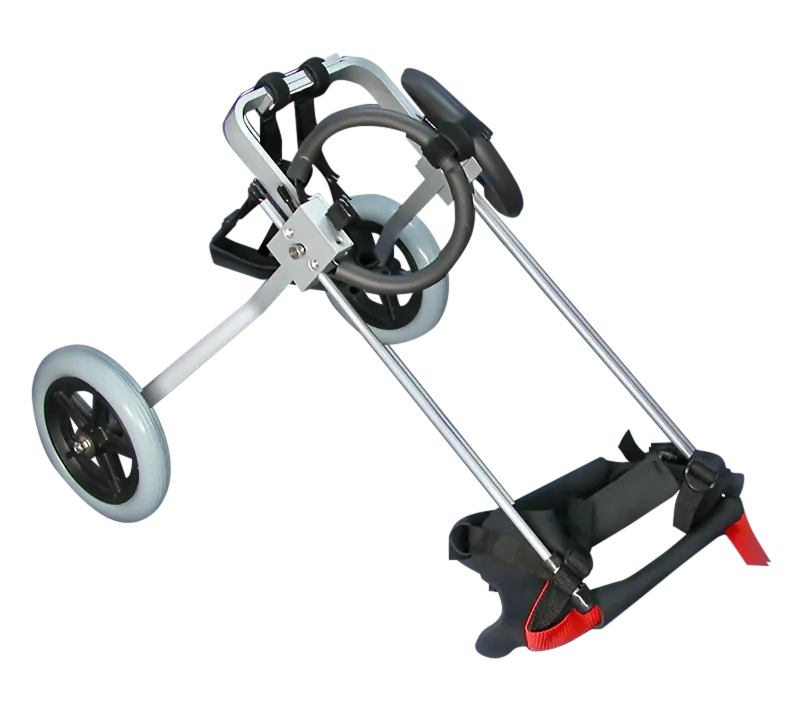
Wheeled mobility carts replace lifting entirely for dogs who have lost rear function. A dog wheel chair or doggy wheelchair straps around the torso and lets your dog walk using front legs while wheels support the rear. The sitgo rear support dog wheelchair combines a harness with detachable wheels, transitioning from indoor sling to outdoor cart in seconds.
Check current pricing and grab our exclusive code for 10% off sitewide at Best Friend Mobility.
How Dog Lift Harnesses Solve Specific Mobility Problems
Stair navigation becomes possible again with a dog lift harness for stairs. Position yourself below your dog on the descent, holding the handle to prevent forward tumbles. On the ascent, the harness lets you lift 40-60% of their body weight so weak hind legs only need to push, not carry.
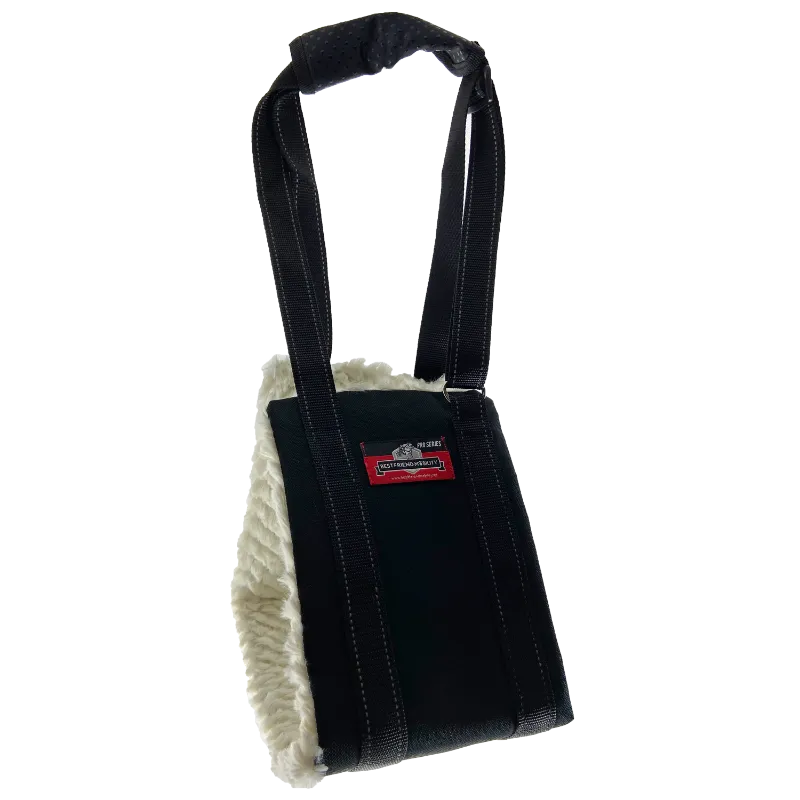
Bathroom trips gain dignity with a dog sling for back legs. Senior dogs often cannot squat or hold position long enough to eliminate. A rear sling keeps them upright and balanced, reducing accidents and the anxiety that comes from losing bowel control. The quick-clip design means you can leave it loosely on during high-frequency bathroom days.
Slippery floor traction improves because harnesses give you instant intervention. When your dog’s legs start to splay on hardwood, a quick handle-lift resets their stance before a fall. This prevents the fear-based shutdown many seniors develop after sliding injuries.
Car loading shifts from a two-person wrestling match to a controlled lift. A dog lift harness with front and rear handles lets you support both ends while your dog contributes whatever leg strength remains. For taller vehicles, combine a harness with a ramp so you are only stabilizing, not hoisting 70 pounds of resistant canine.
Materials and Design Features That Actually Matter
Neoprene padding prevents chafing during extended wear. Thin nylon webbing digs into armpits and groin creases within 20 minutes. We prioritize harnesses with at least half-inch padding at all contact points, especially under the chest and belly where skin is thinnest.
Machine-washable fabrics are non-negotiable for senior dogs prone to incontinence. Mesh panels dry faster than solid neoprene but offer less structure. Look for reinforced stitching at stress points because a blown seam mid-lift can injure both you and your dog.
Handle positioning determines whether you lift with your legs or wreck your back. Rear handles should sit directly over your dog’s hips, not behind the tail or forward near the ribs. Full-body harnesses need both front and rear grips so you maintain level support during stairs or car entry. Poor handle placement forces you into twisted lifting postures that cause injury over weeks of repeated use.
Adjustable straps accommodate body changes. Senior dogs lose muscle mass unevenly, and post-surgery swelling shifts weekly. Quick-release buckles beat velcro for durability, but ensure they cannot pop open under load.
Reflective trim adds safety for evening bathroom trips but should not be your primary selection criterion. Function trumps visibility features.
Measuring and Fitting a Dog Lift Harness Correctly
Measure your dog standing in their natural posture, not sitting or lying down. You need three numbers:
- Chest girth at the widest point behind the front legs
- Waist girth in front of the hind legs where a rear harness sits
- Back length from base of neck to tail base for full-body options
Add one inch to each measurement for padding clearance. A too-tight harness restricts breathing and rubs skin raw within days. Too loose and your dog slips through during a lift, particularly when wet or muddy.
Strap adjustability range matters more than size labels. A harness claiming “large” might adjust from 24-28 inches while your 70-pound Lab measures 29. Check manufacturer adjustment specs against your actual measurements before ordering. Best Friend Mobility provides detailed sizing charts for each model because fit failures are the top return reason.
Test the fit by slipping two fingers under all straps when fastened. You should feel snug resistance, not loose fabric or skin-pinching tightness. Walk your dog 50 feet and check for strap migration or signs of rubbing. Real-world movement reveals fit problems invisible during static fitting.
Visit the Best Friend Mobility coupon page to see size guides and current discounts before you order.
When to Choose a Wheelchair Over a Lift Harness
Lift harnesses require your dog to bear some weight and participate in movement. When hind legs drag completely or your dog has given up trying to stand, a wheelchair restores independent mobility better than constant manual support.
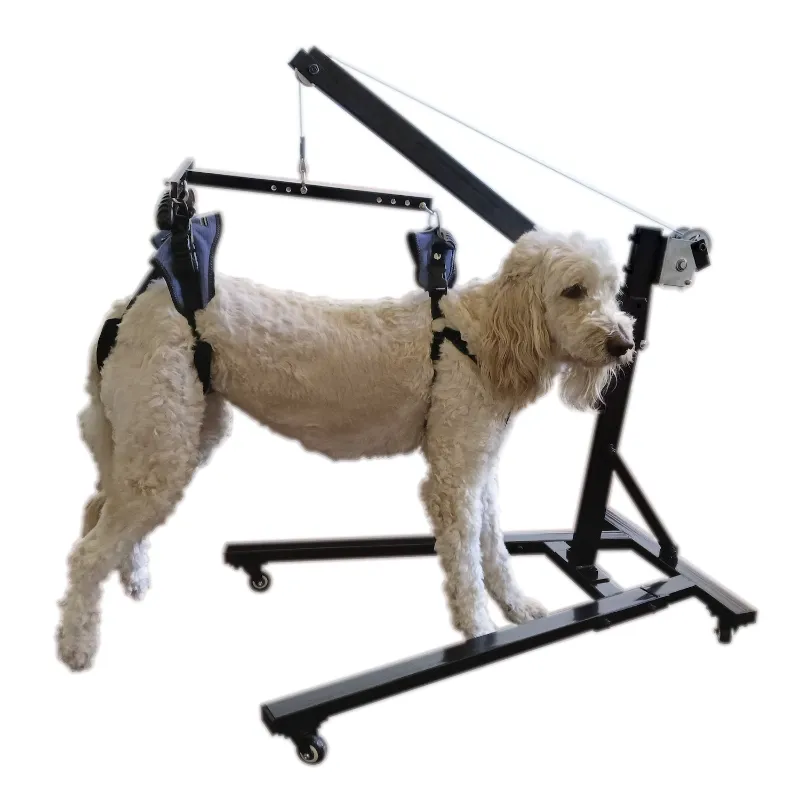
Paralysis or severe atrophy means a dog lift becomes a carrying device rather than a mobility aid. At that stage, wheels let your dog initiate movement and explore without waiting for your intervention.
Your physical limitations matter too. If you have arthritis, back problems, or cannot lift 30+ pounds repeatedly, a wheelchair eliminates the lifting requirement entirely. There is no shame in choosing equipment that keeps both you and your dog safe.
Duration of need influences the decision. Post-surgery harnesses work for 6-12 week recoveries, but progressive conditions like degenerative myelopathy eventually outpace harness effectiveness. Some owners start with a dog sling for back legs and graduate to a wheeled cart as the disease advances. Equipment from the same manufacturer often uses compatible attachment points, making the transition simpler.
Resources like rehabdeb.com’s harness guide offer additional comparisons between lift systems and wheeled mobility aids for specific conditions.
Introducing Your Senior Dog to a Lift Harness
Desensitization takes 3-7 days for anxious dogs. Leave the harness near their bed with treats on top. Let them sniff and investigate without forcing interaction. Once they ignore it, drape it loosely over their back during meals so positive associations form.
Fitting sessions should be calm and brief. Slip the harness on, give high-value treats, remove it after 30 seconds. Gradually extend wear time over multiple sessions before attempting to use the handles. Senior dogs tolerate new equipment better when introduction is incremental rather than crisis-driven.
First lifts need a helper to steady your dog’s head and offer treats while you test handle support. Lift only enough to feel weight transfer, not full suspension. Many dogs panic when all four feet leave the ground unexpectedly. Work up to functional lifts over several days.
Positive reinforcement matters more than urgency. If your dog fights the harness, back up two steps in the introduction process. A dog who associates the harness with falls, pain, or force will resist every time you approach with it. One week of patient training prevents months of daily struggles.
What Dog Lift Harnesses Cannot Fix
Harnesses do not treat underlying conditions. They manage symptoms while you pursue veterinary care for arthritis, hip dysplasia, or neurological disease. Pain medication, physical therapy, and weight management remain essential even with excellent mobility equipment.
Muscle atrophy accelerates if you do all the work. Use the harness to assist, not replace, your dog’s effort. Encourage them to push with hind legs while you support 40-60% of weight. Complete weight-bearing elimination leads to faster muscle loss and shorter remaining mobility windows.
Behavioral shutdown sometimes occurs when dogs realize they cannot move independently anymore. A harness addresses physical limitation but not the depression or anxiety that often accompanies lost mobility. Monitor appetite, social engagement, and response to favorite activities as quality-of-life indicators beyond just physical function.
The best friend mobility rear helping harness and similar well-designed slings consistently improve both pet and owner quality of life when fitted correctly and introduced patiently. They buy time, restore dignity, and let you safely support the dog who supported you through years of companionship.
Questions
How long can a senior dog wear a lift harness each day?
Most dogs tolerate 2-4 hours of continuous wear for rear support harnesses, but remove them between uses to prevent chafing and allow skin to breathe. Full-body harnesses should only be worn during active support needs, not all day. Monitor contact points for redness or hair loss that indicates excessive wear time.
Can I use a dog lift harness for stairs if my dog weighs over 80 pounds?
Yes, but you need a harness rated for your dog's weight and proper lifting technique to protect your back. Position yourself below your dog on descents and use your legs, not your back, to lift. For very large breeds, consider installing ramps or using two-person assists on stairs.
Will a rear support sling work for a dog with front leg arthritis too?
No, rear-only harnesses provide no front leg support and may worsen front-end strain as your dog compensates for assisted rear legs. Dogs with both front and rear weakness need a full-body harness that distributes support across all four quarters.
How do I know when to switch from a lift harness to a wheelchair?
Transition to a wheelchair when your dog can no longer bear weight on hind legs even with harness support, drags legs consistently, or when your physical ability to lift them multiple times daily becomes unsustainable. Complete rear paralysis or progressive neurological conditions typically require wheels rather than slings.
Do dog lift harnesses help with hip dysplasia or just old age weakness?
Lift harnesses effectively support dogs with hip dysplasia, arthritis, degenerative myelopathy, post-surgery recovery, and general age-related weakness. They work for any condition causing hind leg instability by transferring weight from compromised joints to the harness structure you control.
Can I leave a dog sling on overnight or during crate time?
Never leave any lift harness on an unsupervised dog. Straps can catch on crate wires or furniture, and extended pressure causes skin sores and circulation problems. Remove all mobility harnesses when your dog is resting or unattended.
Products in this guide
 Shopping at Best Friend Mobility? See the coupon code
10% OFF Sitewide
Shopping at Best Friend Mobility? See the coupon code
10% OFF Sitewide
More in this series
When to Transition From a Support Harness to a Full Dog Wheelchair21 Aug 20266 minBest Friend Mobility Wheelchair and Harness: What to Know Before You Buy21 Aug 20265 minHow Long Can a Dog Use a Rear Leg Support Sling Each Day?21 Aug 20265 minDog Wheelchair vs Rear Support Harness: Which Is Better for Hind Leg Weakness?21 Aug 20264 minHow to Choose the Right Dog Wheelchair for Your Pet’s Mobility Needs21 Aug 20265 min