 A Best Friend Mobility guide
Dog Wheelchair vs Rear Support Harness: Which Is Better for Hind Leg Weakness?
Choosing between a wheelchair and the best friend mobility updog hind leg support sling lifting harness depends on whether your dog needs full weight relief or temporary assistance.
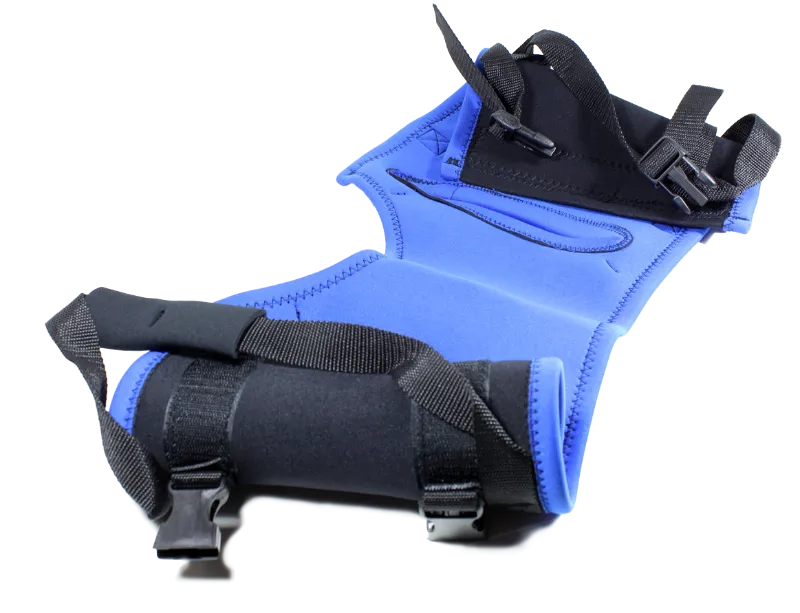
The best friend mobility updog hind leg support sling lifting harness works best for dogs who retain some rear leg function and need help with balance or fatigue, while a dog wheel chair suits dogs with complete or near-complete hind limb paralysis. Your choice depends on your dog’s diagnosis, remaining mobility, and whether their condition is temporary or permanent.
When a Wheelchair Is the Right Choice
Wheelchairs provide full support for dogs who cannot bear weight on their hind legs. We recommend a doggy wheelchair when your dog has been diagnosed with degenerative myelopathy, severe hip dysplasia, spinal injury, or paralysis that prevents rear leg movement.
Key scenarios where wheelchairs outperform harnesses:
- Your dog drags their hind legs or knuckles their paws when walking
- Rear limbs show no voluntary movement or muscle control
- Your vet has confirmed permanent nerve damage or progressive degeneration
- Your dog needs to run, play, or exercise without caregiver assistance
- You want hands-free mobility for your dog during outdoor time
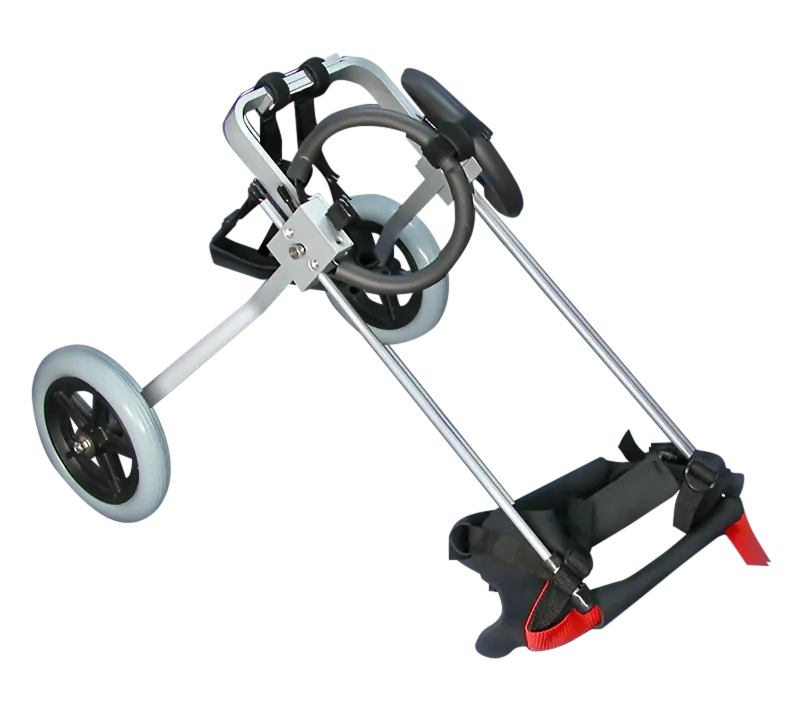
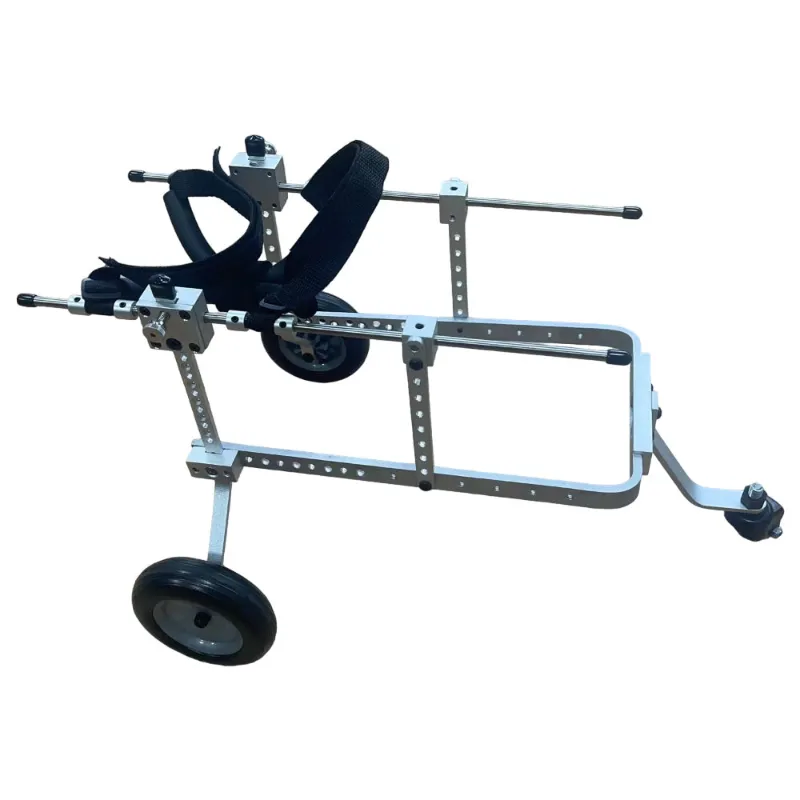
The sitgo rear support dog wheelchair allows dogs to walk, trot, and explore independently while the frame bears all rear weight. Wheels replace hind leg function entirely, so your dog propels forward using front legs only.
For current pricing and to grab the discount code, visit the store’s coupon page where you’ll find 10% off sitewide.
When a Rear Support Harness or Sling Works Better
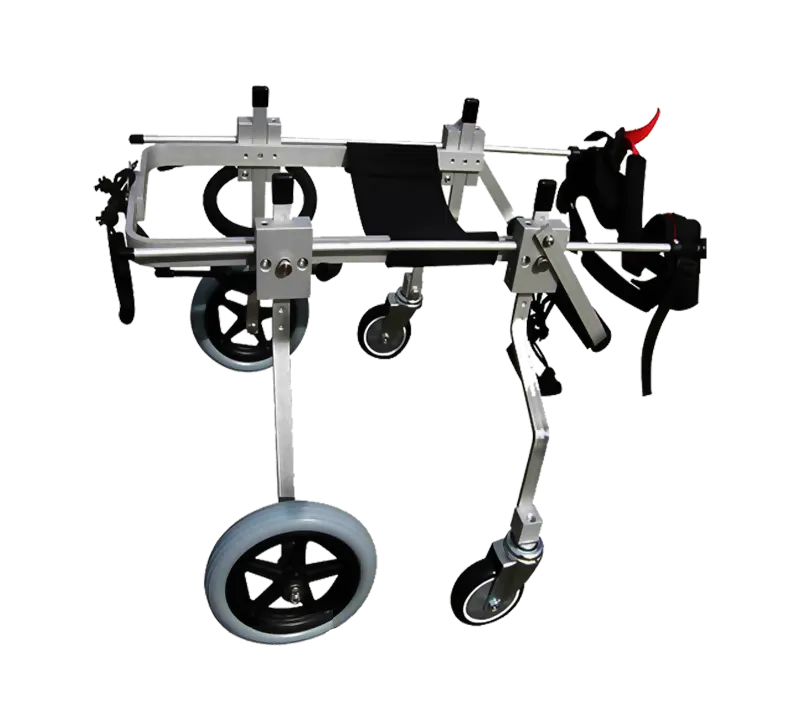
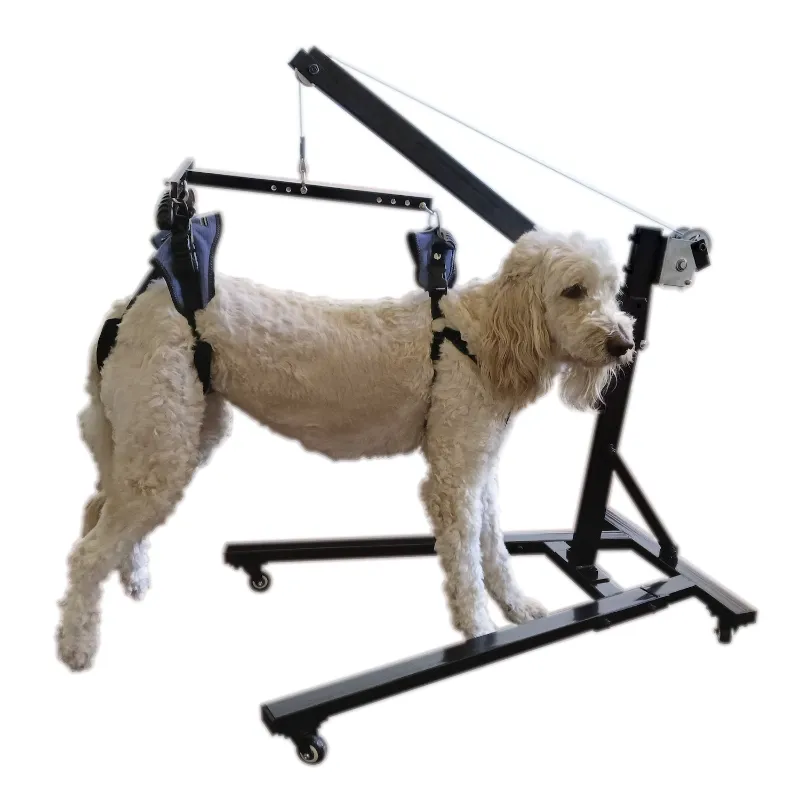
Harnesses and slings suit dogs who still have partial hind leg strength but struggle with stability, endurance, or coordination. The best friend mobility rear helping harness lets you lift and support your dog’s rear end while they continue using their legs.
Ideal conditions for harness use:
- Post-surgery recovery when your dog needs temporary assistance
- Arthritis or joint pain that causes wobbling but not complete weakness
- Early-stage neurological decline where some leg function remains
- Stair navigation, getting in and out of cars, or standing up from rest
- Dogs who become fatigued on longer walks but start strong
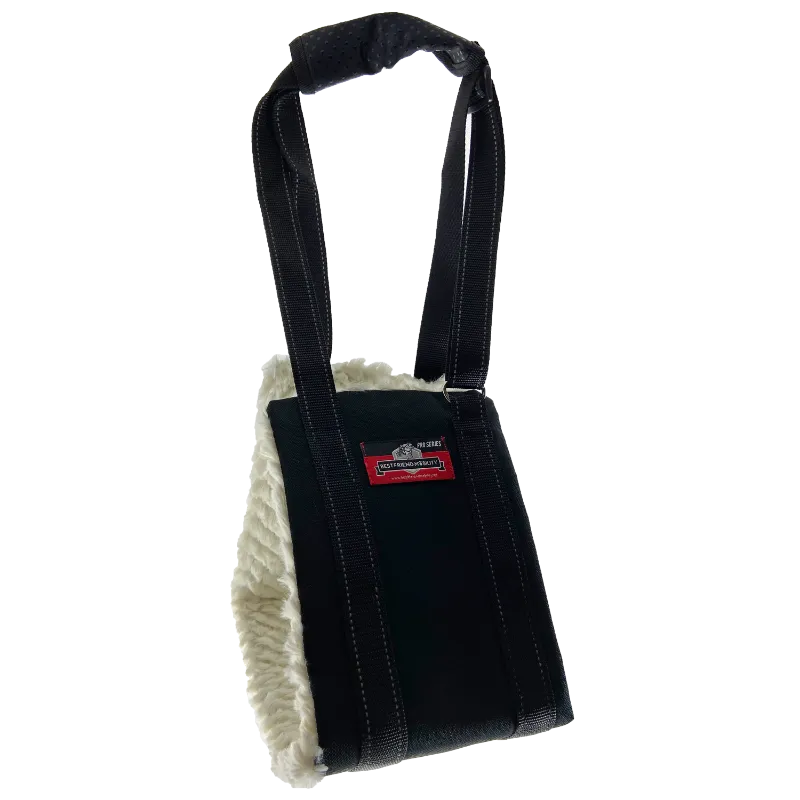
A dog sling for back legs gives you control over how much weight you bear versus how much your dog supports. This adjustability helps maintain muscle tone and encourages active rehabilitation, which a wheelchair cannot provide.
Comparing Key Features and Use Cases
| Feature | Wheelchair | Rear Harness or Sling |
|---|---|---|
| Weight support | 100% rear weight relief | Adjustable partial support |
| Independence | Fully hands-free | Requires caregiver to hold |
| Best for | Paralysis, no leg movement | Partial weakness, rehab |
| Exercise benefit | Cardio for front legs only | Encourages hind leg use |
Wheelchairs excel at giving paralyzed dogs freedom to move without human help. You can let your dog explore the yard, play with other pets, or walk beside you on leash while the cart handles all rear support.
Harnesses shine during controlled rehabilitation and short-distance support. The best friend mobility updog hind leg support sling lifting harness helps you guide your dog through physical therapy exercises, prevent falls on slippery floors, and assist during bathroom breaks without fully removing their leg function.
Hybrid Scenarios and Transitional Needs
Some dogs benefit from both tools at different times.
If your dog’s condition is progressive, starting with a lifting harness allows you to monitor decline and transition to a wheelchair when rear leg function disappears completely. Conversely, post-surgical dogs often graduate from wheelchair to harness as strength returns.
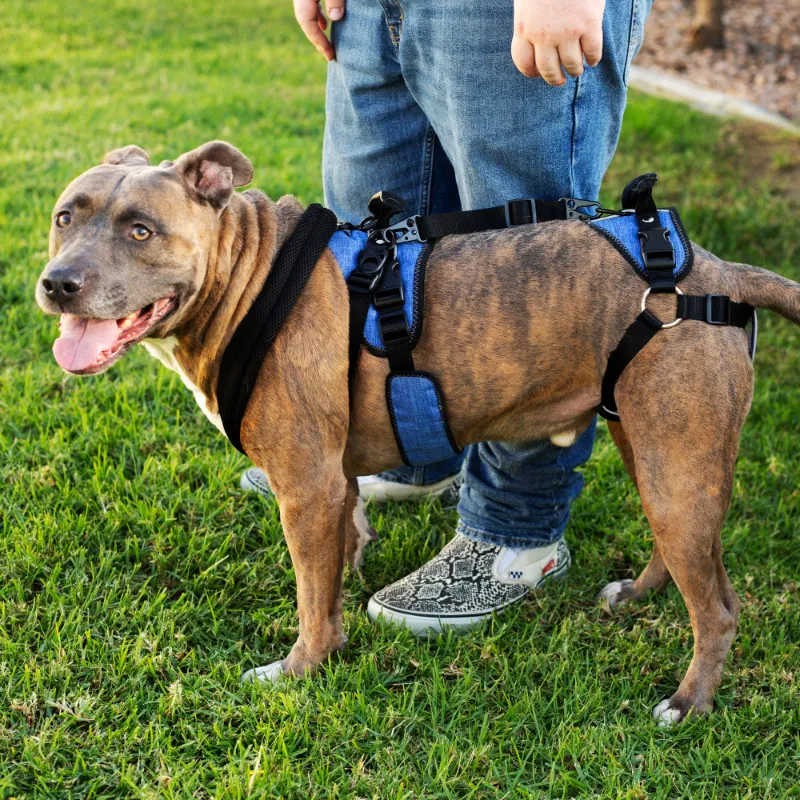
A full body dog harness offers another option for dogs with front and rear weakness, providing lift points at both ends. This suits conditions like generalized muscle atrophy or recovery from multi-limb injuries.
Sizing, Fit, and Adjustment Considerations
Wheelchairs require precise measurements of your dog’s leg length, body width, and weight distribution. Most carts adjust for growth or weight change, but an incorrect initial fit causes chafing, improper gait, or reluctance to move. Expect a 1-2 week adaptation period as your dog learns to use rear wheels.
Harnesses and slings are more forgiving. The best friend mobility updog hind leg support sling lifting harness adjusts via straps and typically fits a range of body types within each size bracket. You can tighten or loosen support in real time based on your dog’s energy level that day.
Pay attention to:
- Padding and breathability in contact areas (chest, belly, thighs)
- Handle height and grip if you’ll be lifting for extended periods
- Buckle or clip accessibility for quick on-and-off during bathroom needs
- Machine washability since mobility aids contact the ground and bodily fluids
Check the latest pricing and discount details before ordering to ensure you get the best deal on whichever mobility solution fits your dog.
Making the Decision Based on Your Dog’s Activity Level
Active dogs with paralysis thrive in wheelchairs because the device restores their ability to run and play. A dog lift or sling cannot provide this level of independence or cardiovascular exercise.
Less active or senior dogs who primarily need help standing, short walks, and home navigation often do better with a rear support harness. Strapping a dog into a wheelchair for a 5-minute bathroom break is impractical compared to quickly slipping on a lifting harness.
Consider your own physical capability as well. Holding a harness requires upper body strength and endurance, especially for dogs over 50 pounds. If you have mobility limitations yourself, a wheelchair transfers the support burden to the device rather than your arms and back.
Budget also plays a role. Harnesses and slings generally cost less than wheelchairs, making them accessible for families managing expensive veterinary care. That said, a wheelchair’s durability and long-term usability often justify the higher initial investment for permanently disabled dogs.
We recommend consulting your veterinarian or a canine rehabilitation specialist before purchasing. They can assess your dog’s specific condition, prognosis, and functional goals to guide you toward the mobility aid that will genuinely improve quality of life rather than simply being the most popular option.
Questions
Can a dog with partial hind leg weakness use a wheelchair?
Yes, but a wheelchair may prevent your dog from using remaining leg strength and cause muscle atrophy. A rear support harness or sling is better for dogs who still have some voluntary leg movement because it allows them to exercise those muscles while receiving help.
How do I know if my dog needs the best friend mobility updog hind leg support sling lifting harness instead of a cart?
If your dog can still move their hind legs, bear some weight, or is recovering from surgery, the lifting harness is the better choice. Wheelchairs are for dogs with complete or near-complete rear paralysis who cannot use their legs at all.
Will a wheelchair slow down my dog's rehabilitation?
Yes, wheelchairs provide full weight relief and remove the need for hind leg engagement, which can prevent muscle strengthening. Use a support harness during rehab phases to encourage active leg use and transition to a wheelchair only if function does not return.
Can I use a rear harness for stairs and a wheelchair for walks?
Absolutely. Many owners use harnesses for indoor assistance, stairs, and car access while relying on wheelchairs for outdoor exercise and longer distances. This hybrid approach matches the right tool to each situation.
Do wheelchairs work for dogs with front leg weakness too?
Standard rear wheelchairs do not support front legs. Dogs with both front and rear weakness need a full body harness or a quad wheelchair that supports all four limbs.
How long does it take a dog to adjust to a wheelchair versus a harness?
Most dogs adapt to a rear support harness immediately since it mimics natural assistance. Wheelchairs typically require 1-2 weeks of short supervised sessions for your dog to learn balance and coordination with wheels.
Products in this guide
 Shopping at Best Friend Mobility? See the coupon code
10% OFF Sitewide
Shopping at Best Friend Mobility? See the coupon code
10% OFF Sitewide
More in this series
When to Transition From a Support Harness to a Full Dog Wheelchair21 Aug 20266 minBest Friend Mobility Wheelchair and Harness: What to Know Before You Buy21 Aug 20265 minHow Long Can a Dog Use a Rear Leg Support Sling Each Day?21 Aug 20265 minDo Dog Lift Harnesses Actually Help Senior Dogs With Mobility Issues?21 Aug 20267 minHow to Choose the Right Dog Wheelchair for Your Pet’s Mobility Needs21 Aug 20265 min