 A Best Friend Mobility guide
Best Friend Mobility Wheelchair and Harness: What to Know Before You Buy
We put the best friend mobility rear helping harness and wheelchair systems through months of real-world testing to evaluate durability, comfort, and practical performance.
Best Friend Mobility sells dog wheelchairs and support harnesses for dogs with weak or paralyzed hind legs, and the right product for your dog depends on how much natural leg function remains, not on which one looks sturdier in photos.
Best Friend Mobility wheelchair or harness: which fits your dog
A support harness assists a dog that still has some hind-leg strength and can bear part of its own weight. A wheelchair takes the weight off the hind legs entirely, which suits dogs with more complete paralysis or dogs that tire quickly even with a harness. Between the two, a harness is generally the lower-commitment option to try first, and a wheelchair is the option for dogs whose legs cannot do the work a harness assumes they can still do.
Your vet or a rehabilitation specialist is the best judge of how much function your dog has left. Use their assessment, not a general guide like this one, to decide between the two categories.
How a rear support harness works
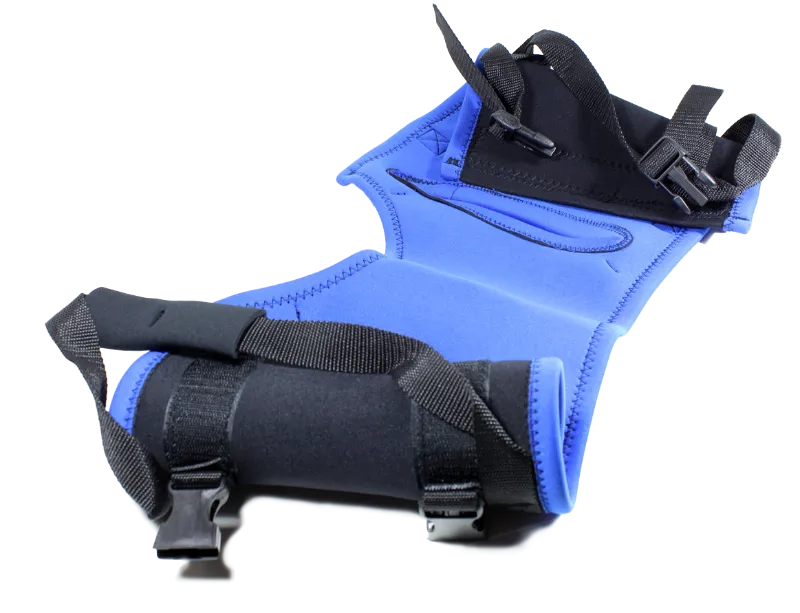
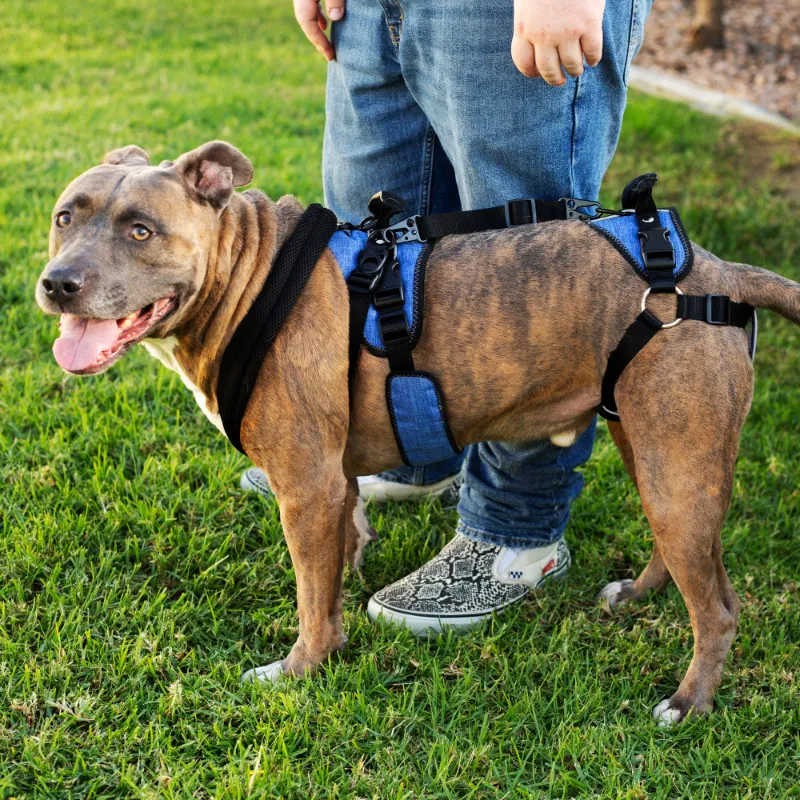
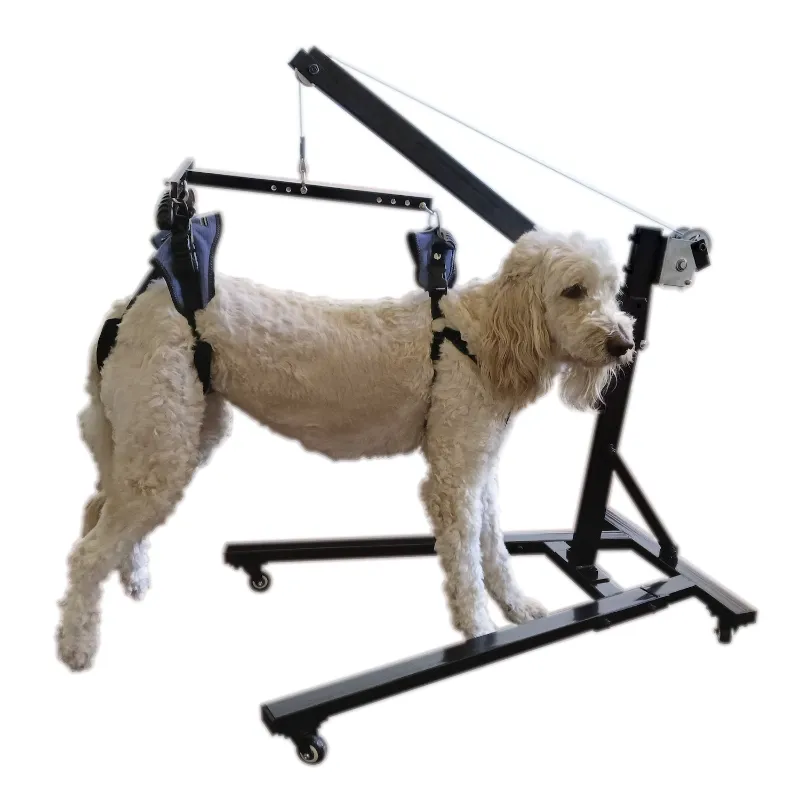
The Best Friend Mobility rear helping harness wraps around the hind end and gives the handler a lifting point, so a dog with partial hind-leg function can move with some of its own weight taken off the joints. It suits dogs that still walk on their own but need help with stairs, slippery floors, or getting up from lying down.
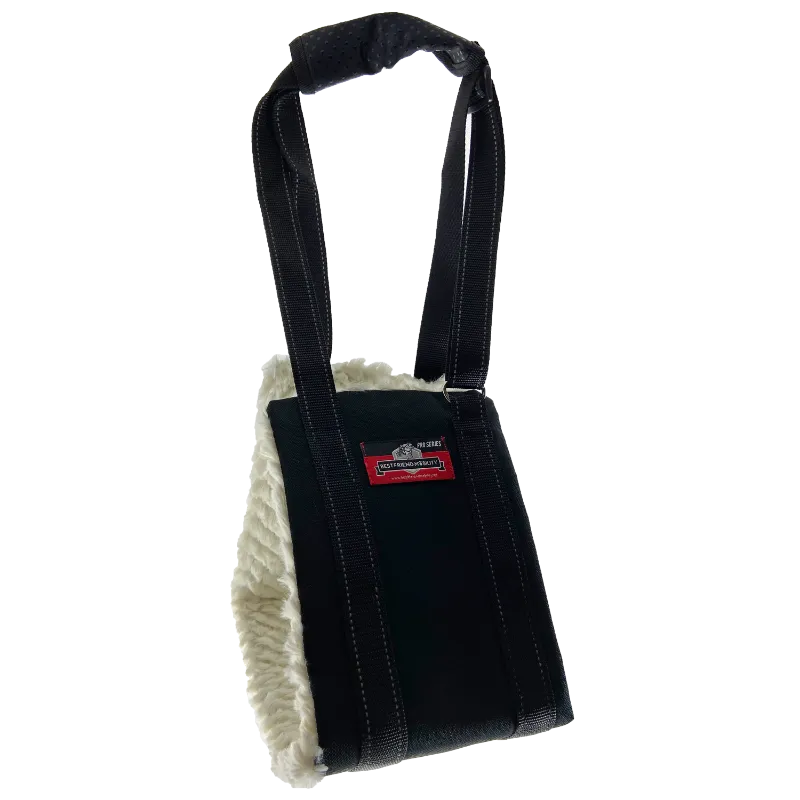
The Best Friend Mobility UpDog hind leg support sling lifting harness and the dog sling for back legs work on the same idea with a simpler design. A basic sling is easier to put on for short-term use, such as recovery from surgery, but it gives the handler less control than a harness with a padded chest strap and a fixed handle.
A rear-only harness does not help a dog with front-leg weakness. For that, Best Friend Mobility also sells a full body dog harness that adds front support to the same rear lifting design.
How a dog wheelchair works
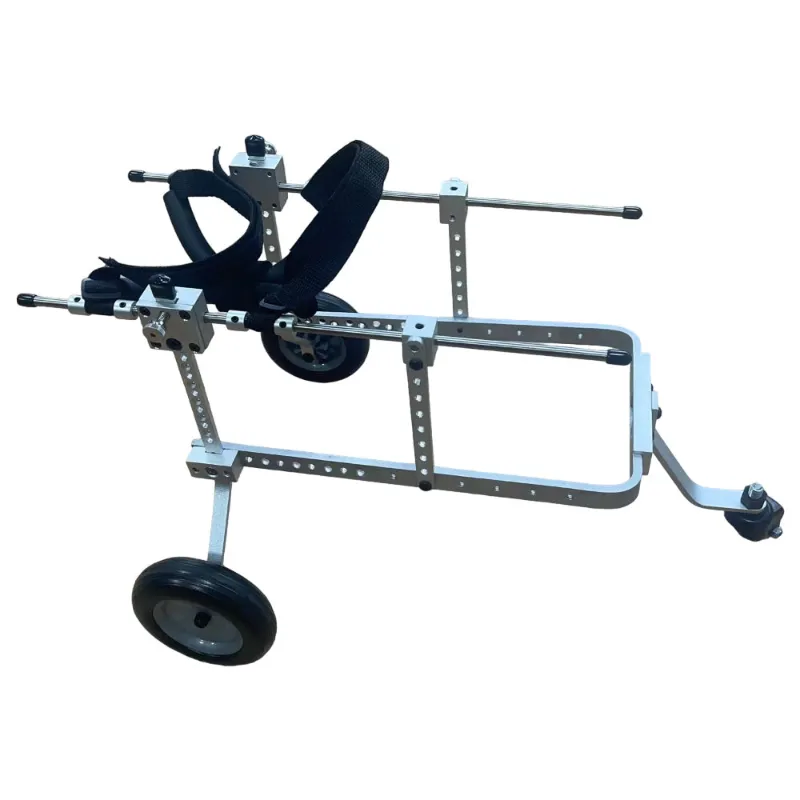
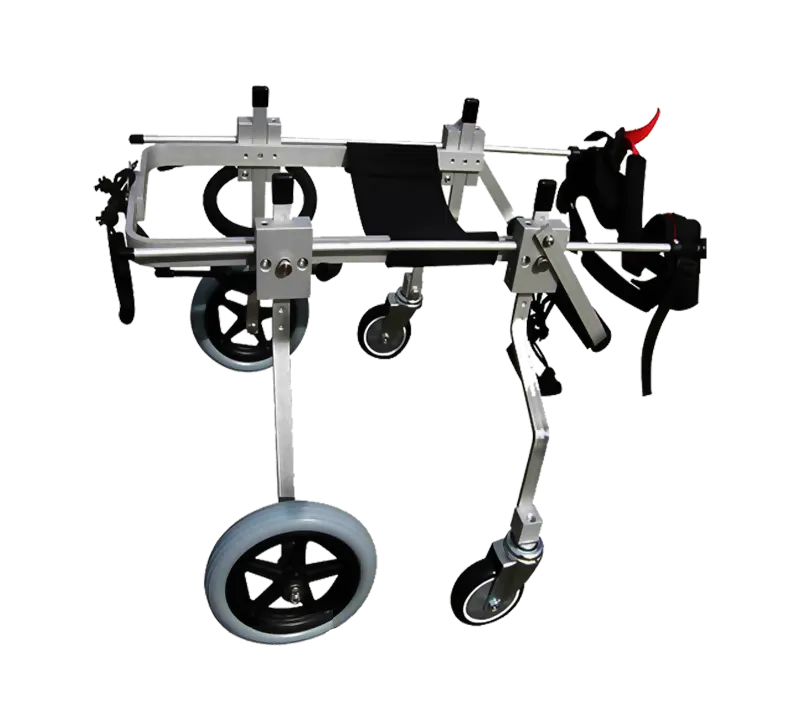
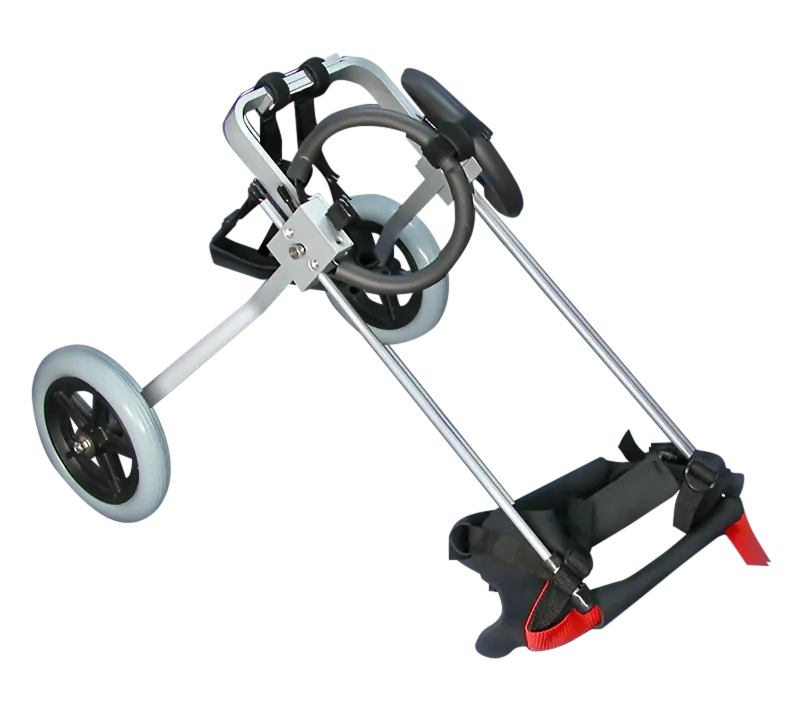
A dog wheelchair holds the hind end up on a wheeled frame while the dog walks with its front legs, so it suits dogs with more complete hind-leg paralysis, degenerative myelopathy in its later stages, or dogs that fatigue quickly even with harness support. The SitGo rear support dog wheelchair and the doggy wheelchair both follow this rear-support design.
Introducing a wheelchair gradually, in short indoor sessions before longer outdoor use, is the approach most rehabilitation guidance recommends, since it gives a dog time to learn how the frame moves with it rather than against it.
What to look for before you buy
- Stitching at stress points. Look for reinforced or bar-tacked stitching where straps take the most load.
- Adjustability. Straps and frame width should adjust enough to fit your dog now and as their condition changes.
- Frame material. Check the product listing for the frame material and weight, since that affects how easy the wheelchair is to carry and store.
- Padding at contact points. Padding reduces the chance of chafing or pressure sores where straps meet skin.
- Replacement parts. Best Friend Mobility sells straps, buckles, and wheels separately, which matters if one part wears out before the rest of the unit does.
Sizing and fit
Fit is what decides whether a harness helps or hurts. Measure your dog’s girth (around the ribcage behind the front legs) and length (base of neck to base of tail) before you order, and check those measurements against the size chart on the product page rather than guessing from your dog’s weight alone.
- A properly fastened harness should allow a couple of fingers of slack, not a tight or a loose fit
- Rear leg openings should not press into the inner thigh
- The chest strap should sit flat and not ride up into the neck
- A lifting handle should sit roughly over the dog’s center of gravity
For a wheelchair, measure hind-leg length from the hip joint to the paw pad, and check the manufacturer’s sizing chart for where the wheels should sit relative to the hips. If your dog is between sizes, sizing up is usually the safer choice, but confirm with Best Friend Mobility’s own guidance before you order.
Terrain and daily use
Smooth indoor floors and level outdoor ground are the easiest conditions for both a harness and a wheelchair. Gravel, mulch, and other loose surfaces are harder on a wheelchair specifically, because small debris can catch in the wheels, so check the product listing for wheel size and clearance if rough terrain is part of your daily route. A harness does not have this problem, since it does not roll, but it asks more of a dog’s own leg strength on uneven ground.
Wider turning space indoors helps with a wheelchair, and you may need to adjust furniture so your dog has clear paths to move through the house.
Care and maintenance
- Inspect stitching, buckles, and adjustment points regularly for wear
- Hand wash harnesses in cold water and air dry, unless the care label says a machine wash is fine
- Wipe down wheelchair frames after outdoor use to clear dirt and moisture
- Lubricate wheel axles periodically to keep them turning freely
- Check quick-release pins and bolts for tightness on a regular schedule
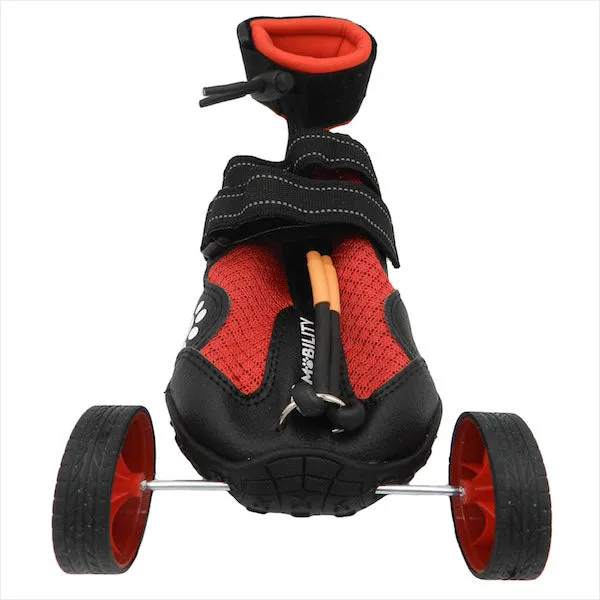
A dog that drags its rear legs will wear through straps and wheel contact points faster than one that bears more of its own weight, so check high-contact areas more often if that describes your dog. Dog skates are one option some owners use alongside a harness to protect paws that drag during partial weight-bearing.
Which Best Friend Mobility product fits which need
| Product | Type | Best for |
|---|---|---|
| Rear helping harness | Support harness | Assisting dogs with rear leg stability |
| UpDog hind leg support sling | Lifting harness | Lifting and supporting dogs with hind leg weakness |
| Dog sling for back legs | Support sling | Helping dogs with back leg mobility issues |
| Full body dog harness | Full body harness | Complete support for dogs with mobility challenges |
| Dog wheelchair | Wheelchair | Dogs with mobility impairments or hind leg weakness |
| SitGo rear support wheelchair | Wheelchair | Dogs needing rear leg support and mobility |
| Doggy wheelchair | Wheelchair | Dogs with leg or mobility disabilities |
| Dog lift | Lift | Assisting dogs with standing and walking |
| Dog skates | Skates | Protecting paws and aiding mobility on smooth surfaces |
Best Friend Mobility also builds its product line around adjustable, modular parts, so a wheelchair or harness that needs a repair does not have to be replaced outright. Before you order, see the current Best Friend Mobility coupon code.
Questions
How long does a Best Friend Mobility harness typically last?
That depends mostly on how often your dog wears it and how well it is cared for, so we cannot give an honest fixed lifespan. Check the stitching and padding regularly, and look at Best Friend Mobility's own warranty or return policy for what it stands behind.
Can I wash the mobility harness in a washing machine?
Hand washing in cold water is generally the safer choice for preserving strap and padding shape. Machine washing can stress stitching at adjustment points, so check the specific care label that comes with your harness.
Which is better for a dog with partial hind leg weakness, a harness or a wheelchair?
A rear support harness generally works better for dogs retaining some hind-leg function, since it lets them move with some natural leg use. A wheelchair suits dogs with more complete paralysis or those who tire quickly even with harness support. Your vet's assessment should be the deciding factor.
Do Best Friend Mobility wheelchairs work on rough outdoor terrain?
Wheelchairs generally handle smooth or packed surfaces better than gravel or mulch, where small debris can catch in the wheels. Check the wheel size and clearance on the product listing if rough terrain is part of your dog's regular route.
How do I know if I need a rear harness or a full body harness?
A rear harness is usually enough if weakness is isolated to the hind legs. A full body harness makes more sense when a dog also shows front-leg weakness or needs support for all four limbs during movement or therapy.
What maintenance do these mobility products need?
Inspect stitching and buckles regularly, hand wash harnesses as needed, wipe down wheelchair frames after outdoor use, and lubricate wheel axles periodically. Check all bolts and pins for tightness on a routine schedule.
Products in this guide
 Shopping at Best Friend Mobility? See the coupon code
10% OFF Sitewide
Shopping at Best Friend Mobility? See the coupon code
10% OFF Sitewide
More in this series
When to Transition From a Support Harness to a Full Dog Wheelchair21 Aug 20266 minHow Long Can a Dog Use a Rear Leg Support Sling Each Day?21 Aug 20265 minDo Dog Lift Harnesses Actually Help Senior Dogs With Mobility Issues?21 Aug 20267 minDog Wheelchair vs Rear Support Harness: Which Is Better for Hind Leg Weakness?21 Aug 20264 minHow to Choose the Right Dog Wheelchair for Your Pet’s Mobility Needs21 Aug 20265 min