 A DORSAL guide
Why Surfers Wear Long Sleeve Tees, and How to Pick Surf Wear That Lasts
Quality surf wear long sleeve tees protect your skin while staying durable through repeated wax, salt, and sun exposure.
Surfers wear long sleeve tees to keep sun off their arms and shoulders, to stop a waxed board from rubbing their skin, and to stay a little warmer between waves or after a session. The right surf wear long sleeve tee is made from a fabric that dries fast, holds its shape in salt water and does not fade quickly in strong sun. Below we explain what separates surf wear from an ordinary tee, what to check before you buy, and how to make one last.
What makes surf wear long sleeve tees different
An ordinary cotton tee soaks up water, gets heavy and takes a long time to dry. Salt, sand and sun also break cotton down faster than most people expect. Surf wear long sleeve tees and rashguards are usually cut from synthetic fabrics such as nylon or polyester, often with spandex for stretch. These fibers hold less water, dry faster and keep their shape after being soaked and stretched over and over.
Construction matters as much as fabric. Flat-lock seams lie flat against the skin, so they are less likely to rub your chest, shoulders and underarms while you paddle. A snug but not tight fit keeps the shirt from riding up or filling with water. Not every long sleeve tee sold by a surf brand is meant for the water, though. Some are everyday shirts for the beach and the drive home, so read the product description before you plan to paddle out in one.
Why surfers cover up before and after a session
Time on the beach adds up. Waxing a board, checking the waves, and sitting around after a session all happen in full sun, often with wet skin and wind. A long sleeve layer covers the arms without the bulk of a jacket. This is the same reason many surfers use changing robes: they want something quick to throw on that keeps them covered and warm while they get changed in a car park.
A long sleeve tee will not replace a robe for changing, and it will not replace a wetsuit in cold water. What it does well is give you a light layer for sun and wind that you can wear all day, in and out of the water, depending on the fabric.
Fabrics and features to look for
| Feature | What to look for | Why it matters |
|---|---|---|
| Fabric | Nylon, polyester, spandex blends for the water; cotton only for land | Synthetics dry faster and hold shape when wet |
| Seams | Flat-lock or bonded | Less rubbing on long paddles |
| Sun protection | A stated UPF rating on the label | Tells you the fabric was rated for UV, not just assumed |
| Fit | Snug body, sleeves to the wrist | Less drag and no riding up |
| Care label | Cold wash, air dry | Heat is the main cause of shrinking and loose elastic |
If a listing does not state a UPF rating, do not assume the shirt is rated for sun protection. A tightly woven fabric blocks more light than a thin loose one, but a rating on the label is the only way to know what you are getting.
Care and maintenance extend lifespan
Salt and sand keep working on fabric after you leave the water, so the most useful habit is a fresh water rinse straight after each session. Then:
- Machine wash in cold water with a mild detergent.
- Skip fabric softener, which can coat synthetic fibers and hold odor.
- Air dry flat or on a hanger, out of direct sun if you can.
- Keep it out of the dryer, since heat shrinks the fabric and weakens elastic.
Store the shirt fully dry. A damp tee left in a bag or car boot is the quickest route to mildew and a smell that will not wash out.
Fit and sizing for all body types
Surf tees come in fitted and relaxed cuts. Fitted versions sit close to the body, which reduces drag and chafing in the water. Relaxed versions are more comfortable on land and leave room for layering. If you plan to wear the tee over a wetsuit or another layer, consider sizing up, and always check the brand’s own size chart, because sizes vary between labels.
The sleeves should reach your wrist without bunching, and the hem should sit past your hips so it does not ride up when you paddle. A shirt that is too tight limits your reach, and one that is too loose flaps and drags.
Who should choose a quality long sleeve tee
Surfers who go out often, or who surf in strong sun, get the most from a well made surf tee. Beginners tend to spend more time sitting and paddling than riding, so arm and shoulder cover helps them too. Travelling surfers like fast drying shirts because they can rinse one at night and wear it again in the morning.
If you only surf a few times a year in cool water under a full wetsuit, a long sleeve tee is a nice extra rather than a must. Spend on a good wetsuit first.
What Dorsal offers
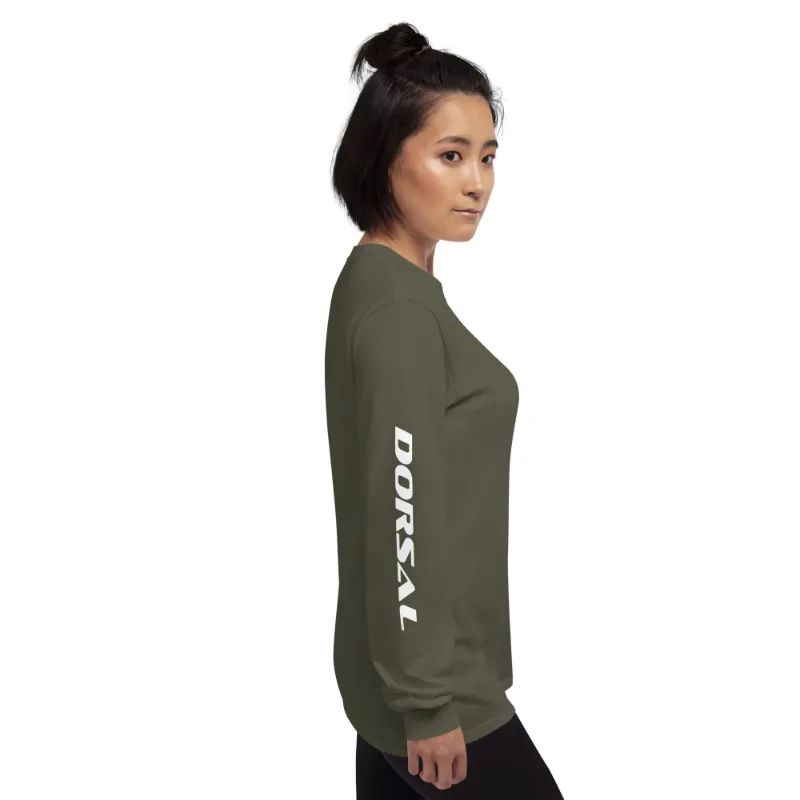
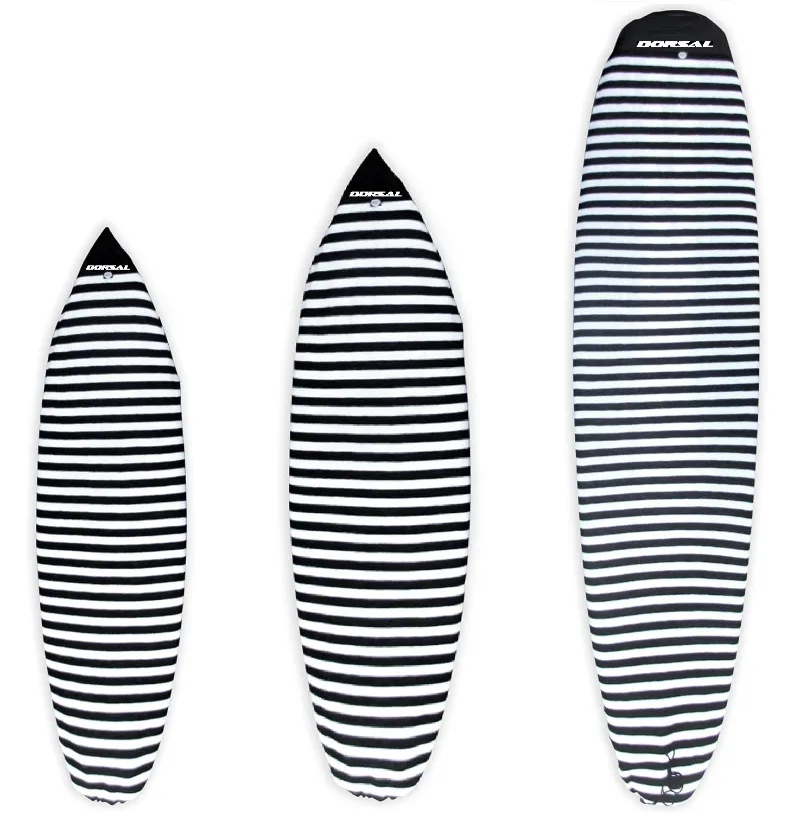
Dorsal sells an everyday long sleeve surf shirt for beach days and casual wear, along with gear for the board itself. A traction pad gives your back foot grip on the tail, and a surfboard sock protects the board from dings and sun while it is stored or carried. Check each product page for fabric and sizing before you order. For savings on your order, see the current Dorsal discount code.
Questions
Why do surfers wear long sleeve tees?
Mainly for sun protection on the arms and shoulders, to stop a waxed board rubbing the skin, and for a light layer against wind between sessions. Surf versions use fast drying fabrics that hold their shape when wet.
Can I wear a long sleeve tee in warm water?
Yes, if it is made for the water. Look for a light synthetic fabric that dries quickly and, for sun protection, a stated UPF rating. A cotton tee gets heavy and slow to dry once soaked.
What fabric should I look for in quality surf wear?
Nylon, polyester and spandex blends suit the water because they dry fast, resist fading and keep their shape. Keep cotton tees for land.
Do I need to rinse my long sleeve tee after every session?
Yes. A fresh water rinse removes salt and sand that keep wearing the fibers. Then wash in cold water with mild detergent and air dry.
How do I choose between fitted and relaxed fit long sleeve tees?
Fitted cuts reduce drag and chafing in the water. Relaxed cuts are more comfortable on land and leave room for layers. Check the brand's size chart and size up if you will wear it over another layer.
Products in this guide
Shopping at DORSAL? See the discount code
25% OFF Sitewide
More in this series
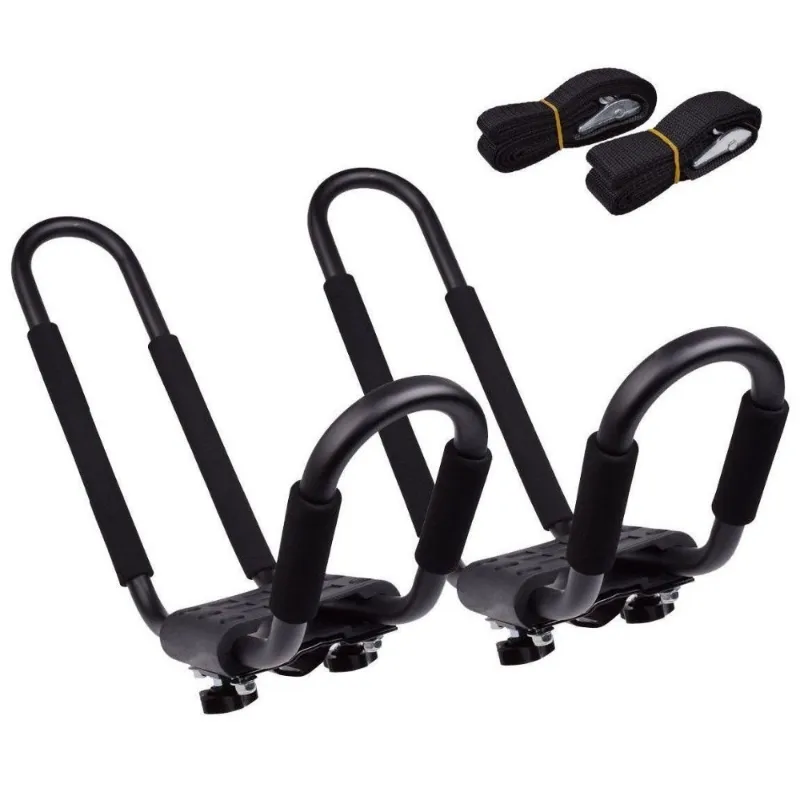 Kayak Rack vs. Bike Carrier: Choosing the Right Dorsal Aluminum Roof Mount for Your Vehicle8 Sep 20264 min
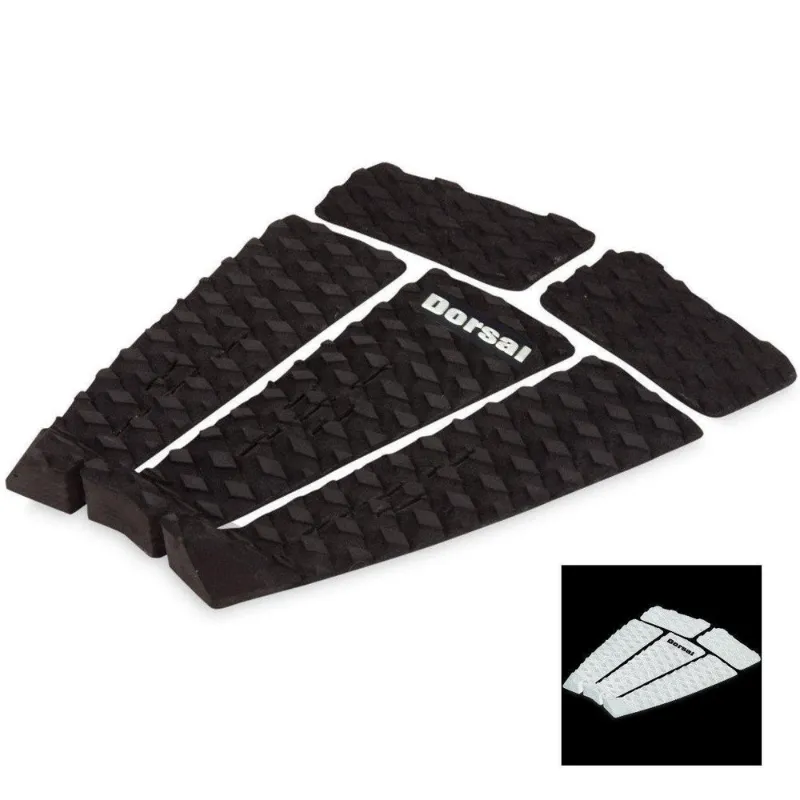 Do You Really Need a Traction Pad on Your Surfboard? What Surfers Actually Notice8 Sep 20264 min
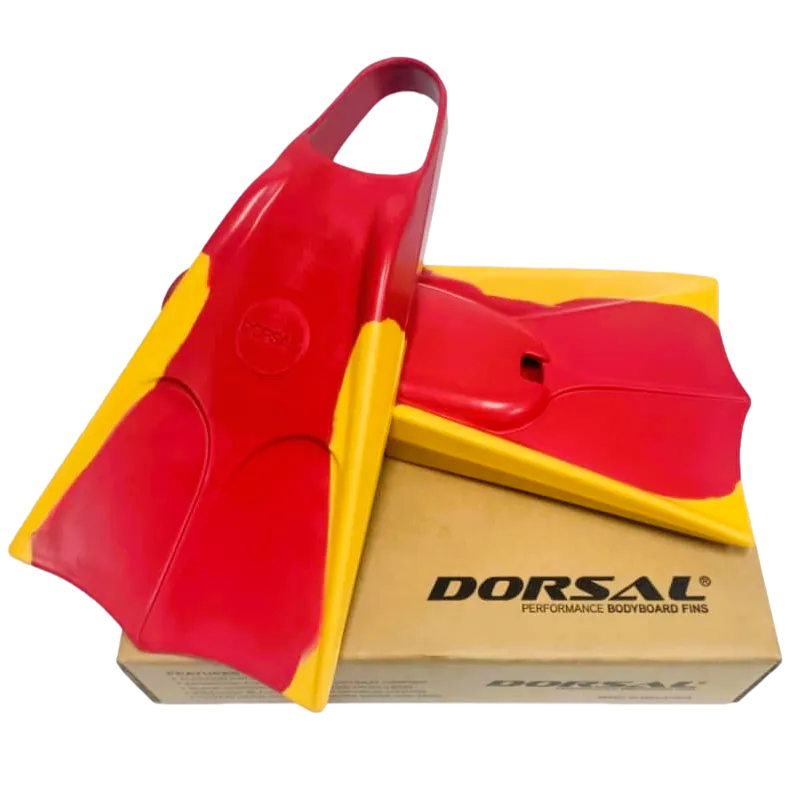 Best Swim Fins for Lifeguards: Dorsal Floating Swim Fins Performance Review8 Sep 20263 min
 How to Keep Your Surfboard Protected: Surfboard Socks vs. Board Straps vs. Tie Down Straps8 Sep 20265 min