 A DORSAL guide
How to Keep Your Surfboard Protected: Surfboard Socks vs. Board Straps vs. Tie Down Straps
Surfboard tie down straps, socks, and board straps each protect your board differently depending on how you transport it.
Surfboard tie down straps, socks, and board straps each protect your board differently depending on how you transport it. Choosing the right method depends on your vehicle type, travel distance, and how often you hit the water.
Surfboard Tie Down Straps vs. Board Socks: The Core Difference
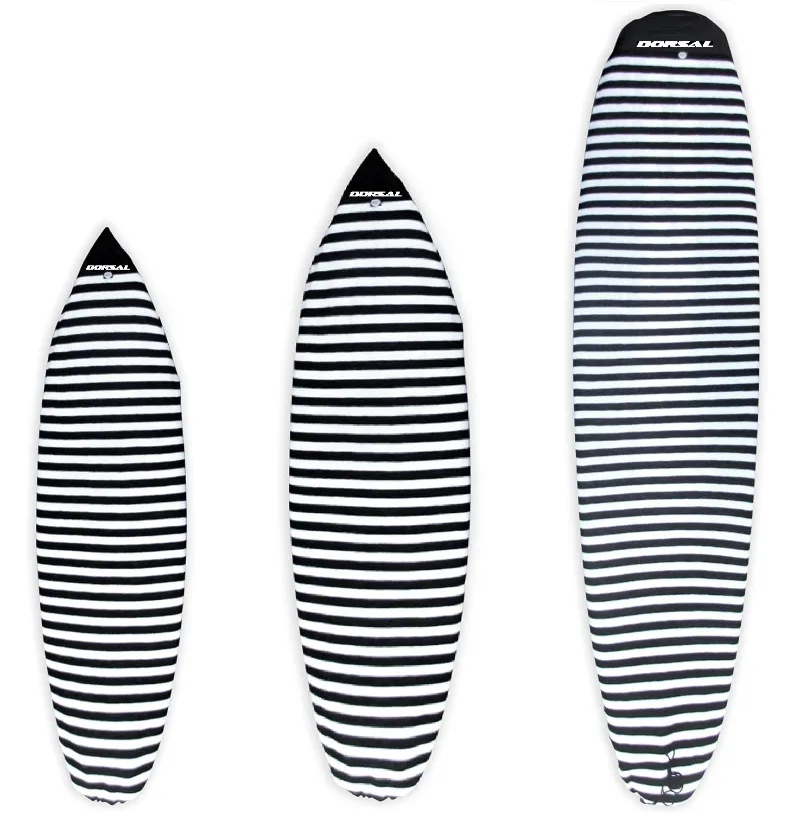
Surfboard tie down straps and board socks serve different purposes. Straps secure your board to your vehicle’s roof rack or truck bed during transport, preventing movement and damage from wind and road vibration. A surfboard sock wraps around your board for cushioning and UV protection, but doesn’t hold it in place.
Think of it this way: a sock protects your board from scratches, sun damage, and minor impacts while sitting in storage or traveling short distances. Tie down straps are your security system on the road, preventing your board from sliding, tilting, or becoming a highway hazard. Most surfers use both when traveling long distances or in rough conditions.
Types of Tie Down Systems for Your Setup
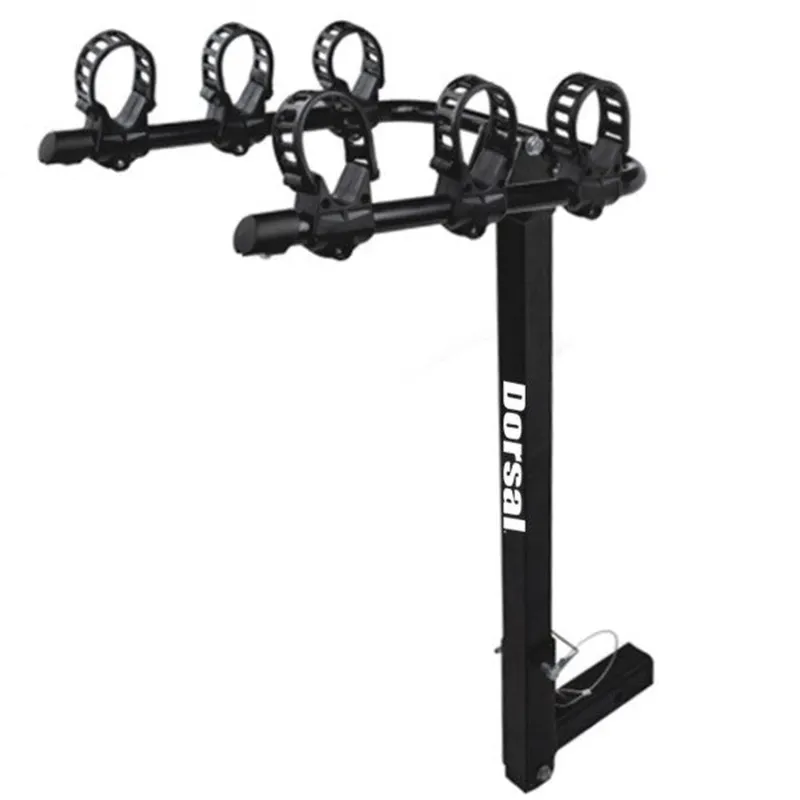
Different rigs need different strap configurations. If you’re running an aluminum bike carrier or dorsal kayak rack set, you’ll want straps rated for roof load and designed for that specific carrier style. Truck bed transport requires straps with wider footprint and bed-mounted tie points. Car roof racks typically use thinner, more compact systems.
- Roof rack straps: Designed for factory or aftermarket roof systems. Look for ones with padded contact points to avoid rail scratches.
- Truck bed straps: Anchor to bed rails or tie-down loops. Wider straps distribute weight and reduce pressure points.
- Universal cam-buckle straps: Work across multiple vehicle types but require proper anchor points.
- Ratchet-style straps: Offer maximum security with mechanical tension adjustment. Heavier but more reliable for long hauls.
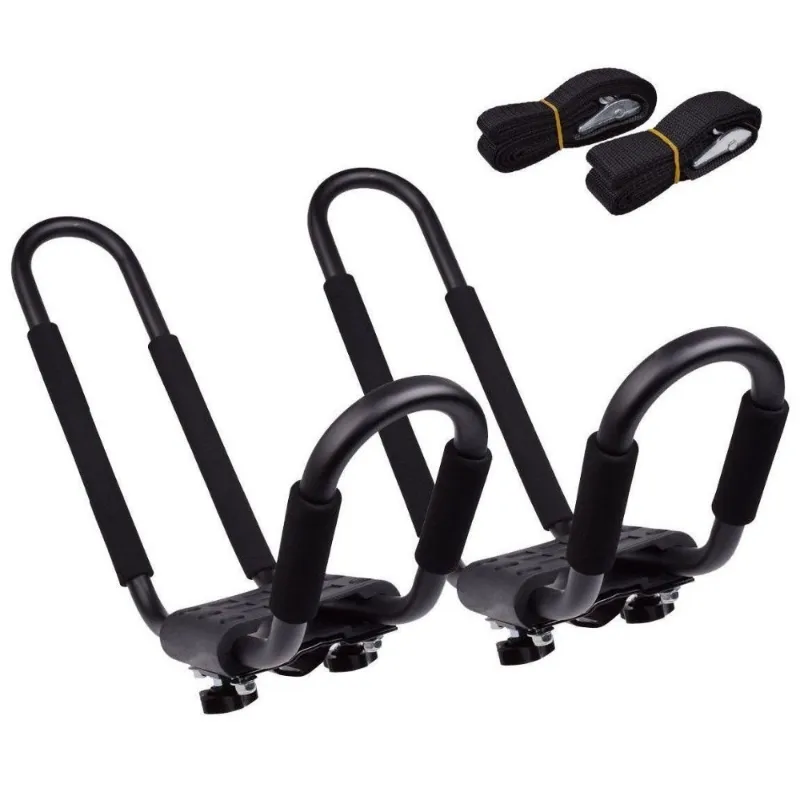
The dorsal kayak rack set integrates tie-down points built into its frame, simplifying the setup for overhead carriers. If you’re planning to upgrade your transport system, factoring in compatible straps early saves frustration later.
Board Sock Protection: When It Matters Most
A surfboard sock isn’t a substitute for tie-down straps, but it’s a smart layer of defense. Board socks shield your deck and rails from UV rays, dust, and minor scuffs during storage or short trips around town. They’re lightweight, packable, and cost less than most strap systems.
Socks shine if you store your board indoors between sessions or transport it short distances. They add minimal weight, so they pair well with any tie-down system without increasing your vehicle’s load. For surfers who travel with multiple boards or want to stack them safely in a van, socks prevent rail-on-rail contact damage.
Quality matters here. A thicker neoprene or nylon sock absorbs more impact than thin fabric. Most fit boards 5’6″ to 6’6″, so measure your quiver before buying. Surfboard socks from DORSAL come padded and sized for standard shortboards and funboards.
Straps for Trucks vs. Straps for Cars
Your vehicle type determines strap geometry and anchor strategy. Truck beds offer multiple tie points and flat space, making them forgiving for strap placement. Cars rely on roof rails, gutter-mounted systems, or cross bars, which demand precision and secure clamping.
Surfboard straps for truck bed transport distribute load across the cargo area and usually feature ratchet or velcro closures. They’re wider and longer to span the bed without over-tightening any single point. Truck straps tolerate more DIY positioning because the bed gives you redundant anchor options.
Car-mounted tie down straps work best with factory or aftermarket roof systems. The aluminum bike carrier serves as a stable platform, but your straps must have rubberized contact pads to grip without slipping or scratching the finish. Thule Express and similar name-brand systems excel here because they’re engineered for specific rack types. Check compatibility before buying unfamiliar brands.
Wind, road vibration, and sun exposure hit harder on longer trips. For multi-hour drives, a combination approach (socks for protection plus quality straps for security) outperforms either alone.
Materials That Last: What Your Straps and Socks Should Be Made From
Durable straps and socks handle repeated use, salt, sun, and storage. Look for nylon webbing or polyester straps with reinforced stitching. Cheap straps fray, slip, and fail when you need them most. Look for straps with rubberized or neoprene-coated contact points because they grip without scratching your rack or board.
Board socks made from neoprene, padded nylon, or closed-cell foam offer the best UV and impact protection. Thin fabric socks cheapen the cost but compromise protection. Seams should be cleanly finished and thread should resist salt corrosion.
Velcro and cam-buckle closures outperform knots for ease and consistency. Velcro degrades faster in saltwater environments, so rinse after beach trips. Ratchet buckles stay secure longer but add weight and bulk. For everyday use and frequent travel, reinforced velcro straps strike the best balance.
Sizing Your Strap System and Checking Compatibility
Before buying, measure your board length, your vehicle’s roof width or truck bed dimensions, and the distance between anchor points. Most universal tie down straps work boards 5’0″ to 7’0″ but may not fit narrow van roofs or extra-wide truck beds.
If you run an aluminum bike carrier or specialty rack, verify that your chosen straps are rated for that system. Some racks require specific strap widths to avoid slipping or causing pressure damage to the frame. DORSAL’s strap kits often include sizing guides and compatibility notes, check those before checkout.
Your board also matters. Wider boards (soft tops, mid-lengths, volume boards) take up more roof space and shift the load differently than narrow high-performance boards. Oversizing your strap length by a few inches gives you adjustment flexibility.
When Board Socks, Straps, and Racks Work Together
The best protection combines all three layers. A quality surfboard sock protects your board’s finish. Surfboard tie down straps secure it to your vehicle safely. A solid dorsal kayak rack set or roof system distributes the load and prevents sideways movement.
For frequent travelers, this trio is non-negotiable. Overnight trips, multi-day sessions, and variable weather all benefit from redundant protection. Your board is your equipment and sometimes your only link to the water, secure transport adds years to its life and peace of mind to your drive.
Grab current pricing and check for available offers at DORSAL’s discount code page. A 25% discount sitewide makes straps, socks, and racks even more affordable.
Who Should Invest in Which Protection Method
Casual beach-goers (fewer than once a month) can start with a basic surfboard sock and simple velcro straps. Budget-conscious protection that covers the essentials without excess gear.
Regular surfers (weekly sessions) should invest in quality tie down straps and a board sock. You’re on the road frequently enough that security and durability matter. Wind and sun exposure add up fast.
Multi-board households and road trippers need the full arsenal: surfboard socks for each board, robust ratchet or cam-buckle straps, and a proven rack system like the dorsal kayak rack set. The redundancy prevents one failure from ruining a session or damaging multiple boards.
Traveling surfers heading to unfamiliar breaks should verify strap compatibility with their rental vehicle before arriving. Many car rentals have roof systems, but not all are designed for overhead loads. Universal straps with multiple anchor options solve this problem.
Check the latest price and grab the code to lock in savings on everything you need to secure your next adventure.
Products in this guide
 Shopping at DORSAL? See the discount code
25% OFF Sitewide
Shopping at DORSAL? See the discount code
25% OFF Sitewide
More in this series
 Why Surfers Wear Long Sleeve Tees, and How to Pick Surf Wear That Lasts8 Sep 20264 minKayak Rack vs. Bike Carrier: Choosing the Right Dorsal Aluminum Roof Mount for Your Vehicle8 Sep 20264 min
 Do You Really Need a Traction Pad on Your Surfboard? What Surfers Actually Notice8 Sep 20264 minBest Swim Fins for Lifeguards: Dorsal Floating Swim Fins Performance Review8 Sep 20263 min