 A DORSAL guide
Kayak Rack vs. Bike Carrier: Choosing the Right Dorsal Aluminum Roof Mount for Your Vehicle
An aluminum bike carrier and kayak rack serve different purposes, but Dorsal's roof mount solutions handle both with versatility and durability.
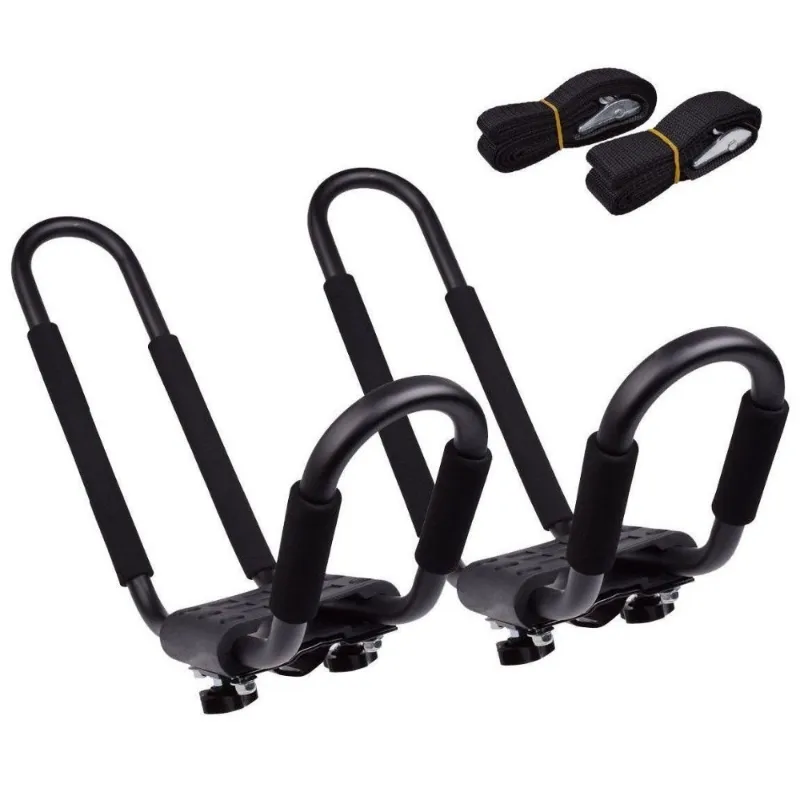
An aluminum bike carrier and a kayak rack solve different transport problems, though both mount to your roof or hitch. We’ll walk you through when to choose each one, what makes an aluminum bike carrier the right fit for cyclists, and how the dorsal kayak rack set compares for water sports gear.
Aluminum Bike Carrier vs. Kayak Rack: Core Differences
An aluminum bike carrier is built to hold bicycles securely during highway speeds. A kayak rack is engineered for heavier, longer cargo that needs side-to-side stability. The key difference is weight capacity, attachment method, and how your gear sits on the roof.
Most aluminum bike carrier designs use fork or frame clamps. Kayak racks use padded crossbars or cradles. An aluminum bike carrier typically carries 2-4 bikes up to 60 lbs combined. Kayak racks hold 100+ lbs and spread the load across a wider footprint. If you’re hauling bikes most weekends and kayaks once a season, an aluminum bike carrier is the smarter choice. If you split your time equally, a dual-purpose rack saves money and roof space.
When to Choose an Aluminum Bike Carrier
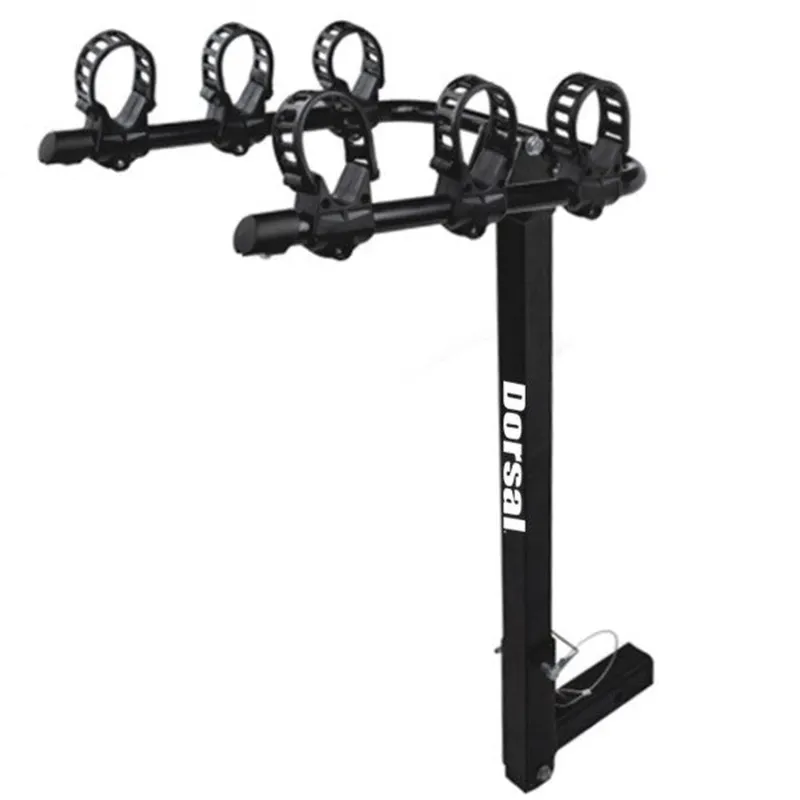
An aluminum bike carrier makes sense if you transport bikes weekly, travel light, and want quick access to adjust or remove bikes. The aluminum bike carrier from Dorsal offers tool-free setup and a low-profile design that doesn’t trap dirt or water like some cage-style carriers.
Choose an aluminum bike carrier if:
- You carry 2-3 bikes regularly
- Bikes under 60 lbs is your typical load
- You want fast on-and-off installation
- Highway noise and wind resistance concern you
- You need to access your roof rack often
An aluminum construction means it won’t rust or degrade in saltwater or rain. That matters for coastal riders or anyone in humid climates. Aluminum also weighs less than steel, so your vehicle fuel economy takes a smaller hit.
When the Dorsal Kayak Rack Set Is the Better Investment
The dorsal kayak rack set opens up transport options beyond just kayaks. You can strap surfboards, SUP boards, or roof boxes to it. Kayak racks handle heavier, bulkier cargo and distribute weight more evenly across your roof. If you haul multiple bikes plus other gear, the kayak rack’s crossbar design absorbs vibration better on rough roads.
Choose a kayak rack if:
- You transport gear over 60 lbs
- Cargo length exceeds 4 feet
- You haul kayaks, surfboards, or rooftop boxes
- Wind noise at highway speeds bothers you
- You want one system for multiple sport types
A padded kayak rack also protects expensive boards from scratches. An aluminum bike carrier, while durable, offers less cushioning for high-value watercraft.
Aluminum Bike Carrier Features to Compare
When shopping for an aluminum bike carrier, pay attention to these specs:
| Feature | Lightweight Aluminum | Heavy-Duty Aluminum |
|---|---|---|
| Weight Capacity | 40-50 lbs | 60-75 lbs |
| Bike Compatibility | Road and hybrid | Mountain, road, hybrid |
| Aerodynamics | Sleek, low noise | Bulkier, more drag |
| Price Range | Budget-friendly | Mid to premium |
| Setup Time | 5-10 minutes | 10-15 minutes |
Look for rubber pads or foam grips wherever bikes contact the carrier. These protect your frame and wheels. Check that clamps adjust to different fork diameters and frame sizes. Test the locking mechanism if security matters to you. An aluminum bike carrier with cable locks or integrated security is worth the extra investment if you stop at rest areas.
Roof Mount Installation: What to Know
Both an aluminum bike carrier and kayak rack need proper roof rails. Most modern vehicles come with factory rails, but check your owner’s manual first. Rails must be rated for at least 150 lbs. If your car lacks rails, add an aftermarket roof bar system before buying either rack.
Installation takes 15-20 minutes once rails are in place. Torque clamps to spec (usually 25-35 ft-lbs) to prevent shifting. Never over-tighten; you can crack plastic trim. Test the rack at low speeds before highway drives to confirm everything is stable.
Comparing Hitch-Mount Alternatives
If a roof mount feels risky or bulky, hitch-mount options exist. A hitch bike rack 2 bikes sits lower and is easier to load than roof-mounted gear. Hitch racks don’t block roof space for other cargo. However, they can obstruct rear visibility and make backing up trickier.
Hitch bike rack options are ideal if your vehicle already has a Class II or III hitch receiver. They’re faster to remove than roof racks. The trade-off: they’re more exposed to road salt, dirt, and UV damage, so maintenance matters more.
For independent reviews comparing aluminum bike carriers with other styles, check The Best Bike Racks of 2026 | Tested & Ranked and Best Hitch-Mount Bike Racks of 2026: 11 Editor-Tested Picks.
Making Your Choice: Bike Carrier or Kayak Rack
An aluminum bike carrier suits daily commuters, weekend cyclists, and anyone moving 2-3 bikes. The aluminum bike carrier is lighter, quieter, and easier to use. Grab the Dorsal brand with 25% OFF sitewide to save on your order.
A kayak rack works better if you haul oversized or heavier cargo, switch between sports, or transport more than four bikes at once. The dorsal kayak rack set pays for itself quickly if you’re already paying rental fees for water sports gear.
Still unsure? Ask yourself: Do I carry the same gear (bikes only) most trips, or do I rotate between bikes, boards, and other cargo? If gear changes seasonally, invest in the kayak rack. If it’s bikes every time, the aluminum bike carrier is your move.
Both come with 25% OFF at Dorsal, so now is the time to upgrade your roof hauling setup.
Questions
Can an aluminum bike carrier handle mountain bikes with full suspension?
Yes, most aluminum bike carriers accommodate full-suspension mountain bikes up to 60 lbs. Check the weight limit and fork compatibility before buying. Wider front forks may need adapter clamps, which some carriers include.
Is an aluminum bike carrier quieter than a kayak rack at highway speeds?
Generally yes. Aluminum bike carriers have a narrower profile and lower aerodynamic drag, so they produce less wind noise. Kayak racks are bulkier and create more sound over 50 mph, though foam padding helps dampen vibration.
How do I prevent rust on an aluminum bike carrier in coastal areas?
Aluminum naturally resists rust, but salt spray can corrode clamps and fasteners. Rinse with fresh water after coastal trips and apply a thin coat of car wax to metal components every few months.
Can I use the dorsal kayak rack set for bike transport?
Not ideally. Kayak racks use wide crossbars designed for boards, not bike-specific clamps. You can strap bikes down with straps or rope, but it's less secure and slower than using a dedicated aluminum bike carrier.
What's the weight difference between an aluminum bike carrier and a kayak rack?
Aluminum bike carriers typically weigh 15-25 lbs. Kayak racks with full mounting hardware weigh 30-50 lbs. The lighter aluminum bike carrier means less impact on your vehicle's fuel economy.
Do I need existing roof rails to install an aluminum bike carrier?
Yes. Both aluminum bike carriers and kayak racks require factory roof rails or aftermarket crossbars rated for at least 150 lbs. Check your vehicle's manual to confirm your setup is compatible.
Products in this guide
Shopping at DORSAL? See the discount code
25% OFF Sitewide
More in this series
 Why Surfers Wear Long Sleeve Tees, and How to Pick Surf Wear That Lasts8 Sep 20264 min
 Do You Really Need a Traction Pad on Your Surfboard? What Surfers Actually Notice8 Sep 20264 min
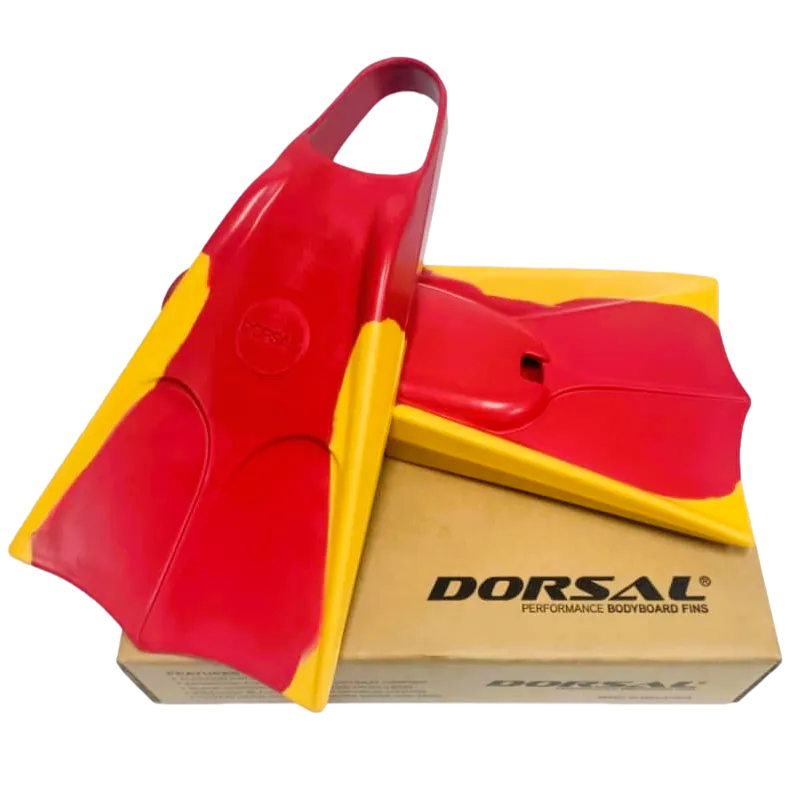 Best Swim Fins for Lifeguards: Dorsal Floating Swim Fins Performance Review8 Sep 20263 min
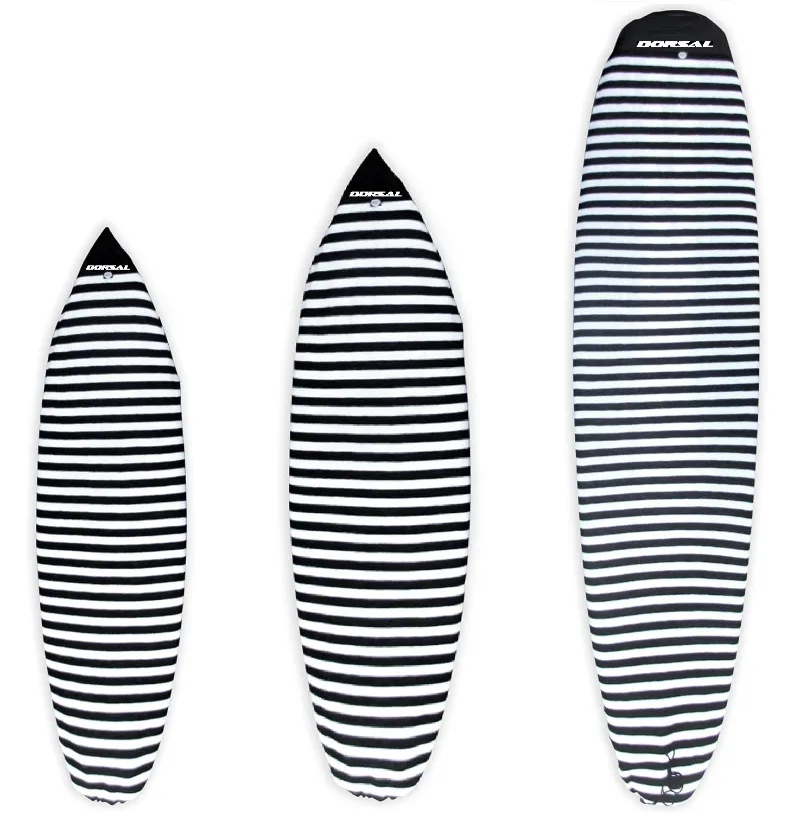 How to Keep Your Surfboard Protected: Surfboard Socks vs. Board Straps vs. Tie Down Straps8 Sep 20265 min