 A DORSAL guide
Best Swim Fins for Lifeguards: Dorsal Floating Swim Fins Performance Review
Dorsal lifeguard floating swim fins combine buoyancy, speed, and durability to keep lifeguards responsive in rescue situations.
Dorsal lifeguard floating swim fins are built to keep you moving fast and stay afloat even when you’re not kicking, a critical advantage in rescue work.
Why Lifeguards Need Dorsal Floating Swim Fins
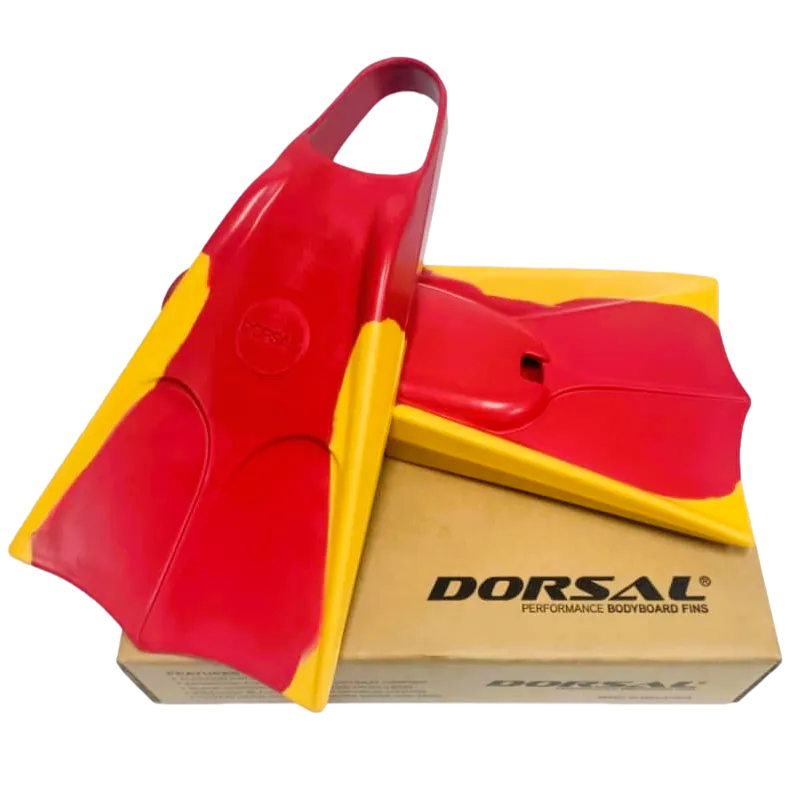
Lifeguards face unique demands. You need to cover water quickly, maintain stability in currents, and stay ready to pivot or stop on a dime. The dorsal lifeguard floating swim fins address these needs with a design that emphasizes buoyancy and propulsion together.
Unlike general swim fins, lifeguard-grade options prioritize:
- Positive flotation that keeps the blade up when you’re not actively swimming
- Quick response times for directional changes
- Comfort during extended wear without rubbing or blistering
- Reliable traction and control in rescue scenarios
The floating design matters more than most swimmers realize. If you go down to help someone, your fins stay near the surface instead of sinking, making them easier to manage in an emergency.
How Dorsal Lifeguard Fins Compare to Other Swim Options
If you’re evaluating fins, you’ll see options across water sports. Here’s how the dorsal lifeguard floating swim fins stack up:
| Feature | Dorsal Lifeguard Fins | Body Surfing Fins | Bodyboard Flippers |
|---|---|---|---|
| Flotation | Built-in positive float | Minimal | Moderate |
| Blade stiffness | Medium-responsive | Light | Light to medium |
| Rescue-ready | Yes | No | No |
| Extended wear comfort | High | Medium | High |
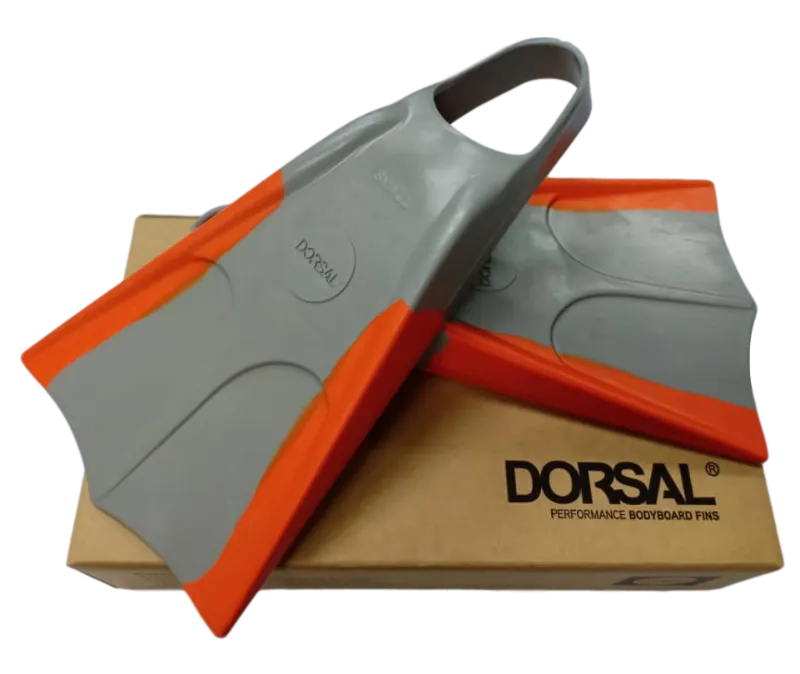
Body surfers often choose body surfing fins for short bursts and maneuverability in waves, but they sacrifice the buoyancy critical in open water rescue. Bodyboard flippers offer comfort for casual swimmers but lack the responsive blade a lifeguard needs in an emergency. The dorsal lifeguard floating swim fins thread that needle: they float, respond quickly, and stay comfortable through a full shift.
Materials and Build Quality
Durability matters when your fins see daily use. Dorsal lifeguard fins use natural gum rubber and reinforced blade construction designed to withstand saltwater, chlorine, and constant kicking without cracking or peeling.
Look for:
- Natural gum rubber uppers and blades (more flexible and resistant to UV than vinyl)
- Reinforced toe pockets that don’t tear from sand or rough surfaces
- Seamless or glued construction at stress points
- Adjustable heel straps that stay secure without pinching
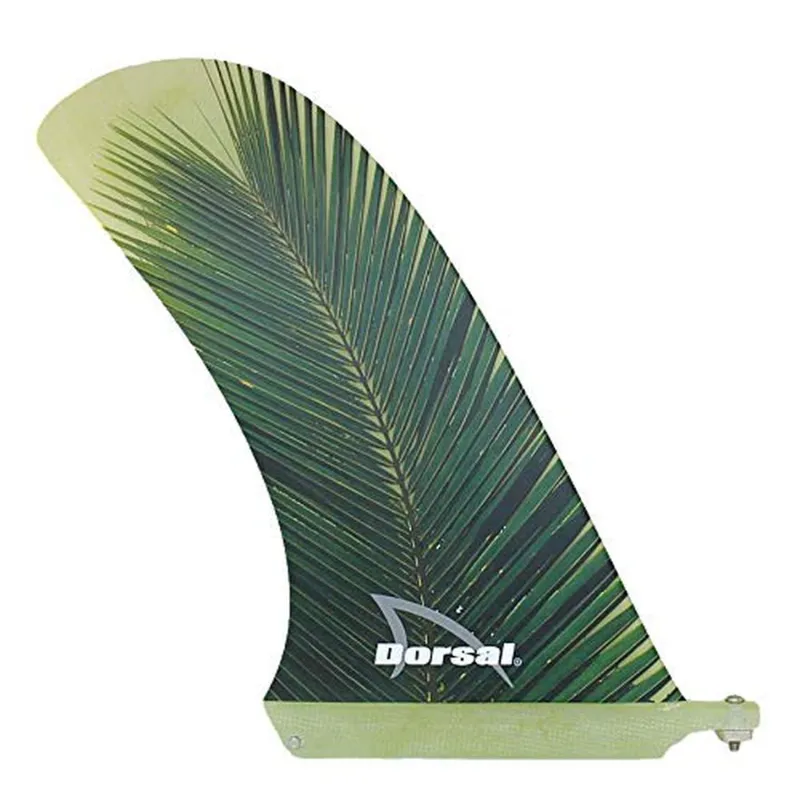
The blade thickness on lifeguard-grade fins sits between surfboard fins (thinner, less responsive) and casual pool fins (thicker, slower). This balance lets you generate power without fighting resistance.
Sizing and Fit for All-Day Comfort
Ill-fitting fins cause blistering and fatigue, and neither helps in a rescue. The dorsal lifeguard floating swim fins come in multiple sizes so your fit stays snug without pressure points.
Measure your shoe size and compare to the size chart on the product page. A good fit should:
- Hold your heel firmly without slipping
- Allow your toes to flex inside the pocket
- Let you walk on dry land without stubbing your feet
- Feel stable the moment you enter water
If you’re between sizes, sizing up prevents blisters; sizing down sacrifices comfort for speed. Most lifeguards prefer comfort, since a blister is a liability in a busy season.
Maintenance and Longevity
Proper care extends fin life and prevents odor and mold. Rinse dorsal lifeguard floating swim fins in fresh water after saltwater use, and dry them in the shade (UV damages rubber). Store them in a breathable bag rather than sealed plastic.
Check the blade and strap monthly for cracks or wear. Sand and broken shells can nick rubber, so inspect after sandy beach days. Most lifeguard fins last 2 to 3 years with regular care.
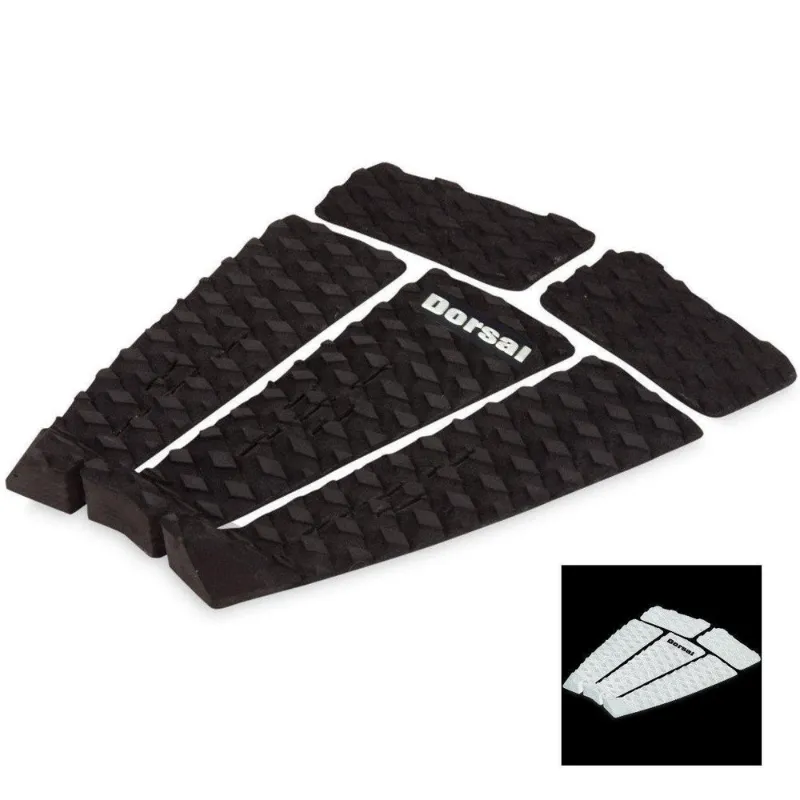
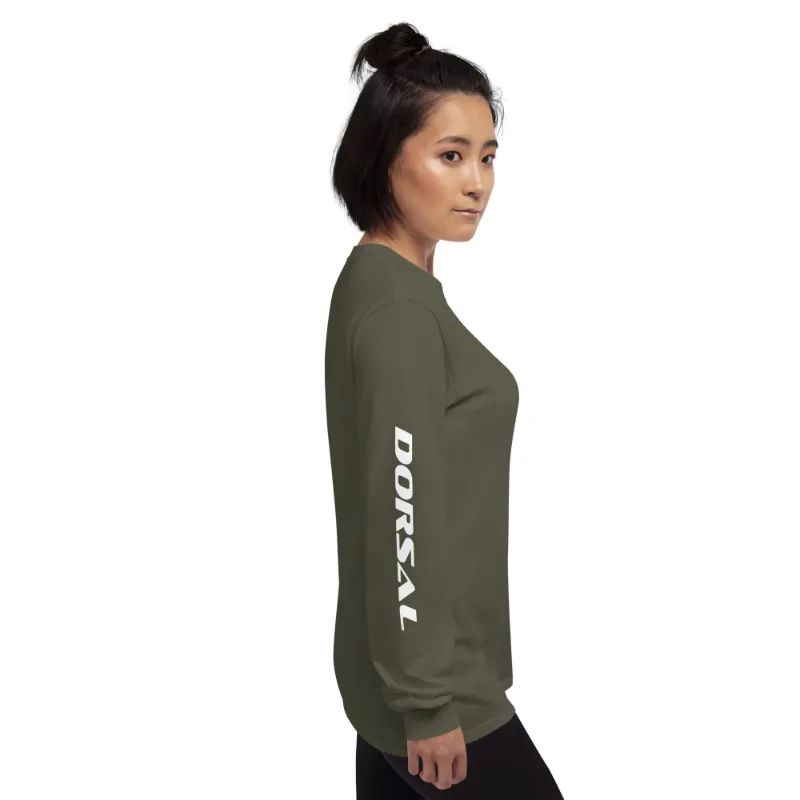
For complementary gear, pair your fins with a surf traction pad or long sleeve tee for extended sun exposure.
Who Should Buy Dorsal Lifeguard Fins
These fins suit:
- Active lifeguards and water rescuers
- Open-water swimmers who prioritize speed
- Divers needing reliable flotation
- Anyone in water sports who values responsive, durable equipment
If you only swim occasionally in a pool or snorkel casually, entry-level fins suffice. But if water safety or open-water work is your job, the dorsal lifeguard floating swim fins are a worthwhile investment.
Ready to upgrade? Grab the code for 25% off sitewide and check the latest price on Dorsal swim fins and other water gear. If you want to learn more about fin design and flotation technology, the floating fin guide offers deeper technical detail.
For additional product options and current availability, check the latest price on Dorsal’s full site.
Questions
What makes dorsal lifeguard floating swim fins different from regular swim fins?
Dorsal lifeguard floating swim fins have built-in positive flotation that keeps the blade up even when not kicking, plus responsive blade design and durable materials for daily rescue work. Regular swim fins prioritize maneuverability over flotation.
Can I use dorsal lifeguard floating swim fins in both saltwater and chlorine pools?
Yes, the natural gum rubber construction resists both saltwater and chlorine damage. Rinse in fresh water after each use to extend the life of the fins.
How do I know what size dorsal lifeguard floating swim fins to buy?
Match your shoe size to the size chart provided with the product. If you're between sizes, size up slightly for all-day comfort to avoid blistering.
How long do dorsal lifeguard floating swim fins typically last?
With proper care and regular rinsing and sun-drying, most lifeguard fins last 2 to 3 years. Inspect the blade and strap monthly for cracks or wear.
Are dorsal lifeguard floating swim fins good for body surfing or bodyboarding?
Lifeguard fins prioritize buoyancy and steady propulsion over the maneuverability needed for wave riding. Body surfers typically prefer lighter fins like body surfing fins or bodyboard flippers for more responsive turns.
Do dorsal lifeguard floating swim fins come with a heel strap?
Yes, they include an adjustable heel strap designed to stay secure without pinching during extended wear and active use in the water.
Products in this guide
 Shopping at DORSAL? See the discount code
25% OFF Sitewide
Shopping at DORSAL? See the discount code
25% OFF Sitewide
More in this series
Why Surfers Wear Long Sleeve Tees, and How to Pick Surf Wear That Lasts8 Sep 20264 min Kayak Rack vs. Bike Carrier: Choosing the Right Dorsal Aluminum Roof Mount for Your Vehicle8 Sep 20264 minDo You Really Need a Traction Pad on Your Surfboard? What Surfers Actually Notice8 Sep 20264 min
 How to Keep Your Surfboard Protected: Surfboard Socks vs. Board Straps vs. Tie Down Straps8 Sep 20265 min