 A DORSAL guide
Do You Really Need a Traction Pad on Your Surfboard? What Surfers Actually Notice
A surf traction pad gives you the grip and foot placement you need to control your board in critical moments, but the right pad depends on your style and wave conditions.
A surf traction pad gives you the grip and foot placement you need to control your board in critical moments, but whether you truly need one depends on your surfing style, board type, and the waves you ride. Most surfers find that a traction pad transforms how their board responds during turns and cutbacks.
Why a surf traction pad matters
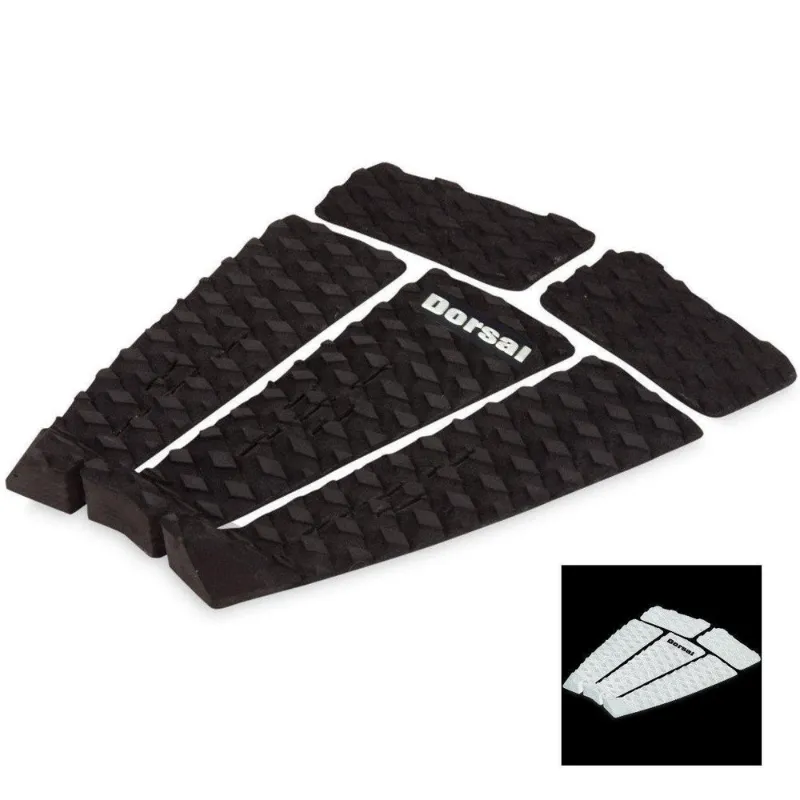
The core job of a surf traction pad is simple: it stops your feet from sliding around on a wet board. Waxing a board gives texture, but wax gets messy, flattens out, and requires constant maintenance. A traction pad bonds directly to your deck and stays consistent through dozens of sessions.
Beyond grip, a quality pad shapes how you interact with your board. It gives you a defined platform for your rear foot, which makes it easier to lock into turns and commit to maneuvers. Beginners often struggle with foot placement because they’re concentrating on balance. A pad removes that guesswork by creating a tactile reference point. Intermediate and advanced surfers notice how different pad shapes and kick zones let them generate power in specific ways.
The best pad brands, like FCS and Dakine models, are engineered with specific wave types in mind. A Dakine traction pad versus an octopus traction pad versus an FCS model handles differently because of thickness, density, and shape. That’s why the choice matters more than just having any pad at all.
Traction pad materials and construction
Pad quality comes down to materials. The top layer is usually ethylene-vinyl acetate (EVA), which provides grip without being so aggressive it tears up your wetsuit. The core backing varies: some use a glue-down system, others use a peel-and-stick adhesive. Premium pads use multiple density layers so the bottom stays rigid and the top stays grippy even when waterlogged.
Thickness typically ranges from 5mm to 10mm. Thicker pads offer more cushioning and feel more substantial underfoot, but they add weight and change how your board feels. Thinner pads are closer to the board, giving more direct board feedback but less comfort on hard landings.
The shape of your pad affects control zones. Kicktail-style pads have a raised rear section that gives your rear foot an anchor point. Arch bar pads include a ridge for your middle foot, which helps during pivots. Full-pad designs cover most of the deck, which is overkill for most surfers and costs more.
Who actually benefits from a surf traction pad
Shortboard surfers in beach break and reef break conditions almost always run a pad. The aggressive maneuvers and quick weight shifts demand consistent footing. You’ll feel the difference immediately on turns and aerials.
Beginners often improve faster with a pad because they can focus on technique instead of foot slipping. Once you’ve got the basics, a pad becomes part of how you read your board.
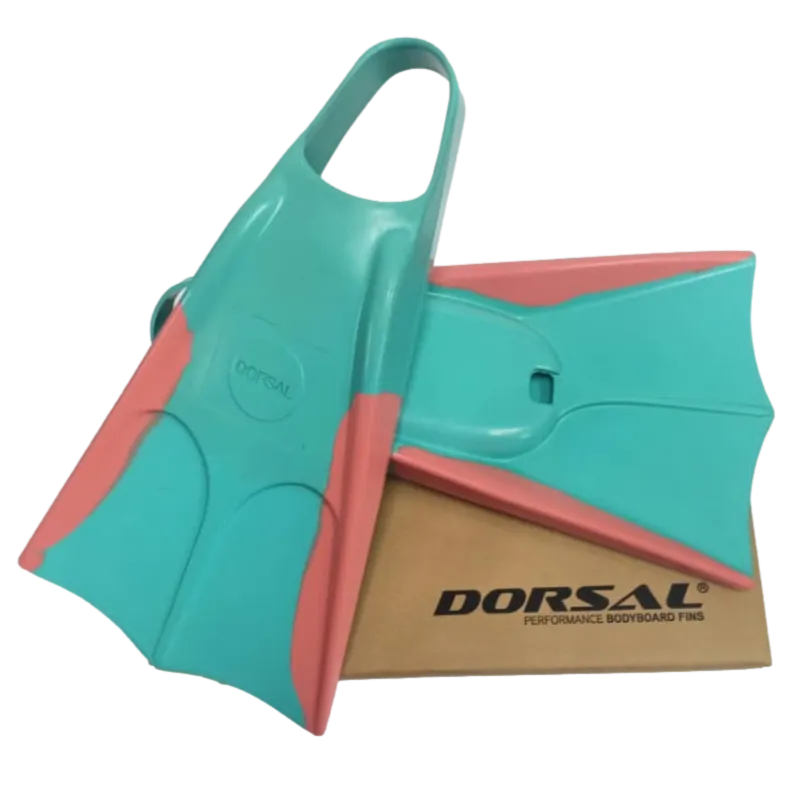
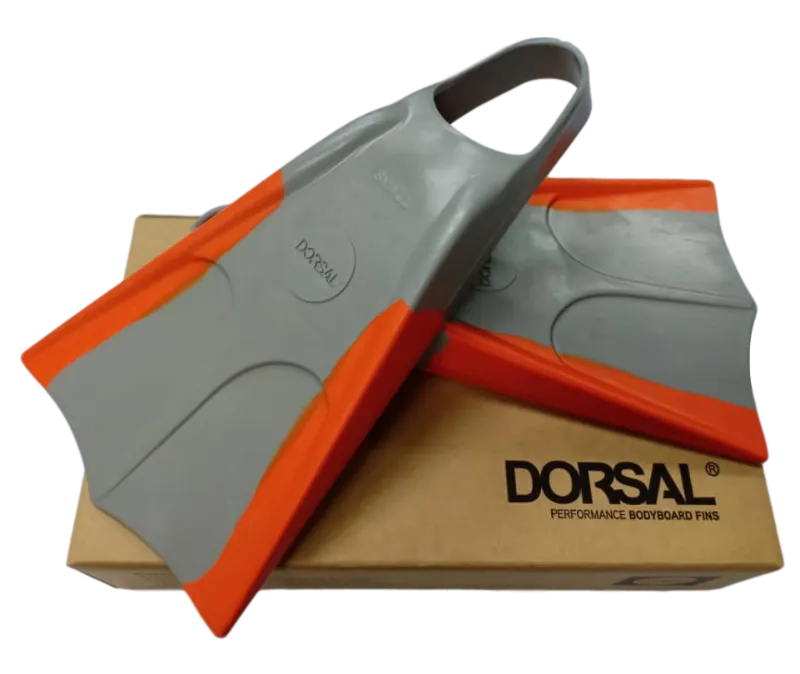
Bodyboarders and body surfers face a different equation. Bodyboarding relies on a different stance and foot position, so a traditional shortboard pad doesn’t translate. Some bodyboards come with textured decks, and bodyboard fins or body surfing fins change how you use your feet anyway.
Soft top riders sometimes skip pads because the deck already has texture. But add-on pads still help with precise foot placement, and many soft top enthusiasts prefer them for consistency across different boards.
Longboarders vary. Noseriding and traditional styles benefit from a pad for control during nose placement. Cruisier longboard styles work fine with just wax.
When wax alone is enough
Wax is cheaper, reversible, and customizable. If you only surf once or twice a month, wax might be perfectly adequate. You’ll get plenty of grip with a decent wax application and regular refreshing.
Tropical water and point break setups sometimes favor wax over pads because the wave angle and speed allow easier foot repositioning. Some surfers just prefer the tactile feel and ritual of waxing their board.
The trade-off is maintenance. Wax flattens, requires frequent reapplication, and transfers to your wetsuit. A pad sits there for 1-2 years with almost no upkeep beyond a rinse after each session.
Best surf traction pad options
FCS traction pads remain the benchmark for consistency and range. They work across different board types and conditions.
Dakine pads are known for durability and aggressive grip. The density is high, so they last longer in heavy rotation.
Octopus brand pads offer good performance at a lower price point than premium brands. They’re a solid entry if you’re testing whether a pad improves your surfing.
For the best selection and current pricing, grab the code for 25% off your order across our full range.
Installation and care
Most modern pads use peel-and-stick adhesive. Clean your deck thoroughly, let it dry completely, and press the pad firmly. Edges need extra pressure so they don’t lift in the water.
Once installed, a pad requires almost no maintenance. Rinse after each session, let it air dry, and you’re done. Avoid excessive heat, which can weaken the adhesive over time.
A quality pad typically lasts 1-2 years depending on use. When it starts to peel or loses grip, it’s time to remove it (heat gun helps) and start fresh. Compare all our options to find the pad that fits your session frequency and wave type.
The real answer
You don’t strictly need a surf traction pad to surf. Plenty of people throw wax on a board and get after it. But if you’re serious about your progression, if you’re surfing regularly, or if you want to feel connected to your board’s response, a pad is one of the best upgrades you can make. It’s not magic, and it won’t make you a better surfer on its own. What it does is remove friction (literally) so you can focus on technique instead of worrying about your feet sliding.
Questions
Do I need a surf traction pad if I already wax my board?
Wax works, but a pad provides better consistency and requires less maintenance. Most surfers who use both find they gravitate toward the pad once they experience the locked-in feeling it provides.
What's the difference between FCS and Dakine traction pads?
FCS pads prioritize range and adaptability across different wave types, while Dakine pads use denser material for a grippier feel and longer lifespan. Both are excellent; your choice depends on whether you prefer consistent baseline grip or maximum aggression.
Can I use a surf traction pad on a soft top board?
Yes. Soft tops already have textured decks, so a pad is optional. Many riders add one anyway for more precise foot placement and consistency across different boards.
How long does a traction pad last?
A quality pad typically lasts 1-2 years with regular use, depending on how often you surf and how much sun exposure it gets. When the grip fades or edges peel, it's time to replace it.
Does a traction pad affect how my board feels?
Yes. A pad adds a small amount of weight and thickness, which most surfers don't notice but some sensitive riders do. The added grip and control usually outweigh any minor change in board feel.
What size traction pad should I get?
Pad size depends on your board type and stance. Shortboards usually run a smaller kicktail pad; longboards may use larger or no pad at all. Check your board's deck to see what fits best, or [check our selection](/dorsal-discount-code/) to match your setup.
Products in this guide
 Shopping at DORSAL? See the discount code
25% OFF Sitewide
Shopping at DORSAL? See the discount code
25% OFF Sitewide
More in this series
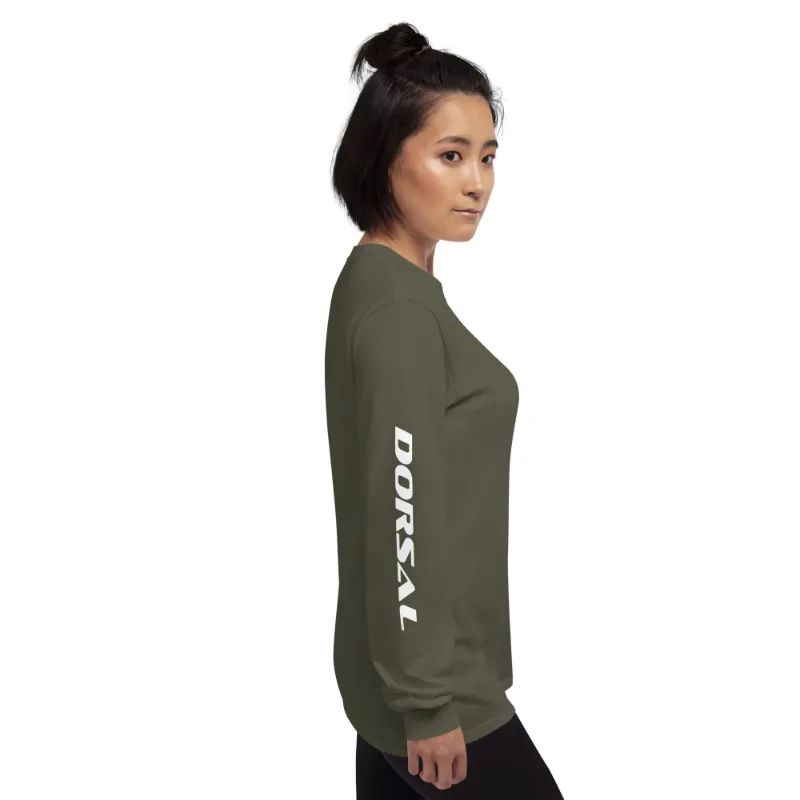 Why Surfers Wear Long Sleeve Tees, and How to Pick Surf Wear That Lasts8 Sep 20264 min
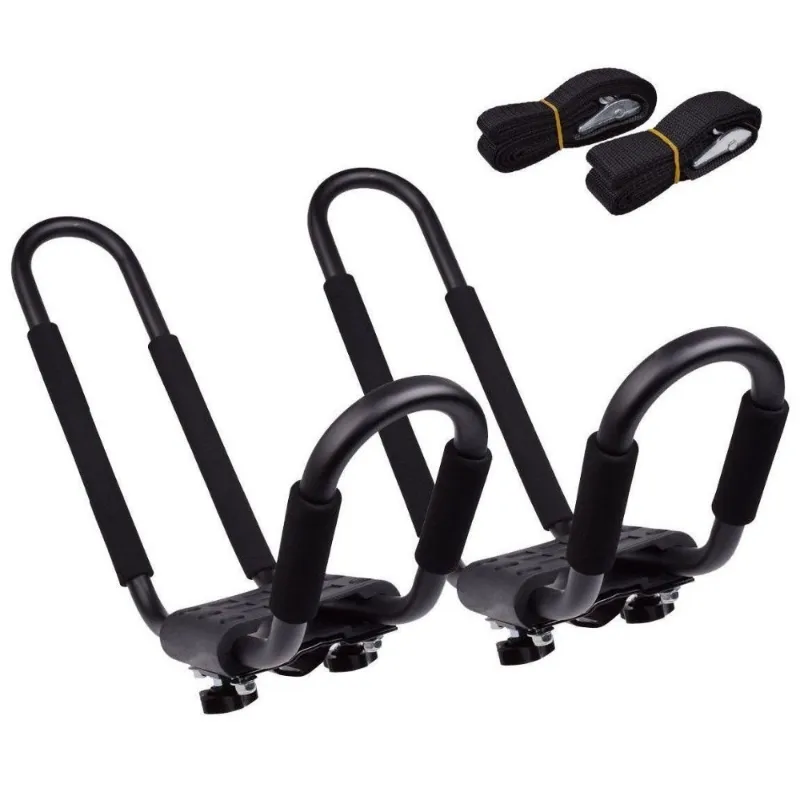 Kayak Rack vs. Bike Carrier: Choosing the Right Dorsal Aluminum Roof Mount for Your Vehicle8 Sep 20264 min
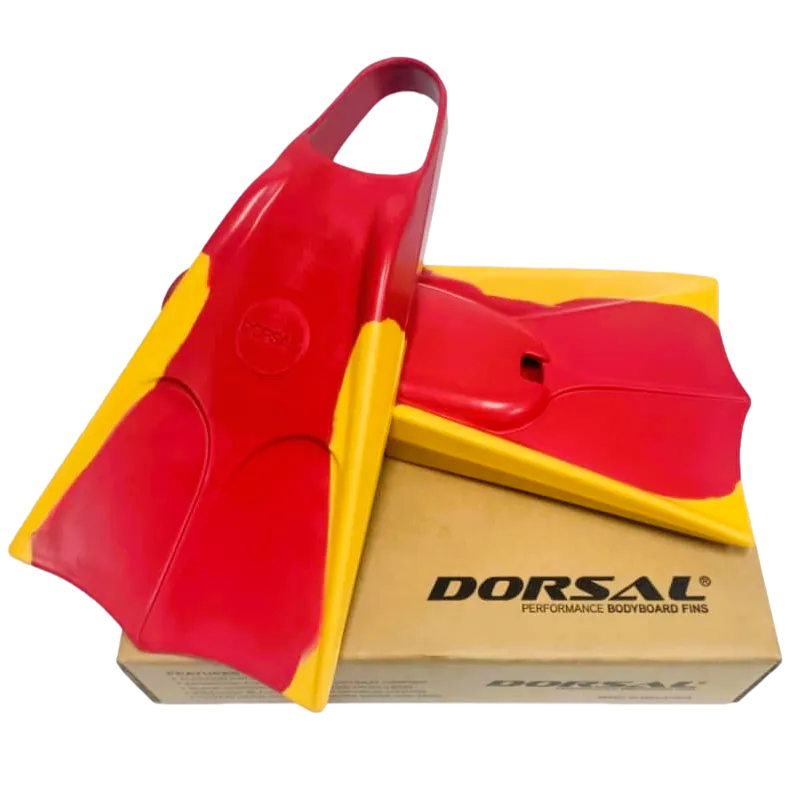 Best Swim Fins for Lifeguards: Dorsal Floating Swim Fins Performance Review8 Sep 20263 min
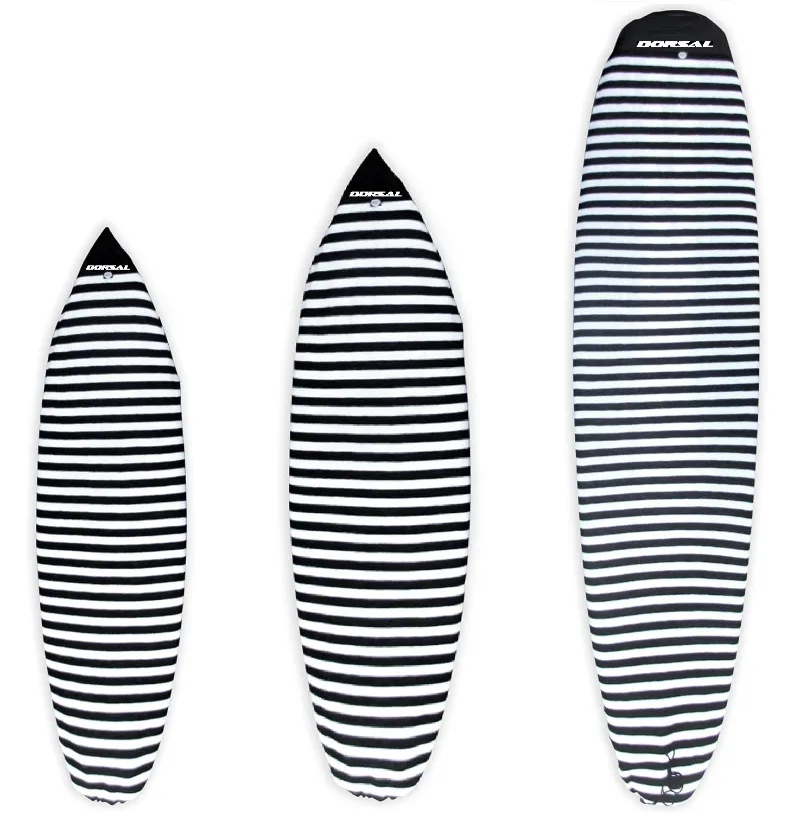 How to Keep Your Surfboard Protected: Surfboard Socks vs. Board Straps vs. Tie Down Straps8 Sep 20265 min