 A GeerTop Outdoor guide
Softshell vs Hardshell Rooftop Tents: Which Is Right for Your Vehicle?
Softshell rooftop tents fold flatter and run cheaper than hardshell models, but the trade-off is slower setup and a bit more exposure to the elements.
Softshell rooftop tents fold flatter and run cheaper than hardshell models, but the trade-off is slower setup and a bit more exposure to the elements. If you drive a smaller vehicle, park in tight spaces, or want to maximize fuel economy, a softshell rig keeps your profile low. Hardshells pop open in seconds and handle rain and wind better, but they add height and weight year-round.
What Makes Softshell and Hardshell Designs Different
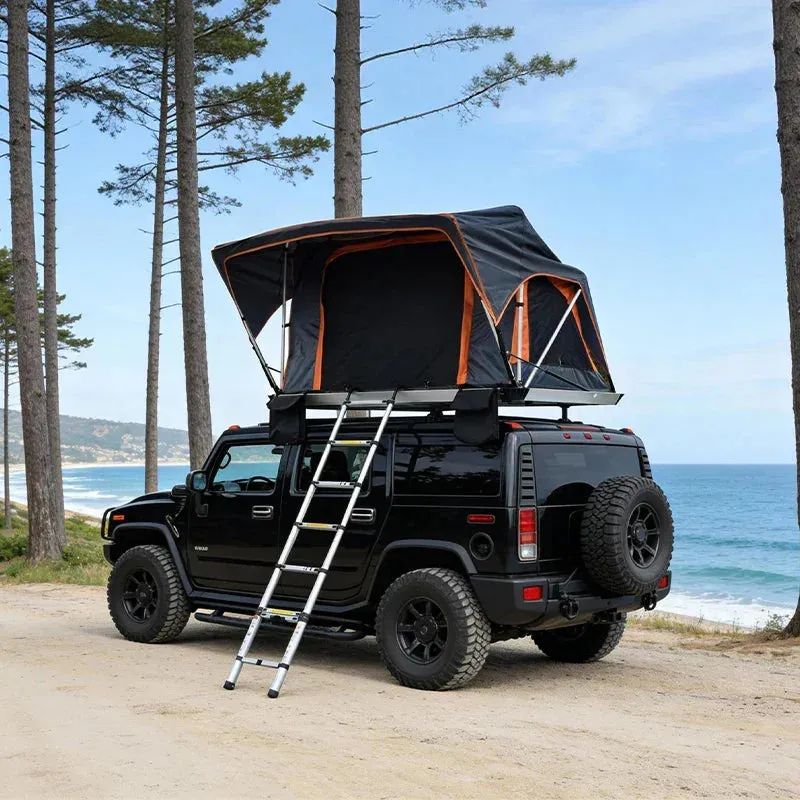
Softshell tents use fabric walls and a collapsible frame, similar to a ground tent but mounted on your roof rack. When you unfold one, the softshell rooftop tents expand upward with telescoping poles or an accordion frame, and you zip the canvas into place. They pack down to around 12 inches tall, so your vehicle keeps a lower center of gravity and better aerodynamics on the highway.
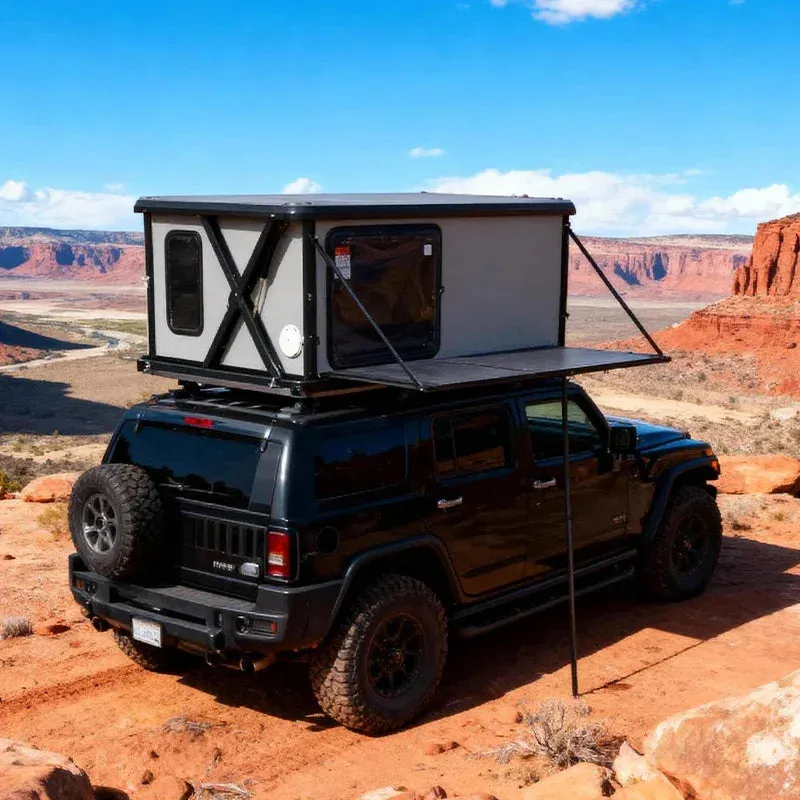
Hardshell tents mount a rigid top and bottom shell, usually fiberglass or ABS plastic, that sandwich the fabric sleeping area. You unlatch the shell and it lifts on gas struts or a crank, locking into place in under a minute. The hard case protects the tent from road grime and UV damage during transit, and the solid roof sheds heavy rain without sagging.
Both styles require a roof rack rated for static weight (your gear plus occupants), typically 400 to 600 pounds depending on tent capacity.
Setup Speed and Daily Convenience
Hardshells win on speed. Most models open in 30 to 60 seconds: pop the latches, lift the shell, lock the struts, and you’re done. If you move camp every night or arrive after dark, that simplicity matters. Closing is just as fast, and you can leave bedding and pillows inside because the hard case seals everything from weather and dust.
Softshells take 5 to 10 minutes to fully deploy. You unzip the cover, extend poles or a ladder that tensions the fabric, stake out rain flies, and zip windows. Breaking camp means collapsing the frame, folding fabric, and securing straps, which gets easier with practice but still demands more effort. The upside is flexibility: many softshell designs include an automatic roof tent mechanism or upgraded pole systems that cut setup to under five minutes, bridging the gap without the hardshell price tag.
Weather Protection and Insulation
Hardshells deliver better wind and rain performance because the rigid top doesn’t flex or flap. The solid lid resists snow load, and the minimal seams mean fewer leak points. In cold weather, the smaller interior volume warms faster, and some models add insulated toppers to trap heat. The downside is ventilation: hardshells have smaller windows and less airflow, so condensation builds up on humid nights unless you crack the shell slightly.
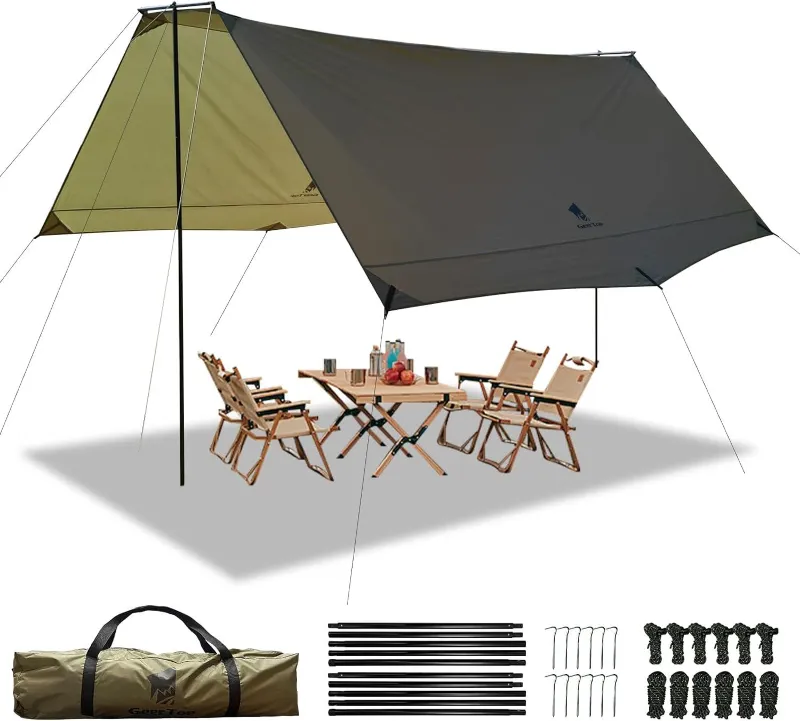
Softshells offer more breathable fabric and larger windows, keeping you cooler in summer heat. A quality waterproof tarp or rain fly extends coverage beyond the tent footprint, shedding water away from the base. In gusty conditions, the fabric can billow and the frame may creak, but modern designs use reinforced stitching and guy lines to stay taut. Thule’s guide breaks down how each construction handles crosswinds and storm exposure.
For four-season use, insulated softshells with double-wall fabric perform nearly as well as hardshells, and you can always drape a car tarp over the exterior for extra wind and frost protection.
Size, Weight, and Vehicle Compatibility
| Feature | Softshell | Hardshell |
|---|---|---|
| Packed height | 10 to 14 inches | 8 to 12 inches |
| Weight (2-person) | 100 to 140 lbs | 130 to 180 lbs |
| Sleeping area | Often larger, with annexes | Compact, fixed footprint |
| Fuel economy impact | Moderate drag when packed | Lower drag, heavier load |
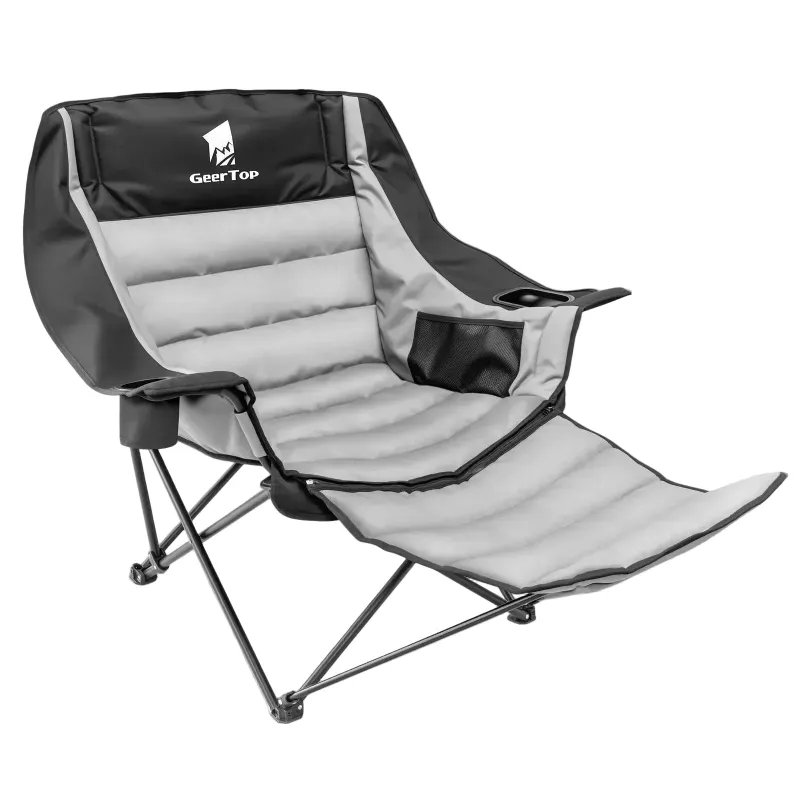
Softshells weigh less for a given sleeping area because fabric is lighter than fiberglass. If your roof rack has a lower dynamic weight limit (the load it can carry while driving), a softshell may be the only option that keeps you within spec. The fabric sidewalls also let you add annex rooms or vestibules, expanding living space for gear storage or a camping chair with footrest setup underneath.
Hardshells are heavier but more compact, so they fit vehicles with shorter roof lengths or sunroof cutouts that limit usable rack space. The aerodynamic shell cuts wind resistance compared to a tall softshell, which can save a few MPG on long trips.
Cost and Long-Term Value
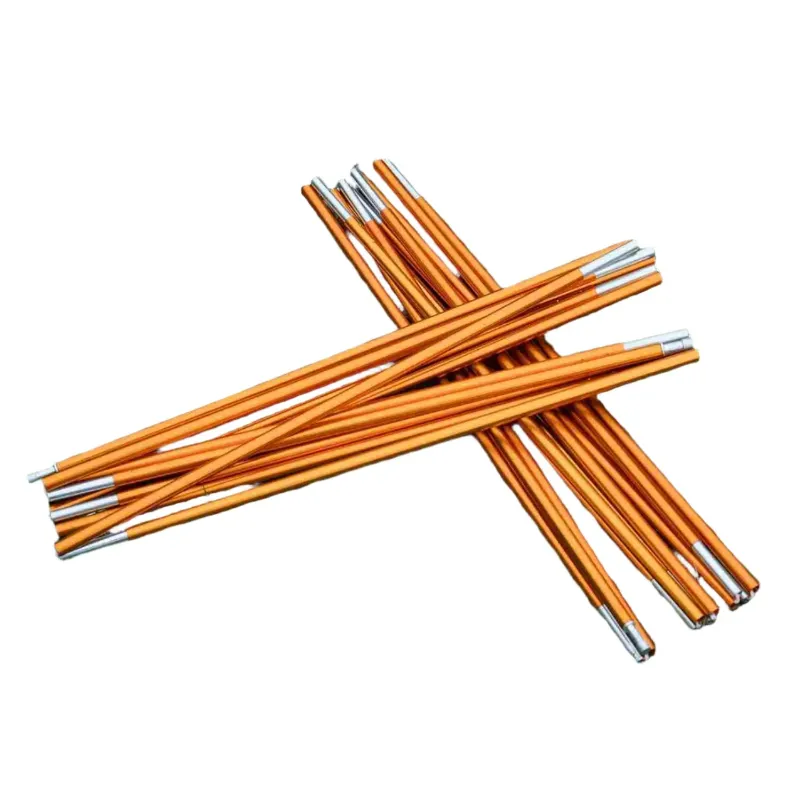
Softshell rooftop tents start around half the price of comparable hardshells, making them the go-to for first-time roof campers or budget-conscious travelers. You get proven tent fabric, aluminum tent poles for structural support, and enough room for two to four people depending on the model. Maintenance is straightforward: air out the fabric after wet trips, patch small tears with tent repair tape, and re-waterproof seams every few seasons.
Hardshells cost more upfront but require less routine care. The shell protects the tent from UV and abrasion, so the fabric lasts longer, and you skip the tedious fold-and-dry ritual after rainy weekends. Hinges and gas struts eventually wear out, but replacement parts are usually available from the manufacturer. Outside’s comparison highlights durability across both styles and where each excels over years of use.
For current pricing and to grab the discount code, check the GeerTop Outdoor store page where you’ll also find the latest 15% sitewide offer.
Who Should Choose Softshell vs Hardshell
Choose a softshell rooftop tent if you:
- Want the lowest upfront cost and are comfortable with a longer setup routine
- Drive a vehicle with limited roof rack weight capacity
- Need extra sleeping space or plan to add an annex for gear
- Camp in mild to moderate weather and prioritize ventilation over maximum storm protection
- Prefer a slim packed profile for daily driving and parking garages
Choose a hardshell tent if you:
- Move camp frequently and value sub-minute setup and teardown
- Encounter heavy rain, snow, or high winds regularly
- Want to leave bedding inside between trips without worrying about moisture or pests
- Drive a vehicle with a strong roof rack and don’t mind the added height and weight
- Can invest more upfront for lower maintenance and faster access
GearJunkie’s tested roundup shows real-world performance from both categories, and we’ve found that hybrid “automatic” softshells with gas-assist frames offer a middle ground worth exploring. To check the latest price on softshell and automatic models, visit the GeerTop Outdoor coupon page where you’ll also unlock the current sitewide discount.
Both designs mount to the same roof racks and deliver a comfortable night’s sleep above the ground. Your choice comes down to how much time you want to spend deploying camp versus how much space and budget flexibility you have on your rig.
Questions
How long does it take to set up a softshell rooftop tent?
Most softshell rooftop tents take 5 to 10 minutes to fully deploy, including extending poles, zipping panels, and staking the rain fly. With practice and automatic pole systems, some models set up in under five minutes.
Can I leave bedding inside a softshell tent when I pack it down?
You can leave thin sleeping bags or blankets inside a softshell tent, but thick bedding makes folding difficult and traps moisture. Hardshell tents seal completely, so they're better for storing bedding between trips.
Do hardshell rooftop tents get too hot in summer?
Hardshells have smaller windows and less airflow than softshells, so they can feel warmer on hot nights. Cracking the shell slightly or choosing a model with mesh panels improves ventilation.
Which style is better for windy conditions?
Hardshell tents handle wind better because the rigid top doesn't flex or flap. Softshells can billow in gusts, but quality models use reinforced guy lines and taut fabric to stay stable.
Will a softshell rooftop tent fit my vehicle if I have a sunroof?
Yes, as long as your roof rack leaves clearance for the sunroof to open or you don't mind blocking it while the tent is mounted. Measure your usable rack length to confirm the tent's packed footprint fits.
How much weight can my roof rack hold with a rooftop tent?
Check your vehicle's static weight rating, usually 400 to 600 pounds, which covers the tent plus occupants and gear while parked. The dynamic rating (while driving) is lower and must support the tent's weight alone.
Products in this guide
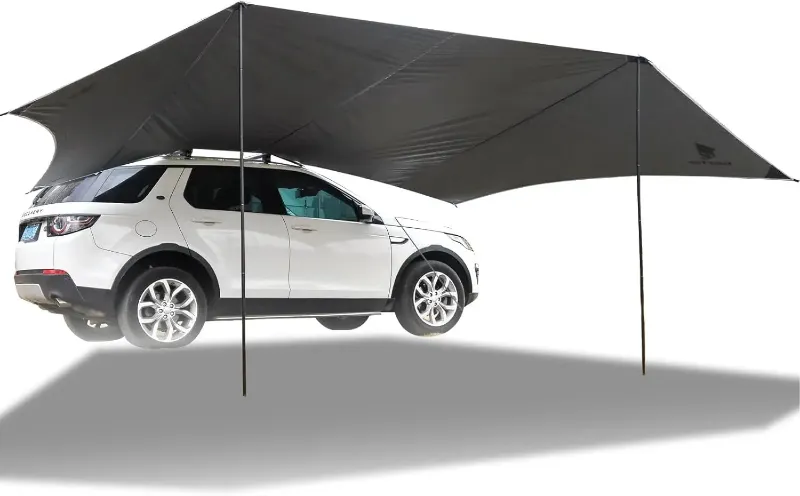 Shopping at GeerTop Outdoor? See the discount code
15% OFF Sitewide
Shopping at GeerTop Outdoor? See the discount code
15% OFF Sitewide
More in this series
 How Long Do Flannel Sleeping Bags Stay Warm in Cold Weather?21 Aug 20265 minWhat Do Red and Green Navigation Lights Mean on Boats?21 Aug 20265 minBest 6 Person Camping Tents for Family Weekend Trips21 Aug 20266 min
 Do Aluminum Tent Poles Break Easily? Durability and Repair Tips21 Aug 20264 minHow to Set Up an Inflatable Tent: Step-by-Step Guide for Beginners21 Aug 20264 min