 A GeerTop Outdoor guide
How Long Do Flannel Sleeping Bags Stay Warm in Cold Weather?
A flannel sleeping bag typically keeps you warm down to its rated temperature for 6 to 8 hours, depending on insulation thickness, your tent setup, and layering strategies.
A flannel sleeping bag typically keeps you warm down to its rated temperature for 6 to 8 hours, depending on the insulation thickness, your shelter, and what you wear inside. The soft brushed cotton lining traps heat close to your body, but the outer shell insulation and fill type determine how long that warmth lasts when temperatures drop overnight.
Your tent, ground insulation, and even what you eat before bed all play a role in how comfortable you stay until sunrise.
What Temperature Rating Should You Trust for a Flannel Sleeping Bag
Temperature ratings tell you the lowest air temperature at which a bag keeps an average sleeper warm, but real-world performance varies. A best flannel sleeping bag rated to 20°F works well for most people at that temperature, but a cold sleeper may feel chilly at 25°F while a warm sleeper stays comfortable at 15°F.
Most rectangular sleeping bags with flannel linings fall into these categories:
- Lightweight flannel sleeping bag (40°F to 50°F): spring and summer camping, warm climates
- 3-season flannel bag (20°F to 30°F): fall and early spring trips
- Flannel sleeping bag 0 degree: deep winter camping, high-altitude use
The rating assumes you are wearing a base layer and sleeping on an insulated pad. Without a quality pad beneath you, cold ground pulls heat away faster than any bag can replace it, cutting warmth duration by half or more.
If you are shopping for a bag, check the latest price to see current temperature ratings and specifications before you buy.
How Flannel Lining Affects Warmth and Comfort Through the Night
Flannel lining does not add significant insulation on its own, but it changes how warmth feels. The brushed cotton surface creates tiny air pockets that hold heat radiating from your skin, making the bag feel warmer faster than a slick nylon lining. This means you spend less time shivering while the bag warms up.
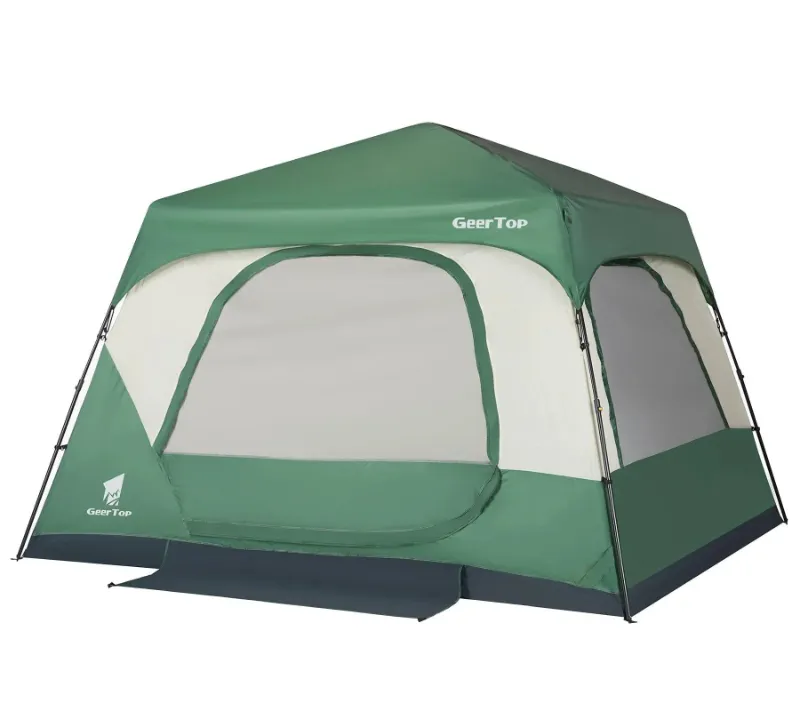
The real insulation comes from the fill between the inner flannel and outer shell. Synthetic fills like polyester maintain warmth even when damp and dry quickly if moisture seeps in. Down insulation offers the best warmth-to-weight ratio but loses effectiveness if it gets wet, which matters when you are camping in a 6 person camping tent with multiple people generating condensation overnight.
A flannel sleeping bag double designed for two people shares body heat, extending warmth duration on cold nights. Two sleepers generate roughly twice the heat output, so the bag interior stays warmer longer even as outside temperatures drop.
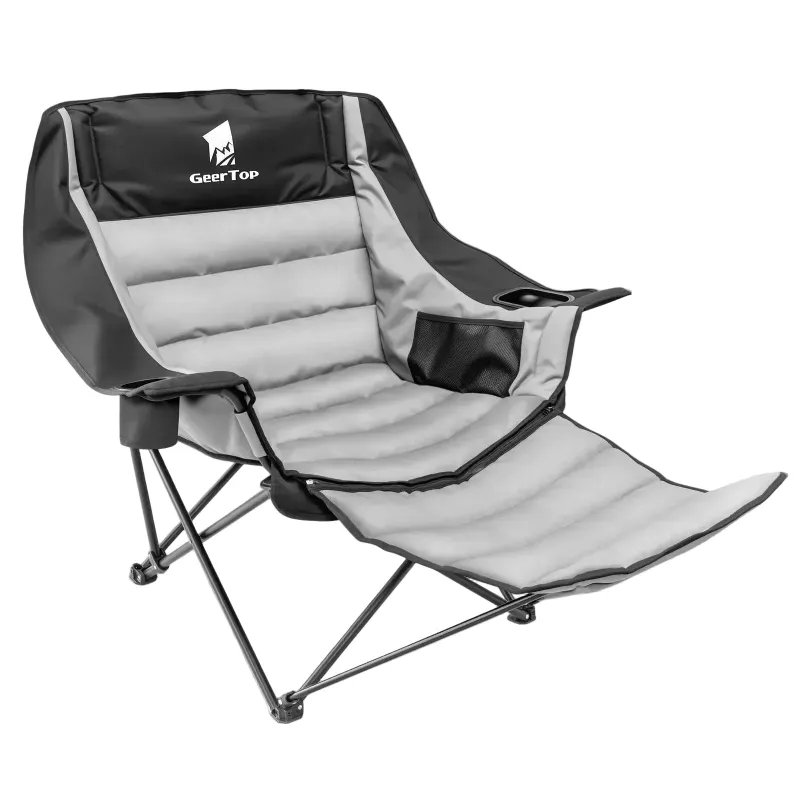
Kids lose body heat faster than adults due to their smaller mass, so a flannel sleeping bag kids model rated 10°F warmer than the expected low provides a safer margin. Pair it with a warm base layer and a camping chair with footrest near the campfire before bed to help them start the night fully warm.
Boosting Warmth Duration in Your Sleeping Bag Setup
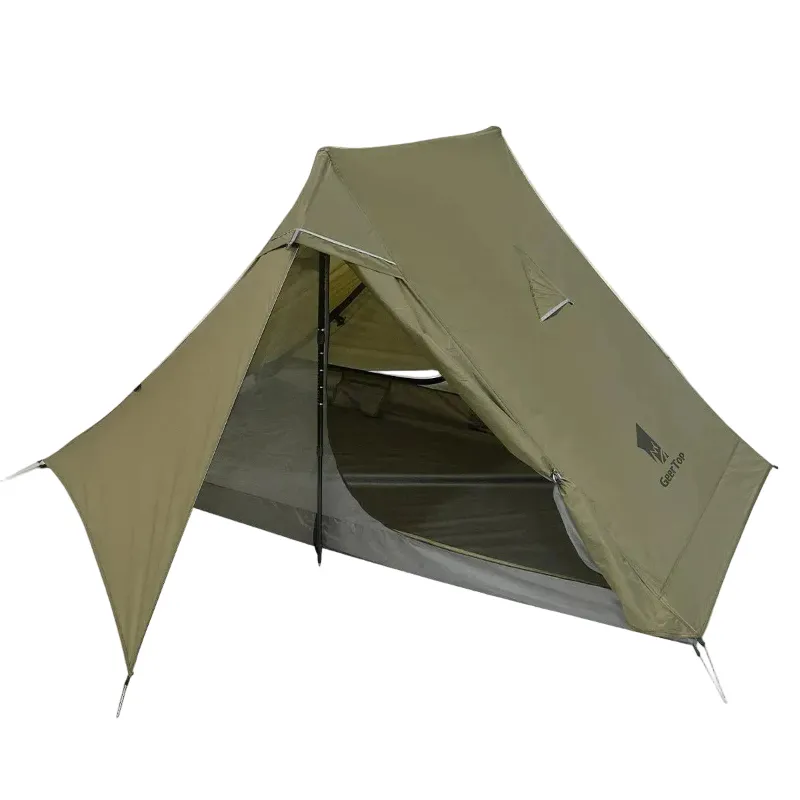
Your shelter and ground insulation matter as much as the bag itself. A well-sealed ultralight 2 person tent blocks wind and traps a thin layer of warm air around you, raising the effective temperature inside by 5°F to 10°F compared to open-air sleeping. Larger shelters like a six person tent take longer to warm but provide more stable temperature control once everyone settles in.
Ground insulation prevents conductive heat loss, the fastest way to lose warmth. Stack these layers for maximum retention:
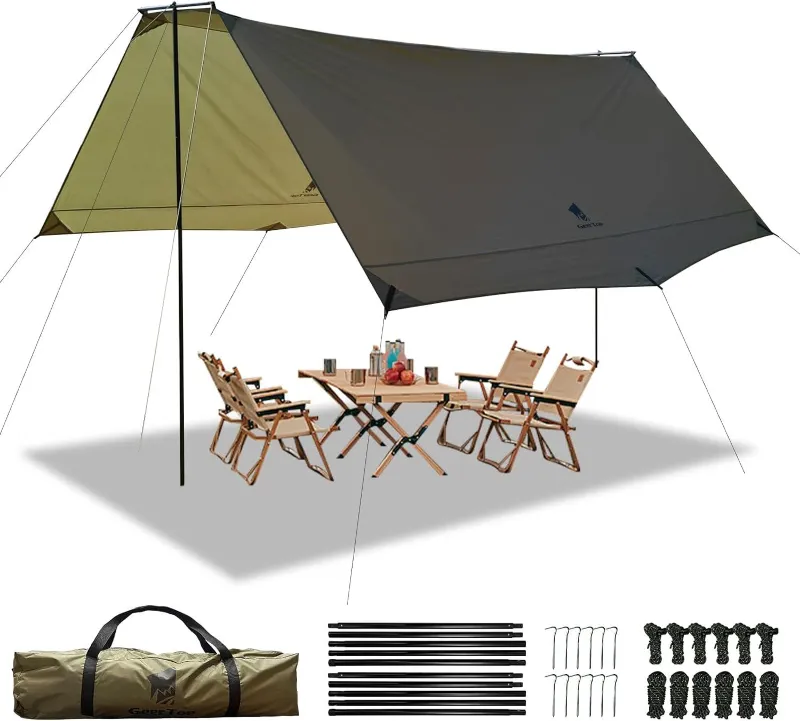
- Waterproof ground cloth: a waterproof tarp under your tent floor blocks moisture
- Insulated sleeping pad: R-value of 4 or higher for cold weather
- Foam pad or blanket: extra layer inside the tent under your sleeping pad
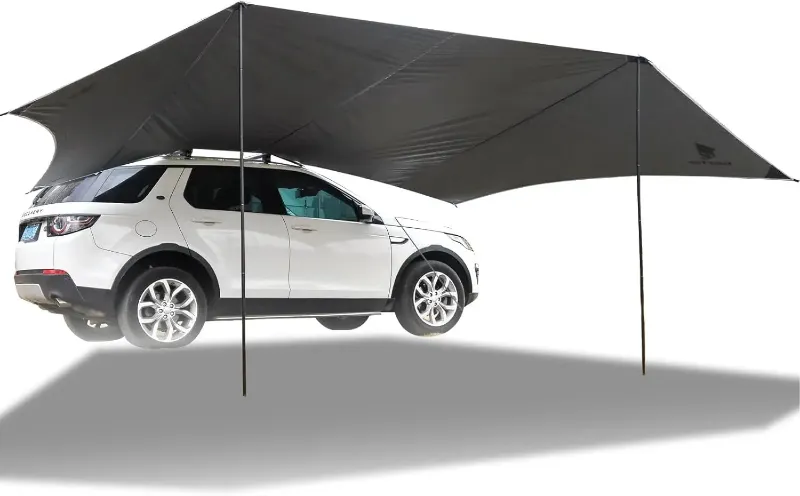
A car tarp spread inside a larger tent adds a second barrier between you and frozen ground, a simple trick that extends warmth by an hour or more on frigid nights.
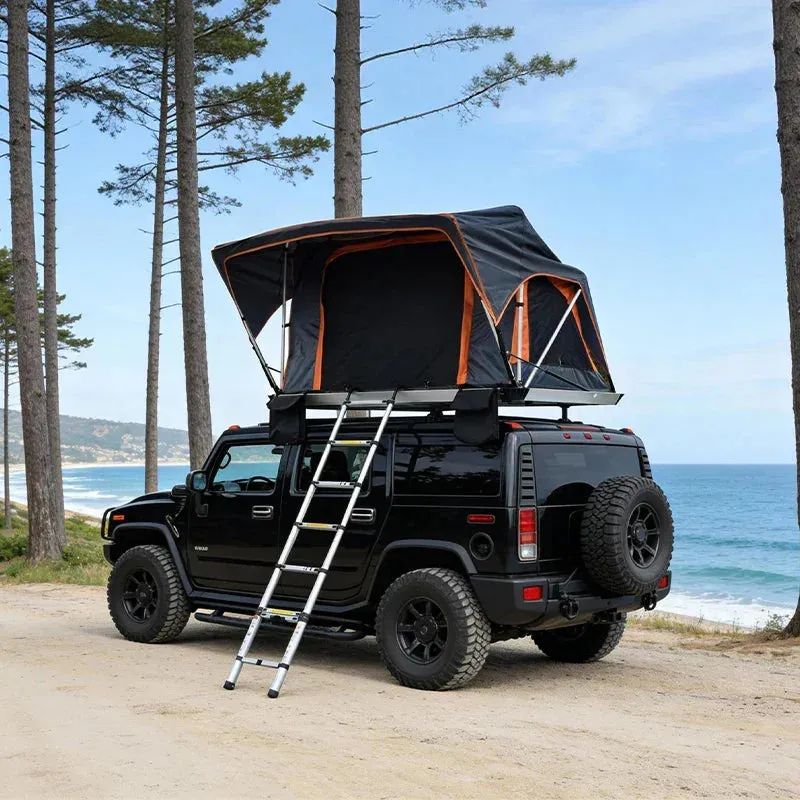
If you are camping from a vehicle, a softshell rooftop tent lifts you off the cold ground entirely and reduces setup time, letting you get into your warm bag faster when temperatures plummet.
Extending Warmth Through Pre-Sleep and Overnight Strategies
Start warm and stay warm. Eat a high-calorie snack 30 minutes before bed so your body generates heat while you digest. A handful of nuts or a protein bar works better than sugary snacks that cause energy crashes.
Wear dry layers inside the bag. Moisture from sweat or damp clothing evaporates overnight, pulling heat away from your body. Keep a dry base layer, socks, and a beanie reserved only for sleeping.
Vent moisture when needed. If you wake up damp, crack the bag zipper for a minute to release humid air, then seal it again. Trapped moisture reduces insulation effectiveness and shortens warmth duration.
Stuff a jacket or extra clothes at your feet. The foot box loses heat fastest because blood flow to extremities drops during sleep. A soft bundle at the bottom of the bag traps warm air and keeps toes comfortable through the night.
For the latest deals on cold-weather gear, grab the code and save 15% on your entire order.
Maintenance Tips That Preserve Your Bag’s Warmth Over Time
Proper care keeps your flannel sleeping bag performing at its rated temperature season after season. Store it loosely in a large cotton or mesh sack, never compressed in its stuff sack, so the insulation maintains loft. Compressed fill loses its ability to trap air, reducing warmth duration by up to 30% over a single season.
Wash your bag once per season or every 20 nights of use. Use a front-loading washer on gentle cycle with technical wash designed for sleeping bags. Top-loaders with agitators tear baffles and clump fill. Hang dry or tumble on low heat with clean tennis balls to restore loft.
Spot-clean the flannel lining after trips to remove body oils that mat the fabric and reduce its ability to hold warm air. A damp cloth with mild soap works for most stains without requiring a full wash.
Repair small tears immediately with repair tape or a patch kit. A pinhole leak lets warm air escape all night, cutting effective warmth by hours even if the damage looks minor.
Choosing the Right Bag for Your Cold-Weather Trips
Match your bag to your coldest expected night, then add a 10°F buffer. If you expect lows around 25°F, choose a bag rated to 15°F so you stay comfortable even if forecasts miss or wind chill drops the effective temperature.
A kodiak sleeping bag or similar heavy-duty option works well for car camping and base-camp setups where weight does not matter. These bags pack thick insulation and durable flannel that withstands years of family trips.
For backpacking, balance warmth with pack weight. A lightweight flannel sleeping bag rated to your expected low keeps you comfortable without overloading your pack. Pair it with a ultralight 2 person tent and quality pad to minimize total shelter weight.
Test your setup before committing to a long trip. Spend a night in your backyard or at a local campground when temperatures match your planned trip. You will learn exactly how your bag performs and what layers you need without risking a miserable night miles from your vehicle.
With the right bag, proper insulation beneath you, and a few smart layering tricks, your flannel sleeping bag keeps you warm from sunset to sunrise even when temperatures drop well below freezing.
Questions
How cold can you use a flannel sleeping bag?
You can use a flannel sleeping bag down to its temperature rating, typically between 0°F and 50°F depending on the model. Add 10°F to the rating for a comfort buffer, and always sleep on an insulated pad to prevent ground cold from cutting through.
Does flannel lining make a sleeping bag warmer than nylon?
Flannel lining feels warmer because it traps a thin layer of body heat faster than slick nylon, but it does not add significant insulation. The fill between the inner and outer layers determines actual temperature performance.
Can you wash a flannel sleeping bag without damaging it?
Yes, wash it in a front-loading machine on gentle cycle with technical sleeping bag wash, then tumble dry on low with tennis balls to restore loft. Never use a top-loader with an agitator, as it tears baffles and clumps insulation.
What is the best way to store a flannel sleeping bag between trips?
Store it loosely in a large cotton or mesh storage sack in a dry, cool place. Keeping it compressed in a stuff sack between trips crushes the insulation and reduces warmth performance by up to 30% over a single season.
Do I need a sleeping pad under my flannel sleeping bag?
Yes, a sleeping pad with an R-value of 4 or higher is essential for cold weather. Cold ground pulls heat away faster than any sleeping bag can replace it, cutting warmth duration in half without proper insulation beneath you.
How do I know if my flannel sleeping bag is warm enough for winter camping?
Choose a bag rated 10°F colder than your expected low temperature. Test it on a cold night close to home before a long trip so you can adjust layers and insulation without risking a miserable night in the backcountry.
Products in this guide
 Shopping at GeerTop Outdoor? See the discount code
15% OFF Sitewide
Shopping at GeerTop Outdoor? See the discount code
15% OFF Sitewide
More in this series
What Do Red and Green Navigation Lights Mean on Boats?21 Aug 20265 minBest 6 Person Camping Tents for Family Weekend Trips21 Aug 20266 minDo Aluminum Tent Poles Break Easily? Durability and Repair Tips21 Aug 20264 minSoftshell vs Hardshell Rooftop Tents: Which Is Right for Your Vehicle?21 Aug 20265 minHow to Set Up an Inflatable Tent: Step-by-Step Guide for Beginners21 Aug 20264 min