 A GeerTop Outdoor guide
Do Aluminum Tent Poles Break Easily? Durability and Repair Tips
Aluminum tent poles are highly durable and resist breaking under normal use, but understanding their limits helps you avoid damage in the field.
Aluminum tent poles are highly durable and resist breaking under normal use, though they can bend or crack when subjected to extreme force, improper setup, or metal fatigue over time. For the current code, see our GeerTop Outdoor codes and deals.
What Makes Aluminum Tent Poles Strong
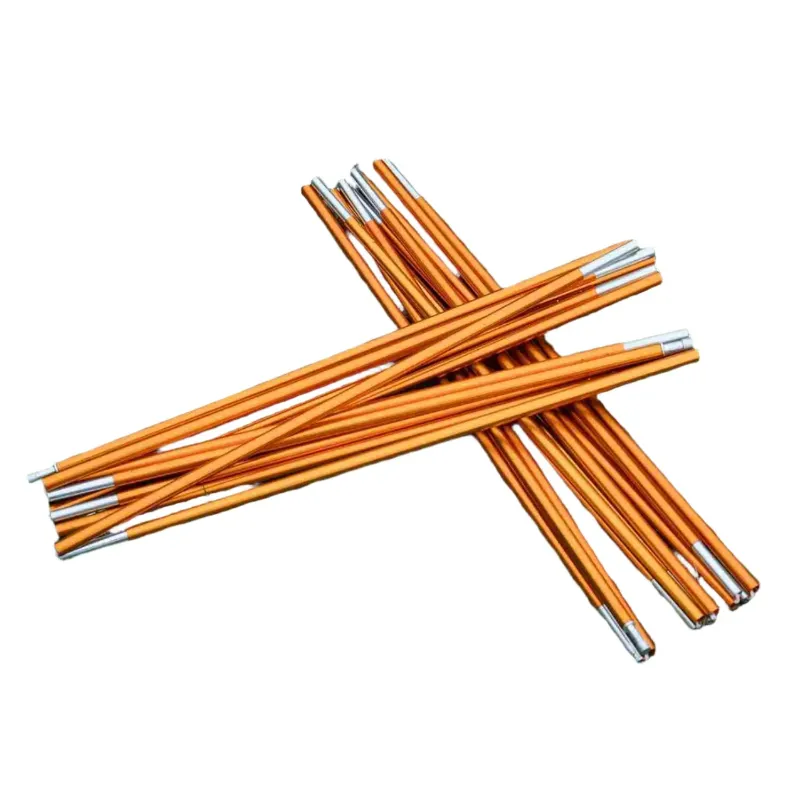
Modern aluminum tent poles use aerospace-grade alloys like 7001 or 6061, which deliver an excellent strength-to-weight ratio. These alloys resist corrosion, handle repeated flexing better than fiberglass, and spring back to shape after moderate bending. The anodized finish protects against scratches and moisture, extending the pole’s working life even in wet or coastal conditions.
Shock cord runs through the interior of segmented poles, keeping sections aligned and making setup fast. High-quality poles feature reinforced ferrules at the joints, which prevents splitting where sections connect. When comparing heavy duty aluminum tent poles to budget alternatives, the alloy grade and ferrule design are the biggest differences.
Aluminum Tent Poles vs Fiberglass: Which Is More Durable?
Fiberglass poles cost less, but they splinter when they break, making field repairs difficult. Aluminum bends rather than shatters, so a pole with a shallow bend can be straightened or splinted temporarily to finish your trip.
| Material | Strength | Repair | Lifespan |
|---|---|---|---|
| Aluminum | High flex, bends under stress | Easy with splints or tape | No published figure |
| Fiberglass | Moderate, splinters when broken | Difficult, often requires replacement | No published figure |
If you camp frequently or in variable weather, aluminum is the smarter investment. For occasional fair-weather trips, fiberglass may suffice, as long as you check it for splinters before each trip.
Common Causes of Aluminum Pole Damage
Even strong poles can fail if mishandled. Here’s what breaks poles:
- Over-tensioning: Staking out guy lines too tight or forcing poles into grommets puts excessive stress on the metal.
- Improper storage: Leaving poles assembled for months or storing them wet invites corrosion at the joints.
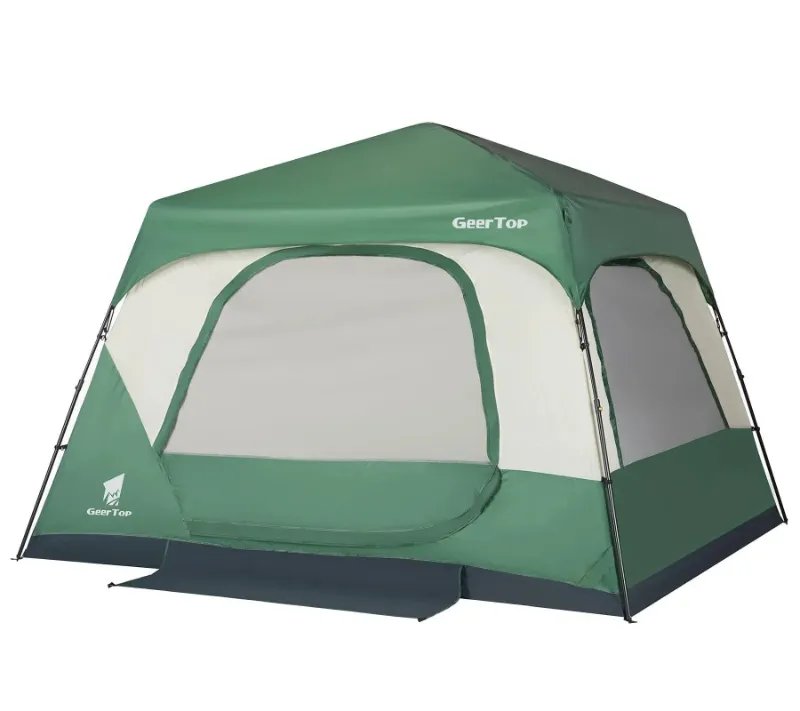
- High winds without reinforcement: Gale-force gusts can snap unsupported poles, especially on larger shelters like a six person tent.
- Stepping or sitting on poles: This bends or cracks sections.
- Metal fatigue: Over many setups, the shock cord stretches and poles can develop stress cracks near ferrules.
How to Repair Bent or Broken Aluminum Tent Poles
If the kink is shallow, you can try straightening a bent pole by hand. Lay the pole on a flat surface and apply even pressure along the bend, working slowly to avoid creasing the metal. For a cracked or broken section, a field repair sleeve works well: slide a short length of aluminum tubing over the damaged area and secure it with duct tape or hose clamps. Tent Pole Technologies offers dedicated repair kits and replacement segments.
Permanent fixes require aluminum tent pole replacement parts. Measure the pole’s diameter (or check the tent’s spec sheet) and order matching sections. Ask the maker of your aluminum tent poles whether it sells individual segments, so you do not have to replace an entire set. If the shock cord has stretched, re-threading it restores the pole’s snap-together function.
For DIY enthusiasts, Chalco Aluminum’s guide explains the differences between 7001, 7075, and 6061 alloys, which helps when sourcing used aluminum tent poles or upgrading to heavier-duty options.
Extending the Life of Your Tent Poles
Proper care protects your poles. After each trip, wipe down poles to remove dirt and moisture, then store them loosely in a stuff sack rather than leaving them assembled. Inspect ferrules and shock cord every few outings; replacing worn cord before it snaps prevents poles from separating during setup.
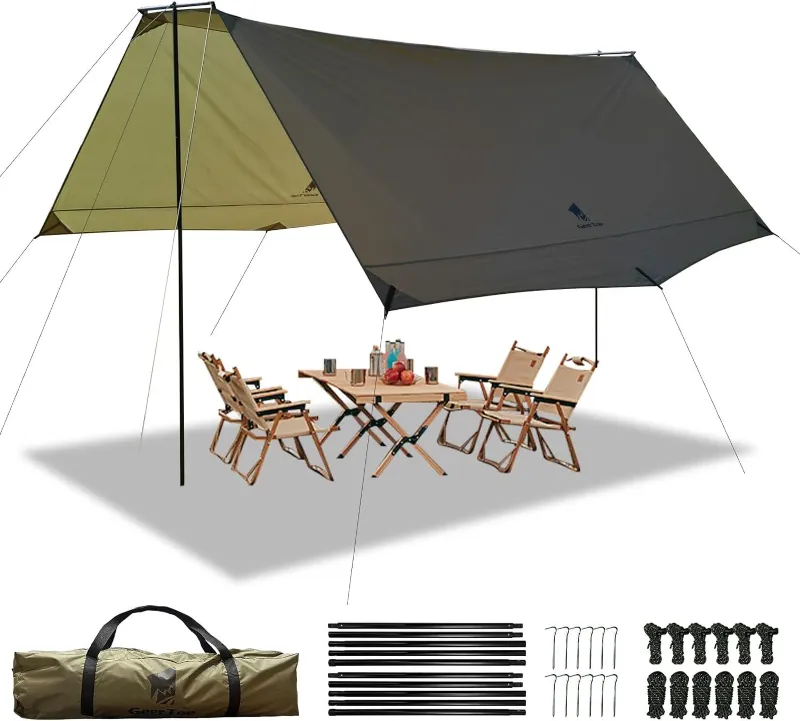
Avoid leaving your tent pitched for extended periods in direct sun. UV breaks down both the tent fabric and the anodized coating on poles. If you’re car camping with a waterproof tarp for shade, position it to shield the tent body and poles during the hottest part of the day.
When packing, never fold or bend poles beyond their natural curve. Roll them parallel to their length, and pad them with clothing or a dedicated pole bag to prevent impact damage in transit.
When to Replace Rather Than Repair
Replace poles if you see deep cracks, multiple bends in a single section, or corrosion that has eaten through the anodized layer. A compromised pole can collapse under load, risking your shelter in bad weather. If more than one section is damaged, compare the cost of the parts with the price of a full set.
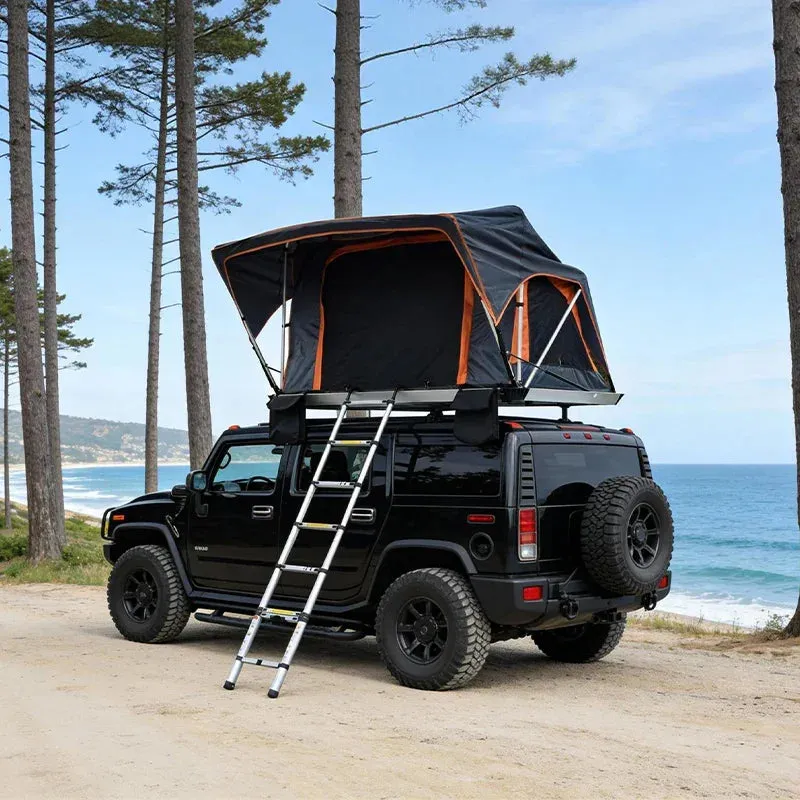
For specialized shelters like a softshell rooftop tents or an automatic roof tent, consult the manufacturer before substituting generic poles. Ask for the exact diameter and length, and whether generic poles affect the warranty, since mismatched poles can create safety hazards.
Final Thoughts on Aluminum Pole Durability
Aluminum tent poles bend rather than splinter, and when they do fail, repairs are straightforward. Inspect them routinely and handle them carefully. Whether you’re pitching an ultralight 2 person tent on a weekend backpacking loop or setting up a 6 person camping tent for a family basecamp, aluminum poles give you strength without much weight. Keep a repair sleeve in your kit, store poles dry, and they’ll support your shelter season after season.
Questions
Do aluminum tent poles break easier than fiberglass?
No, aluminum tent poles are stronger and more durable than fiberglass. They bend under stress rather than shattering, making them easier to repair.
Can I repair a bent aluminum tent pole in the field?
Yes, shallow bends can be straightened by hand on a flat surface. For cracks or breaks, slide a repair sleeve or short tube over the damaged section and secure it with tape or clamps.
How long do aluminum tent poles last?
There is no single lifespan figure to give you. Lifespan depends on frequency of use, storage conditions, and whether you replace worn shock cord and inspect ferrules regularly.
What size aluminum tent pole do I need for replacement?
Measure the diameter of your existing pole with calipers, or check the tent's spec sheet. Order replacement segments that match both diameter and length to ensure a proper fit.
Why do aluminum tent poles bend instead of snapping?
Aluminum alloys like 7001 and 6061 have high ductility, meaning they deform under stress rather than fracturing. This property allows poles to absorb impact and be repaired rather than replaced immediately.
Should I store my tent with poles assembled?
No, always disassemble and clean poles after use. Storing them assembled or damp can cause corrosion at the joints and stretch the internal shock cord, reducing pole lifespan.
Products in this guide
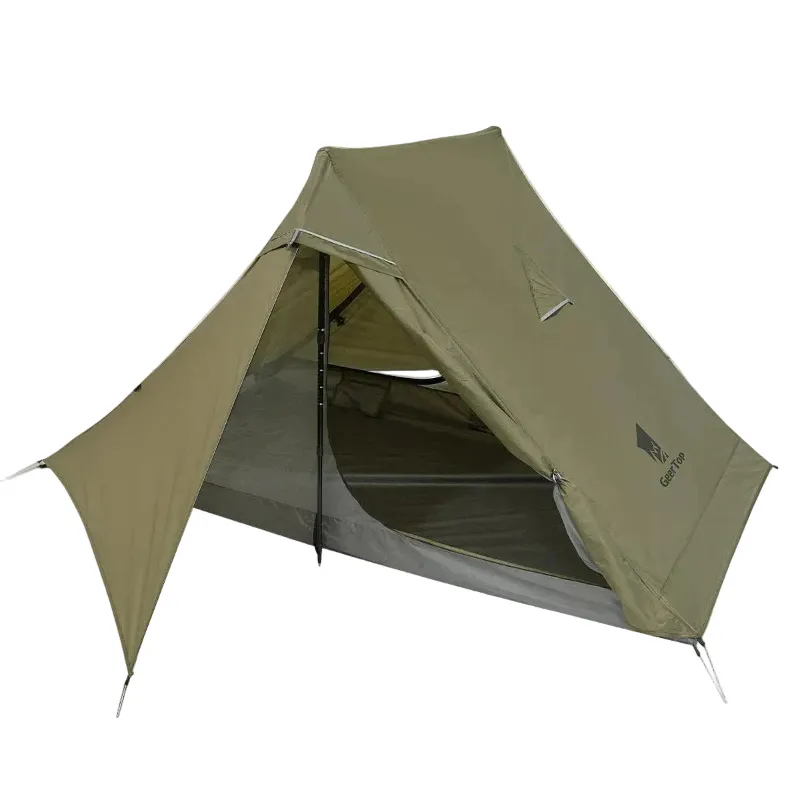
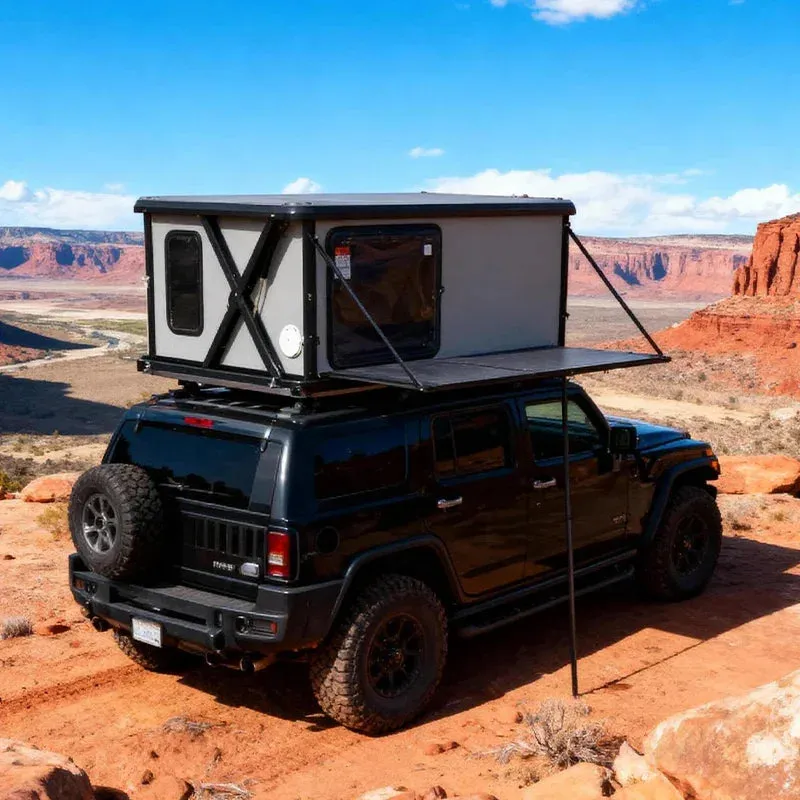 Shopping at GeerTop Outdoor? See the discount code
15% OFF Sitewide
More in this series
How Long Do Flannel Sleeping Bags Stay Warm in Cold Weather?21 Aug 20265 minWhat Do Red and Green Navigation Lights Mean on Boats?21 Aug 20265 minWhich GeerTop 6 Person Camping Tent Fits Your Family Weekend?21 Aug 20263 minSoftshell vs Hardshell Rooftop Tents: Which Is Right for Your Vehicle?21 Aug 20263 min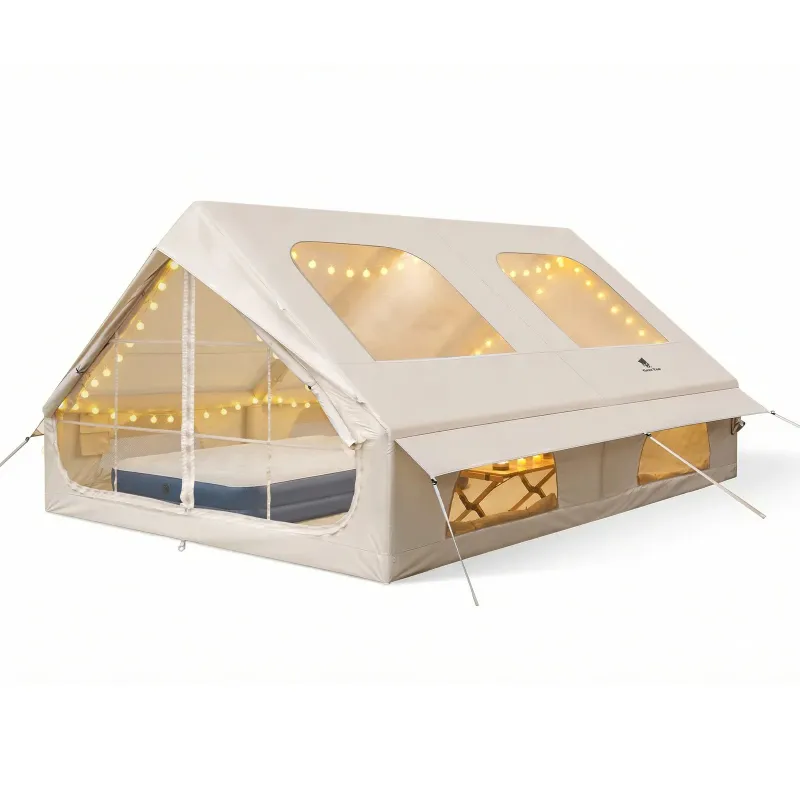 How to Set Up an Inflatable Tent: Step-by-Step Guide for Beginners21 Aug 20263 min