 A GeerTop Outdoor guide
What Do Red and Green Navigation Lights Mean on Boats?
The lights on boats red green indicate port and starboard sides, helping vessels determine right-of-way and avoid collisions on the water.
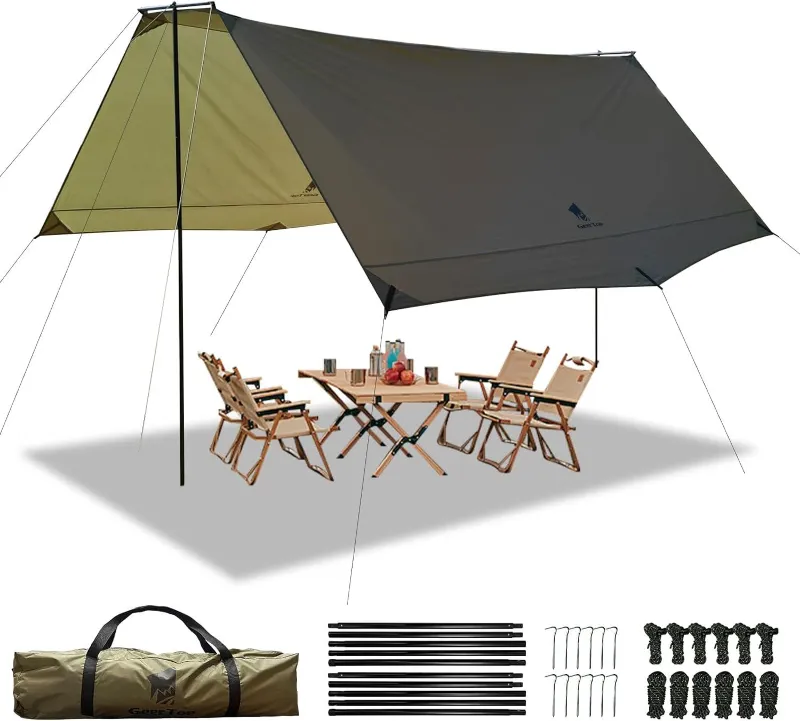
The lights on boats red green show you which side of another vessel you are looking at: red marks the port (left) side and green marks the starboard (right) side. When you spot both colors together, you are looking at a boat heading straight toward you, and you need to take action to avoid a collision. These navigation lights are required by maritime law from sunset to sunrise and in reduced visibility, and knowing what they mean matters whether you are piloting a small fishing boat, a sailboat, or setting up a waterside camp with a waterproof tarp and 6 person camping tent near the shore.
Lights on boats red green: how port and starboard work together
The red and green sidelights each illuminate a 112.5-degree arc, from dead ahead to just past the beam on their own side. A white boat stern light covers the remaining 135 degrees at the rear, so together they light up the full 360 degrees around the boat and tell other boaters your position, heading, and what action to take.
Here is what you see and what it means:
- Green light only. You are looking at the starboard side, and that boat generally has right-of-way if your paths are crossing.
- Red light only. You are looking at the port side, and you generally have right-of-way in a crossing situation.
- Both red and green. The vessel is heading directly toward you, and both boats should alter course to starboard (right).
- White light only. You are behind the boat, seeing only its stern light, and you are the overtaking vessel and must keep clear.
The BoatUS Foundation has diagrams that show these patterns in more detail, worth a look before your next outing.
Visibility requirements and light specifications
Navigation light visibility depends on vessel length. Boats under 39.4 feet (12 meters) must display sidelights visible for at least one nautical mile, while vessels between 39.4 and 164 feet need two-mile visibility. The stern light needs the same range as the sidelights for each size class.
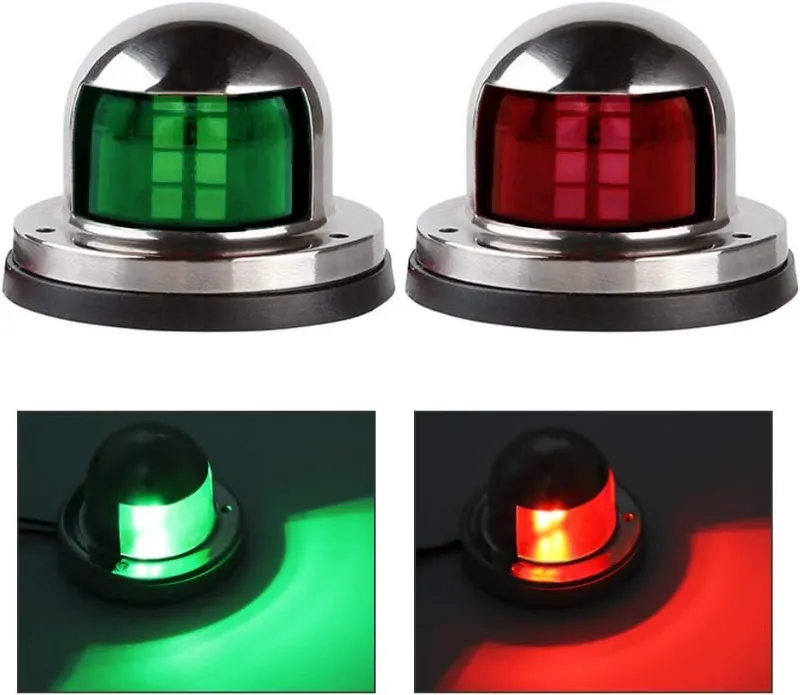
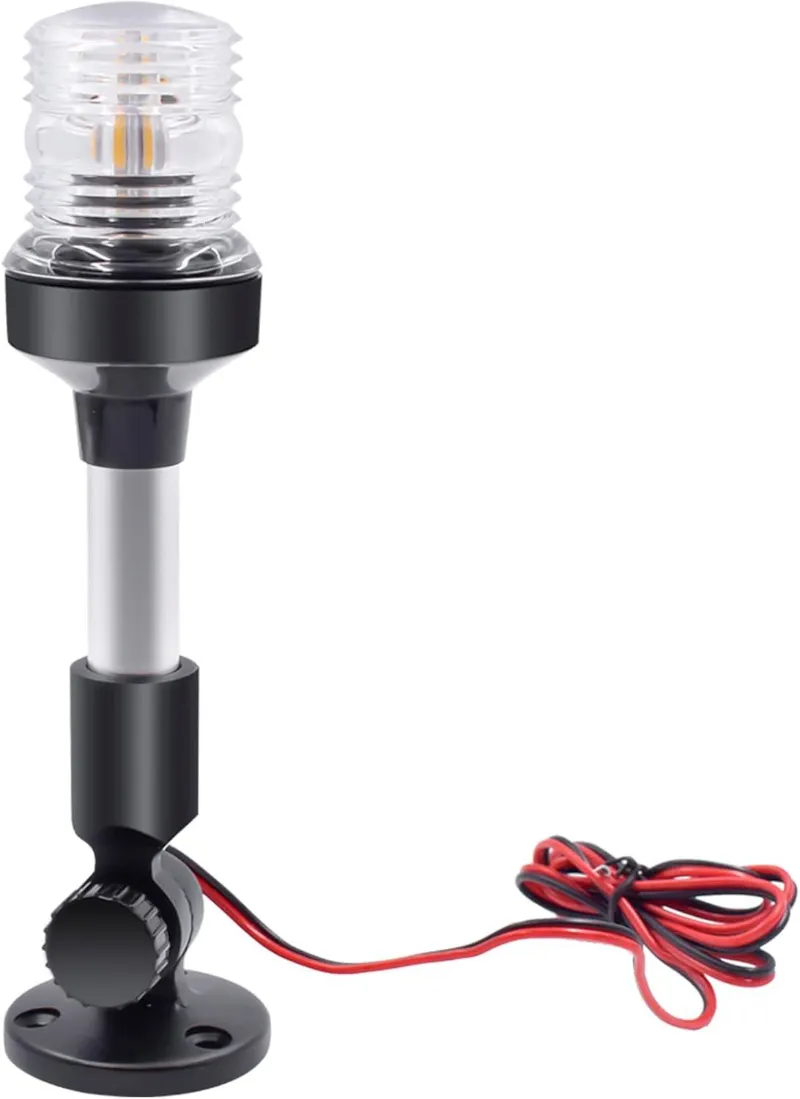
Most recreational boaters use combination fixtures or separate lights built to Coast Guard standards. Quality matters, since a failed light in fog or darkness creates real risk. If you are shopping for replacement lights on boats red green, see the current GeerTop Outdoor discount code for marine and outdoor gear.
What to check on a listing before you buy:
- Red (port) and green (starboard) sidelights each rated for the correct 112.5-degree arc
- Stern (white) light rated for the 135-degree rear arc
- A visibility distance on the packaging that matches your boat’s length class
- Mounting height and position that keeps the light as high as practical without interfering with operation
Who gives way: the rules of the road
Knowing which vessel has right-of-way prevents collisions. The general hierarchy, from most to least restricted in its ability to maneuver, runs: vessel not under command, vessel restricted in its ability to maneuver, vessel engaged in fishing, sailing vessel, then power-driven vessel. Within each category, the lights tell you who yields.
Crossing situation. When two power vessels cross paths, the boat that sees a green light on the other vessel gives way. If you see red, you stand on and maintain course and speed. The old rule of thumb, “red, right, returning,” is for channel markers, not this situation, so do not mix the two up.
Head-on situation. When you see both red and green lights, both vessels should alter course to starboard, passing port side to port side.
Overtaking. If you are coming up from behind and see only the white stern light, you are the overtaking vessel and must keep clear, whether you are under sail or power.
The Indiana Boater Safety Course has interactive scenarios that walk through these rules step by step.
Special configurations for different vessels
Not every boat shows the simple red-green-white pattern. A sailboat under sail alone may show sidelights and a stern light, or a combination tricolor light at the masthead visible for two miles. A boat at anchor shows a white all-around light. A towing vessel adds extra lights depending on the length of the tow.
Common configurations:
| Vessel type | Light pattern | What it tells you |
|---|---|---|
| Powerboat underway | Red and green sidelights plus white stern light | Direction of travel, which side you see |
| Sailboat under sail | Red and green plus stern, or masthead tricolor | Same as a powerboat, and shows it is sailing |
| Boat at anchor | White all-around light | Stationary, stay clear |
| Towing vessel | Extra white lights arranged vertically | A long tow behind, give it a wide berth |
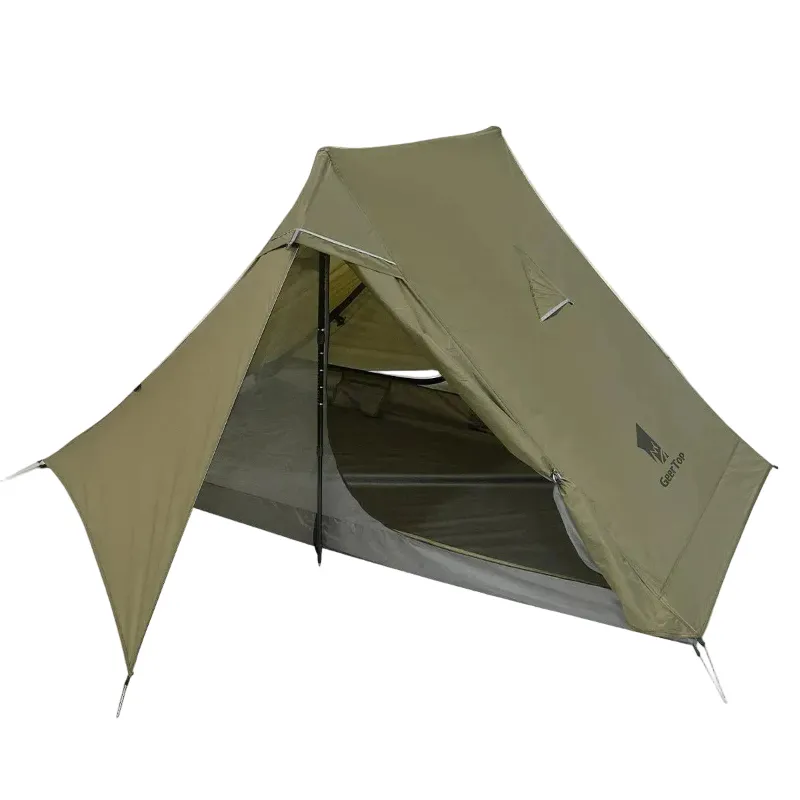
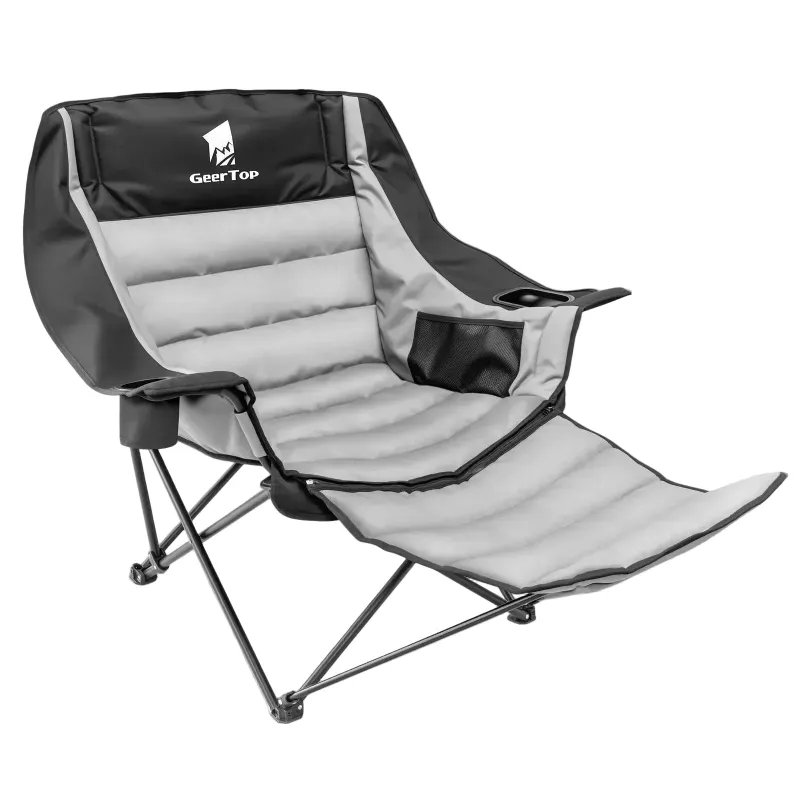
When you are setting up a waterside camp with an ultralight 2 person tent or a camping chair with footrest, knowing these patterns helps you read boat traffic after dark and pick a spot away from the channel.
Maintaining and testing your navigation lights
LED bulbs have mostly replaced incandescent ones for their reliability and lower power draw, but connections still corrode in marine conditions and lenses still crack from vibration or impact.
A simple maintenance routine:
- Inspect lenses for cracks, yellowing, or moisture inside
- Check wire connections for corrosion, which shows up as green or white buildup
- Test each light at dusk to confirm the correct arc is lighting up
- Verify that a combination light switches correctly between modes
- Clean lenses with fresh water and mild soap, since saltwater residue reduces visibility
Carry backup bulbs or a spare portable light that meets Coast Guard requirements. A dead sidelight is not just an infraction, it actively creates collision risk, because other boaters cannot tell your heading without it. Visit our discount page for current deals on replacement marine lights and outdoor gear for your shoreline trips.
Choosing the right lights for your boat
Match light fixtures to your vessel size, mounting location, and typical operating conditions. Smaller boats often use a combination bow light (red and green in one housing) plus a separate stern light, while larger vessels mount individual sidelights for better visibility. All-around lights can double as anchor lights.
Look for Coast Guard-approved fixtures, marked with an approval number, along with a corrosion-resistant housing (stainless steel or a UV-stabilized polymer) and a sealed LED unit that resists moisture. Side mounting works for most recreational boats, while pulpit mounting on a sailboat keeps the lights clear of the deck and rigging.

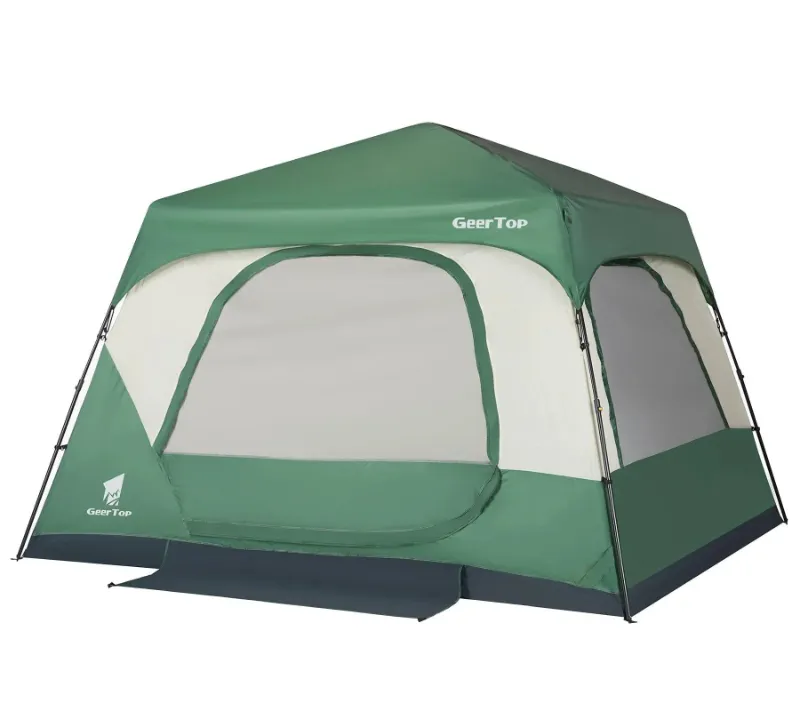
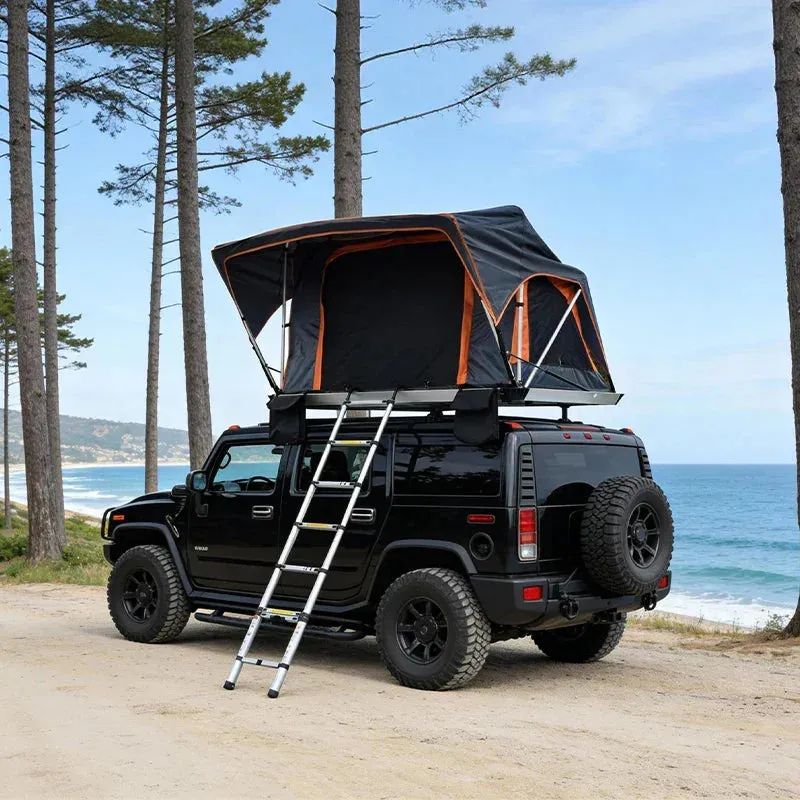
If you are trailering your boat to remote locations and camping overnight with an automatic roof tent or a softshell rooftop tent on your vehicle, remember that working navigation lights matter just as much as your camping gear. Safety on the water starts with being visible and predictable to other vessels, and the red and green sidelights are your main way of communicating that after dark.
Questions
What does it mean when you see both red and green lights on a boat?
When you see both red and green navigation lights, the boat is heading directly toward you. Both vessels should alter course to starboard (turn right) to pass port side to port side and avoid a collision.
Which side of a boat has the green light?
The green light is mounted on the starboard (right) side of the boat when you are facing forward. It illuminates a 112.5-degree arc from dead ahead to just past the beam on the right side.
Do I give way if I see a red light on another boat?
No, if you see only a red light, you are the stand-on vessel and should maintain your course and speed. The other boat sees your green light and is required to give way in a crossing situation.
How far must navigation lights be visible?
For boats under 39.4 feet, sidelights and stern lights must be visible for at least one nautical mile. Vessels between 39.4 and 164 feet require two-mile visibility for these lights.
Can I use a flashlight instead of proper boat navigation lights?
No, a flashlight does not meet Coast Guard requirements. You need approved red, green, and white navigation lights that provide the correct arc coverage and visibility range for your vessel size.
When do I need to turn on my boat's navigation lights?
Navigation lights are required from sunset to sunrise and during any period of reduced visibility, such as fog, heavy rain, or haze. Turn them on before light fades so other vessels can see you.
Products in this guide
 Shopping at GeerTop Outdoor? See the discount code
15% OFF Sitewide
Shopping at GeerTop Outdoor? See the discount code
15% OFF Sitewide
More in this series
How Long Do Flannel Sleeping Bags Stay Warm in Cold Weather?21 Aug 20265 minBest 6 Person Camping Tents for Family Weekend Trips21 Aug 20266 minDo Aluminum Tent Poles Break Easily? Durability and Repair Tips21 Aug 20264 minSoftshell vs Hardshell Rooftop Tents: Which Is Right for Your Vehicle?21 Aug 20265 minHow to Set Up an Inflatable Tent: Step-by-Step Guide for Beginners21 Aug 20264 min