 A MotorGenic guide
When Should You Replace Spark Plug Wires on a 2004 Chevy Avalanche 5.3L?
Replace your 2004 chevy avalanche 5.3l spark plug wire set every 60,000 to 100,000 miles or sooner if you notice misfires, rough idling, or visible cracking.
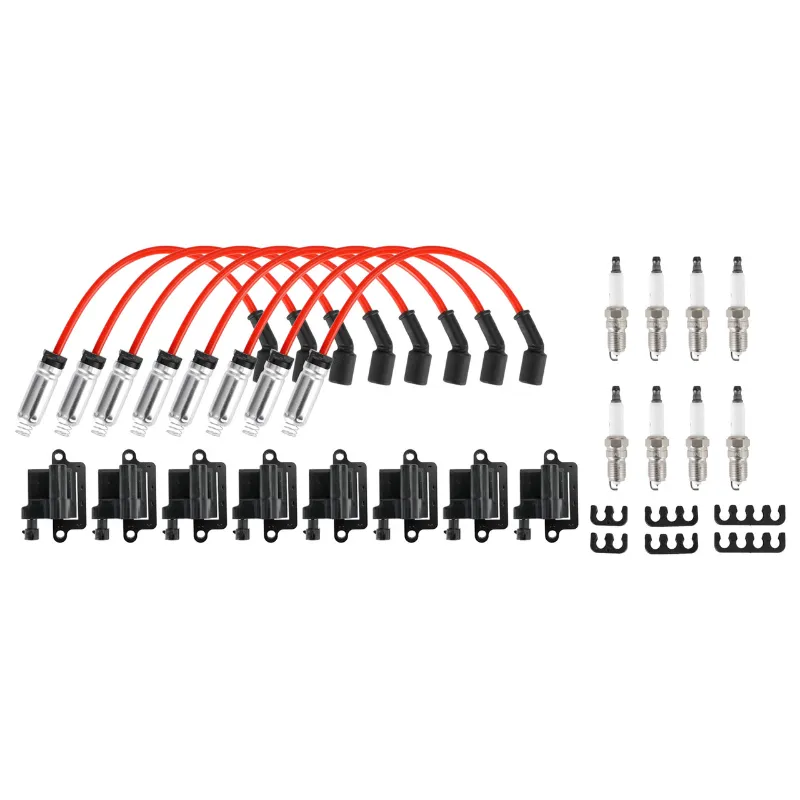
You should replace the 2004 chevy avalanche 5.3l spark plug wire set every 60,000 to 100,000 miles, or immediately if you experience engine misfires, rough idling, increased fuel consumption, or visible wire damage.
Signs Your 2004 Chevy Avalanche 5.3L Spark Plug Wire Needs Replacement
Ignition wires degrade silently until symptoms appear. Watch for these warning signals:
- Engine misfires or stumbling under acceleration, especially when towing or climbing grades
- Rough idle that worsens when accessories like air conditioning turn on
- Check Engine light with P0300-series misfire codes stored in the computer
- Hard starting in damp or cold weather, when moisture amplifies weak insulation
- Reduced fuel economy as incomplete combustion wastes fuel
- Visible cracking, burns, or brittleness in the wire insulation or boots
- Arcing or sparking visible in darkness around the wires, indicating breakdown
The 5.3L’s coil-near-plug design places wires under the engine cover, where heat cycles accelerate aging. If you notice two or more symptoms, check the latest price and plan a replacement rather than waiting for total failure.
How Long Do Spark Plug Wires Last on the 5.3L Engine?
Original equipment wires on 2002-2006 Avalanche trucks typically survive 60,000 to 80,000 miles before insulation resistance drops. Premium aftermarket sets with silicone jackets and spiral-core conductors often reach 100,000 miles. Variables that shorten lifespan include:
- Extreme climates where temperature swings stress insulation
- Frequent short trips that prevent full engine warm-up and trap moisture
- Towing or heavy loads that increase underhood temperatures
- Poor maintenance like skipping air filter changes, which allows debris to abrade wires
- Oil leaks from valve covers that contaminate and dissolve wire jackets
We recommend inspection at every oil change after 50,000 miles. Quality replacement wires from retailers like Advance Auto Parts or AutoZone restore factory performance and often exceed OEM durability. If you’re sourcing parts online, grab the code for an additional discount before checkout.
What to Look for in Replacement Spark Plug Wires
Not all wire sets deliver the same performance or fit. Prioritize these features when shopping:
| Feature | Why It Matters |
|---|---|
| 8mm or larger diameter | Thicker insulation resists heat and electrical leakage better than thin 7mm wires |
| Silicone jacket | Withstands 500°F+ underhood temperatures without cracking, unlike cheaper rubber |
| Spiral-core or helical conductor | Suppresses electromagnetic interference (EMI) that can disrupt sensors and radios |
| OEM-style boots | Heat-resistant boots fit snugly on spark plugs and distributor without forcing |
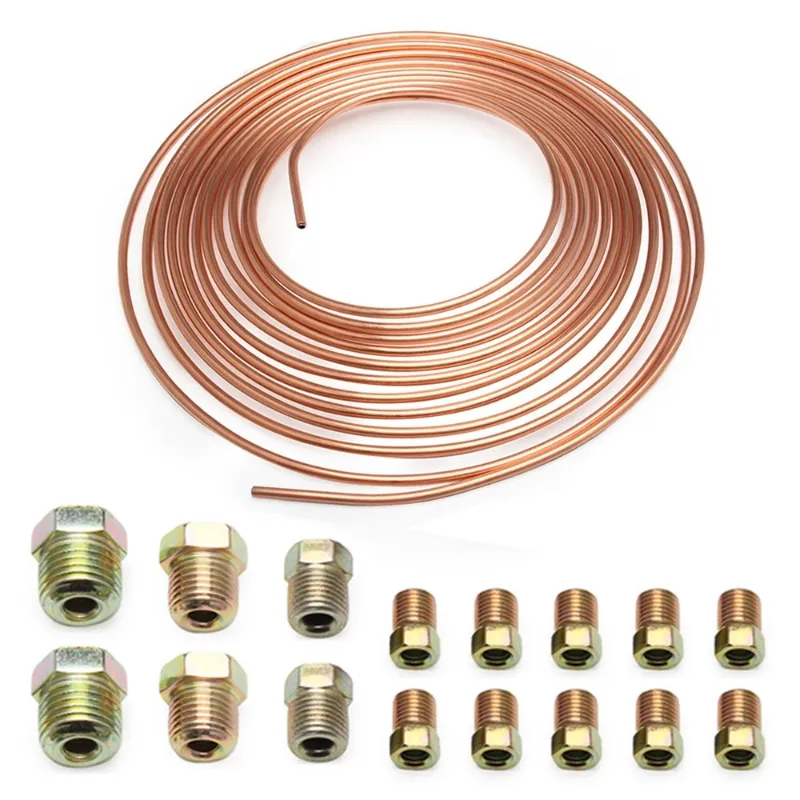
Avoid universal “one size fits all” kits that require cutting to length. The 5.3L uses specific wire routing to clear the engine cover and maintain proper firing order. Sets designed for 2002-2006 Chevrolet trucks with the Vortec 5300 ensure correct fit. If you’re upgrading other ignition components, a copper nickel brake line replacement at the same service interval improves safety and complements your maintenance schedule.
How to Inspect Your Current Wires Before Buying
A quick visual and resistance check saves money if your wires still have life left:
- Remove the engine cover and inspect each wire from distributor cap or coil to spark plug
- Flex the wire gently near the boots, looking for cracks, discoloration, or stiffness
- Check for carbon tracking, which appears as black lines on the insulation where voltage leaked
- Measure resistance with a multimeter (should read 3,000 to 10,000 ohms per foot; consult your wire spec sheet)
- Spray with water in darkness and watch for visible arcing, which signals insulation failure
If resistance exceeds manufacturer spec by 20 percent or you see any arcing, replacement is overdue. Many Walmart Business suppliers offer compatible sets that meet or exceed OEM specifications at competitive prices.
Installation Tips for Maximum Wire Life
Proper installation extends the service interval and prevents comebacks:
- Replace one wire at a time to avoid mixing up the firing order (cylinder order: 1-8-7-2-6-5-4-3)
- Route wires exactly as the originals, using factory clips and looms to prevent contact with hot manifolds
- Apply dielectric grease inside each boot to seal out moisture and ease future removal
- Press boots fully onto plugs until you feel a click or firm seating
- Keep wires separated to prevent cross-fire between cylinders
- Inspect valve cover gaskets for leaks before buttoning up, since oil destroys wire insulation
After installation, clear any stored misfire codes and take a 15-minute test drive under varied throttle conditions. The engine should idle smoothly and accelerate without hesitation. For tools and accessories during your tune-up, visit the MotorGenic coupon page to save on your entire order.
When to Replace Wires as Part of a Larger Tune-Up
Spark plug wires rarely fail alone. We recommend replacing them alongside:
- Spark plugs at 60,000 to 100,000 miles (use AC Delco 41-962 Iridium or equivalent)
- Distributor cap and rotor if your 5.3L uses a distributor (some early Avalanche models do; later ones use coil packs)
- Air filter to ensure proper combustion air supply
- PCV valve to maintain correct crankcase ventilation
Bundling these components into one service appointment saves labor costs and ensures every ignition system element works in harmony. The 2004 chevy avalanche 5.3l spark plug wire is a small investment that prevents roadside breakdowns, protects your catalytic converter from unburned fuel damage, and maintains the towing capacity you bought the truck for in the first place.
Questions
How often should I replace spark plug wires on a 2004 Chevy Avalanche 5.3L?
Replace them every 60,000 to 100,000 miles depending on driving conditions, or immediately if you notice misfires, rough idle, or visible damage. Severe climates and frequent towing shorten wire life.
Can I replace just one spark plug wire instead of the whole set?
You can replace a single damaged wire as a temporary fix, but wires age together. If one fails, the others are near the end of their service life, so replacing the full set prevents repeat repairs within months.
What causes spark plug wires to fail on the 5.3L engine?
Heat, vibration, oil contamination, and electrical stress degrade the insulation over time. The 5.3L's underhood temperatures and coil-near-plug design accelerate aging compared to older distributor setups.
Will bad spark plug wires damage my catalytic converter?
Yes. Misfires send unburned fuel into the exhaust, where it overheats and can melt the catalytic converter's substrate. Replacing worn wires promptly protects this expensive component.
Do I need special tools to replace spark plug wires on an Avalanche?
A spark plug wire puller, dielectric grease, and a 10mm socket for the engine cover are helpful but not essential. Twist and pull boots, never yank wires by the jacket.
Are expensive spark plug wires worth the extra cost?
Premium wires with silicone jackets and spiral cores last longer and suppress interference better than budget sets. For a truck you plan to keep, the difference in durability justifies the cost.
Products in this guide
Shopping at MotorGenic? See the coupon code
5% OFF All Orders
More in this series
 Motorhome Roof Vent with Fan: Do You Need One for Summer Camping?15 Aug 20264 min
 Choosing the Right Mountain Bike: What 21-Speed Gearing Really Means for Trail Riding15 Aug 20265 minDo Copper Nickel Brake Lines Last Longer Than Steel?15 Aug 20265 min
 EJ25 vs Subaru 2.5 Engine: Which Boxer Engine Is Right for Your Build?15 Aug 20265 min
 How to Install Tire Chains on Your Car: Step-by-Step Guide for Winter Driving15 Aug 20265 min