 A MotorGenic guide
Motorhome Roof Vent with Fan: Do You Need One for Summer Camping?
A motorhome roof vent with fan keeps interior temperatures manageable during summer camping by exhausting hot air and drawing in fresh air, making it one of the most effective upgrades for warm-weather comfort.
A motorhome roof vent with fan keeps interior temperatures manageable during summer camping by exhausting hot air and drawing in fresh air, making it one of the most effective upgrades for warm-weather comfort. Whether you need one depends on your climate, usage patterns, and tolerance for heat, but most full-time and summer travelers find active ventilation essential.
Why a Powered Roof Vent Outperforms Passive Ventilation

Passive roof vents rely entirely on convection and wind. They work in mild conditions but struggle when outside temps climb above 85°F or when you’re parked without a breeze. A motorhome roof vent with fan actively pulls hot air from the ceiling and pushes it out, creating continuous airflow even on still days.
Key advantages include:
- Temperature control: Exhausts heat that builds up near the roof, where temperatures can be 20 degrees higher than floor level.
- Humidity management: Removes moisture from cooking, showers, and respiration, preventing mold and condensation.
- Energy savings: Reduces reliance on air conditioning, which draws significant battery or generator power.
- Faster cooldown: After a day in the sun, a fan vent clears stale air in minutes rather than hours.
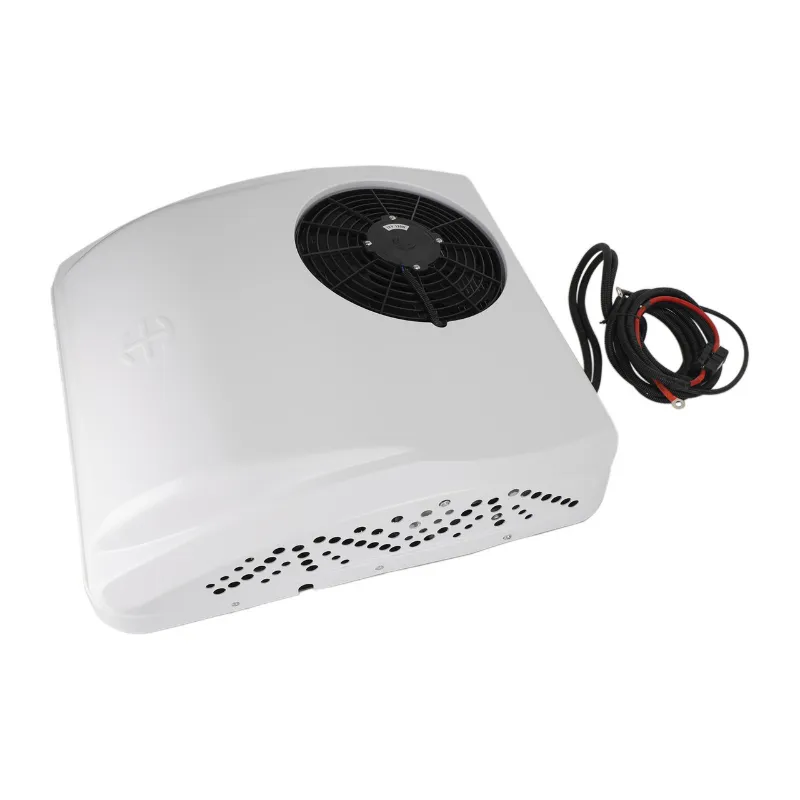
If you already run a camper heat pump for climate control, a roof vent fan complements it by handling ventilation while the heat pump manages heating and cooling cycles more efficiently.
Choosing Between 14 Inch RV Roof Vent With Fan and Universal Options
The 14 inch rv roof vent with fan is the industry standard size, fitting most motorhome rough openings without modification. When shopping, confirm your existing cutout dimensions before ordering. Most factory vents from the 1990s onward use the 14-inch form factor, but older rigs and some custom builds may vary.
| Feature | Standard 14-Inch Vent | Universal Vent Cover |
|---|---|---|
| Fit | Direct drop-in for most RVs | Requires adapter kit or trimming |
| Airflow | 800 to 1,200 CFM | Varies widely by model |
| Installation | 30 to 60 minutes | 60 to 90 minutes |
Universal rv vent cover replacement kits work when your rough opening is non-standard or when you want to upgrade an old vent without cutting new holes. We recommend measuring your current vent frame (not just the visible cover) to ensure compatibility.
For pricing and current deals on roof vents, check the latest offers here before you buy.
RV Roof Vent Replacement vs. Fan Upgrade Kits
If your existing vent housing is in good shape but the fan motor has failed, rv vent fan replacement parts offer a cost-effective fix. Most manufacturers sell motor assemblies, blade kits, and control switches separately. You’ll spend less and generate less waste compared to replacing the entire unit.
Replace the full vent when:
- The housing is cracked, yellowed, or leaking around the frame.
- You want modern features like rain sensors, remote control, or reversible airflow.
- Replacement parts for your discontinued model are unavailable.
Upgrade just the fan when:
- The dome and frame are intact and sealed properly.
- You only need to restore functionality, not add features.
- Your model uses standardized motors (common with Maxxair and Fan-Tastic brands).
Maxxair and Fan-Tastic dominate the RV ventilation market, and both offer robust parts support. If you’re unsure which path to take, most RV supply retailers like Camping World stock both complete units and individual components.
Installation Tips and Avoiding Common Mistakes
Most DIYers can handle an rv roof vent replacement in an afternoon with basic tools. The process involves removing the interior trim ring, unscrewing the old unit, cleaning the roof surface, applying butyl tape or sealant, and securing the new vent.
Mistakes to avoid:
- Using silicone caulk alone: Butyl tape creates a watertight bond that remains flexible through temperature swings; silicone cracks and fails under UV exposure.
- Over-tightening screws: This warps the frame and creates gaps. Snug is enough; the sealant does the sealing work.
- Skipping the rain test: Run a hose over the vent for five minutes before you close up the ceiling. Fix leaks immediately.
- Ignoring wire gauge: If you’re adding a fan to a previously passive vent, use 14-gauge wire for 12V power runs longer than 10 feet to avoid voltage drop.
For detailed walkthroughs with photos, this camper van vent guide covers the same principles that apply to motorhomes.
When a Roof Vent Fan Isn’t Enough
A single roof vent works well in compact rigs under 25 feet, but larger motorhomes benefit from multiple vents or supplemental cooling. If you’re running high-draw appliances or spending weeks in desert climates above 95°F, pair your roof vent with a heat pump or portable AC unit.
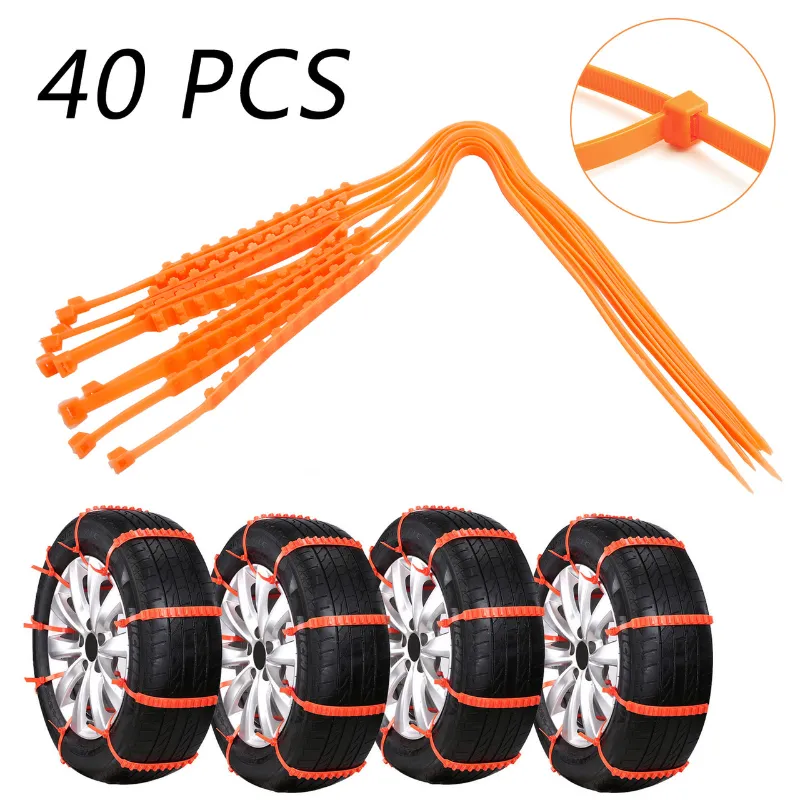
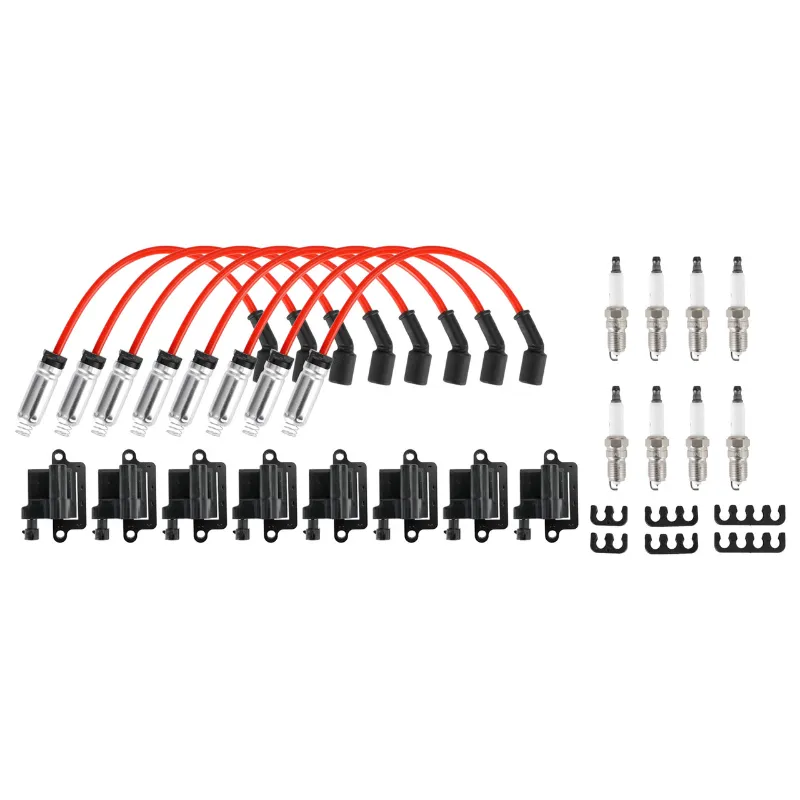
We also stock climate control essentials for other vehicles. If you’re prepping a truck or SUV for summer road trips, grab car tire chains for mountain passes or check out reliable replacement parts like a 2004 chevy avalanche 5.3l spark plug wire set to keep your tow vehicle running smoothly.
Should You Install One Before Summer?
If you camp between May and September in temperatures above 75°F, yes. A motorhome roof vent with fan pays for itself in comfort and reduced AC runtime within a single season. Boondockers and off-grid campers see even faster returns, since battery-powered fans draw only 3 to 5 amps on high speed compared to 30+ amps for a rooftop air conditioner.
Order early in spring to avoid the summer rush. Grab the current discount code and pair your vent with any other RV upgrades you’ve been postponing.
Questions
What size motorhome roof vent with fan do I need?
Most motorhomes use a 14-inch roof vent, which fits the standard rough opening. Measure your existing vent frame or the roof cutout to confirm before ordering.
Can I replace just the fan motor instead of the whole vent?
Yes, if the vent housing and dome are intact. Most major brands sell replacement motors, blades, and switches separately, saving you money and installation time.
How much power does an RV roof vent fan use?
Typical 12V roof vent fans draw 2 to 5 amps depending on speed, making them far more battery-friendly than air conditioners, which can pull 30 amps or more.
Do I need a rain sensor on my roof vent fan?
Rain sensors automatically close the vent when moisture is detected, protecting your interior if you forget to shut it during a storm. They're convenient but not essential if you monitor weather closely.
Will a roof vent fan work without shore power?
Yes, roof vent fans run on 12V DC power from your RV battery, so they work perfectly for boondocking and off-grid camping as long as your battery is charged.
How long does a motorhome roof vent last?
Quality roof vents last 10 to 15 years with proper maintenance. UV exposure and sealant degradation are the most common failure points, so inspect and reseal annually.
Products in this guide
 Shopping at MotorGenic? See the coupon code
5% OFF All Orders
Shopping at MotorGenic? See the coupon code
5% OFF All Orders
More in this series
When Should You Replace Spark Plug Wires on a 2004 Chevy Avalanche 5.3L?15 Aug 20264 min Choosing the Right Mountain Bike: What 21-Speed Gearing Really Means for Trail Riding15 Aug 20265 min
 Do Copper Nickel Brake Lines Last Longer Than Steel?15 Aug 20265 min
 EJ25 vs Subaru 2.5 Engine: Which Boxer Engine Is Right for Your Build?15 Aug 20265 minHow to Install Tire Chains on Your Car: Step-by-Step Guide for Winter Driving15 Aug 20265 min