 A MotorGenic guide
EJ25 vs Subaru 2.5 Engine: Which Boxer Engine Is Right for Your Build?
The EJ25 engine is one of Subaru's most iconic boxer units, but knowing how it stacks up against the newer Subaru 2.5 engine platform can make or break your next build.
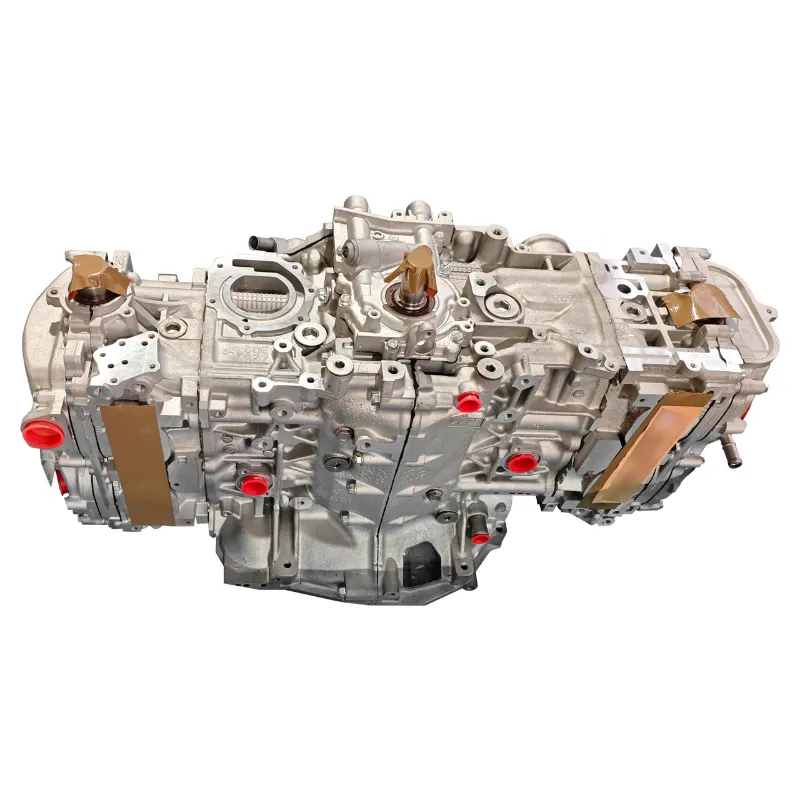
The ej25 engine is one of Subaru’s most celebrated boxer fours, but choosing between it and a newer subaru 2.5 engine platform is a decision that depends heavily on your goals, budget, and how much wrenching you are willing to do. Both displace 2.5 liters, both lay flat, and both have loyal followings. This guide cuts through the noise so you can make the right call.
What Is the EJ25 Engine and Why Does It Matter?
The EJ25 is a horizontally opposed (boxer) four-cylinder engine that Subaru produced from 1995 through 2021 in various forms. As the Subaru EJ engine Wikipedia article details, the family covers naturally aspirated, turbocharged, and dual-overhead-cam variants, making it one of the most versatile platforms Subaru ever built.
Key EJ25 engine specs at a glance:
- Displacement: 2,457 cc
- Configuration: Horizontally opposed flat-four (boxer)
- Horsepower range: Varies widely by variant, from roughly 165 hp in base SOHC trims to over 300 hp in the Stage 2 STI tune (check current listings for exact output figures)
- Torque delivery: Low center of gravity thanks to the flat layout improves handling balance
- Variants: EJ251, EJ252, EJ253 (SOHC NA), EJ255 (DOHC turbo), EJ257 (high-output STI)
- Block material: Aluminum alloy open-deck design
As CarBuzz notes, the turbocharged EJ25 in particular has earned a place in automotive history for its role in rally-bred Impreza WRX and STI models across multiple decades.
EJ25 Engine Problems and Reliability: What Buyers Need to Know
No engine guide is honest without covering the weak spots. EJ25 engine reliability is genuinely strong for a performance-oriented platform, but there are recurring issues worth knowing before you commit.
- Head gasket failure: The single most common complaint, especially on 1999-2004 SOHC engines. Coolant and oil sealing between the block and heads can deteriorate over time, particularly with neglected coolant changes.
- Ringland failure (turbocharged): Aggressive tuning on stock pistons, especially the EJ255, can crack the third piston ringland. Running proper fueling and not pushing boost too hard on stock internals reduces this risk significantly.
- Oil consumption: Some later SOHC variants are known to consume oil between changes. Regular level checks are non-negotiable.
- Open-deck block: The EJ’s open-deck architecture is a limitation for extreme builds. Closed-deck conversions are popular in the tuning community for this reason.
EJ25 engine problems are real but manageable. Most can be addressed proactively with quality coolant conditioner, conservative tuning, and regular maintenance intervals.
Subaru 2.5 Engine Platforms Compared: EJ vs FB
When Subaru shoppers search for a subaru 2.5 engine, they often encounter both the EJ-series and the newer FB25 that replaced it from 2011 onward. Here is how the two generations compare across the dimensions that matter most to builders and daily drivers alike.
| Feature | EJ25 | FB25 |
|---|---|---|
| Block design | Open-deck aluminum | Semi-closed deck aluminum |
| Cam drive | Belt (timing belt) | Chain (timing chain) |
| Head gasket reputation | Known weakness | Improved design |
| Tuning potential | Extensive aftermarket | Growing but smaller catalog |
| Parts availability | Very high | Moderate and growing |
| Idle character | Distinctive boxer rumble | Smoother, quieter |
For community-sourced insight on real-world ownership differences, the Ej25 or Fb25 thread on SubaruForester.org offers hundreds of owner opinions worth reading before you decide.
Bottom line: If aftermarket support and tuning ceiling are priorities, the EJ25 wins. If you want lower maintenance overhead and modern refinement, the FB25 is worth considering.
EJ25 Engine Horsepower and Build Potential
EJ25 engine horsepower potential is the main reason the platform still commands strong demand in the used and crate engine market. The turbocharged variants in particular respond well to bolt-on modifications.
Common build stages for the EJ257 (STI) platform:
- Stage 1: Tune only, gains roughly 20-40 hp on a healthy stock engine
- Stage 2: Downpipe, intake, and tune. A common entry point for serious street builds
- Stage 3: Fueling upgrades, larger turbo, top-mount vs. front-mount intercooler choices
- Built motor: Closed-deck block, forged pistons and rods, capable of 400-600+ hp depending on supporting mods
For anyone sourcing an engine, check the latest pricing and discount code at our MotorGenic coupon page before you buy. We track current offers so you do not have to.
What Other Parts Pair With a Boxer Engine Swap?
An engine swap rarely stops at the engine itself. Here are the supporting components that commonly appear on the same build list:
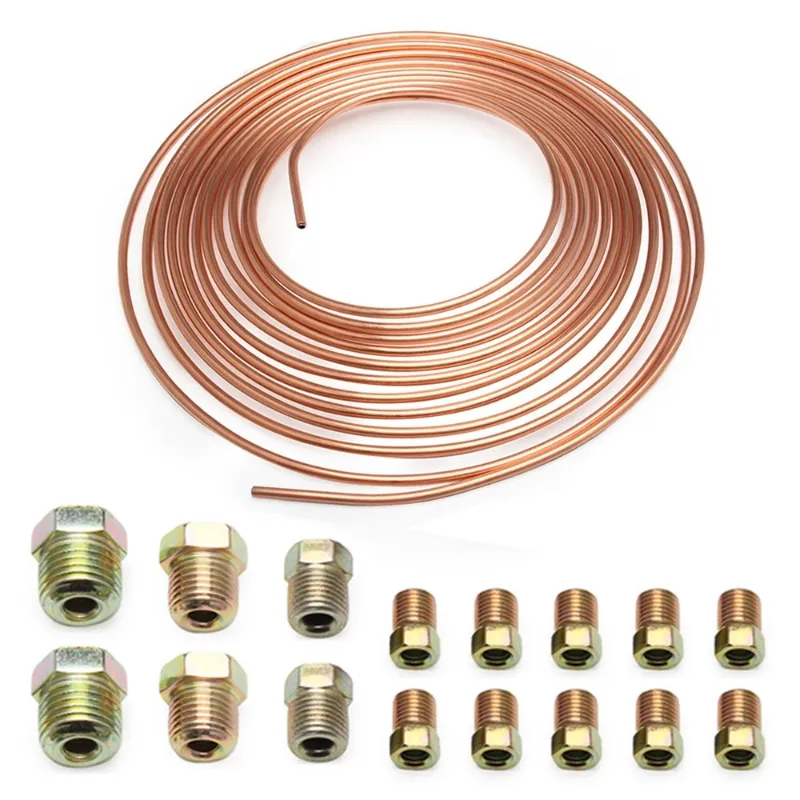
- Brake system refresh: Upgraded brake lines are critical when adding power. A set of copper nickel brake line tubing is far easier to bend and flare than steel and resists corrosion far longer, which makes it a smart choice for any chassis that sees performance use.
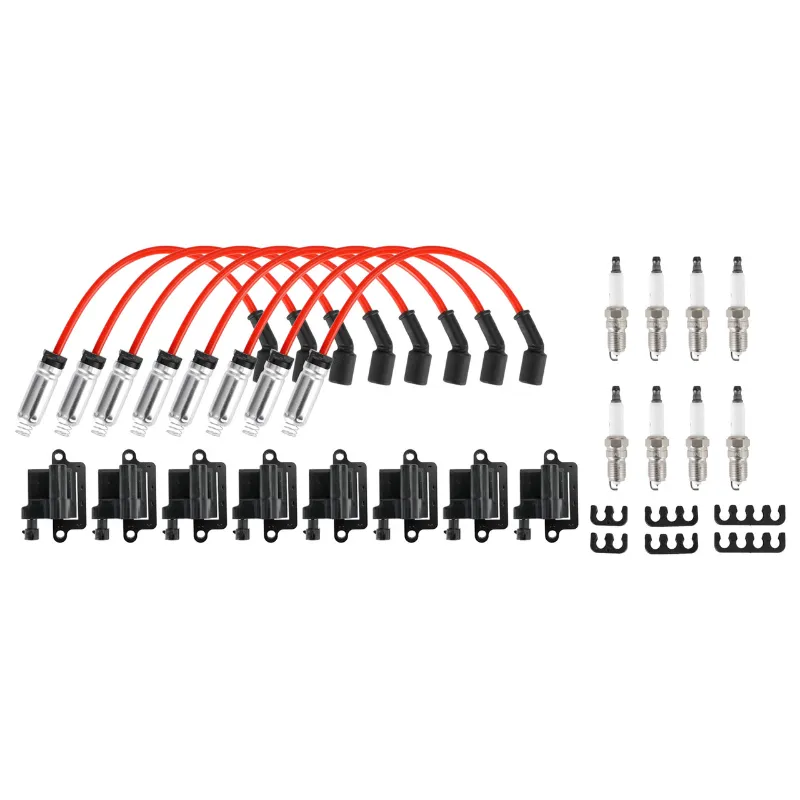
- Spark and ignition: If you are sourcing parts across platforms, quality ignition wiring matters. The 2004 chevy avalanche 5.3l spark plug wire is an example of the kind of OEM-spec ignition component worth cross-referencing for quality standards on any build.
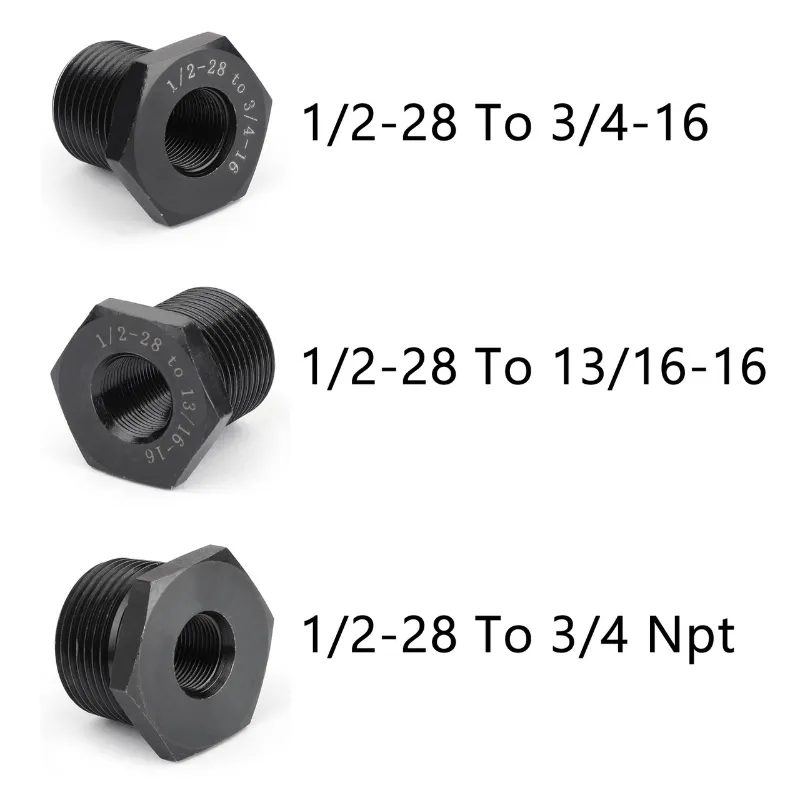
- Thread adapters for exhaust or accessories: Precision fittings like a 1/2×28 to 3/4×16 thread adapter often come up when adapting components between platforms, so keep one in your parts inventory.
Where to Find an EJ25 Engine for Sale
Sourcing an EJ25 engine for sale involves weighing condition, mileage, variant, and price. Here is what to look for:
- Verified mileage documentation from the donor vehicle
- Compression test results before purchase or at minimum a seller who offers a return window
- VIN-matched paperwork where possible to confirm the variant (EJ251 vs EJ255 vs EJ257 are very different engines)
- Head gasket service history or willingness to rebuild before installation
For a direct source, view the ej25 engine listing and check the current price and any available discount before ordering. Stock on used OEM engines moves fast.
Who Should Choose the EJ25 Over a Newer Platform?
The EJ25 engine suits a specific type of buyer well:
- Performance builders who want decades of documented tuning knowledge, off-the-shelf ECU maps, and a massive used parts ecosystem
- WRX and STI restorers who need to maintain period-correct specifications
- Budget-conscious swappers who can find a used example at a lower entry cost than newer alternatives
- Enthusiasts who appreciate the raw, characterful delivery of the turbo flat-four over modern refinement
If you are a daily driver prioritizing long-term simplicity with minimal timing-belt service intervals, the FB-series Subaru 2.5 engine may serve you better. But for anyone chasing performance, the EJ platform remains the benchmark. Check our discount code to save on your engine purchase and supporting parts today.
Questions
Is the EJ25 engine reliable for daily driving?
Yes, the EJ25 engine can be a solid daily driver when maintained properly. The main areas to stay on top of are coolant condition to prevent head gasket issues and regular oil level checks, especially on higher-mileage SOHC variants.
What is the difference between an EJ25 and the newer Subaru 2.5 engine?
The EJ25 uses a timing belt and an open-deck block design, while the newer FB-series Subaru 2.5 engine uses a timing chain and a semi-closed deck for improved durability. The EJ25 has a much larger aftermarket and higher tuning ceiling, while the FB offers lower maintenance overhead.
What are the most common EJ25 engine problems to watch for?
Head gasket failure is the most widely reported issue, particularly on 1999 to 2004 SOHC models. Turbocharged variants can suffer ringland failure under aggressive tuning on stock pistons. Both issues are preventable with proper maintenance and conservative power levels.
How much horsepower can an EJ25 engine make with modifications?
Output varies widely by variant and build level. Stock turbocharged examples already produce strong power, and a built EJ257 with forged internals and a larger turbo can exceed 400 to 600 hp depending on supporting modifications. Check current engine listings for baseline specs.
What should I look for when buying an EJ25 engine for sale?
Prioritize mileage, a compression test, and head gasket service history. Confirm the exact variant by VIN since the EJ251, EJ255, and EJ257 are mechanically very different. A seller who offers a return window or test documentation is a strong sign of a trustworthy listing.
Does the copper nickel brake line work well on a Subaru build?
Copper nickel brake line is an excellent choice for any performance or swap build, including Subaru platforms. It bends easily without cracking, flares cleanly, and resists corrosion far better than standard steel line, making it a preferred upgrade for enthusiast builds.
Products in this guide
 Shopping at MotorGenic? See the coupon code
5% OFF All Orders
Shopping at MotorGenic? See the coupon code
5% OFF All Orders
More in this series
 Motorhome Roof Vent with Fan: Do You Need One for Summer Camping?15 Aug 20264 minWhen Should You Replace Spark Plug Wires on a 2004 Chevy Avalanche 5.3L?15 Aug 20264 min
 Choosing the Right Mountain Bike: What 21-Speed Gearing Really Means for Trail Riding15 Aug 20265 minDo Copper Nickel Brake Lines Last Longer Than Steel?15 Aug 20265 min
 How to Install Tire Chains on Your Car: Step-by-Step Guide for Winter Driving15 Aug 20265 min