 A MotorGenic guide
How to Install Tire Chains on Your Car: Step-by-Step Guide for Winter Driving
Installing car tire chains properly ensures maximum traction on snow and ice while protecting your vehicle from damage.
How to Install Car Tire Chains for Safe Winter Driving
Car tire chains provide essential traction when roads turn icy or snow-packed, and installing them correctly takes just 10 to 15 minutes once you know the steps.
Choosing the Right Chains Before Installation
Before you can install anything, you need chains that fit your specific tire size. Check the sidewall of your tire for the three-number code (like 205/55R16) and match it to the chain manufacturer’s sizing chart. Snow chains come in multiple styles, including traditional link chains, cable chains, and composite alternatives, each with different installation methods.
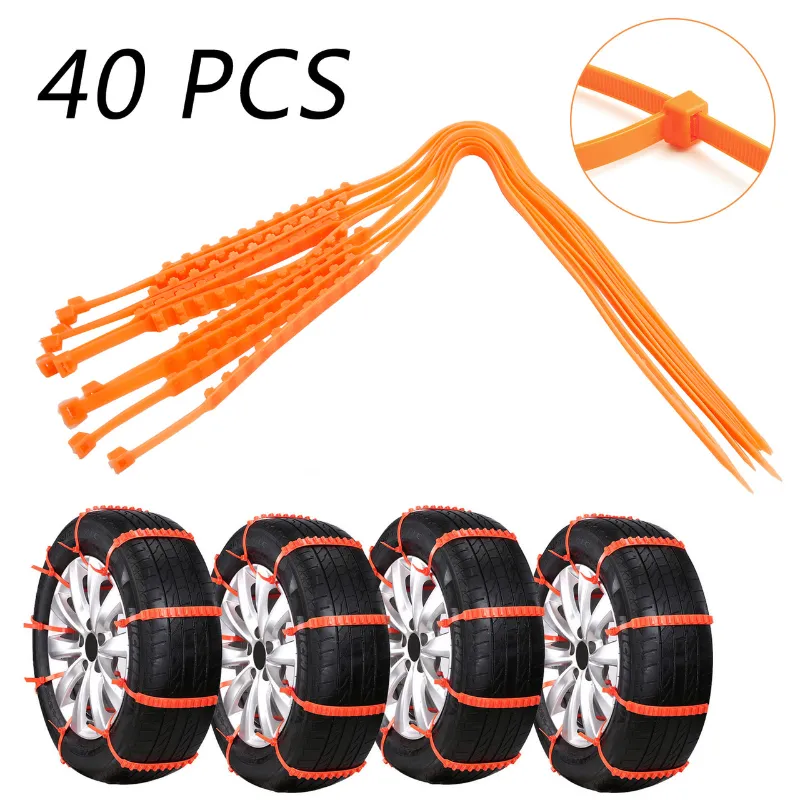
Most passenger cars and SUVs work with standard link chains or cables. If you’re shopping for car tire chains, verify your vehicle’s wheel-well clearance first. Some modern cars with tight fender gaps cannot accommodate traditional chains. You can check the latest price and grab our code to save on your order.
Key sizing factors:
- Tire width, aspect ratio, and rim diameter must match
- Front-wheel-drive vehicles need chains on front tires only
- All-wheel-drive and four-wheel-drive vehicles typically need chains on all four tires (check your owner’s manual)
- Trucks and larger SUVs may require heavy-duty snow chains for trucks
Step-by-Step Installation Process
We recommend practicing installation in your driveway before you need chains in an emergency. Here’s the proven method that works across most chain types.
1. Prepare your workspace
Park on level ground away from traffic. Engage the parking brake and turn on your hazard lights. Lay out the chains and untangle them completely. Identify the inside and outside of each chain; most have a smooth side that faces the tire and a hook side that faces out.
2. Drape the chains over the tire
Center the chain web over the top of the tire so equal lengths hang down both sides. For drive wheels, make sure the chain covers the tread area completely. If you’re working with snow chains for car tires that have a cable design, the process is similar but the cable should sit in the tire’s center groove.
3. Connect behind the tire
Reach behind the tire and pull the two ends together. Most chains use a hook-and-loop or hook-and-chain connection system. Fasten the inside connection first (the side closest to the vehicle). You may need to roll the car forward 6 to 12 inches to access the connection point easily.
4. Secure the outside connections
Once the inside is connected, fasten the outer hooks or tensioners. Pull snug but don’t over-tighten yet. Modern chains often include a self-tensioning system or rubber tensioners that you hook across the outer face of the tire.
5. Drive and re-tighten
Drive forward about 50 feet, then stop and check the chains. They should be snug against the tire without sagging. Tighten any loose connections or adjust tensioners. This re-check is critical because chains loosen slightly after the first few rotations.
Cables vs Traditional Link Chains
The debate between snow cables vs chains comes down to ease of installation versus maximum traction. We’ve used both extensively in mountain passes and urban winter conditions.
| Feature | Cable Chains | Link Chains |
|---|---|---|
| Installation time | 5-8 minutes | 10-15 minutes |
| Traction on ice | Good | Excellent |
| Wheel clearance needed | Minimal | Moderate |
| Durability | 2-3 seasons | 5+ seasons |
Cable-style chains install faster and work well for occasional use or light snow. Traditional link chains deliver superior grip on tire chains for ice and handle steep grades better. If you drive frequently in severe conditions or need snow chains for suv applications with heavy loads, link chains are worth the extra installation effort.
Common Installation Mistakes to Avoid
We see these errors frequently, and each one can damage your vehicle or reduce chain effectiveness.
Backward installation: Chains have a directional tread pattern. The hooks and cross-links must face outward for proper bite. If installed inside-out, they won’t grip correctly and may tangle.
Loose fit: Chains that sag or drape will slap against the wheel well and can damage the car fender or brake lines. Always re-tighten after your first 50 feet of driving.
Wrong tire placement: Front-wheel-drive cars need chains on the front; rear-wheel-drive on the rear. Installing on the wrong axle eliminates steering control or creates dangerous fishtailing.
Ignoring clearance: Before buying, confirm your vehicle has at least 1.5 inches of clearance around the tire. Check inside the wheel well, behind the tire, and in front near the fender. Tight-clearance vehicles may require low-profile chains or alternatives.
Where to Buy and Current Deals
Finding quality chains locally can be hit-or-miss. Many drivers search for tire chains near me or snow chains near me when a storm is already approaching, only to find stores sold out. We recommend ordering ahead of winter and keeping chains in your trunk.
You can compare options and find tire chains for sale with our exclusive discount at MotorGenic. Our current testing shows that mid-range chains from established brands offer the best balance of durability and ease of installation for most drivers.
For more detailed comparisons of leading brands, Car and Driver’s tested tire chain guide covers performance across multiple snow conditions.
Maintenance and Storage Tips
Proper care extends chain life significantly. After each use, rinse chains with fresh water to remove road salt and grit. Dry them completely before storage to prevent rust. Store in a breathable bag or the original container, never in a sealed plastic bin where moisture can accumulate.
Inspect chains before each season for:
- Broken or stretched links
- Worn cross-chains that have thinned by more than 30 percent
- Damaged hooks or tensioning hardware
- Rust that has compromised metal integrity
Replace chains that show significant wear. A broken chain at highway speed can cause serious damage to your wheel well, fender, or brake components. Quality chains should last five or more seasons with proper maintenance, while cable designs typically need replacement after two to three winters of regular use.
Who Should Keep Chains in Their Vehicle
We recommend carrying chains if you regularly drive in mountain areas, live where winter storms are common, or travel to ski resorts. Many mountain passes legally require chains or four-wheel drive during certain conditions, and law enforcement will turn back vehicles without proper equipment.
Even if you have all-wheel drive and winter tires, chains provide a critical safety margin on steep grades or during severe ice storms. They’re also essential if you tow a trailer or drive a heavier vehicle like a truck or SUV in winter conditions. The small investment in quality car tire chains and the 20 minutes spent learning proper installation can prevent you from being stranded or losing control on a dangerous mountain road.
Questions
Do I need tire chains on all four wheels?
It depends on your vehicle's drivetrain. Front-wheel-drive vehicles need chains only on the front wheels, rear-wheel-drive only on the rear. All-wheel-drive and four-wheel-drive vehicles typically require chains on all four wheels for balanced traction, but check your owner's manual for specific recommendations.
Can I install car tire chains without moving my vehicle?
You can drape and partially connect chains without moving, but you'll need to roll the car forward 6 to 12 inches to access the connection point behind the tire. After installation, drive 50 feet and re-tighten to ensure a proper fit.
How fast can I drive with tire chains installed?
Most manufacturers recommend a maximum speed of 30 mph with chains installed. Driving faster increases the risk of chain breakage and can damage your vehicle's wheel wells or suspension components.
Are cable chains easier to install than link chains?
Yes, cable chains typically install in 5 to 8 minutes compared to 10 to 15 minutes for traditional link chains. However, link chains provide better traction on ice and steep grades, so the choice depends on your driving conditions.
What do I do if my chains break while driving?
Pull over safely as soon as possible and remove the broken chain completely. Driving with a broken chain can cause severe damage to your fender, brake lines, and wheel well. If you have a spare set, install it; otherwise, proceed cautiously to the nearest service area.
How do I know if my vehicle has enough clearance for chains?
Measure the space between your tire and the wheel well, fender, and suspension components. You need at least 1.5 inches of clearance all around. Consult your owner's manual or the tire chain manufacturer's vehicle compatibility list if you're unsure.
Products in this guide
Shopping at MotorGenic? See the coupon code
5% OFF All Orders
More in this series
 Motorhome Roof Vent with Fan: Do You Need One for Summer Camping?15 Aug 20264 min
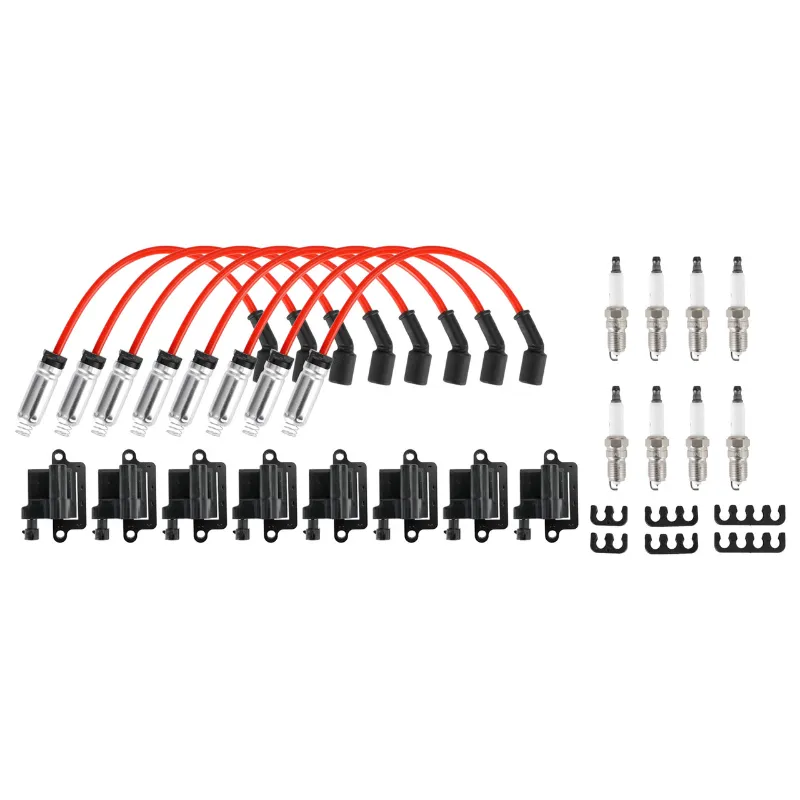 When Should You Replace Spark Plug Wires on a 2004 Chevy Avalanche 5.3L?15 Aug 20264 min
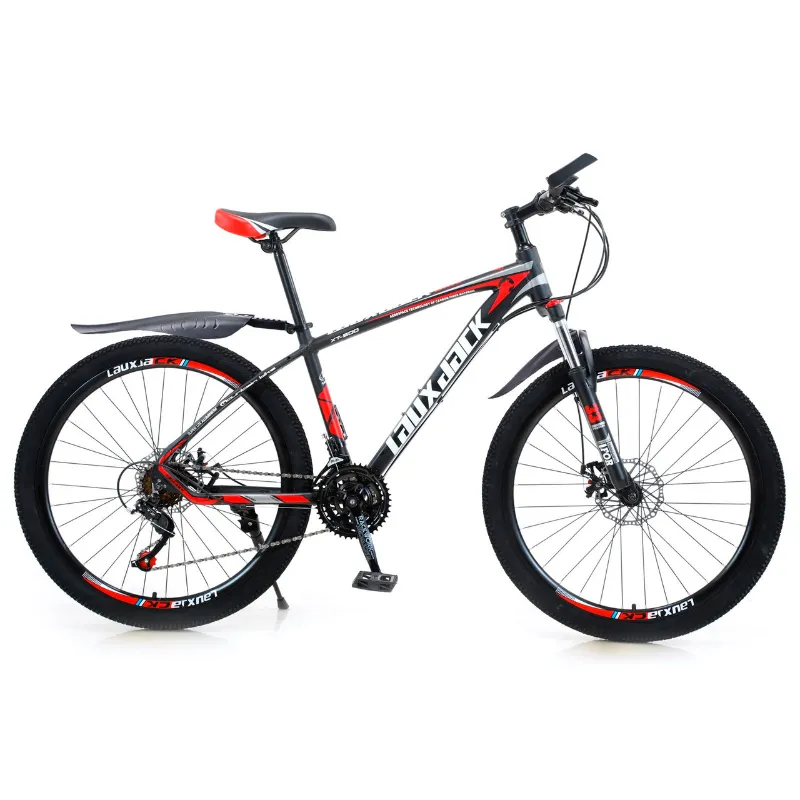 Choosing the Right Mountain Bike: What 21-Speed Gearing Really Means for Trail Riding15 Aug 20265 min
 Do Copper Nickel Brake Lines Last Longer Than Steel?15 Aug 20265 min
 EJ25 vs Subaru 2.5 Engine: Which Boxer Engine Is Right for Your Build?15 Aug 20265 min