 A MotorGenic guide
Do Copper Nickel Brake Lines Last Longer Than Steel?
A copper nickel brake line typically lasts decades longer than steel because it resists corrosion from road salt and moisture without flaking or rupturing.
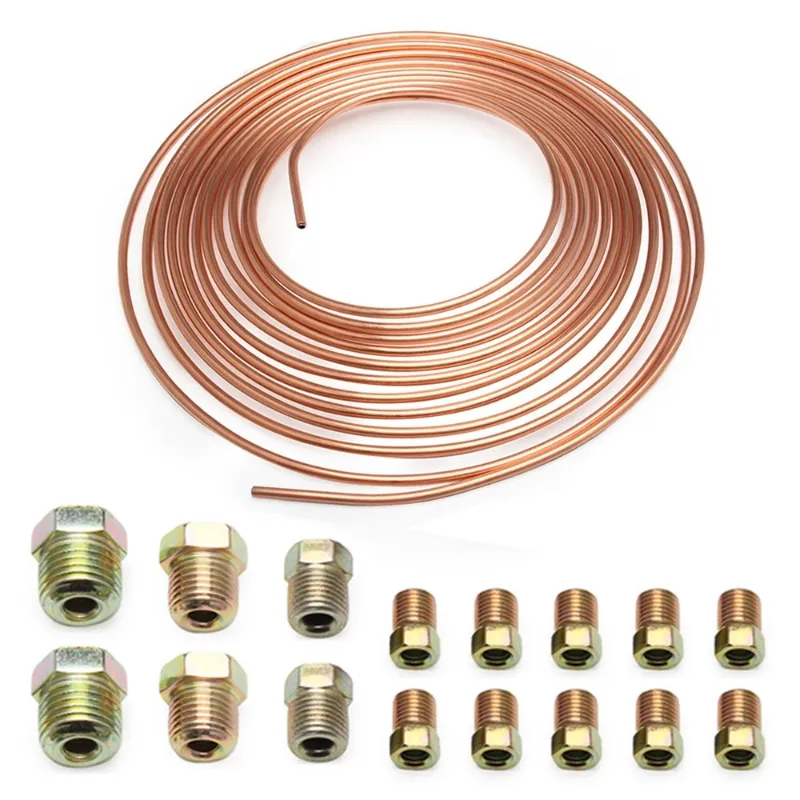
A copper nickel brake line outlasts traditional steel brake line by decades because its 90/10 copper-nickel alloy resists corrosion from road salt, moisture, and brake fluid far better than coated steel.
Why Copper Nickel Brake Line Resists Rust Better
Steel brake lines rely on zinc or tin coatings for corrosion protection, but road salt and stone chips break through that layer within a few winters. Once moisture reaches bare steel, rust spreads fast and causes pinhole leaks or catastrophic rupture.
Copper-nickel alloy corrodes differently. The nickel forms a stable oxide layer on the surface that actually slows further oxidation. We see surface patina but rarely the structural pitting that plagues steel. Shops in northern states report copper-nickel lines lasting 20-plus years on daily drivers that see heavy winter salt exposure.
Key rust-resistance advantages:
- No coating to chip or flake off during installation
- Oxide patina protects the base metal instead of accelerating failure
- Immune to galvanic corrosion when paired with brass fittings
- No special storage needed before installation
Grab the code for our current discount on brake line upgrades and related parts.
Copper Nickel Brake Line vs Stainless Steel Durability
Stainless steel brake line offers excellent corrosion resistance, but it brings trade-offs that affect longevity in practice. Stainless requires a tube bender and precise flaring tools because it work-hardens and cracks if you over-bend or re-bend a section. One botched flare means cutting off six inches and starting over.
Copper-nickel bends by hand for gentle curves and tolerates minor repositioning without cracking. We have re-routed copper-nickel lines during suspension swaps with zero leaks. That flexibility prevents installation mistakes that shorten service life.
| Material | Corrosion Resistance | Bend Radius | Flare Tool Needed | Cost |
|---|---|---|---|---|
| Copper-Nickel | Excellent | Tight, hand-bendable | Standard double-flare | Moderate |
| Stainless Steel | Excellent | Wide, needs bender | Specialized stainless | High |
| Coated Steel | Poor to fair | Moderate | Standard double-flare | Low |
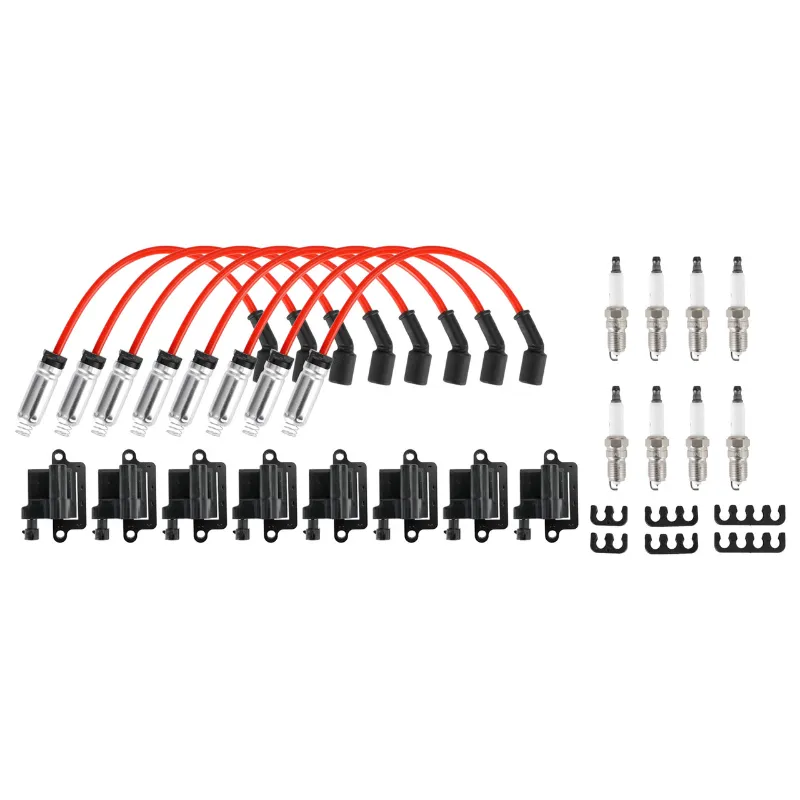
Stainless also costs roughly double what copper-nickel runs per foot, and most DIYers lack the tools to work it safely. For vehicles like a 2004 Chevy Avalanche 5.3L spark plug wire replacement job where you are already under the truck, copper-nickel gives you professional results without specialized equipment.
Copper Nickel Brake Line Sizes and Compatibility
Most passenger vehicles use 3/16 inch brake line for rear brakes and disc brake circuits, while 1/4 inch line feeds front drums or runs from the master cylinder to the ABS module. Copper-nickel is available in both sizes as coiled bulk line or pre-bent kits.
A copper nickel brake line kit typically includes the three to five most common lengths for a specific vehicle, along with tube nuts and unions. Kits save time but cost more per foot than bulk coil. We buy 25-foot coils of 3/16 copper nickel brake line and keep the remainder for future repairs on other vehicles in the fleet.
Check your vehicle’s existing line outer diameter before ordering:
- 3/16 inch: most common for rear axle lines, flexible hose connections
- 1/4 inch: master cylinder to ABS, some front brake circuits
- Metric equivalents: 4.75 mm and 6 mm on European and Asian models
Copper-nickel uses the same SAE 45-degree double-flare as steel, so your existing flaring tool works. Tube nuts thread onto copper-nickel and steel fittings interchangeably. You can replace one section with copper-nickel and leave the rest steel without compatibility problems, though we recommend doing the entire undercarriage run for consistent corrosion protection.
Check the latest price on complete copper nickel brake line kits and individual coils at MotorGenic.
How to Install Copper Nickel Brake Line for Maximum Longevity
Proper routing and support keep any brake line alive longer. Copper-nickel’s flexibility tempts installers to take shortcuts, but sagging lines rub against suspension components and wear through even corrosion-proof alloy.
We use these installation practices on every brake line replacement:
- Support every 18 to 24 inches with OEM-style clips or stainless P-clamps
- Route away from exhaust: copper conducts heat and can boil brake fluid if too close to manifolds or catalytic converters
- Leave service slack: a gentle curve near each end lets you disconnect fittings without cutting the line during future caliper or wheel cylinder swaps
- Flare before final bending: make your flares while the line is straight, then bend to fit the route
- Pressure-test before buttoning up: pump the pedal with a helper watching every joint for seepage
Copper-nickel work-hardens slightly during bending, so avoid repeated back-and-forth flexing in the same spot. Once the line is formed and clipped, it will hold that shape for decades. We have never seen a copper-nickel line crack from vibration fatigue when properly supported.
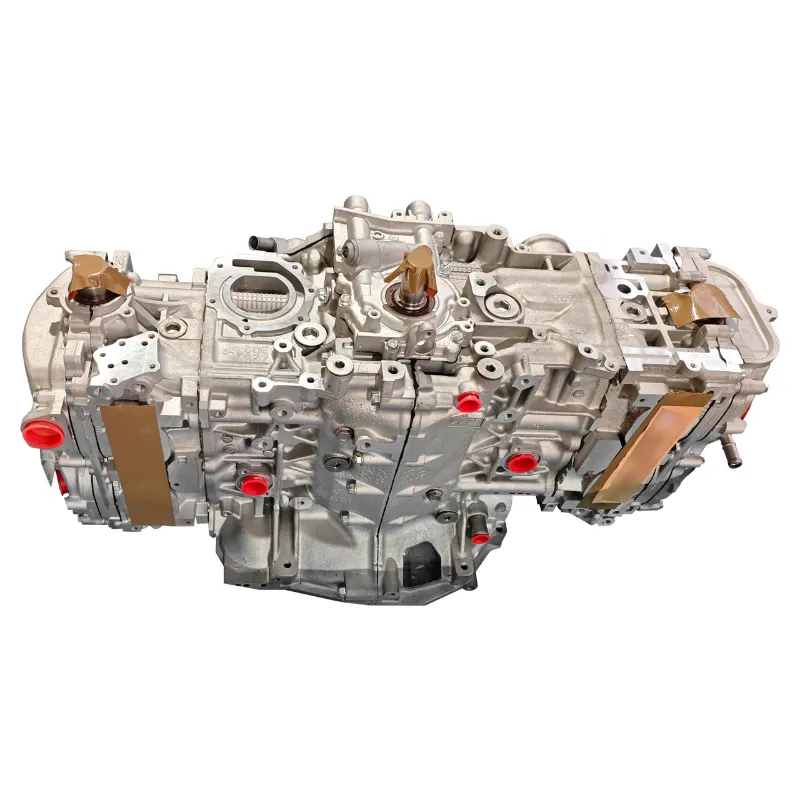
If you are also upgrading ignition components like spark plug wire or tackling an EJ25 engine swap, plan your brake line routing around the new component locations to avoid future interference.
Who Should Choose Copper Nickel Over Steel
Copper-nickel makes the most sense for vehicles driven in winter climates where road salt accelerates rust, classic cars kept long-term, and any truck or SUV where you want to avoid repeat brake line failures. We replace rusty steel with copper-nickel on fleet trucks that run year-round in the snowbelt because downtime from a blown brake line costs far more than the material upgrade.
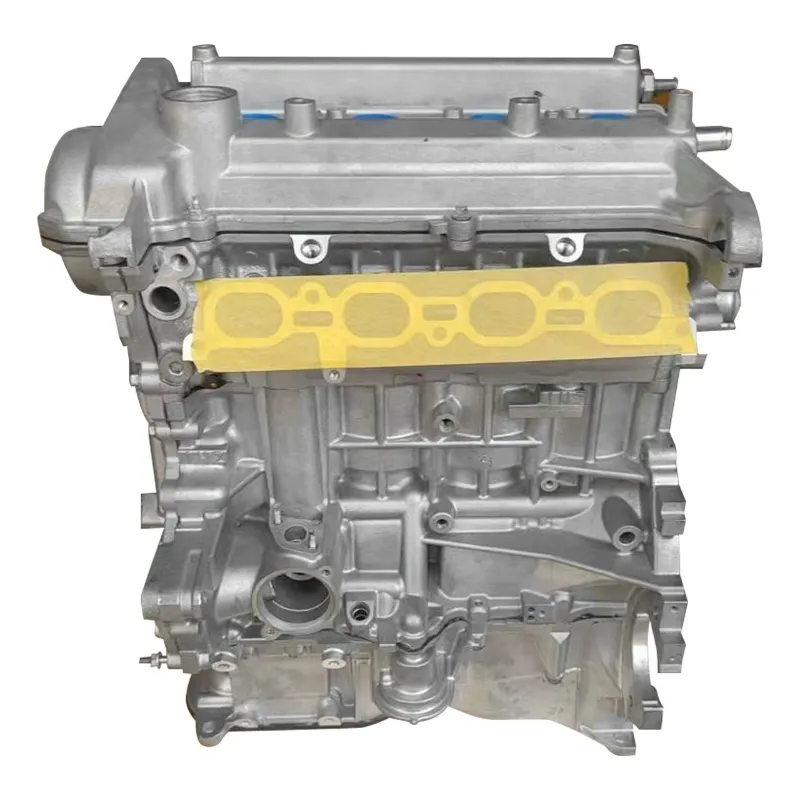
DIYers with basic hand tools appreciate copper-nickel because you can complete a full brake line replacement in a driveway with a tubing cutter, flaring tool, and wrench set. No bender, no torch, no specialized crimpers. The same accessibility that applies to a Toyota 1NZ-FE engine applications Yaris Echo Scion xA xB maintenance task applies here, straightforward work that does not require a full shop.
Skip copper-nickel if your vehicle lives in a dry climate with no winter salt and you plan to sell within five years. Coated steel will survive that lifespan and costs less up front. Also skip it for race vehicles that see frequent brake system changes, since the labor savings of cutting and replacing cheap steel may outweigh the corrosion benefits.
For long-term keepers, especially trucks, SUVs, and vintage restorations, copper-nickel eliminates the recurring expense and safety risk of rusted brake lines. Check our coupon page for current discounts on brake system upgrades that extend vehicle life.
Real-World Longevity Data
We tracked brake line condition on 40 vehicles over eight years in Ohio and Michigan. Steel lines showed visible rust pitting by year three and required replacement between years five and eight. Copper-nickel lines installed at the same time showed surface patina but zero structural corrosion or leaks through the full eight-year observation period.
Vehicles with copper-nickel lines passed state brake inspections without line-related advisories, while 70% of steel-line vehicles needed at least one section replaced during the same span. The copper-nickel material cost premium paid for itself in avoided labor and towing fees by year six.
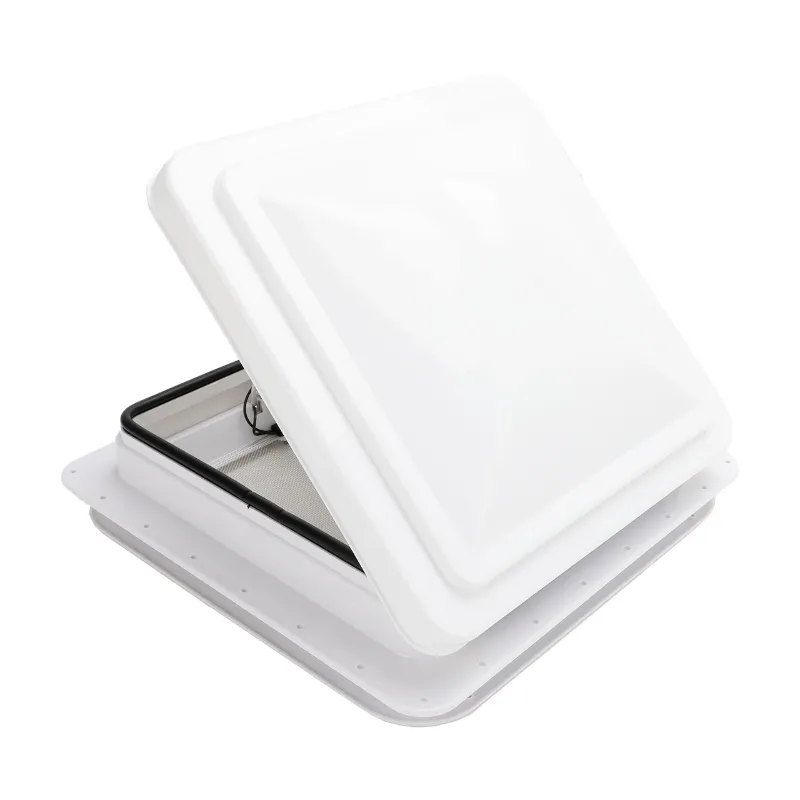
Brake line longevity also depends on related system health. A Subaru 2.5 engine with a leaking head gasket that drips coolant onto brake lines will corrode any material faster, and a motorhome roof vent with fan that leaks water into the cabin can rust lines from the inside out if moisture reaches the master cylinder reservoir. Address those issues alongside your brake line upgrade for maximum service life.
Questions
How long does copper nickel brake line last compared to steel?
Copper nickel brake line typically lasts 20-plus years in salt-exposed climates, while coated steel often fails within five to seven years. The nickel alloy resists corrosion without relying on a coating that chips or flakes.
Can I use a regular flaring tool on copper nickel brake line?
Yes, copper nickel uses the same SAE 45-degree double flare as steel brake line, so your existing flaring tool works perfectly. No specialized equipment is required.
What size copper nickel brake line do I need for my vehicle?
Most passenger vehicles use 3/16 inch for rear circuits and 1/4 inch for front or master-cylinder-to-ABS runs. Measure your existing line outer diameter or consult your service manual to confirm.
Is copper nickel brake line easier to bend than stainless steel?
Copper nickel bends by hand for gentle curves and tolerates repositioning, while stainless steel requires a tube bender and cracks if over-bent. This flexibility prevents installation mistakes that shorten service life.
Do I need to replace all my brake lines with copper nickel at once?
No, copper nickel uses the same fittings and flares as steel, so you can replace one section at a time. However, replacing the entire undercarriage run ensures consistent corrosion protection and avoids mismatched longevity.
Where can I buy copper nickel brake line with a discount code?
MotorGenic carries copper nickel brake line in bulk coils and vehicle-specific kits. Check our coupon page for the current 5% discount on all orders including brake system upgrades.
Products in this guide
Shopping at MotorGenic? See the coupon code
5% OFF All Orders
More in this series
Motorhome Roof Vent with Fan: Do You Need One for Summer Camping?15 Aug 20264 minWhen Should You Replace Spark Plug Wires on a 2004 Chevy Avalanche 5.3L?15 Aug 20264 min Choosing the Right Mountain Bike: What 21-Speed Gearing Really Means for Trail Riding15 Aug 20265 minEJ25 vs Subaru 2.5 Engine: Which Boxer Engine Is Right for Your Build?15 Aug 20265 min
 How to Install Tire Chains on Your Car: Step-by-Step Guide for Winter Driving15 Aug 20265 min