 A Udexreal guide
How to Set Up Finger Tracking Gloves with Meta Quest 3
Setting up vr gloves quest 3 takes about 10 minutes once you understand the pairing process and calibration steps.
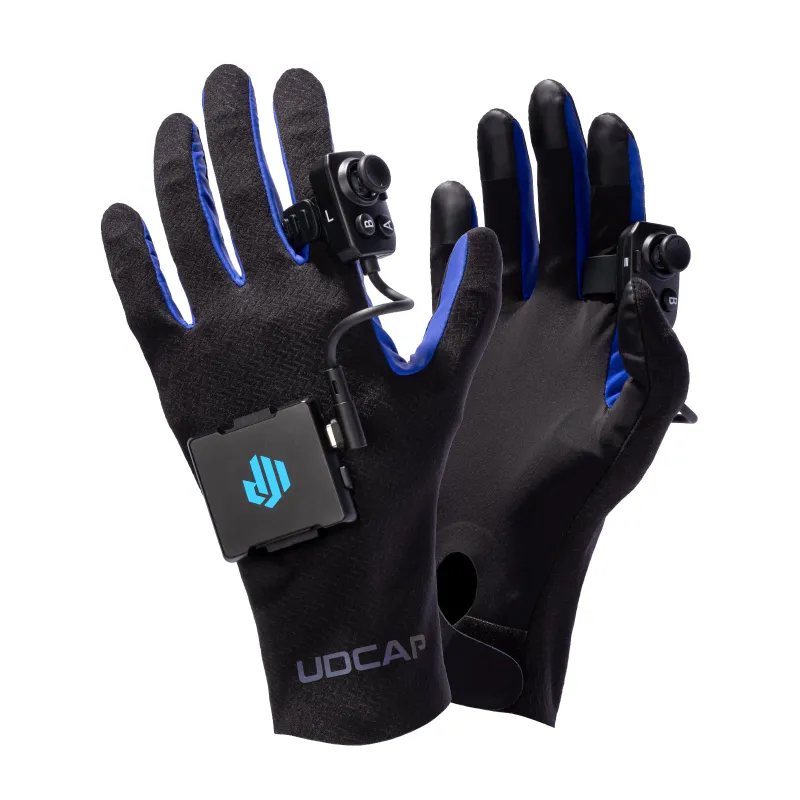
Setting up vr gloves quest 3 involves pairing the gloves via Bluetooth, enabling hand tracking in your headset settings, and calibrating finger positions for accurate input. Most haptic gloves work with Quest 3 through native hand tracking or companion apps, and the entire process typically takes 10 to 15 minutes. Once configured, you gain full finger control in VR without relying on traditional controllers.
What You Need Before Starting
Before you begin the setup process, gather everything required for a smooth installation. You will need your Meta Quest 3 headset fully charged, the vr gloves themselves with charged batteries or fresh power cells, and the companion app downloaded if your gloves require one. Most haptic vr gloves ship with USB charging cables, so confirm those are connected and the units show a charge indicator light.
Check your headset firmware by navigating to Settings > System > Software Update. Quest 3 hand tracking requires version v57 or newer. If your Udexreal dexcap or other gloves include a module controller, ensure that component is also charged and within range.
You will also want to clear a play space of at least 6 by 6 feet with good lighting. Hand tracking struggles in dim environments, so overhead lights or natural daylight improve detection accuracy significantly.
Pairing VR Gloves with Quest 3
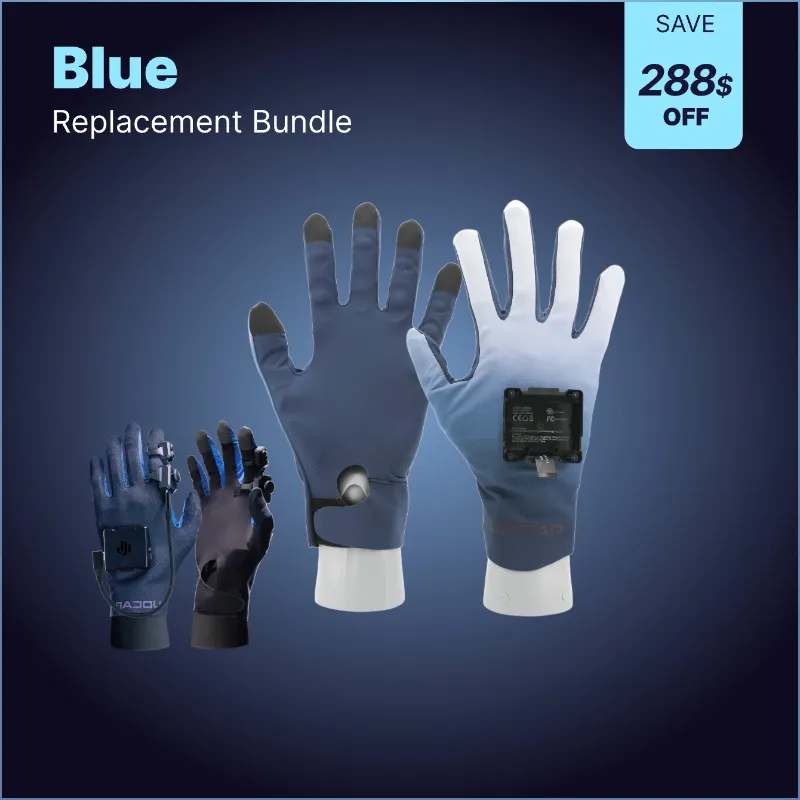
Turn on your gloves by holding the power button for three seconds until you see a flashing LED. On your Quest 3, open Settings > Devices > Bluetooth and select “Pair New Device.” Your udcap vr gloves should appear in the list within 10 seconds. Tap the device name to initiate pairing.
Some models like the vrchat gloves require you to enter a PIN code displayed on the glove’s wrist module. Enter it using the Quest’s virtual keyboard, then confirm. Once paired, the LED on the glove will switch from flashing to solid, indicating a successful connection.
If your gloves use a proprietary wireless protocol instead of Bluetooth, you may need to plug a USB dongle into a PC and run a companion app that bridges the connection to Quest 3 via Wi-Fi. Follow the manufacturer’s instructions for this setup, as it varies by brand. For current pricing and our exclusive code, check the latest offer.
Enabling Hand Tracking on Meta Quest 3
After pairing, you must activate hand tracking mode. Navigate to Settings > Movement Tracking > Hand Tracking and toggle it to “On.” You will see two options: “Auto Switch” and “Hands Only.” Auto Switch detects when you set down your controllers and switches to hand input automatically, while Hands Only disables controllers entirely.
We recommend starting with Auto Switch until you are comfortable with the glove’s responsiveness. This lets you grab a controller if the gloves lose tracking during gameplay. Once enabled, hold your hands in front of the headset and confirm the Quest displays a wireframe hand model on screen. Wiggle your fingers to verify each digit registers movement.
Some apps require you to enable hand tracking per title. Open the app’s settings menu and look for an input or control section. Games built for vr hand tracking will usually detect the gloves automatically, but older titles may need manual activation.
Calibrating Finger Tracking for Accuracy
Calibration ensures the gloves translate your real finger positions into accurate virtual movements. Launch the companion app for your haptic glove if one exists, then follow the on-screen prompts. Most calibration routines ask you to make a fist, spread your fingers wide, pinch each fingertip to your thumb, and perform a few specific gestures like a thumbs-up or peace sign.
Hold each pose for two to three seconds while the system records sensor data. If your gloves include haptic feedback, you will feel a buzz or vibration confirming each step. Poor calibration leads to drifting fingers or missed inputs, so take your time here.
After the initial calibration, test the gloves in a sandbox environment or tutorial app. Open a VR menu and try selecting buttons by pinching your thumb and index finger together. If selections register late or miss entirely, re-run the calibration. Environmental factors like reflective surfaces or bright sunlight through windows can interfere with optical tracking, so adjust your lighting if problems persist.
For the best experience and to grab our discount code, visit our store page before purchasing additional accessories.
Choosing the Right Gloves for Quest 3
Not all VR gloves offer the same features or compatibility. The table below compares three common categories to help you decide which suits your needs.
| Glove Type | Best For | Key Feature |
|---|---|---|
| Optical sensor gloves | Precision tasks, VRChat | Sub-millimeter finger tracking |
| Haptic feedback gloves | Immersive gaming | Vibration or resistance per finger |
| Hybrid gloves | All-purpose VR | Combines tracking + haptics |
Optical sensor models like many udcap vr glove options rely on Quest 3’s built-in hand tracking cameras, so they work without dongles or extra hardware. Haptic-only gloves add tactile feedback but may sacrifice some tracking fidelity. Hybrid models deliver both, though they typically cost more.
Consider your primary use case. If you spend most of your time in social VR apps, prioritize tracking accuracy. If you play action games or simulators, haptic feedback adds immersion by letting you feel virtual objects. Battery life also varies widely, from 90 minutes on cheaper models to six hours on premium units.
Troubleshooting Common Setup Issues
If your gloves fail to pair, restart both the gloves and the Quest 3, then try again. Confirm the gloves are in pairing mode by checking the LED indicator. A solid light means they are already connected to another device, so disconnect them from your phone or PC first.
When hand tracking drops frequently, check your lighting. Quest 3’s cameras need at least 100 lux of ambient light to function reliably. Avoid wearing reflective jewelry or watches on your wrists, as these can confuse the tracking algorithm. If you wear long sleeves, roll them up past your wrists so the cameras capture your full hand contour.
Latency or lag between finger movements and on-screen response usually stems from wireless interference. Move your Wi-Fi router away from your play space, or switch your Quest 3 to a 5 GHz network band to reduce congestion. Close background apps on the headset to free up processing power.
If calibration resets after every session, check whether your gloves have a “save profile” option in their companion app. Some models store calibration data in the gloves themselves, while others save it to the headset or a cloud account. Ensure you are logged into the correct account so your settings persist.
Tips for Long-Term Use and Maintenance
Clean your gloves after every session by wiping the sensors with a microfiber cloth. Sweat and oils degrade optical sensors over time, reducing tracking accuracy. Never submerge gloves in water or use alcohol-based cleaners, as these damage the electronics.
Store your gloves flat or hanging to prevent creasing the fabric. Folding them tightly can stress internal wiring and lead to sensor failures. If your model uses rechargeable batteries, top them off after each use to maximize lifespan.
Update your glove firmware whenever the manufacturer releases a patch. These updates often improve tracking algorithms or fix compatibility bugs with new Quest software versions. Most companion apps will notify you when an update is available, or you can check the manufacturer’s website manually.
For ongoing savings on accessories and replacements, visit our coupon page to find the latest deals.
Questions
Do vr gloves quest 3 work without controllers?
Yes, most VR gloves for Quest 3 replace controllers entirely by using the headset's built-in hand tracking cameras. You can navigate menus, interact with objects, and play compatible games using only your hands and the gloves.
How long does it take to calibrate haptic gloves?
Calibration typically takes three to five minutes. You will perform a series of hand poses like fists, finger spreads, and pinches while the system records your finger ranges. Some gloves save this calibration permanently, while others require a quick re-calibration each session.
Can I use VR gloves with SteamVR games on Quest 3?
Yes, if you connect your Quest 3 to a PC via Link or Air Link. Most VR gloves that support Quest 3 also work with SteamVR, though you may need to install additional drivers or companion software on your PC to bridge the connection.
Why do my gloves lose tracking when I move my hands fast?
Fast movements can exceed the frame rate of Quest 3's hand tracking cameras, causing temporary loss of detection. Slow down your gestures slightly, ensure your play area has bright even lighting, and confirm your Quest firmware is up to date to minimize tracking drops.
Are haptic VR gloves compatible with all Quest 3 games?
No, only games that support hand tracking will work with VR gloves. Many social VR apps, rhythm games, and simulators include hand tracking support, but action titles that rely on button inputs may not be compatible unless the gloves include a controller mode.
How do I know if my Udexreal dexcap gloves are fully charged?
Most models display a solid green LED when fully charged and a red or blinking LED when the battery is low. Check the user manual for your specific model, as indicator colors can vary. A full charge typically lasts two to six hours depending on haptic usage.
Products in this guide
Shopping at Udexreal? See the discount code
10% OFF All Orders
More in this series
StretchSense vs Udexreal Dexcap: Which VR Hand Tracking System to Buy20 Aug 20264 minHow Long Do VR Haptic Gloves Last? Durability and Care Tips20 Aug 20264 minDo Haptic VR Gloves Work with SteamVR and VRChat? Compatibility Guide20 Aug 20264 minVR Gloves vs Controllers: Which Is Better for Full-Body VR Gaming?20 Aug 20265 minDo Udexreal Haptic Gloves Improve VRChat Immersion?20 Aug 20265 min