 A Pizzello guide
How to Season and Maintain Your Pizza Stone for Years of Use
A pizza stone lasts for years when you season it correctly and follow a few simple maintenance rules that prevent cracking and buildup.
Why Seasoning Your Pizza Stone Matters

A pizza stone needs proper seasoning and care to build up a natural non-stick layer and avoid thermal shock that causes cracks. Most stones arrive ready to use but benefit from an initial seasoning process that fills the pores and creates a protective patina. Whether you’re using a standalone pizza stone in your home oven or upgrading to pizza oven stones for a wood fire pizza oven, the same principles apply.
The biggest mistake we see is soaking stones in water or using dish soap, both of which damage the porous material and lead to cracking during heating.
How to Season a New Pizza Stone
Most unglazed stones benefit from a light seasoning before their first use. Here’s the process we recommend:
- Rinse and dry thoroughly: Wipe the stone with a damp cloth to remove any manufacturing dust, then let it air-dry completely for at least two hours.
- Apply a thin oil layer: Use a paper towel to rub a very thin coat of neutral oil (vegetable or canola) across the surface. Excess oil will smoke heavily and create a sticky residue.
- Bake at low heat: Place the stone in a cold oven, set to 350°F, and heat for one hour. This allows the oil to polymerize into the pores without burning.
- Cool completely in the oven: Turn off the heat and leave the stone inside until it reaches room temperature. Rapid cooling causes thermal shock.
After this initial seasoning, the stone will darken with use as flour, oils, and sugars bake into the surface. That patina is normal and improves performance over time. For current pricing on quality stones, check the latest deals before you buy.
Daily Use and Thermal Shock Prevention
Thermal shock is the leading cause of cracked stones.
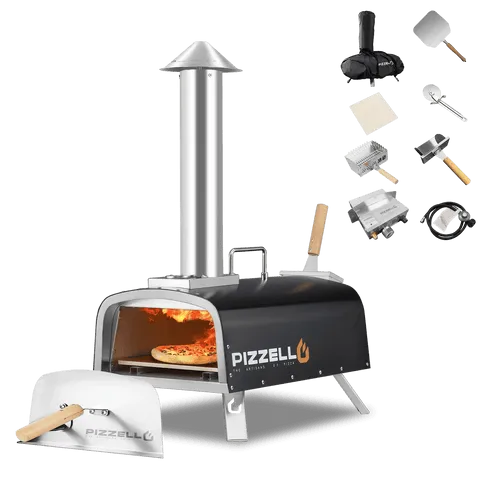
- Always preheat the stone for 45 to 60 minutes before baking. A propane pizza oven or pellet pizza oven reaches temperature faster, but the stone itself still needs time to heat evenly.
- Never place a cold stone in a hot oven or a hot stone on a cold surface.
- Avoid drastic temperature swings. If you’re moving from a fire pizza oven to storage, let the stone cool naturally for at least an hour.
- Don’t put frozen dough directly on a preheated stone. Let the dough come to room temperature first.
We use our stones weekly in both a conventional oven and a wood pellet pizza oven, and they’ve stayed crack-free for over two years by following these guidelines.
Cleaning Without Damage
Soap and water are your stone’s enemies. The porous material absorbs both, leading to off-flavors and structural weakness. Here’s our proven cleaning routine:
For light flour and debris:
- Let the stone cool completely.
- Scrape off stuck-on bits with a plastic bench scraper or the edge of a spatula.
- Wipe with a dry cloth or paper towel.
For stubborn cheese or sauce:
- Use a damp (not soaking) cloth to loosen residue.
- Scrub gently with a stiff nylon brush.
- Wipe dry immediately and let air-dry for several hours before storing.
For deep stains or burnt spots:
- Make a paste of baking soda and minimal water.
- Scrub the stained area with the paste and a brush.
- Wipe clean with a damp cloth and dry thoroughly.
Dark stains and discoloration are cosmetic and don’t affect performance. A well-used stone turns brown or black over time. If you’re prepping a vegan pizza with minimal oil, you’ll notice less buildup than with cheese-heavy pies.
Storage and Longevity Tips
Proper storage prevents chips, cracks, and moisture absorption:
- Store the stone flat in a dry location, never on its edge.
- If stacking cookware, place a towel between the stone and metal pans to prevent scratching.
- Avoid basements or garages where humidity fluctuates.
- Leave the stone in your oven between uses if you bake frequently. It acts as a heat stabilizer and is always ready.
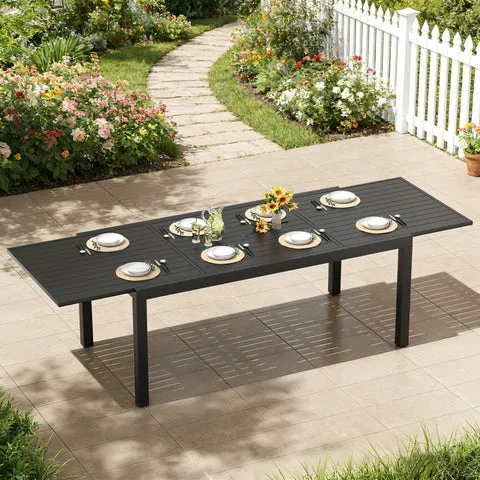
We keep one stone permanently in our home oven and rotate a second between our outdoor setup and an extendable outdoor dining table for pizza nights. Stones rarely wear out from use; they fail from mishandling. Ours have outlasted two pizza peels and three oven thermometers.
For the best value on replacement stones or upgrades, grab the current discount code and compare options.
Matching Your Stone to Your Oven
Not all stones fit all ovens, and thickness matters for heat retention:
| Oven Type | Recommended Thickness | Material Priority |
|---|---|---|
| Home oven | ½ to ¾ inch | Cordierite for durability |
| Wood-fired outdoor | ¾ to 1 inch | Ceramic or clay for high heat |
| Propane or pellet | ½ inch | Cordierite for portability |
Thicker stones hold heat longer and recover faster between pizzas, which matters if you’re cooking multiple pies in a wood fire pizza oven. Thinner stones heat faster and work better in standard home ovens with limited clearance.
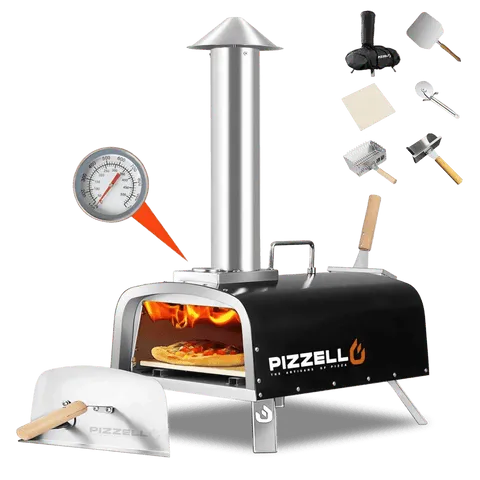
The ¾-inch cordieite models offered the best balance of heat retention and crack resistance across all oven types, including gas, electric, and outdoor setups fueled by pizza oven wood.
Who Should Invest in Premium Stones
A quality stone is worth the investment if you bake pizza weekly or want restaurant-quality crust at home. We recommend upgrading to a thicker or larger stone if:
- You’re using a high-heat outdoor oven (over 700°F) regularly.
- You bake multiple pizzas in one session and need consistent heat.
- Your current stone has cracked or doesn’t fit your new oven.
Budget stones work fine for occasional use, but they’re more prone to cracking and often warp under sustained high heat. If you’ve already invested in a fire pizza oven or other premium gear, a commercial-grade stone completes the setup and lasts decades with proper care.
Questions
Do I need to oil my pizza stone before every use?
No. After the initial seasoning, you should not oil the stone before each use. The natural patina from baking builds up over time and creates a non-stick surface without added oil.
Can I use soap to clean a pizza stone?
Never use soap on an unglazed pizza stone. The porous material absorbs soap, which creates off-flavors and weakens the stone. Stick to scraping and wiping with water only when necessary.
Why did my pizza stone crack in the oven?
Stones crack from thermal shock when exposed to sudden temperature changes. Always preheat the stone gradually in a cold oven and avoid placing cold dough or frozen toppings on a hot stone.
How long does a properly maintained pizza stone last?
A well-maintained stone can last decades. We've used the same stones for over two years with weekly baking and no signs of wear beyond cosmetic darkening.
Can I leave my pizza stone in the oven all the time?
Yes. Leaving the stone in your oven between uses is safe and helps stabilize oven temperature. Just account for slightly longer preheating times for other dishes.
What thickness works best for a wood fire pizza oven?
For wood-fired ovens, we recommend a ¾ to 1 inch thick stone. The extra mass retains heat better at high temperatures and recovers faster when you add cold dough.
Products in this guide
Shopping at Pizzello? See the discount code
3% OFF All Orders
More in this series
How to Choose an Extendable Outdoor Dining Table That Fits Your Pizza Oven Setup14 Aug 20266 minCan You Use a Pizza Stone in a Propane Pizza Oven?14 Aug 20265 minBest Wood Types and Pellets for Wood Fire Pizza Ovens14 Aug 20264 minDo Pizza Oven Stones Crack? What Causes It and How to Prevent Damage14 Aug 20264 minPropane vs Wood Pellet Pizza Ovens: Which Fuel Type Is Right for You?14 Aug 20264 min