 A Pizzello guide
Propane vs Wood Pellet Pizza Ovens: Which Fuel Type Is Right for You?
A wood pellet pizza oven delivers authentic wood-fired flavor with less hassle than logs, while propane offers instant heat and zero cleanup.
A wood pellet pizza oven delivers authentic wood-fired flavor with less hassle than logs, while a propane pizza oven offers instant heat and zero cleanup. Both fuel types reach the 700 to 900°F needed for Neapolitan-style crusts, but they differ in flavor, convenience, cost per cook, and learning curve.
Flavor: Wood Pellets Add Smoke, Propane Stays Neutral
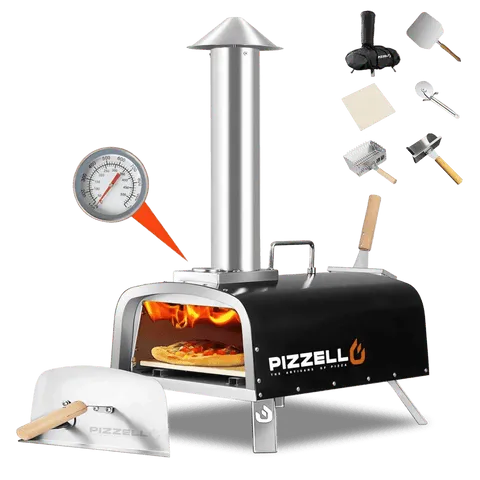
Wood pellets produce a light, sweet smoke that infuses every pizza with the wood-fired taste you get from traditional brick ovens. Oak, cherry, and hickory pellets each add subtle flavor notes without overpowering toppings. If you want that artisan pizzeria experience at home, a pellet pizza oven delivers it.
Propane burns clean with zero smoke, so the flavor comes purely from char and caramelization. This neutral profile works well for vegan pizza or delicate toppings where you don’t want competing flavors. Many home cooks prefer propane for consistency, especially when serving guests who expect familiar tastes.
Key takeaway: Choose pellets for authentic wood-fired flavor, propane for clean, repeatable results.
Convenience: Propane Wins for Speed, Pellets Need Prep
Propane ovens ignite instantly with a twist of the dial and reach cooking temperature in 15 to 20 minutes. There’s no ash to clean, no hopper to refill mid-session, and you can shut down the moment you’re done. If you cook pizza on weeknights or want zero fuss, propane is the fastest path from craving to crust.
Wood pellet ovens require a five-minute startup to prime the auger, then 20 to 30 minutes to preheat. You’ll refill the hopper every 60 to 90 minutes during longer cook sessions, and you’ll sweep out ash after each use. The tradeoff? That smoky flavor and the satisfaction of pizza oven wood combustion. Check the latest price on both fuel types to see which fits your routine.
Startup and shutdown comparison:
| Fuel Type | Preheat Time | Refuel Frequency | Cleanup |
|---|---|---|---|
| Propane | 15 to 20 min | Never (tank lasts 10+ hours) | Wipe stone only |
| Wood Pellets | 20 to 30 min | Every 60 to 90 min | Ash removal after each session |
Cost Per Cook: Pellets Cost More Over Time
Propane costs roughly $0.50 to $1.00 per pizza when you buy standard 20 lb tanks. A single tank powers 10 to 15 hours of cooking, covering dozens of pizzas before you need a refill. Tanks are available at any hardware store, and many retailers offer exchange programs.
Wood pellets run $1.00 to $2.00 per pizza, depending on pellet quality and cook time. Food-grade hardwood pellets cost more than heating pellets, but they’re essential for safe, flavorful results. You’ll also go through pellets faster in cold or windy weather. Over a season of weekly pizza nights, propane saves $50 to $100 compared to pellets.
Both fuels are cheaper than ordering delivery, and the wood pellet pizza oven outdoor experience pays for itself in flavor and entertainment value.
Heat Control: Propane Offers Precision, Pellets Require Attention
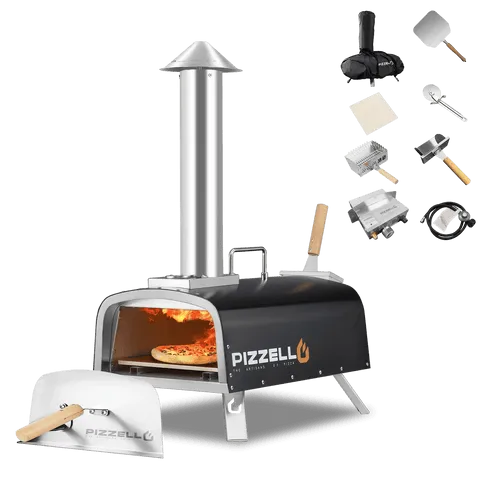
Propane burners let you dial heat up or down instantly, which matters when you’re rotating pies or adjusting for thicker crusts. Digital controllers on premium models hold temperature within 10 to 20°F, so every pizza cooks identically. This precision makes a propane pizza oven ideal for beginners and high-volume cooking.
Wood pellet ovens fluctuate more because pellet feed rates and airflow vary with weather and pellet moisture. You’ll learn to read the flame and adjust vents, which adds a hands-on element some cooks love and others find frustrating. A wood fire pizza oven rewards attention with deeper flavor, but it’s not set-and-forget.
Tip: Pair either oven with a quality pizza stone or pizza oven stones to stabilize floor temperature and prevent hot spots.
Who Should Choose Each Fuel Type
Go with a wood pellet pizza oven if you:
- Want authentic wood-fired flavor in every bite
- Enjoy the ritual of fire management and don’t mind ash cleanup
- Cook pizzas on weekends when you have time to preheat and tend the fire
- Value the experience and ambiance of wood combustion
- Already own pellet grills or smokers and have pellets on hand
Go with a propane pizza oven if you:
- Prioritize speed and convenience for weeknight dinners
- Cook in urban settings with fire restrictions or limited ventilation
- Want precise temperature control without a learning curve
- Prefer minimal cleanup and instant on/off operation
- Plan to cook large batches and need consistent results
Both styles appear in roundups from Serious Eats and Food & Wine, and commercial kitchens use wood pellet fired ovens for their efficiency and flavor.
Dual-Fuel and Hybrid Options
Some ovens accept both fuel types with a swappable burner or attachment, letting you choose based on the occasion. Use propane for quick weeknight pies and switch to pellets for weekend gatherings where flavor and theater matter. Hybrid models cost more upfront but offer maximum flexibility.
You can also run a fire pizza oven on wood logs if you want the most traditional experience, though logs require more skill and produce more ash than pellets.
Making Your Decision
If you value flavor and don’t mind hands-on cooking, a wood pellet pizza oven delivers the wood-fired experience with less work than splitting logs. If you want fast, repeatable results with zero cleanup, propane is the pragmatic choice that still produces restaurant-quality pies.
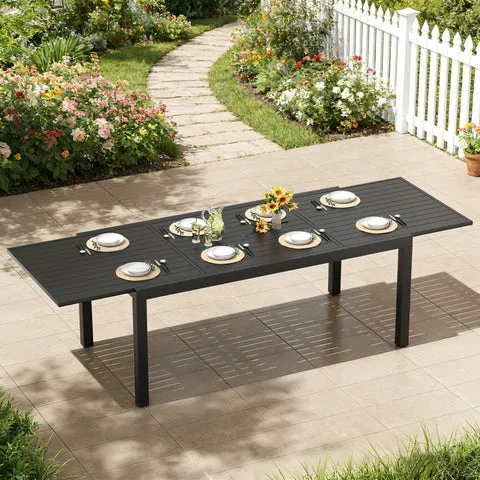
Consider your cooking frequency, available prep time, and whether you’re drawn to the craft of fire management or the efficiency of gas. Both fuels make excellent pizza when paired with proper technique and quality ingredients. Grab the code to save 3% on whichever style fits your backyard setup, and pair your new oven with an extendable outdoor dining table to turn pizza night into a full event.
Most home cooks who try both end up preferring one for weeknights and the other for entertaining, so there’s no wrong answer, only the right fuel for the moment.
Questions
How long does a bag of wood pellets last in a pizza oven?
A 20 lb bag of pellets typically lasts 3 to 5 hours of active cooking, depending on your oven's efficiency and outdoor temperature. Cold or windy conditions increase pellet consumption.
Can I use heating pellets instead of food-grade pellets in my oven?
No, heating pellets often contain oils, binders, or softwood species that produce unsafe smoke for food. Always use food-grade hardwood pellets labeled for cooking.
Does a wood pellet pizza oven require electricity?
Most pellet ovens use a battery-powered or plug-in auger to feed pellets into the firebox. Some manual-feed models exist but are less common than auto-feed designs.
Which fuel type heats up faster for quick pizza nights?
Propane ovens preheat in 15 to 20 minutes, while wood pellet ovens need 20 to 30 minutes. Propane is faster for spontaneous cooking sessions.
Can I taste the difference between propane and pellet-cooked pizza?
Yes, wood pellets add a subtle smoky flavor similar to traditional wood-fired ovens, while propane produces a clean, neutral char. The difference is noticeable in side-by-side tastings.
Do propane pizza ovens work in cold weather?
Yes, propane ovens perform well in cold weather, though preheat times may increase slightly. Wood pellet ovens also work in winter but consume pellets faster to maintain temperature.
Products in this guide
 Shopping at Pizzello? See the discount code
3% OFF All Orders
Shopping at Pizzello? See the discount code
3% OFF All Orders
More in this series
How to Choose an Extendable Outdoor Dining Table That Fits Your Pizza Oven Setup14 Aug 20266 minCan You Use a Pizza Stone in a Propane Pizza Oven?14 Aug 20265 minBest Wood Types and Pellets for Wood Fire Pizza Ovens14 Aug 20264 minDo Pizza Oven Stones Crack? What Causes It and How to Prevent Damage14 Aug 20264 minHow to Season and Maintain Your Pizza Stone for Years of Use14 Aug 20264 min