 A Pizzello guide
Can You Use a Pizza Stone in a Propane Pizza Oven?
A propane pizza oven works beautifully with a pizza stone when you choose the right material and follow proper preheating steps.
Yes, you can absolutely use a pizza stone in a propane pizza oven, and it often improves your results by absorbing moisture and distributing heat more evenly across the base of your pizza. Most propane pizza oven outdoor models are designed to accommodate stones, and pairing the two gives you crispier crusts with fewer hot spots.
Whether you’re running a best propane pizza oven for home use or a propane pizza oven commercial setup, understanding which stones work and how to use them safely will save you burned dough and cracked ceramics.
Why a Pizza Stone Works in Propane Ovens

Propane ovens generate intense, direct heat from a gas burner, typically at the back or underneath the cooking surface. A pizza stone acts as a thermal mass that moderates those temperature spikes and radiates heat upward into the dough. This mimics the floor of a traditional brick oven, pulling moisture out of the crust while the top cooks under ambient heat.
Most propane pizza oven portable models reach 700 to 900°F, well within the operating range of cordierite, soapstone, and steel stones. The stone also prevents direct flame contact with your dough, which can char the bottom before the toppings cook through. If you’re comparing a propane pizza oven to a wood fire pizza oven, the stone becomes even more critical in propane setups because gas lacks the radiant ceiling heat of burning wood.
Which Pizza Oven Stones Work Best
Not every stone tolerates propane heat or rapid temperature swings. Here’s what to look for in a stone:
- Cordierite ceramic stones: handle thermal shock well, affordable, and widely available in thicknesses from ⅜ to ¾ inch.
- Steel baking surfaces: preheat faster than ceramic, conduct heat aggressively, and never crack. Trade-off is higher cost and risk of warping above 800°F.
- Soapstone slabs: retain heat longest, naturally non-stick, but heavy and slower to come to temperature.
- Avoid thin terracotta or unglazed clay tiles: these crack under propane burner intensity and may contain contaminants.
A common choice is ½-inch cordierite pizza oven stones in propane setups because they balance heat retention with a reasonable preheat window of 20 to 30 minutes. For a propane pizza oven 16 inch deck, a 14-inch round or 13×13-inch square stone fits with clearance for airflow. Check the latest price on bundles that include a stone matched to your oven’s dimensions.
How to Preheat and Use Your Stone Safely
Proper preheating prevents cracked stones and soggy centers. Follow this sequence every time:
- Place the cold stone inside the cold oven. Never add a room-temperature stone to an already-hot chamber.
- Ignite the burner on low and let the oven climb gradually for 10 minutes.
- Increase to full heat and hold for another 15 to 20 minutes until an infrared thermometer reads 650°F or higher on the stone surface.
- Dust with semolina or cornmeal to prevent sticking, then launch your pizza using a peel.
- Rotate halfway through the 90-second to 3-minute bake to even out any hot spots from the burner location.
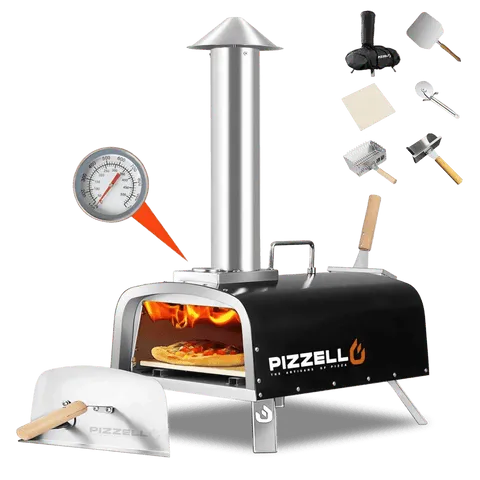
Do not pour cold water on a hot stone or move it immediately after baking. Thermal shock is the leading cause of cracks, especially in cheaper ceramics. If you’re alternating between a pellet pizza oven and propane, keep separate stones to avoid cross-contamination of flavors and residue buildup.
Propane vs Wood Fire: When Stones Matter Most
A fire pizza oven burning hardwood logs generates radiant heat from the dome and ember bed, which naturally balances top and bottom cooking. Propane delivers cleaner, more consistent flame but lacks that overhead radiation. Adding a stone compensates by banking heat in the floor and reflecting it upward.
Propane setups without stones often over-brown the bottom crust while leaving toppings pale, since gas ovens lack the same radiant ceiling heat as wood. The stone acts as a buffer. For context, The Barbecue Lab Reviews and Serious Eats both highlight this difference in their head-to-head oven comparisons.
If you’re choosing between a wood pellet pizza oven and propane, pellets split the difference: they produce some smoke flavor and radiant heat, but a stone still improves consistency. Propane remains the fastest to ignite and easiest to control, especially for beginners.
Maintenance and Long-Term Care
Stones accumulate carbonized flour, cheese drips, and oil over time. Here’s how to keep them performing:
- Never use soap or detergent: porous ceramics absorb chemicals that will taint your next pizza.
- Scrape off debris with a metal spatula once the stone cools to warm (not cold).
- Bake out stains by running the oven empty at high heat for 10 minutes. Discoloration is cosmetic and won’t affect flavor.
- Store in a dry location: moisture trapped in a cold stone will flash to steam and cause fractures during the next preheat.
Expect a cordierite stone to last two to four years of weekly use. Steel surfaces last longer but may develop surface rust if not seasoned with a thin oil layer. Grab the code for 3% off replacement stones and accessories when it’s time to upgrade.
Who Should Use a Stone in Their Propane Oven
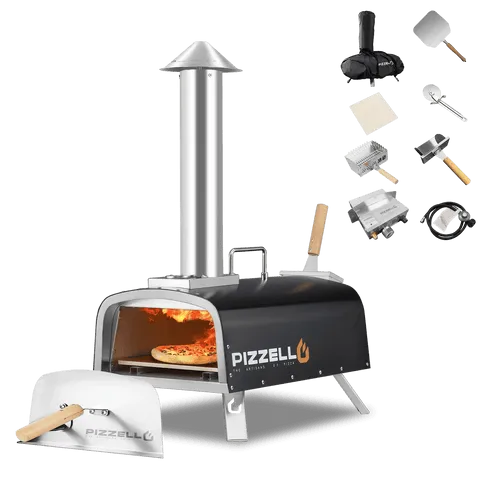
A stone is essential if you bake Neapolitan-style pizzas with wet dough and high hydration, or if you’re making vegan pizza with moisture-rich vegetable toppings. The stone pulls water out of the base and prevents soggy centers.
Skip the stone only if you’re using a perforated aluminum peel for ultra-thin crusts that cook in under 90 seconds, or if your oven already ships with a built-in cordierite deck. Some best propane pizza oven models include an integrated stone, so check your manual before buying a separate slab.
For outdoor entertaining, pair your oven with an extendable outdoor dining table to stage ingredients and serve finished pies without shuttling back inside. An extendable outdoor table works well nearby for cooling racks and beverage setups during longer cook sessions.
Common Mistakes and How to Avoid Them
Common errors in propane setups include:
- Launching dough onto a cold stone: this steams the bottom instead of crisping it. Always verify surface temperature first.
- Using indoor propane pizza oven configurations without ventilation: propane combustion produces carbon monoxide. Only use indoor-rated units with proper exhaust.
- Stacking stones or using oversized slabs: airflow is critical. Leave at least an inch of clearance around the stone perimeter.
- Forgetting to season steel surfaces: raw steel will rust. Wipe with vegetable oil before first use and after deep cleaning.
If you’re exploring propane pizza oven for sale listings, prioritize models with adjustable flame control and a built-in thermometer. Budget options often lack both, making it harder to dial in the stone temperature. For guidance on entry-level units, Pala Pizza’s budget roundup covers several propane-compatible stones under $50.
Propane delivers speed and convenience, and adding a quality stone elevates your results to rival wood-fired flavor with half the fuss. Choose the right material, preheat fully, and your crusts will come out crisp, evenly cooked, and restaurant-quality every time.
Questions
Can I put a cold pizza stone into a hot propane oven?
No, placing a cold stone into an already-hot propane oven will cause thermal shock and crack the stone. Always start with both the oven and stone cold, then heat them together gradually.
Do all propane pizza ovens need a separate pizza stone?
Not all. Some propane pizza ovens ship with a built-in cordierite or stone deck. Check your manual before buying a separate stone to avoid redundancy.
How long should I preheat a pizza stone in a propane oven?
Preheat for 20 to 30 minutes total: 10 minutes on low flame, then 15 to 20 minutes on high until the stone surface reaches at least 650°F.
What thickness of pizza stone works best for propane ovens?
A ½-inch cordierite stone balances heat retention with a reasonable preheat time. Thicker stones take longer to heat but hold temperature better between bakes.
Can I use the same stone in both propane and wood fire pizza ovens?
Yes, cordierite and steel stones work in both. However, wood ash and smoke residue can build up, so many users keep separate stones to avoid flavor transfer.
Why does my pizza burn on the bottom in a propane oven?
Direct burner heat without a stone causes hot spots and over-browning. A pizza stone distributes heat evenly and acts as a buffer between the flame and your dough.
Products in this guide
Shopping at Pizzello? See the discount code
3% OFF All Orders
More in this series
How to Choose an Extendable Outdoor Dining Table That Fits Your Pizza Oven Setup14 Aug 20266 minBest Wood Types and Pellets for Wood Fire Pizza Ovens14 Aug 20264 minDo Pizza Oven Stones Crack? What Causes It and How to Prevent Damage14 Aug 20264 minPropane vs Wood Pellet Pizza Ovens: Which Fuel Type Is Right for You?14 Aug 20264 minHow to Season and Maintain Your Pizza Stone for Years of Use14 Aug 20264 min