 A Pizzello guide
Best Wood Types and Pellets for Wood Fire Pizza Ovens
The fuel you choose for your wood fire pizza oven directly controls crust char, dome temperature, and flavor — and this guide tells you exactly what to reach for.
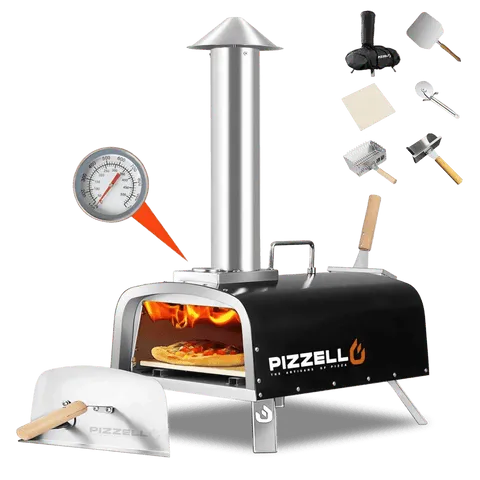
A wood fire pizza oven performs best when you feed it the right fuel, and choosing the wrong wood or pellets is the fastest way to ruin an otherwise perfect cook. Whether you run a pellet pizza oven or a traditional log-burning fire pizza oven, the fuel rules are surprisingly simple once you know them.
Why Wood Choice Matters in a Wood Fire Pizza Oven
Heat output, burn time, smoke flavor, and ash volume all come down to fuel. Hardwoods and quality pellets burn hotter and cleaner than softwoods, producing the sustained 750 to 900°F dome temperatures that bake a Neapolitan-style pizza in 60 to 90 seconds. Softwoods like pine are resinous, spit embers, and deposit creosote, skip them entirely for cooking.
Beyond safety, wood species add subtle flavor. The seasoned experts at Wood Stone have built commercial stone-hearth ovens around this principle for decades: the combustion environment shapes the finished pie as much as the dough does.
Best Wood Types for a Traditional Log-Burning Oven
If you fire your oven with split logs or chunks, prioritize dry, seasoned hardwood with less than 20% moisture content. Green or wet wood smolders, produces excessive smoke, and stalls your dome temperature.
Top choices ranked by heat output and flavor:
| Wood | Burn Temp | Flavor Profile | Best For |
|---|---|---|---|
| Oak | Very High | Mild, neutral | Everyday cooks, any topping |
| Hickory | Very High | Bold, smoky | Meat-topped pies |
| Ash | High | Light, clean | Neapolitan, Margherita |
| Fruitwoods (apple, cherry) | Medium-High | Sweet, subtle | Vegan pizza, vegetable toppings |
| Olive | High | Aromatic, slightly sweet | Thin-crust Mediterranean style |
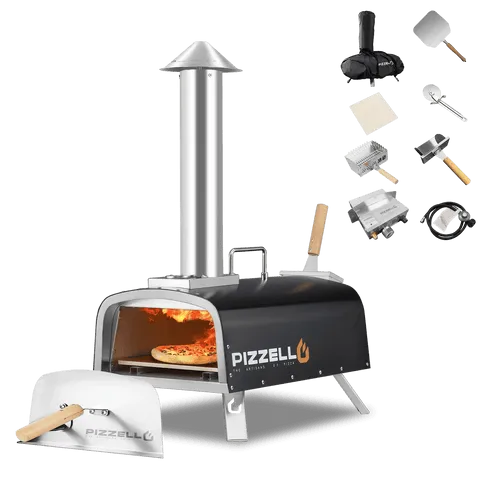
Oak is the workhorse: it splits easily, lights reliably, and burns long enough to maintain temperature through several pizza rounds. Hickory is excellent for a meat-heavy pie but overpowering on a delicate vegan pizza. Apple and cherry add a gentle sweetness that suits lighter toppings without overwhelming them.
What to avoid:
- Pine, spruce, fir, or any softwood (resinous, unpleasant smoke)
- Treated, painted, or construction lumber (toxic)
- Wood that has been stored damp or shows mold
- Chipboard or MDF scraps
You can source quality splits as pizza oven wood purpose-cut for cooking, which removes the guesswork around sizing and dryness.
Best Pellets for a Wood Pellet Pizza Oven
A wood pellet pizza oven feeds compressed wood pellets through a hopper, giving you precise, consistent temperature control that raw logs can never fully match. Pellets are dried to around 5 to 10% moisture at the factory, so they light fast and burn clean every time.
Pellet species to reach for:
- Oak or hickory blend: the most versatile, high heat, widely available
- Apple or cherry: ideal for lighter toppings, slightly sweet finish
- Fruitwood blends: good all-rounders for mixed menus
- Hardwood competition blends: neutral flavor, extreme heat, great for fast Neapolitan cooks
Avoid pellets marketed for home heating rather than cooking. They may contain softwood fillers or binders not approved for food use. Always check that pellets are 100% hardwood with no additives.
Pellet size matters too. Most pellet pizza oven hoppers are designed for standard 6mm diameter BBQ pellets. Smaller or irregular pellets can jam the auger and interrupt your cook.
How Much Wood or How Many Pellets Do You Need?
Quantities depend on your oven size, ambient temperature, and how many pizzas you plan to cook. As a rough guide:
- Preheat phase: expect a 30 to 45 minute warm-up to reach cooking temperature
- Log ovens: 3 to 5 kg of seasoned hardwood typically covers preheat plus 6 to 8 pizzas
- Pellet ovens: consumption varies by model; consult your oven’s manual for hopper capacity and burn rate

If you are cooking outdoors on a cold evening, add roughly 20 to 30% more fuel to compensate for heat loss. Pairing your oven with a quality pizza stone or pizza oven stones inside the chamber helps retain heat between launches, reducing overall fuel demand.
Reviewers and food writers who have tested a wide range of outdoor pizza ovens, including the detailed roundup at Food & Wine: consistently flag preheat consistency and fuel efficiency as two of the most important buying factors.
Storing Your Pizza Oven Wood Properly
Even the best oak splits will underperform if stored incorrectly. Follow these guidelines:
- Stack off the ground on a pallet or rack to prevent ground moisture absorption
- Cover the top only: leave the sides open for airflow to continue seasoning
- Store in a dry location away from rain and heavy dew
- Allow at least 6 to 12 months of drying time for freshly cut wood before use
- Check moisture with a wood moisture meter before every session; aim for under 20%
Pre-packaged pizza oven wood eliminates most of these steps and is a practical choice if you cook infrequently or lack outdoor storage space.
Matching Fuel Type to Your Setup
Not every outdoor setup calls for the same fuel format. Here is a quick guide:
| Setup | Recommended Fuel | Notes |
|---|---|---|
| Traditional dome oven | Seasoned hardwood logs | Oak or ash for best all-round performance |
| Pellet hopper oven | 100% hardwood BBQ pellets | Oak/hickory blend is the go-to |
| Hybrid oven (log + pellet) | Either, per cook type | Logs for long sessions; pellets for speed |
| Propane backup | Not applicable | A propane pizza oven needs no solid fuel |
If you are still deciding between fuel types, the comparison is worth thinking through carefully. Gas offers convenience; wood and pellets offer flavor and the ritual that makes outdoor pizza cooking worth doing. Check the latest price and any active discount before committing to a model.
Completing the Setup: Tables and Accessories
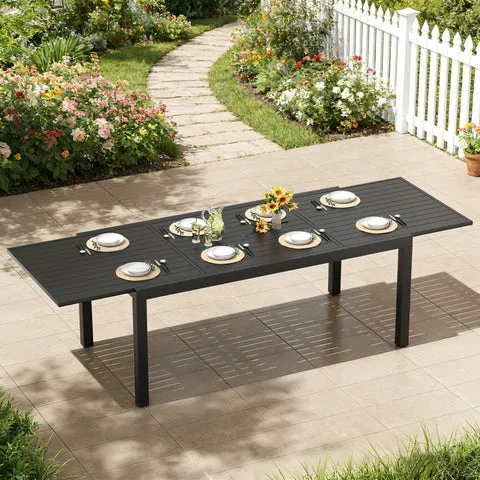
Fuel is only one part of a great outdoor pizza session. A stable, heat-safe surface makes prep and serving far easier. An extendable outdoor dining table gives you room to stretch dough, top pies, and plate finished pizzas without crowding, and an extendable outdoor table that adjusts in size is especially useful when your guest count changes.
For a full Pizzello setup including the right oven, stone, and accessories, grab the current discount code to make sure you are getting the best available price on everything in the range.
Questions
What is the best wood to use in a wood fire pizza oven?
Seasoned hardwoods like oak, ash, and fruitwoods (apple, cherry) are the top choices. They burn hot and clean, produce minimal excess smoke, and add subtle flavor without overpowering your toppings. Always make sure the wood is dried to under 20% moisture before use.
Can I use any pellets in a wood pellet pizza oven?
No, always use 100% hardwood BBQ pellets with no additives or softwood fillers. Heating pellets may contain binders that are not food-safe, and softwood pellets produce inferior heat and unpleasant smoke.
How do wood pellets compare to logs for outdoor pizza cooking?
Pellets offer more precise temperature control and reach cooking temperature faster than logs. Logs give a more traditional experience and slightly more complex smoke flavor, but require more active fire management during your cook.
Does a pizza stone help with fuel efficiency?
Yes. A quality pizza stone or pizza oven stones inside the cooking chamber retain heat between pizza launches, meaning your oven recovers temperature faster and you burn less fuel overall across a long cooking session.
Can I use softwood like pine in a fire pizza oven?
You should avoid it. Pine and other softwoods are resinous, produce heavy smoke, and can deposit creosote inside your oven over time. They also impart an unpleasant flavor to food. Stick to dry hardwoods or purpose-made cooking pellets.
How much pizza oven wood do I need for a backyard cook?
For a typical session of 6 to 8 pizzas, plan on roughly 3 to 5 kg of seasoned hardwood for preheat and cooking combined. Cold weather, wind, and a larger oven will all increase that estimate, so it is always better to have a little extra on hand.
Products in this guide
Shopping at Pizzello? See the discount code
3% OFF All Orders
More in this series
How to Choose an Extendable Outdoor Dining Table That Fits Your Pizza Oven Setup14 Aug 20266 minCan You Use a Pizza Stone in a Propane Pizza Oven?14 Aug 20265 minDo Pizza Oven Stones Crack? What Causes It and How to Prevent Damage14 Aug 20264 minPropane vs Wood Pellet Pizza Ovens: Which Fuel Type Is Right for You?14 Aug 20264 minHow to Season and Maintain Your Pizza Stone for Years of Use14 Aug 20264 min