 A Pizzello guide
Do Pizza Oven Stones Crack? What Causes It and How to Prevent Damage
Pizza oven stones crack mainly due to thermal shock, and understanding why it happens is the first step to making your stone last for years.
Pizza oven stones crack primarily because of thermal shock, a sudden and uneven temperature change that stresses the material beyond what it can handle. The good news is that the right stone, the right technique, and a few simple habits lower the risk. This guide walks through the real causes, the best materials to look for, and how to keep your stone in one piece season after season. For the current code, see our Pizzello codes and deals.
Why Pizza Oven Stones Crack: The Real Causes
Thermal shock is the number one culprit, but it is not the only one. Here are the reasons a stone fails:
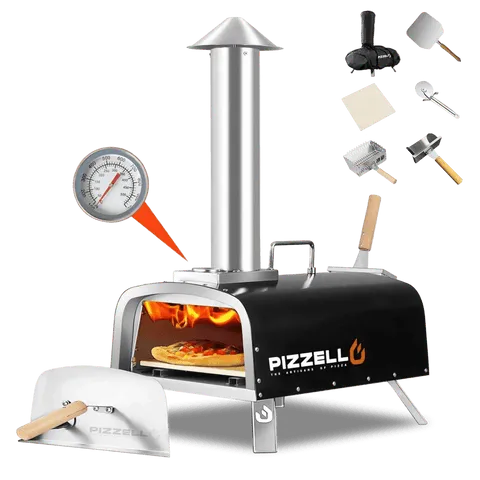
- Cold stone, hot oven. Placing a room-temperature stone directly into a screaming-hot oven or wood fire pizza oven creates an instant temperature gradient across the stone’s thickness. One face expands while the other does not, and the tension splits the material.
- Moisture trapped inside. A stone that has absorbed water (from washing or outdoor humidity) will turn that moisture to steam when heated rapidly. Steam has nowhere to go except outward, cracking the stone from the inside.
- Uneven heat distribution. In a propane pizza oven or pellet pizza oven, hot spots directly under the burner can heat one section of the stone far faster than the rest.
- Physical impact. Dropping the stone or striking it against a rack is an obvious but underrated cause of hairline fractures that worsen over time.
- Poor-quality or thin material. Thin stones have less thermal mass and less structural integrity, so check the listed thickness.
Pizza Stone Material: Which Holds Up Best?
The material your stone is made from determines how well it handles heat stress. Baking Stones – which creates the best crust? is a great deep-dive if you want the science behind different surfaces, but here is a practical summary:
| Material | Heat Tolerance | Crack Resistance | Weight |
|---|---|---|---|
| Cordierite | Very High | Excellent | Medium |
| Fireclay / Ceramic | High | Moderate | Medium |
| Natural Stone (marble/granite) | Moderate | Low | Heavy |
| Pizza Steel | Very High | N/A (does not crack) | Heavy |
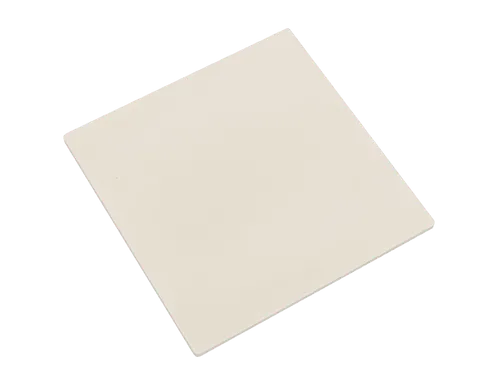
Cordierite pizza stone material is the same material used in kiln shelves, which go through repeated heating and cooling. If you want a reliable, crack-resistant option, a quality pizza stone made from cordierite is the place to start.
For a broader look at tested options, The 3 Best Pizza Stones of 2026, Tested & Reviewed covers real-world performance across materials and sizes.
How to Prevent Cracking: Step-by-Step
Follow these steps every single time:
- Always preheat gradually. Place the stone in a cold oven or fire pizza oven, then raise the temperature slowly before cooking, following the oven maker’s preheat steps.
- Never wash a hot stone. Let it cool completely to room temperature before any contact with water or cleaning tools.
- Dry thoroughly before reheating. If the stone gets wet from rain or a wipe-down, let it air-dry fully, or dry it in a low oven, before cranking the heat.
- Use it on a stable, flat surface. Flex or wobble puts uneven mechanical stress on the stone every time you load a pizza.
- Keep oil off the stone.
- Store it inside when possible. Indoor storage keeps it away from rain and freezing.
If you cook in a wood pellet pizza oven or use pizza oven wood as your fuel source, temperatures climb fast and high. That makes gradual preheating even more important than it would be in a standard home oven.
Sizing Your Stone to the Oven
A stone that is too large for its oven can crack simply because the edges are close to heating elements or walls and heat unevenly. A stone that is too small sits over an unsupported gap and flexes under the weight of a loaded pizza. Match the stone dimensions to your oven floor, following the oven maker’s size guidance.
When you pick up a set of pizza oven stones for a new setup, check the manufacturer’s recommended stone dimensions for your specific oven model before ordering.
Can a Cracked Stone Still Be Used?
Check how far a crack runs before you use the stone again:
- A crack that goes all the way through means the two halves will heat at different rates, which accelerates further damage.
- A fully split stone is a safety hazard in a high-heat environment like a wood fire pizza oven or open-flame setup.
- Replace any stone with a through-crack before your next cook.
Pizza Steel vs Stone: Is Steel the Crack-Proof Alternative?
Pizza steel conducts heat faster and will never crack, which makes it appealing for regular grill or indoor oven use. For a dedicated outdoor pizza oven running above 400°C, however, stone is still the better choice because:
- Stone absorbs and radiates heat evenly across the entire base, mimicking a traditional brick floor.
- Excessive steel temperatures can char the crust bottom before the top is cooked through.
- Quality cordierite stones handle the heat ranges that would warp thinner steel.
If crack resistance is your top priority and you cook primarily at moderate temperatures, steel is worth considering. For a wood or pellet oven hitting peak temperatures, stick with a quality stone.
Where to Buy Pizza Oven Stones and Save
If you are ready to replace a cracked stone or upgrade to a better material, head to the full pizza oven stones collection to see what fits your setup.
Questions
What are pizza oven stones made from, and which material lasts longest?
Pizza oven stones are made from cordierite, fireclay, or ceramic. Cordierite is engineered for rapid thermal cycling, which is why it is also used in kiln shelves.
Can I put a cold pizza stone straight into a hot oven?
No. Placing a cold stone into a preheated oven causes thermal shock, which cracks stones. Always start the stone in a cold oven and bring the temperature up gradually.
Why did my pizza stone crack even though I was careful?
Hidden moisture is one possible cause. Even a stone that looks dry can hold absorbed water that turns to steam under high heat and fractures the material from the inside. Make sure the stone is fully dry after any contact with water before you heat it again.
Is a pizza stone better than pizza steel for a wood fire pizza oven?
For high-temperature wood-fired cooking above 400°C, a cordierite pizza stone absorbs and radiates heat evenly across the base, mimicking a traditional brick floor. Steel conducts heat faster but can char the crust bottom at those extreme temperatures.
How do I clean a pizza stone without causing damage?
Always let the stone cool completely before cleaning, then scrape off debris with a stiff brush or plastic scraper. Avoid soap and never submerge or soak the stone in water, as absorbed moisture will cause cracking the next time it is heated.
Where can I find a discount on Pizzello pizza oven stones?
You can find the current Pizzello discount code and check live pricing on our dedicated coupon page, which is updated whenever a new offer goes live.
Products in this guide
 Shopping at Pizzello? See the discount code
3% OFF All Orders
More in this series
 How to Choose an Extendable Outdoor Dining Table That Fits Your Pizza Oven Setup14 Aug 20264 minCan You Use a Pizza Stone in a Propane Pizza Oven?14 Aug 20265 minWhat Wood and Pellets Should You Burn in a Pizzello Pizza Oven?14 Aug 20264 minPropane vs Wood Pellet Pizza Ovens: Which Fuel Type Is Right for You?14 Aug 20264 minHow to Season and Maintain Your Pizza Stone: Pizzello’s Care Rules14 Aug 20264 min