 A UTSUWABI guide
How to Season and Care for Your Donabe Pot
Everything you need to know to season, clean, and maintain your donabe pot so it delivers rich flavor for decades.
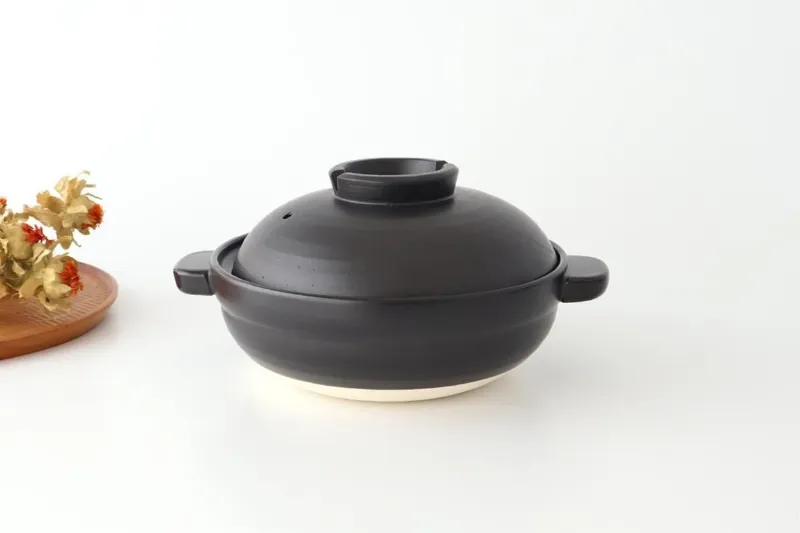
A donabe pot is one of the most rewarding pieces of cookware you can bring into your kitchen. It distributes heat gently, retains it long after the flame is off, and develops a seasoned personality over time much like a cast-iron skillet. But that long life depends on how you treat it from day one. We will walk you through the entire process (from the initial curing soak to daily cleaning and storage) so you can get the most out of your donabe pot and every meal you cook in it.
Why a Donabe Pot Needs Special Care
Unlike glazed Western casseroles, a traditional japanese donabe pot is made from a porous clay that breathes. This porosity is what gives donabe cooking its signature humidity and even heat, but it also means the pot absorbs moisture, oils, and flavors from everything you cook in it. If you skip the seasoning, your first few dishes may taste faintly of clay, and the pot is more likely to crack under thermal shock.
A properly conditioned donabe pot develops a natural non-stick surface and a subtle patina that enriches soups, rice, and braises over time. As Donabe Isn’t Just a Pot. It’s an Experience puts it, the pot becomes a companion in the kitchen, one that rewards attention with better and better food.
How to Season a New Donabe Pot (The Curing Process)
Seasoning a new donabe is straightforward, but you need to plan for about 2 hours of hands-off time.
Step 1: Rinse and soak. Wash the pot and lid with warm water and a soft sponge, no soap at this stage, since bare clay will absorb detergent. Fill the pot about 80 percent full with water and add a handful of rice flour or leftover rice rinsing water. If you do not have either, tap water works fine.
Step 2: Simmer gently. Place the pot on the stove over low to medium-low heat. Bring the water to a gentle simmer (never a violent boil) and let it cook for about 45 minutes. The starch helps seal microscopic pores in the clay.
Step 3: Cool and dry. Turn off the heat and let the pot cool completely in the pot. Pour out the water, rinse once with warm water, and dry the pot thoroughly with a clean towel. Let it air-dry upside down for several hours or overnight before storing.
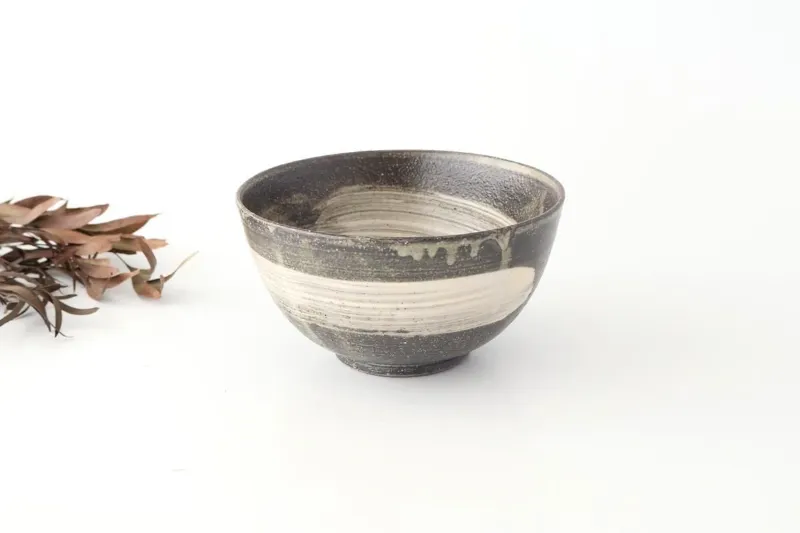
Step 4 (optional but recommended): Cook a pot of rice. Many Japanese cooks break in a new donabe pot by cooking a batch of plain white rice. The starch further seals the clay and the gentle steam cycle conditions the lid and body evenly. If you have a donburi bowl set, this is the perfect moment to serve that first batch.
After this initial curing, your donabe is ready for soups, stews, steamed vegetables, and the famous donabe pot rice dishes that make this cookware so beloved.
Can You Use a Donabe Pot on an Electric or Induction Stove?
This is the most common question we hear, and the answer depends on the exact pot. Some modern donabe pots feature a layer of ceramic that makes them compatible with all heat sources. Others are purely clay and will only work on gas.
If you live in a home with an electric coil or glass-top range, look specifically for a donabe pot induction rated model. The same advice applies if you need a donabe pot electric stove safe version, check the product description for “all stovetops including induction” before you buy.
For gas users, any traditional donabe works fine. Just always start on low heat and let the pot warm up gradually. Never crank the burner to high; the clay expands slowly and sudden heat is what causes cracks.
We recommend keeping a miso soup bowls set nearby so you can ladle your finished soup directly into serving bowls without rushing the pot to cool.
Daily Cleaning: What to Do After Every Use
Cleaning a donabe pot is not complicated, but it is different from cleaning a stainless steel or enamel pot.
Let it cool completely. Never run cold water over a hot donabe, the thermal shock can crack it instantly. Let it rest on a trivet or wooden board until it reaches room temperature.
Scrub with warm water and a soft sponge. Avoid abrasive pads, steel wool, or harsh detergents. Most stuck-on food will release after a short soak in warm water. For stubborn bits, make a paste of baking soda and water and scrub gently.
No soap unless it is stained. A tiny drop of mild dish soap is fine once the pot is well seasoned (after 4-5 uses), but avoid soaking it in soapy water. The clay will absorb the detergent and can leave a soapy taste in your next dish.
Dry immediately. Wipe the exterior and interior with a clean towel, then leave the pot upside down and the lid askew until fully dry. Mold can grow in a damp clay pot, so do not skip this step.
For oily dishes. After cooking something fatty like braised pork or fried tofu, scrub the pot with warm water and a bit of rice bran or vegetable oil. This feeds the seasoning layer rather than stripping it.
What to Avoid: Donabe Pot No-Nos
A short list of things we never do with a donabe:
- No rapid temperature changes. Cold water into a hot pot, or a cold pot onto a hot burner, is the fastest way to break it.
- No dry heating. Always have liquid or oil in the pot before turning on the heat.
- No metal utensils. Use wooden, bamboo, or silicone spoons and spatulas to avoid scratching the clay.
- No dishwashers. The heat and detergent cycle will strip the seasoning and can weaken the clay over time.
- No storage with the lid sealed tight. Leave a small gap or place a paper towel between the pot and lid to allow airflow and prevent odors.
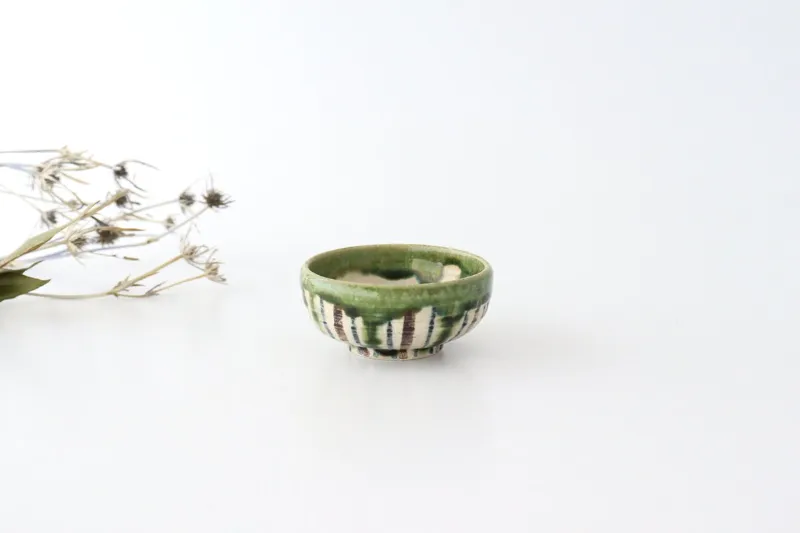
If you also collect other Japanese ceramics like sake cups or a porcelain arita tea set, the same gentle hand-washing principle applies, these pieces are crafted to be handled with care.
Does a Donabe Pot Need Periodic Re-Seasoning?
Yes, but not frequently. After the initial cure, you should re-season your donabe pot about once a year or whenever you notice food sticking more than usual. The process is exactly the same as the first seasoning: the rice-flour simmer or a plain rice cook.
If you cook a lot of acidic ingredients (tomato-based sauces, vinegar braises, citrus-heavy dishes), the seasoning may wear faster. One or two extra rice-cook cycles per year will keep the pot in top shape.
For everyday use, simply always start your heat low, keep the pot dry between uses, and avoid soap. That routine alone will keep your japanese donabe pot performing well for a decade or more.
Pairing Your Donabe with Other Tableware
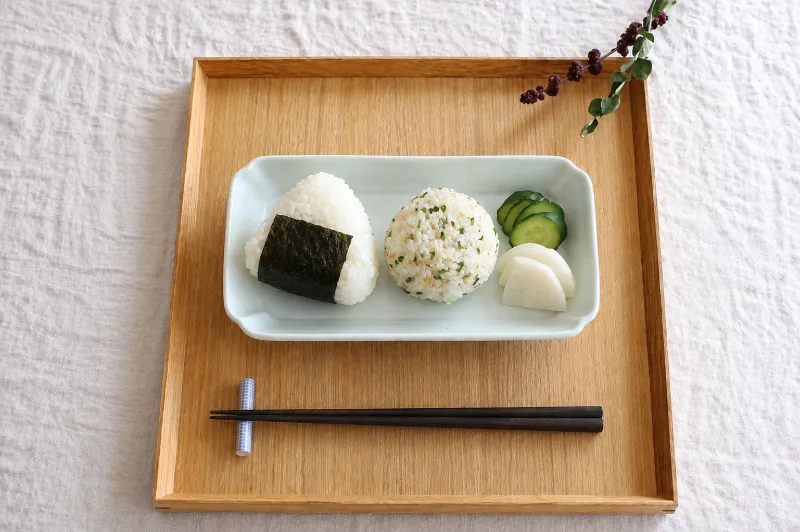
A donabe pot is usually the centerpiece of a shared meal, but the full experience is even better when you serve with thoughtfully matched pieces. A set of miso soup bowls feels natural for ladling broth, and a sushi plate works beautifully for side dishes or pickles arranged alongside the main pot.
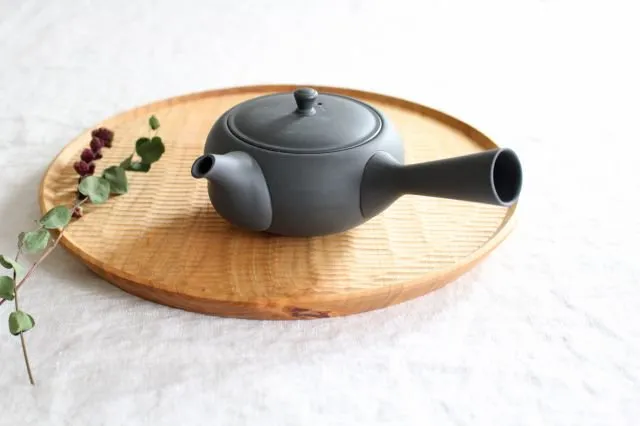
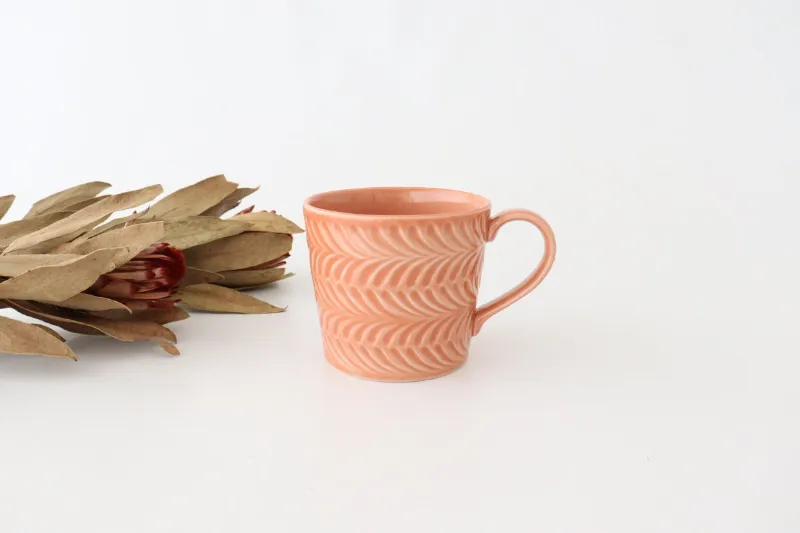
For drinks, a japanese tea pot filled with genmaicha or hojicha complements the earthy flavors of a donabe-cooked meal. And if you are serving dessert or a warm beverage afterward, a japanese coffee mug in a matching glaze ties the table together.
Before you stock up on any new pieces, grab the code for 5 percent off your entire UTSUWABI order, it applies to cookware and tableware alike.
The Bottom Line on Donabe Pot Care
Treat your donabe pot with the same respect you would give a good carbon-steel wok or cast-iron pan. Season it once, clean it gently, heat it slowly, and keep it dry. In return, it will produce some of the most comforting food you can make at home, from silky Donabe hot pot to fluffy steamed rice.
For a deeper dive into which donabe style suits your cooking habits, the Your Official Donabe Guide is a fantastic resource. And when you are ready to buy, check the latest price on our tested donabe pots to see what is in stock right now.
Products in this guide
 Shopping at UTSUWABI? See the discount code
5% OFF All Orders
Shopping at UTSUWABI? See the discount code
5% OFF All Orders