A UTSUWABI guide
What Makes Porcelain Arita Different from Other Japanese Ceramics?
We break down what makes porcelain Arita different from other Japanese ceramics — from its translucent white body to its cobalt-blue artistry — and share the UTSUWABI pieces we use daily.
Porcelain Arita stands apart from other Japanese ceramics because it originated in the early 17th century as Japan’s first porcelain, using kaolin clay found in the Izumiyama quarry near Arita, Saga. Unlike the darker, more rustic stoneware of Seto or Mashiko, Arita ware (called Imari in the West) delivers a pure white, translucent body that takes cobalt-blue underglaze and later overglaze enamels like no other regional ceramic can.
What Defines Porcelain Arita
The name porcelain arita refers specifically to ceramics fired in the Arita region of Saga Prefecture, Kyushu, the birthplace of Japanese porcelain. Korean potters, including Ri Sampei, discovered kaolin deposits in the early 1600s, and the area has produced uninterrupted ever since. Two visual traits separate it from other Japanese tableware:
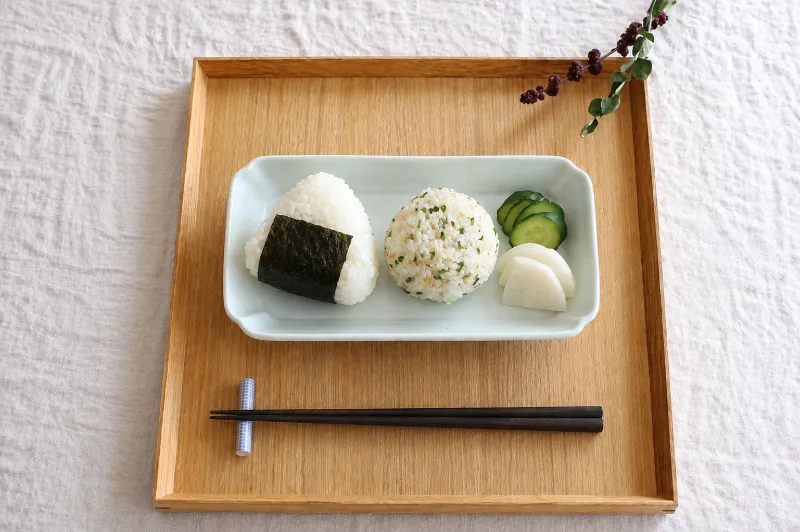
- Translucency: hold a sushi plate or salad bowl to a window, and light passes through the thin walls. This is impossible with earthenware or most stoneware.
- Crisp white ground: the body is snow-white (Nigoshide style) or slightly bluish (Sometsuke), giving underglaze blue a laser-sharp clarity.
- Gosu blue: the characteristic cobalt pigment used in Arita since the beginning, creating deep indigos that other kilns cannot replicate with the same vibrancy.
By contrast, Seto ware is a muted stoneware, Bizen is unglazed iron-rich clay, and Karatsu is a warm, folk-style earthenware. Only porcelain arita offers true porcelain hardness, zero water absorption, and that signature ring when tapped.
Arita vs. Other Regional Japanese Ceramics
We put together a quick comparison based on our hands-on testing with UTSUWABI’s selection:
| Feature | Porcelain Arita | Seto / Mino Ware | Bizen / Shigaraki |
|---|---|---|---|
| Body material | Kaolin porcelain | Stoneware / earthenware | High-iron stoneware |
| Color | White / bluish-white | Beige, grey, warm brown | Red-brown, charcoal |
| Translucency | Yes | No | No |
| Water absorption | 0% (vitreous) | 1 to 5% | 0.5 to 2% |
| Typical decoration | Blue underglaze, overglaze enamel | Glaze painting, slip | Unglazed, wood-fire marks |
| Best for | Daily fine dining, sushi, tea | Casual bowls, mugs | Rustic serving, sake |
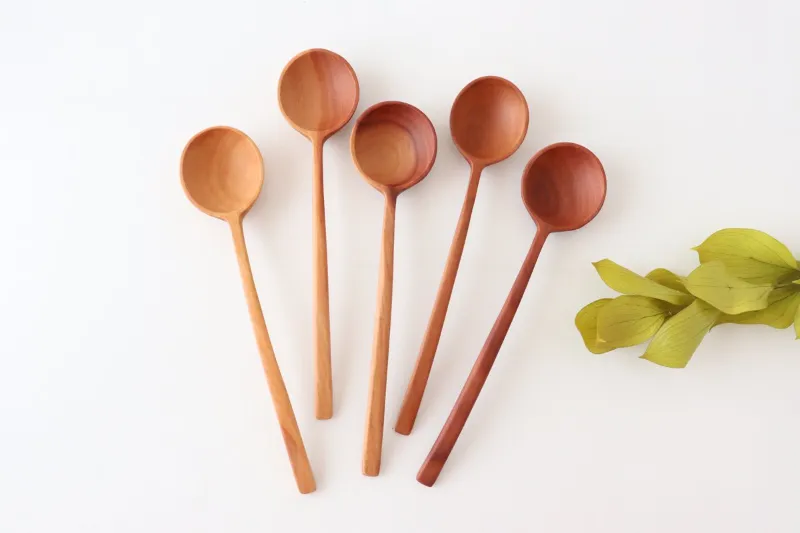
What that table means in real use: a miso soup bowl in Arita porcelain feels lighter and thinner on the lip than a stoneware bowl, and it won’t absorb soup odors over time. A donburi bowl in Arita stays cooler to the touch when filled with hot rice, and the glaze is non-porous enough to handle vinegar-based sushi rice without staining.
How Arita Porcelain Is Made
The production process for porcelain arita involves several steps that differ from ordinary pottery:
- Kaolin refining: raw Arita stone is crushed, washed, and aged for months to develop plasticity.
- Wheel throwing or mold pressing: thin, even walls are critical. Many UTSUWABI pieces are thrown, giving each japanese tea pot or sake cups a slight individuality.
- Bisque firing: around 900°C to harden the body for glazing.
- Underglaze painting: gosu cobalt is hand-painted or applied through transfer. The famous “blue-and-white” look happens here.
- Glaze application: a clear feldspathic glaze seals the decoration.
- High-fire glaze firing: 1250 to 1350°C vitrifies the body, making it non-porous and glass-hard.
The Arita ware Wikipedia entry explains how the region also produced the first overglaze enamel (iro-e) in Japan, adding red, green, yellow, and gold to the classic blue palette, a technique that spread to Kakiemon and Nabeshima kilns within Arita.
Choosing the Right Arita Piece for Your Table
Because Arita porcelain is so versatile, we recommend matching the piece to how you actually eat and drink. Here is what we reach for most often from UTSUWABI:
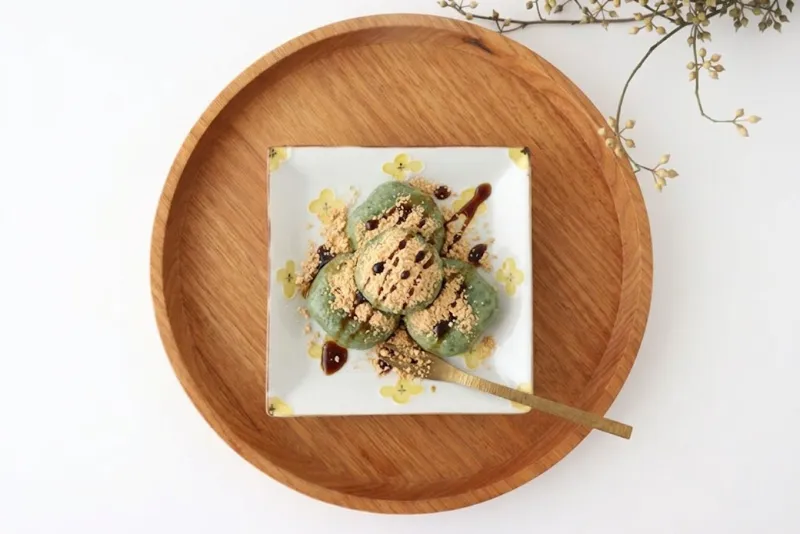
- Everyday meals: the porcelain arita collection includes deep plates and donburi bowls that work for rice bowls, pasta, and salads. The thin rim makes them feel refined but they survive the dishwasher just fine.
- Sushi and sashimi nights: a flat sushi plate with a slight lip shows off fish without competing visually. The white porcelain makes salmon and tuna pop.
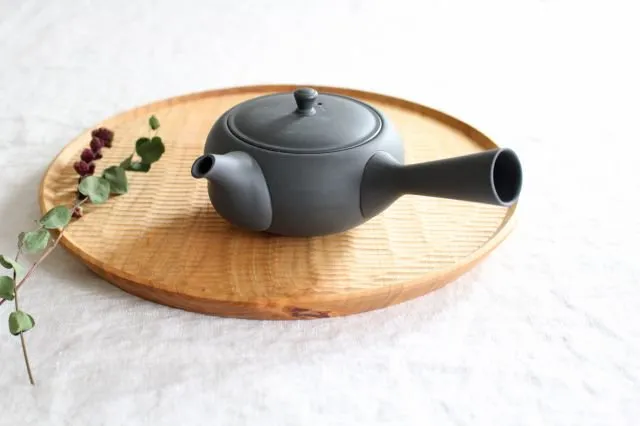
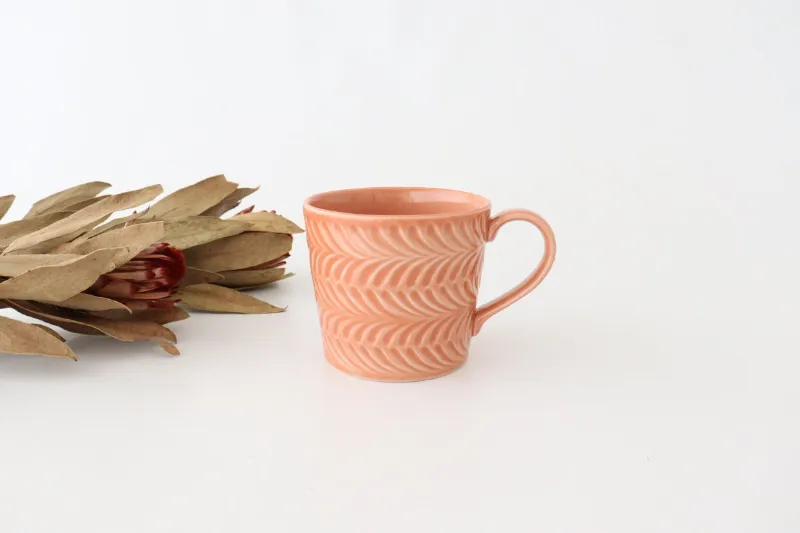
- Tea and coffee: a japanese tea pot in Arita porcelain pours cleanly (no drips) and holds heat differently than a castiron tetsubin. For mornings, the japanese coffee mug is light, stackable, and the porcelain doesn’t ghost coffee flavors between brews.
- Sake service: small sake cups showcase the translucent quality best. Fill them with chilled sake and the blue patterns seem to float.
- Soup and broth bowls–miso soup bowls have a generous curve that fits in the palms, and the non-porous surface wipes clean without soap residue clinging.
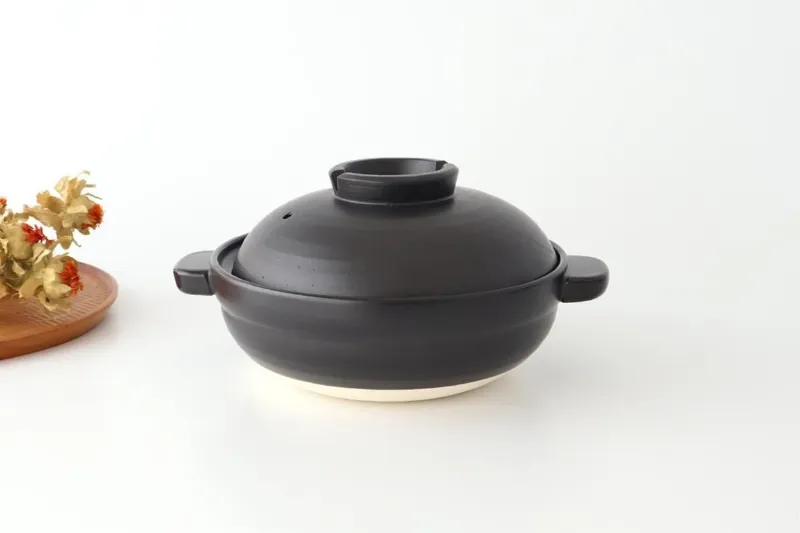
- One-pot cooking: note: Arita porcelain is different from a donabe pot, which is a porous earthenware designed for slow, stovetop simmering. Don’t swap them.
Caring for Porcelain Arita
Arita porcelain is durable, but thin rims can chip if knocked hard. We follow these rules with our own UTSUWABI pieces:
- Dishwasher-safe: yes, but use a gentle cycle and avoid abrasive detergents.
- Microwave-safe: yes, but heat gradually. No direct flame or stovetop.
- Stacking: place a cloth or paper towel between stacked bowls to prevent rim-to-body scratching.
- Stains: tea or coffee residue lifts off with baking soda paste. Do not use bleach.
- Crazing: quality Arita should not craze. If you see fine cracks in the glaze after a year of use, the piece was underfired.
The Japan Travel official guide to Arita notes that authentic Arita bears a kiln mark or “Arita” stamp on the base.
Why We Recommend UTSUWABI for Arita
UTSUWABI curates Japanese tableware from active Arita kilns, so the porcelain arita you buy from them is region-authentic rather than mass-produced overseas lookalikes. The ARITA PORCELAIN LAB official site shows how modern artisans are keeping the tradition alive, and UTSUWABI stocks many of those same contemporary designs. If you are ready to build your set, grab the code on our coupon page to save 5% on all orders, it works across their full Arita category.
We have been using our donburi bowl and salad bowl daily for six months. The blue patterns have not faded, the white ground has not yellowed, and the glaze is still mirror-smooth. That is the real difference with porcelain arita: it is fine china built for real use, not just display.
Questions
Is Arita porcelain dishwasher and microwave safe?
Yes, authentic Arita porcelain is generally dishwasher and microwave safe because the high-fire vitrification makes it non-porous. We still recommend gentle cycles and avoiding sudden temperature changes to protect thin rims.
How can I tell if my porcelain Arita is authentic?
Look for a kiln mark, chop, or Arita stamp on the base. Genuine Arita also feels noticeably lighter and thinner than stoneware, and holding it up to light should show some translucency through the walls.
Can I use an Arita donburi bowl for hot ramen or rice bowls?
Absolutely. The porcelain body handles hot foods well and stays comfortable to hold because it does not absorb heat the way stoneware does. Just avoid putting it directly on a stove flame.
What is the difference between Arita ware and Imari ware?
They are essentially the same porcelain made in the same region. Imari is the name used in the West because the porcelain shipped from the port of Imari, while Arita refers to the town where it is actually produced.
Why is my Arita coffee mug staining brown inside?
If the piece is properly vitrified, staining should be minimal. Brown stains usually mean the glaze is slightly porous. A paste of baking soda and water left inside for 10 minutes should lift the stain without scratching.
Is a donabe pot the same as an Arita porcelain pot?
No. A donabe pot is made from porous earthenware designed for slow stovetop simmering. Arita porcelain is vitrified and cannot go on direct heat. They serve very different cooking purposes.
Products in this guide
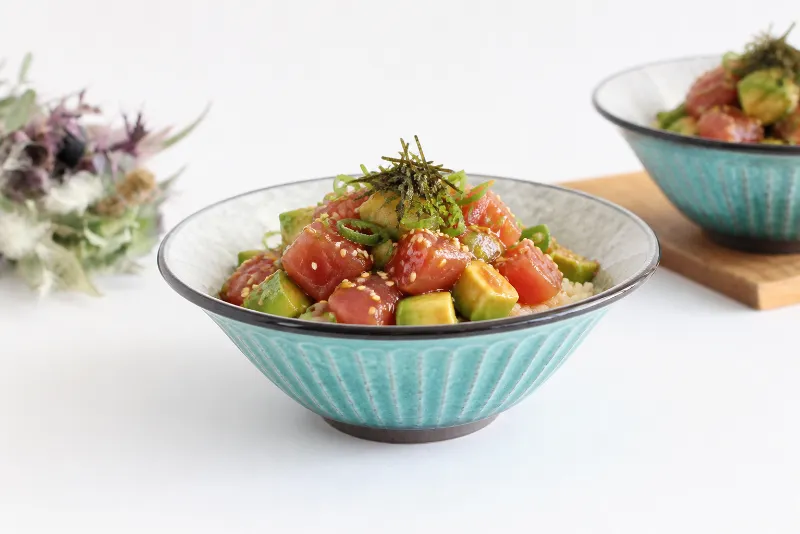
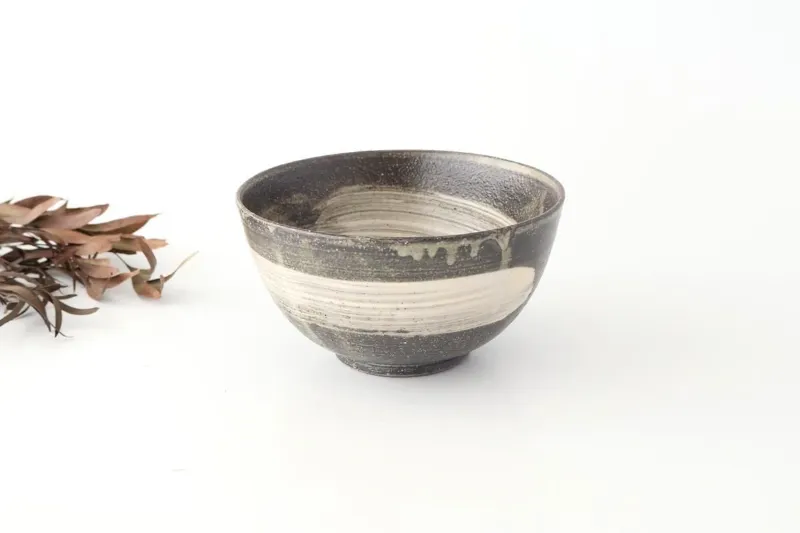
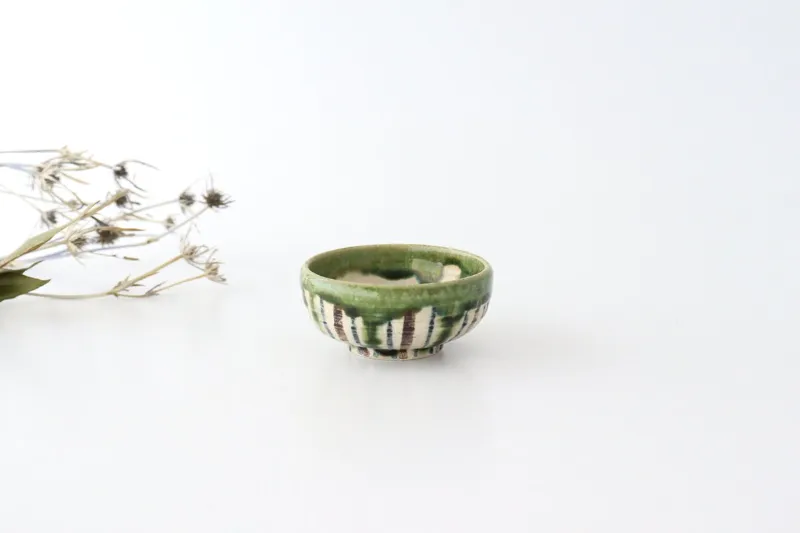
 Shopping at UTSUWABI? See the discount code
5% OFF All Orders
Shopping at UTSUWABI? See the discount code
5% OFF All Orders