 A UTSUWABI guide
Is a Japanese Teapot Safe for Stovetop Use?
Not every japanese tea pot belongs on the stove — we explain which ones are safe and how to tell the difference before you heat it up.
A japanese tea pot is generally not safe for direct stovetop use, it depends entirely on the material and construction. Many traditional teapots are designed for brewing, not heating, so putting the wrong one on a burner can crack it or damage the finish.
Understanding the Different Types of Japanese Teapots
Before you turn on the stove, you need to know what kind of teapot you are holding. The phrase “japanese tea pot” covers several distinct styles, each built for a different purpose. The main categories are:
- Tetsubin (cast iron), traditionally used as a kettle over a fire, but modern versions vary
- Kyusu (ceramic side-handle pot), designed for brewing, never direct heat
- Donabe (earthenware clay pot), built for stovetop cooking, including boiling water
- Tokkuri (ceramic sake decanter), for serving, not heating
- Porcelain Arita pots, elegant brewing vessels, not stovetop safe
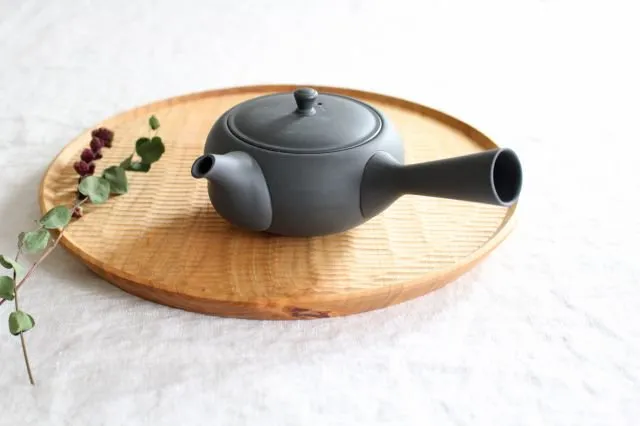
The japanese tea pot we carry at UTSUWABI is a brewing vessel, meaning it excels at steeping leaves but should not sit directly on a burner. If you want to heat water in a traditional vessel, a donabe pot is your real stovetop option.
Japanese Tea Pot Cast Iron: Tetsubin vs. Cast Iron Kettle
A japanese tea pot cast iron style raises the most stovetop questions because cast iron is famously heat-tolerant. But there is a crucial distinction most guides skip. Authentic Tetsubin teapots are uncoated inside and historically used over charcoal fires to boil water for tea. Modern cast iron teapots often have an enamel interior coating that can crack or discolor under direct flame.
Here is a quick comparison:
| Feature | Traditional Tetsubin | Modern Cast Iron Teapot |
|---|---|---|
| Interior | Uncoated iron | Enamel or ceramic coating |
| Stovetop safe | Yes, over low heat | No, coating may fail |
| Best use | Boiling water for tea | Steeping and serving |
| Weight | Heavy | Heavy (similar) |
If you have a genuine antique or high-quality traditional tetsubin, careful stovetop use is possible. But most modern japanese tea pot cast iron options sold as serving teapots should never go on the stove.
Japanese Tea Pot Ceramic: Kyusu and Donabe Options
A japanese tea pot ceramic design is among the most common and beautiful styles, but ceramic is also the most fragile when it comes to thermal shock. A japanese tea pot kyusu is made from porous clay that absorbs tea oils over time, that is a feature for flavor, not for fire. Putting a kyusu on a burner will crack it almost immediately.
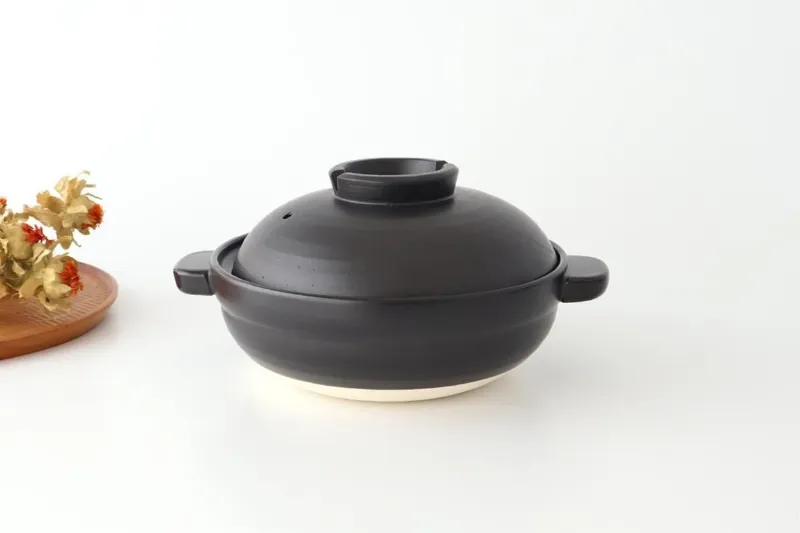
The exception is donabe. While not technically a teapot, a donabe pot is a Japanese clay cooking vessel engineered for stovetop use. It can boil water, simmer broth, and even cook rice. For those who want a single vessel that brews tea and heats water, a donabe is the safest bet. The Japanese Teapot: 8 Things You Need to Know guide explains that proper Japanese tea culture keeps brewing and heating separate for good reason.
Here is a quick material safety reference:
| Material | Stovetop Safe? | Notes |
|---|---|---|
| Uncoated cast iron | Yes (low heat) | Traditional tetsubin only |
| Enameled cast iron | No | Coating cracks under direct heat |
| Kyusu ceramic | No | Thermal shock risk |
| Donabe clay | Yes | Made for stovetop cooking |
| Porcelain Arita | No | Decorative and brewing only |
Japanese Tea Pot with Strainer: Built-In Convenience
A japanese tea pot with strainer is the most practical choice for daily brewing. Many ceramic and cast iron pots include a built-in fine mesh or clay strainer at the spout base, so you do not need a separate infuser. This design keeps leaves contained while pouring and makes cleanup simple.
These strainer pots are purpose-built for steeping, not heating. The strainer mechanism (whether ceramic, stainless steel, or silicone) is not rated for direct flame exposure. If you own a tea pot japanese style with a built-in strainer, keep it on the counter and heat your water separately in a kettle or donabe. That approach protects the pot and gives you better temperature control for delicate green teas.
How to Choose the Right Teapot for Your Kitchen
When deciding between the types of japanese teapots, match the vessel to how you actually brew. If you heat water in an electric kettle and pour it over leaves, nearly any japanese tea pot set works beautifully. If you want one vessel that does both heating and serving, a donabe is your answer.
Consider these questions:
- Do you already own a kettle? → Get a ceramic kyusu or porcelain arita pot for brewing.
- Do you want to boil water in the pot? → Choose a donabe pot or traditional tetsubin.
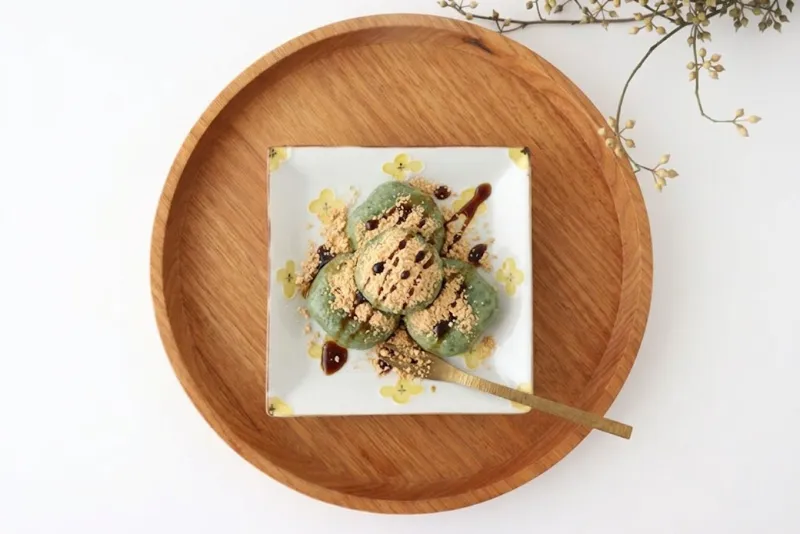
- Do you serve tea to guests often? → A japanese tea pot set with matching sake cups and a sushi plate makes a complete table presentation.
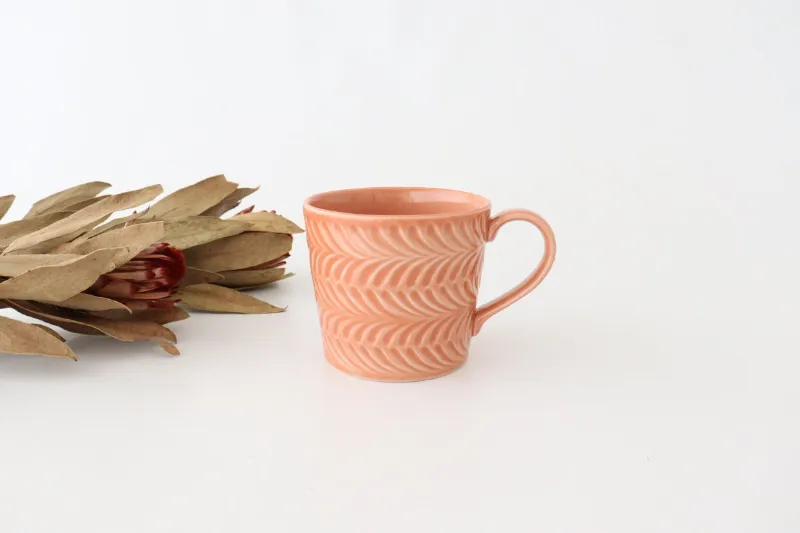
- Do you drink tea alone or at a desk? → A japanese coffee mug or small kyusu is enough.
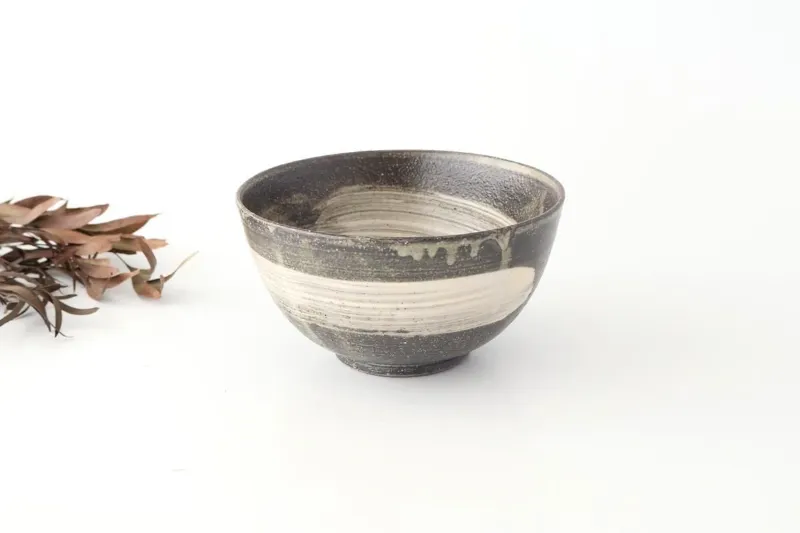
For everyday meals, pairing a donburi bowl and miso soup bowls with a brewing teapot creates a full Japanese dining experience without needing everything to be stovetop-safe.
Caring for Your Japanese Teapot
To keep your japanese tea pot in good condition, follow these care rules:
- Never preheat an empty ceramic pot on the stove, it will crack
- Rinse with warm water only: soap strips seasoning from unglazed clay
- Dry thoroughly before storing to prevent mold or rust
- Season cast iron by boiling water in it a few times before first use
- Store with the lid off to let the interior breathe
If you are unsure whether your pot can handle heat, check the manufacturer’s guide or contact us. The safest approach is to use your teapot for what it was made for: brewing great tea.
Ready to find the right vessel for your kitchen? Grab our 5% discount code to save on your next order, and check the latest pricing on all our teapots and tableware before you buy.
Questions
Can I use a Japanese tea pot on an induction stove?
Only if the pot has a ferrous metal base. Most ceramic and kyusu pots do not work on induction. A traditional cast iron tetsubin may work, but modern enameled versions usually do not.
What happens if I put a ceramic kyusu on the stove?
It will almost certainly crack. Kyusu clay is porous and not engineered to handle direct flame or rapid temperature change. Always heat water separately and pour it into the kyusu for brewing.
Is a japanese tea pot cast iron safe for a gas stove?
Only if it is an uncoated traditional tetsubin used over low heat. Most modern cast iron teapots have enamel interiors that can crack or discolor under direct gas flame, so we recommend keeping them off the burner.
Can I boil water in a donabe pot?
Yes, donabe pots are made for stovetop cooking. They handle boiling water, simmering soups, and even rice cooking. Just start on low heat and increase gradually to avoid thermal shock.
How do I know if my Japanese teapot has an enamel coating?
Look inside the pot. If the interior is smooth, glossy, and often light-colored, it is enameled. Uncoated cast iron has a rough, matte, dark surface. If you are unsure, assume it is enameled and keep it off the stove.
Do I need a separate kettle if I buy a Japanese teapot?
For most ceramic and modern cast iron teapots, yes. Heat your water in a separate kettle or donabe, then pour it into the teapot to steep. This protects the pot and gives you better control over water temperature.
Products in this guide
 Shopping at UTSUWABI? See the discount code
5% OFF All Orders
Shopping at UTSUWABI? See the discount code
5% OFF All Orders