 A UTSUWABI guide
5 Everyday Uses for a Sushi Plate You Haven’t Tried
Discover 5 creative everyday uses for a sushi plate that go far beyond serving rolls — from hot-pot trivets to drink staging.
A sushi plate does more than just hold rolls, its wide, low silhouette makes it one of the most versatile pieces in a Japanese tableware collection.
Use a Sushi Plate as a Multi-Purpose Side Dish Server
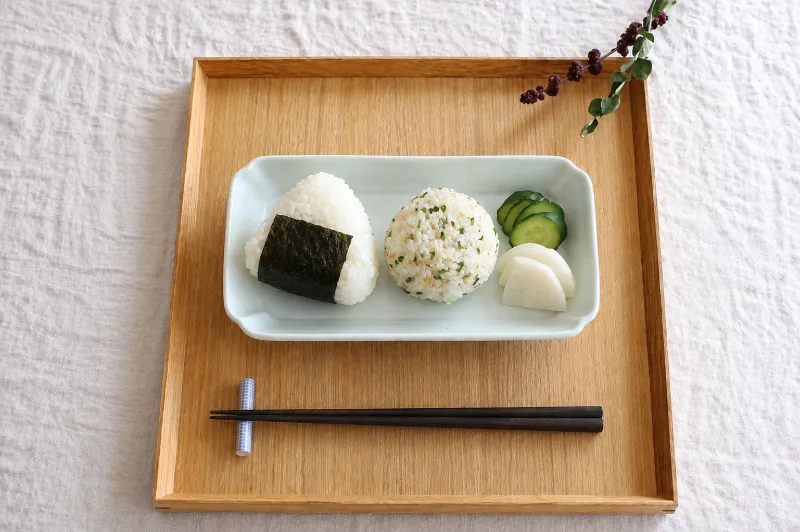
The shallow profile of a sushi plate ceramic design works beautifully for small sides that need their own space. Instead of crowding a dinner plate, place pickled ginger, edamame, or sesame-dressed greens on a separate sushi plate alongside your main course. The raised rim keeps juices and dressings contained, and the wide surface makes it easy for everyone at the table to grab a pinch.
A few things we regularly put on ours:
- Sunomono (vinegar cucumber salad)
- Kimchi or quick-pickled vegetables
- Marinated olives or small cheese portions
- Drizzled sauces for dipping
- Sliced fruit for a light dessert
You can also use a sushi plate ceramic as an individual appetizer plate for guests. Stack a few when you entertain, and each person gets their own dedicated side dish. If you prefer the warmer look of wood, a sushi plate wood option also works well here, just avoid soaking it or leaving wet foods on it for long periods.
Pair It with a Donburi Bowl for a Complete Meal Set
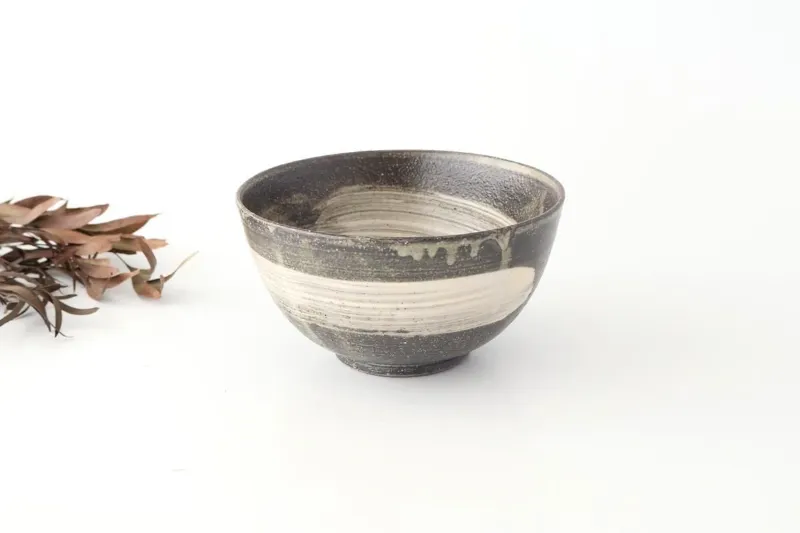
A donburi bowl holds the hearty rice-and-topping main, but it rarely comes with a matched side plate. That is where a sushi plate set for 2 shines. Place your donburi bowl in the center of the table and serve the accompanying pickles or protein on a sushi plate next to it. The combination feels intentional and restaurant-like without taking up much space.
For smaller tables, a sushi plate set for 6 lets you serve a shared main alongside individual sides. The low rim of the plate means it stacks neatly under the donburi bowl when not in use, a smart space saver for compact kitchens.
We also like to use the sushi plate as a lid rest or chopstick rest during the meal. Resting chopsticks across the rim keeps them clean and off the table surface.
Use a Sushi Plate as a Trivet or Hot-Pot Stand for Your Donabe Pot
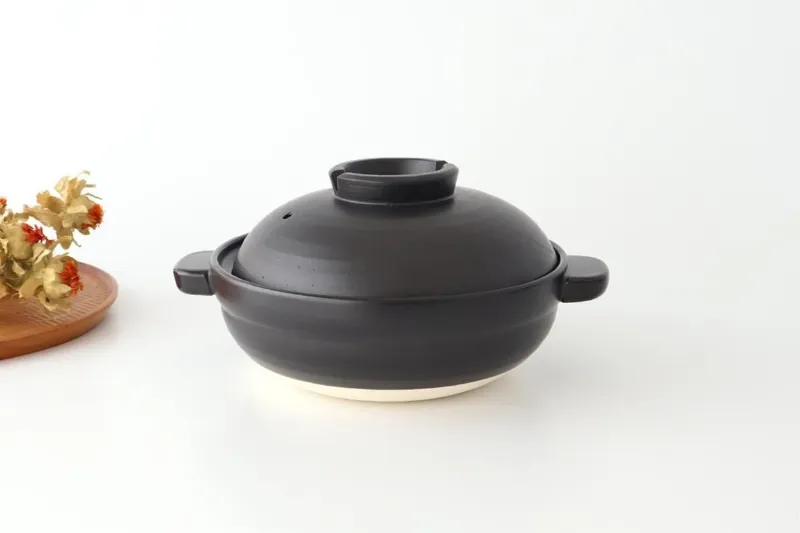
A sushi plate restaurant trick that transfers perfectly to home kitchens: use a ceramic sushi plate as a trivet for hot cookware. The thick, heat-resistant porcelain of a quality sushi plate can handle the direct heat from a donabe pot fresh off the stove.
Here is how we do it:
- Set the sushi plate on the table where you plan to serve
- Place the hot donabe pot directly on the plate
- The wide base distributes the heat and protects your table surface
- Let guests serve themselves straight from the pot
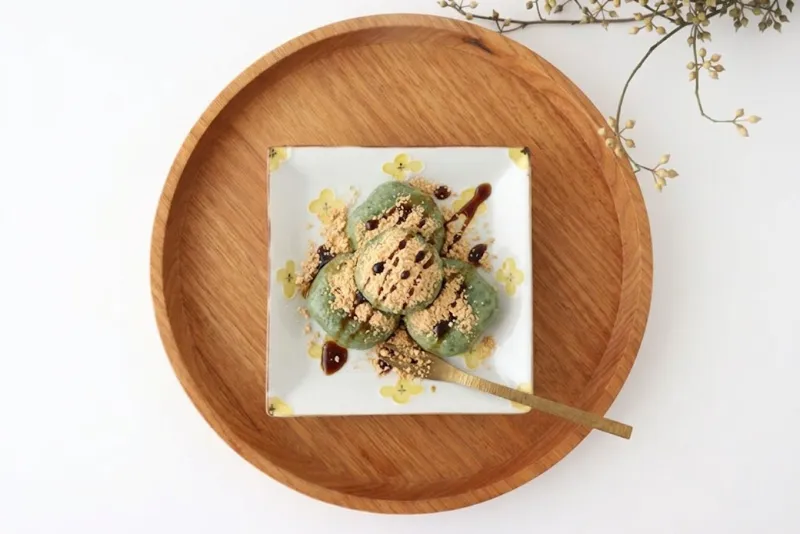
This works because traditional Japanese pottery, especially porcelain arita pieces, is fired at high temperatures and handles thermal shock well. Just make sure the sushi plate is completely dry before you set a hot pot on it, and avoid placing it on a cold counter straight from a hot oven.
Build a Ceramic Sushi Plate Set for Entertaining
When you host a gathering, having multiple sushi plate pieces available makes serving easy. A ceramic sushi plate set in a unified glaze (or a mix of complementary colors) lets you serve different courses on matching tableware without needing a full dinner set.
Consider this simple entertaining layout:
| Course | Vessel | Why It Works |
|---|---|---|
| Appetizer | Sushi plate | Shares small bites easily |
| Soup | miso soup bowls | Deep bowl holds broth |
| Main | Donburi bowl | Large enough for rice + toppings |
| Drink | sake cups | Matched ceramic for toasts |
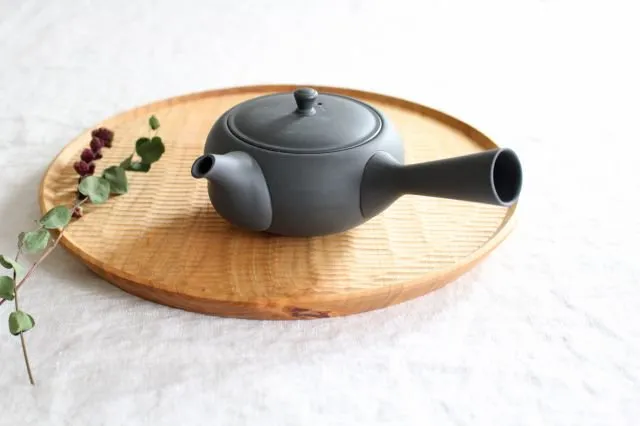
You can also use a sushi plate as a base for a japanese tea pot or a tea pot japanese during tea service. Place the teapot on the plate to catch any drips or condensation, and set the cups around it for a self-serve tea station. This is especially handy when serving multiple guests because the plate keeps spills contained and the table dry.
For a relaxed brunch, try setting a japanese coffee mug on a small sushi plate and adding a single pastry or cookie alongside it. The plate frames the mug and turns a quick coffee into a styled moment.
Stage a Japanese Coffee Mug or Tea Pot Japanese on a Sushi Plate
One of our favorite everyday uses is treating a sushi plate as a saucer for hot drinks. A standard sushi plate has a much larger surface area than a typical saucer, which means it can hold your mug, a spoon, a tea bag wrapper, and even a small biscuit without everything feeling crowded.
Grab a japanese coffee mug and set it on a sushi plate on your desk or bedside table. The plate catches condensation from cold drinks and drips from hot ones. It also gives you a stable spot to rest a spoon or stir stick. If you brew tea using a japanese tea pot, place the pot on the sushi plate between pours, the rim keeps any stray drips off the table.
This works equally well with a tea pot japanese for a full tea ceremony setup. The plate becomes a central staging area that groups all the tea elements together.
Sizing note
If you are buying a sushi plate set specifically for drink service, look for plates that are at least 15 cm in diameter. That gives you enough room for a standard mug or small teapot plus a couple of small accompaniments. A sushi plate set for 2 is a good starting point if you are outfitting a couple’s kitchen.
Care Tips for Your Sushi Plate
To keep your sushi plate looking its best across all these uses, follow a few simple rules:
- Hand wash ceramic and porcelain pieces with mild soap and a soft sponge
- Avoid metal scrubbers that can scratch the glaze
- Let wooden sushi plates air dry immediately after washing, never soak them
- Stack ceramic plates with a soft cloth or paper towel between them to prevent scratching
- Check for cracks or chips before using the plate as a hot trivet
For more background on what makes a good sushi plate and how they differ from standard dinner plates, this guide on sushi plates covers materials, shapes, and sizing well.
Ready to pick one up? We keep several in rotation for dishes, drinks, and hot pots. Check the latest price and discount on our tested sushi plate picks before you order.
Which Sushi Plate Style Suits You Best?
| Style | Best For | Care Level |
|---|---|---|
| Ceramic/Porcelain | Trivets, sides, drink staging | Easy, dishwasher safe (top rack) |
| Wood | Dry snacks, sushi serving | Moderate, hand wash only |
| Lacquer | Formal meals, light sides | Gentle, no soaking, no heat |
| Stoneware | Hot pots, heavy use | Easy, durable and heat-safe |
A sushi plate is far more useful than its name suggests. Whether you are staging a donburi bowl dinner, resting a hot donabe pot, or building a coffee station with a japanese coffee mug, this simple piece of tableware pulls double duty every day. Grab our exclusive 5% off code to start building your set.
Questions
Can I use a sushi plate as a regular dinner plate?
Yes, but it works best for smaller portions or side dishes rather than full meals. A sushi plate is typically shallower and wider than a standard dinner plate, so it suits appetizers, desserts, and shared sides better than a full entree.
Is a ceramic sushi plate safe for hot pots?
A quality ceramic or porcelain sushi plate can handle the heat from a donabe pot or small casserole dish. Just make sure the plate is dry before placing hot cookware on it, and avoid extreme temperature changes that could cause cracking.
What size sushi plate set should I buy for two people?
A sushi plate set for 2 works well for most couples. Look for plates around 18 to 22 cm in diameter if you plan to use them for sides and drink staging alongside your main dinnerware.
Can I put a Japanese coffee mug on a sushi plate?
Absolutely. A sushi plate makes an excellent oversized saucer for a Japanese coffee mug or teapot. The wide surface catches drips and gives you room for a spoon, tea bag, or small snack alongside the cup.
How do I clean a wooden sushi plate?
Hand wash wooden sushi plates with mild soap and warm water, then dry them immediately with a soft cloth. Never soak wood plates or put them in the dishwasher, as moisture can warp or crack the wood over time.
What is the difference between a sushi plate and a salad bowl for serving sides?
A sushi plate is wide and flat with a low rim, ideal for dry or lightly dressed items that you want to spread out. A salad bowl is deeper and better suited for tossed greens or dishes with more dressing. Both can complement each other in a table setting.
Products in this guide
 Shopping at UTSUWABI? See the discount code
5% OFF All Orders
Shopping at UTSUWABI? See the discount code
5% OFF All Orders