A UTSUWABI guide
How to Choose the Right Sake Cups for Hot vs Cold Sake
Not sure which sake cups to buy for hot versus cold sake? We compare ceramic, glass, and porcelain options so you pick the right set every time.
Sake cups are not one size fits all, and the biggest factor in choosing the right set is whether you plan to serve your sake hot or cold. Hot sake and chilled sake behave differently in the mouth, and the material, shape, and thickness of your cup can change the entire drinking experience. In this guide we walk through how to match sake cups to serving temperature so you get the most out of every pour.
Why Temperature Changes Your Sake Cup Choice
Temperature affects how sake releases aroma and flavor. A warm cup of sake (around 40 to 50 degrees C) has a softer ethanol burn, which makes richer, earthier notes come forward. Chilled sake (around 5 to 15 degrees C) preserves delicate floral and fruity aromas and keeps the acidity crisp.
Your cup acts as a thermal vessel. Thin glass or ceramic sake cups lose heat fast, which is great for chilled sake that you want to stay cool but not ideal for hot sake that you want to stay warm. Thicker cups, especially glazed stoneware or porcelain, retain warmth longer and protect your fingers from the heat of the liquid. That is the first rule of thumb: hot sake wants insulation, cold sake wants quick cooling.
Best Sake Cups for Hot Sake
When you serve hot sake, you want a cup that holds heat and feels comfortable to hold. The classic choice here is a sakazuki sake cup, a shallow, wide rimmed cup traditionally used for ceremonial warm sake. Because the cup is wide, the sake cools faster on the surface, which actually helps hot sake release its aromas more quickly. The shallow profile also means you drink it in smaller, warmer sips.
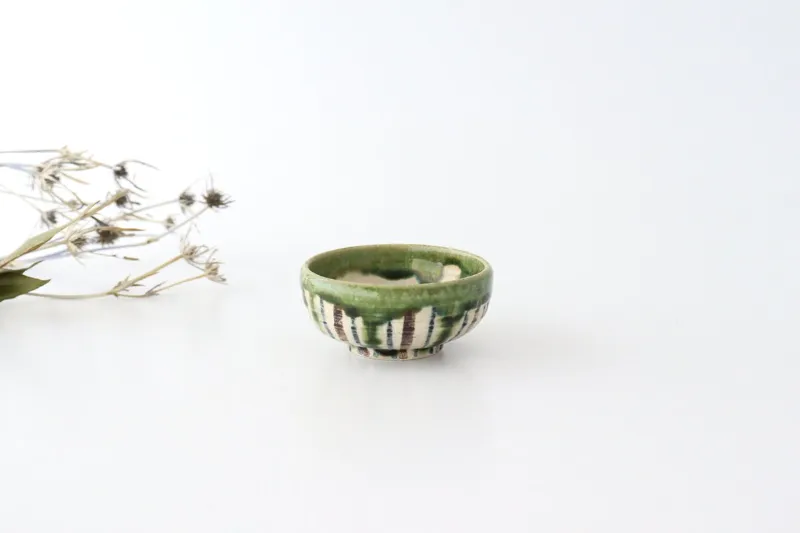
For everyday hot sake, a thicker walled ceramic cup works better. Our sake cups in porcelain or stoneware offer the heat retention you need without burning your fingertips. Look for cups with a slightly heavier base and a rolled or thickened rim. Glazed interiors also make cleanup easier after serving warmed sake, which can leave residue if the cup is porous.
Material matters too. Porcelain Arita ware, for example, is fired at high temperatures and holds heat evenly. A porcelain arita sake cup is a solid pick for hot sake because the dense clay body stays warm without hot spots.
Best Sake Cups for Cold Sake
Cold sake is best served in thinner, more delicate vessels that let the liquid stay chilled and the aroma travel freely. Glass sake cups are a favorite here because they do not retain heat from your hand, and they let you see the clarity and color of the sake. A sake cups glass set is especially good for ginjo and daiginjo styles where you want to appreciate the pale golden hue and the fine bubbles.
Ceramic is still an option for cold sake, but you want a thinner wall and a slightly taller or narrower shape that keeps the sake cool longer. Stackable ceramic sake cup set pieces with a narrow mouth reduce surface area, which slows warming. Some drinkers also prefer a stemmed cup for cold sake, similar to a wine glass, because it keeps your palm away from the bowl.
If you are serving both hot and cold at the same meal, we recommend keeping two sets on hand. One heavier set for the warm carafe and one lighter set for the chilled pours.
Sakazuki and Other Traditional Sake Cup Styles
The word sakazuki refers to a specific style of shallow sake cup used in traditional ceremonies and formal meals. These sakazuki sake cups are almost always used for warm sake because the wide, flat shape promotes quick aroma release and forces you to drink in small, appreciative sips. They are typically made of lacquered wood, porcelain, or sometimes ceramic.
Other traditional shapes include the guinomi, a deeper, cylindrical cup used for everyday drinking, and the ochoko, a small, narrow cup that works for both hot and cold sake. Ochoko cups are the most common shape you will find in a standard sake cup set, and they are versatile enough to handle temperature changes without cracking or becoming uncomfortable.
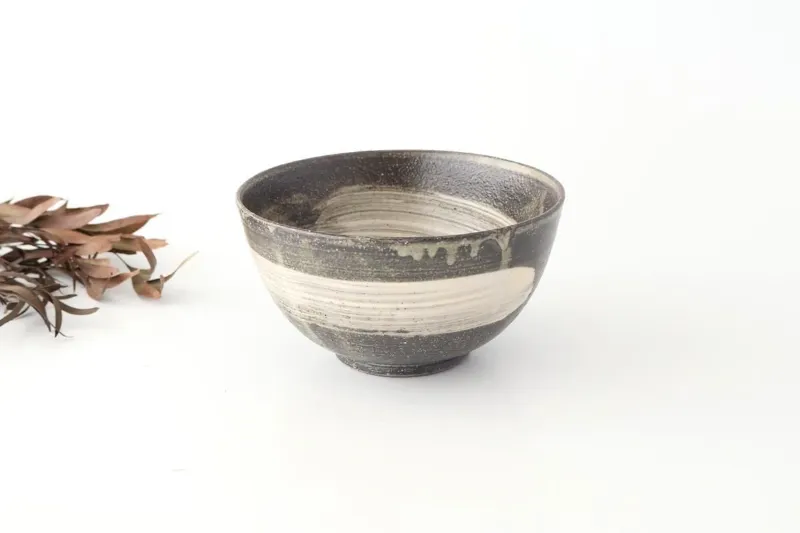
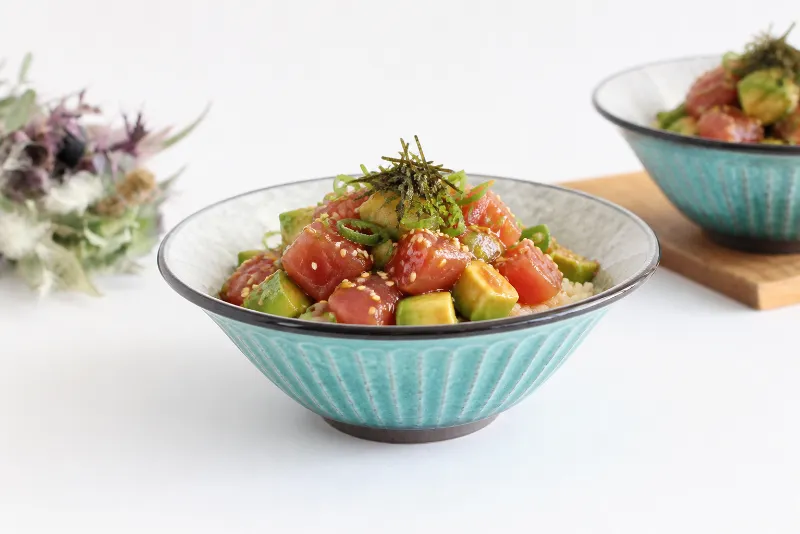
If you want to explore Japanese ceramics more broadly, pieces like our donburi bowl and miso soup bowls are made from similar stoneware and glaze techniques that carry over into sake cup craftsmanship.
Sake Cup Shapes and How They Affect Temperature
Shape is not just aesthetic. It directly controls how fast your sake warms or cools.
- Wide and shallow (sakazuki style): maximum surface area, fastest cooling and aroma release. Best for hot sake.
- Tall and narrow (ochoko style): minimal surface area, keeps liquid at serving temperature longer. Good for both hot and cold sake.
- Tulip or tapered (guinomi style): traps aroma at the rim, similar to a wine glass. Excellent for aromatic cold sake.
- Flat base with straight walls: even heat distribution, easy to hold. Versatile for either temperature.
When you browse our selection, pay attention to the cup profile. A set of sake cups with varied shapes lets you match the cup to the specific sake you are serving that night.
Ceramic vs Glass vs Porcelain: Which Material for Which Temperature
Here is a quick comparison of the main materials and how they perform for hot and cold sake.
| Material | Best For | Heat Retention | Aroma | Feel in Hand |
|---|---|---|---|---|
| Glazed ceramic | Hot sake | High | Good | Warm, grounded |
| Glass | Cold sake | Low | Excellent (see clarity) | Cool, light |
| Porcelain Arita | Both (mid thickness) | Medium | Very good | Smooth, refined |
| Stoneware | Hot sake | High | Moderate | Heavy, rustic |
If you can only buy one set, a mid weight porcelain arita set gives you the best compromise. It holds warmth well enough for hot sake but does not overheat chilled pours. If you entertain often, grab one ceramic set for hot and one glass set for cold.
How to Care for Your Sake Cups
Sake cups, especially ceramic and porcelain ones, last for decades with basic care. Hand wash them with mild soap and a soft sponge. Avoid abrasive scrubbers that can scratch the glaze. Never pour boiling hot sake directly into a cold cup made of ceramic or glass without warming the cup first with a quick hot water rinse. Thermal shock can crack thin walls.
Store your sake cups in a single layer if possible, or use felt separators if stacking. A chip on the rim affects both the drinking feel and the seal if you ever use a lid.
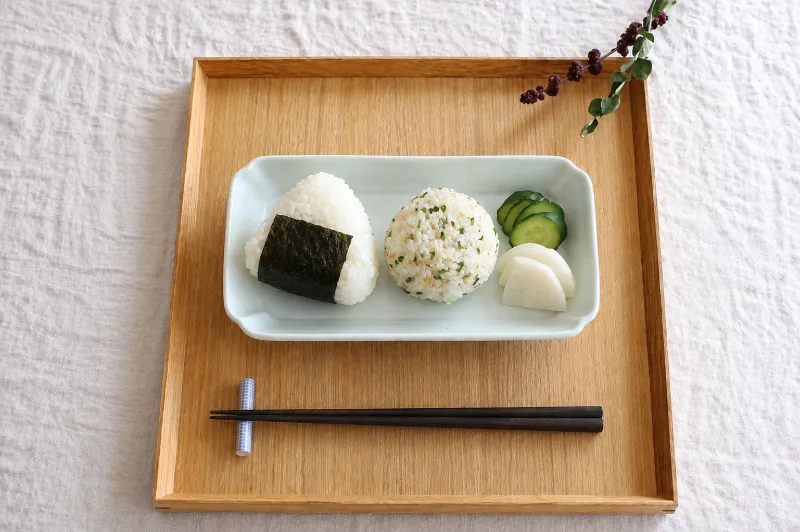
For best results, pair your cups with complementary serveware. A sushi plate or a salad bowl from the same ceramic line creates a cohesive table setting that looks intentional and clean.
Where to Find Quality Sake Cups
Whether you need a single ochoko for personal use or a full sake cup set for entertaining, we have options that suit both hot and cold service. You can grab the code for 5 percent off all orders to make your first set even easier to try.
For a deeper look at traditional Japanese vessels and serving etiquette, the Japan Sake Association has an excellent overview of Sake Cups and Vessels | JSS. You can also read about the broader history of the Sake set on Wikipedia.
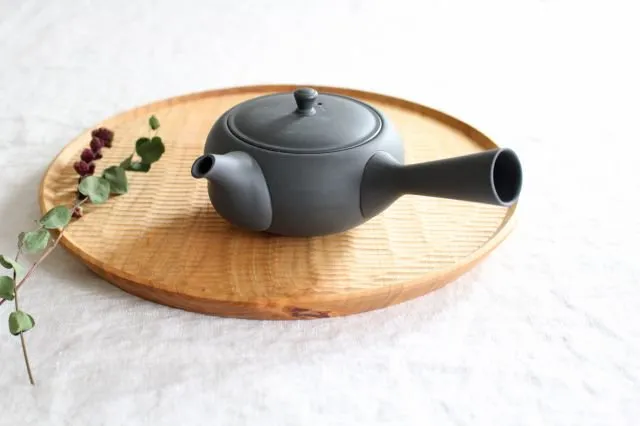
If you are still deciding, check the latest price on our sake cups and browse the matching carafes and japanese tea pot styles that share the same glaze families. Once you match the cup to the temperature, every pour tastes better.
Questions
Can I use the same sake cups for hot and cold sake?
Yes, but mid weight porcelain or stoneware cups work best for both. Thick ceramic cups hold too much heat for cold sake, and thin glass cups cool hot sake too fast. A medium walled set is the most versatile option.
What is the difference between sakazuki and ochoko sake cups?
Sakazuki cups are wide and shallow, used mostly for warm sake in ceremonial settings. Ochoko cups are smaller and narrower, making them better for everyday drinking at any temperature.
Are glass sake cups good for hot sake?
Thin glass sake cups are not ideal for hot sake because they cool the liquid quickly and can become uncomfortable to hold. If you want glass for hot sake, look for a double walled or thick borosilicate glass cup.
What size sake cup should I look for in a sake cup set?
Standard sake cups hold about 30 to 60 ml. Smaller cups are better for hot sake because you drink in smaller sips. Larger cups work for cold sake where you want to swirl and smell the aroma.
How do I clean ceramic sake cups without damaging them?
Hand wash ceramic sake cups with mild dish soap and a soft sponge. Avoid abrasive pads and never put fine porcelain or hand painted cups in the dishwasher, as the heat can damage the glaze over time.
What material is best for a beginner sake cup set?
A glazed ceramic sake cup set is the best starting point. It handles both hot and cold sake reasonably well, is durable, and is usually affordable. Porcelain Arita is a step up in refinement and still works for both temperatures.
Products in this guide
 Shopping at UTSUWABI? See the discount code
5% OFF All Orders
Shopping at UTSUWABI? See the discount code
5% OFF All Orders