 A Glucology guide
How to Safely Dispose of Used Insulin Needles and Lancets at Home
Safely disposing of used insulin needles and lancets at home starts with using FDA-cleared sharps containers designed to prevent needle-stick injuries and contamination.
Safely disposing of used insulin needles and lancets at home requires using proper sharps containers that meet FDA safety standards. Whether you test your blood sugar multiple times daily or manage diabetes with insulin injections, knowing how to handle used sharps protects you, your household, and your community from accidental needle-stick injuries and exposure to bloodborne pathogens.
We researched disposal regulations, container standards, and real-world practices to show you exactly how to manage sharps waste from injection to final disposal.
Why Proper Sharps Disposal Matters for People with Diabetes
Throwing used needles, lancets, or pen tips into regular household trash puts sanitation workers, family members, and pets at serious risk. A needle stick can transmit hepatitis B, hepatitis C, and HIV. Even lancets, which draw only a small drop of blood, carry infection risk.
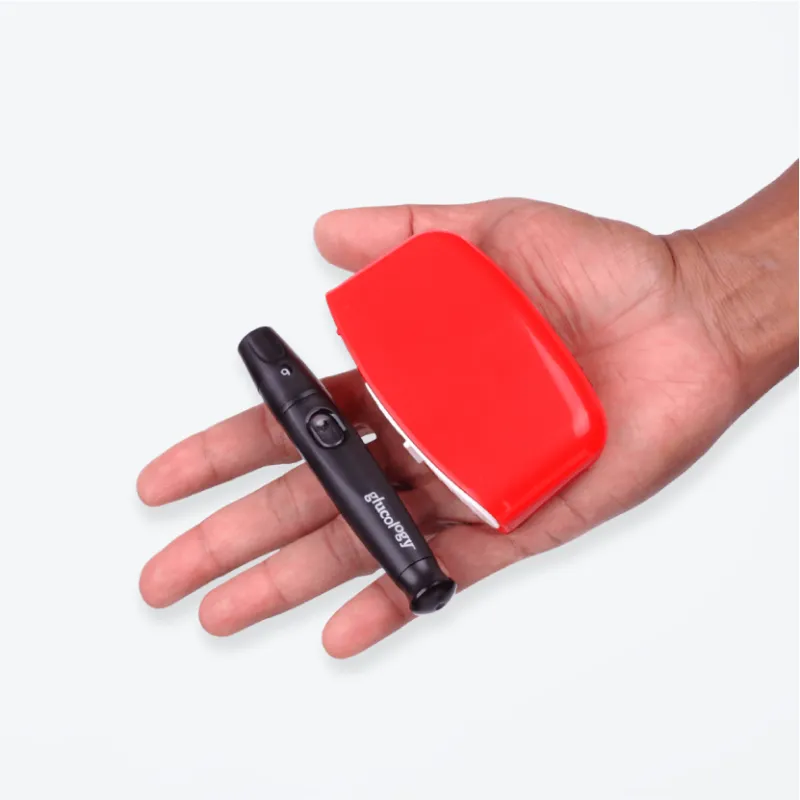
Using fda-cleared sharps disposal containers solves this problem by locking sharps inside puncture-resistant walls until you can dispose of the full container through an approved program. These containers feature one-way openings that prevent needles from falling back out, and most include visual fill lines so you know when to stop adding sharps.
Proper disposal also protects the environment. Needles in landfills can contaminate soil and groundwater, and sharps that end up in recycling streams endanger sorting facility workers.
Choosing the Right Sharps Container for Home Use
Not all sharps containers meet medical safety standards. Look for containers labeled as fda approved sharps containers that comply with FDA guidelines for puncture resistance, leak proof seals, and secure closures.
Key features to prioritize:
- Puncture-resistant walls made from rigid plastic that needles cannot pierce
- Wide opening that accommodates insulin pens, syringes, and lancet devices without forcing
- One-way drop slot that prevents retrieval once sharps are inside
- Secure locking lid for final closure when the container reaches capacity
- Clear fill line typically at 75% capacity to prevent overfilling
- Compact size for homes with limited storage (1-quart to 2-quart sizes work well for most households)
We recommend starting with an approved sharps container sized to your usage. If you inject insulin four times daily and test blood sugar six times daily, a 1-quart container typically lasts one to two months for a single person.
Avoid makeshift solutions like laundry detergent bottles or coffee cans. These lack the puncture resistance and secure closure mechanisms required to protect handlers during transport and disposal.
Step-by-Step: How to Use a Sharps Container Safely
Using your container correctly prevents spills, jams, and accidental needle sticks. Follow this process every time you dispose of a sharp:
- Place the container on a stable surface at waist height or higher, never on the floor where children or pets can access it
- Drop the used needle or lancet immediately after use without recapping (recapping causes most accidental needle sticks)
- Release the sharp directly into the opening without touching the container edges
- Do not shake, compress, or try to empty the container once sharps are inside
- Seal the lid permanently when the fill line is reached, typically at three-quarters full
- Label the sealed container with the date and “SHARPS – DO NOT RECYCLE” using permanent marker
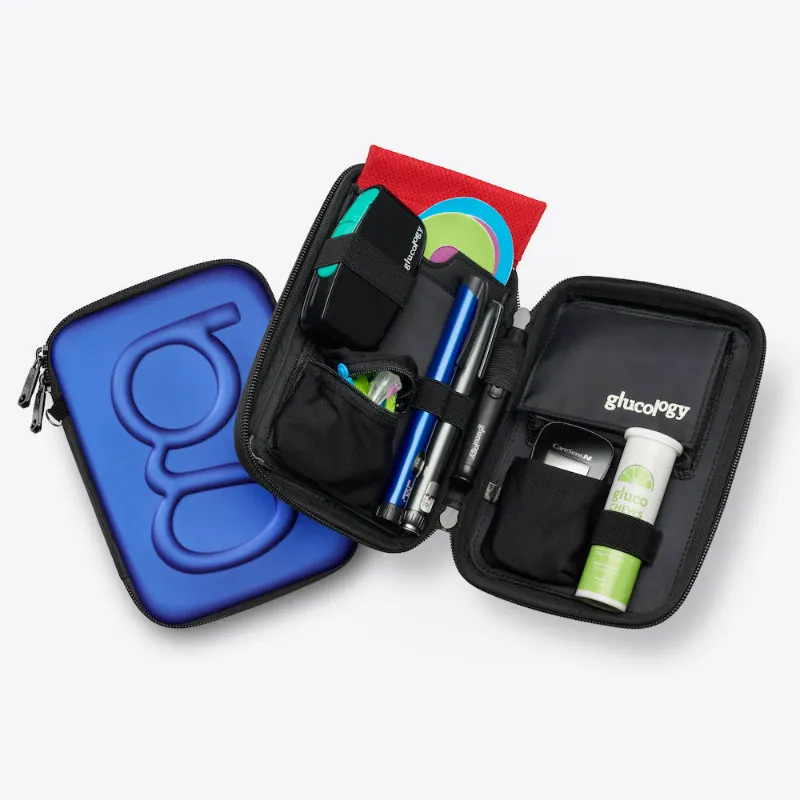
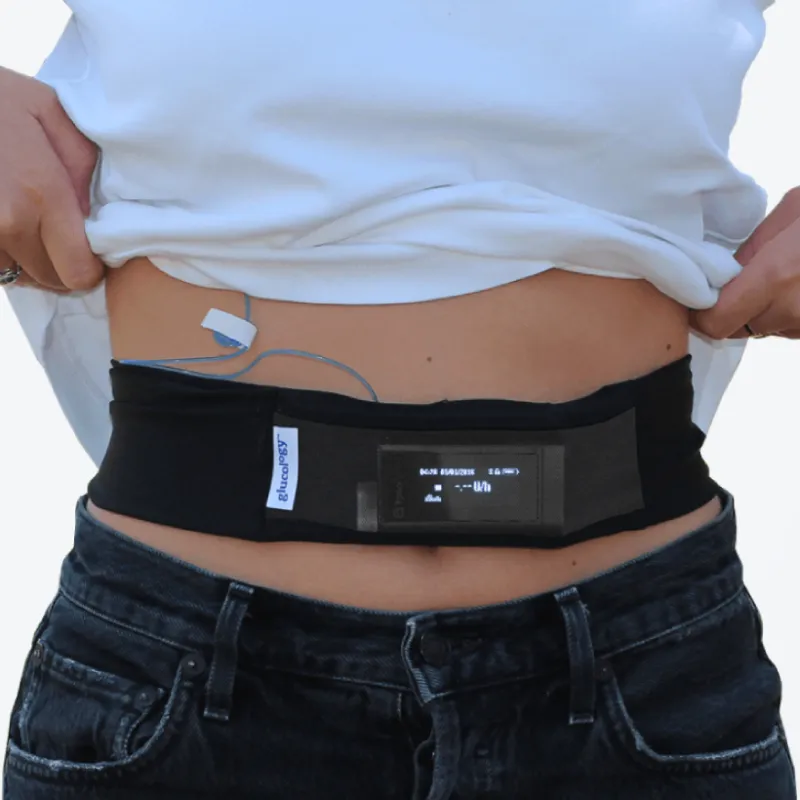
Store your active sharps container in a consistent location away from high-traffic areas. Many people keep theirs in a bathroom cabinet, bedroom nightstand, or diabetic case setup. If you use insulin pump belts and travel frequently, consider a smaller travel-size container for your diabetic travel case.
For families managing diabetes in children, mount the container out of reach or use a lockable cabinet. Teach older children the drop-and-go method as soon as they begin handling their own injections.
Where and How to Dispose of Full Sharps Containers
Once your container is sealed, you have several disposal options depending on your location. Never put sealed sharps containers in household trash or recycling bins unless your local waste management explicitly allows it.
Mail-back programs provide prepaid shipping boxes that you mail to a medical waste processing facility. Many fda cleared sharps container kits include return postage. This option works well for people in rural areas without nearby drop-off sites.
Drop-off locations include hospitals, pharmacies, health departments, and police stations. Call ahead to confirm they accept sharps from the public. Some facilities charge a small fee (typically $5 to $10 per container), while others offer the service free.
Home pickup services are available in some municipalities as part of household hazardous waste collection. Check your city or county website for schedules and registration requirements.
Retailer take-back programs are becoming more common. Pharmacies like CVS, Walgreens, and local independents may accept sealed containers at the pharmacy counter. Grab our Glucology discount code before ordering your next batch of sharps containers and diabetes supplies.
| Disposal Method | Best For | Typical Cost |
|---|---|---|
| Mail-back programs | Rural areas, travelers | $10-$30 per kit |
| Pharmacy drop-off | Urban/suburban residents | Free to $5 |
| Household hazardous waste events | Bulk disposal, multiple containers | Usually free |
State and Local Regulations You Need to Know
Sharps disposal laws vary significantly by state and even by county. Some states legally require you to use approved sharps containers and prohibit any sharps in household trash. Others allow trash disposal if needles are in a puncture-proof container.
California, for example, mandates that all sharps go into approved containers and prohibits them from household garbage. Texas allows household disposal if sharps are in a rigid, leak-proof container with a tight-fitting lid. New York requires pharmacies that sell syringes to accept filled sharps containers or provide mail-back programs.
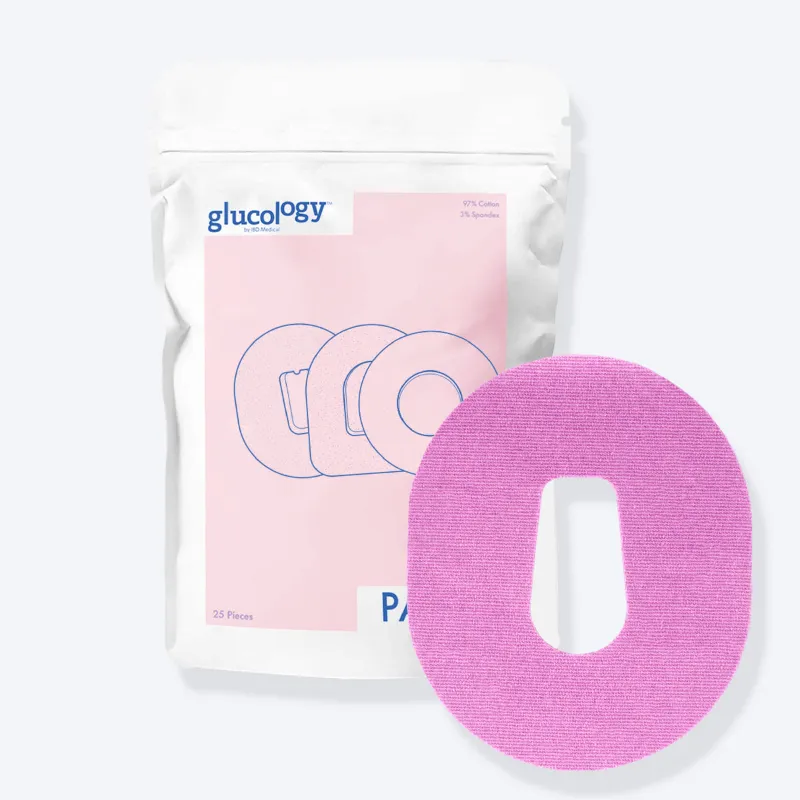
Check your state health department website or call your local waste management authority to confirm the rules in your area. The regulations also apply when you travel, so research requirements for your destination if you’re packing sharps in your diabetic travel case along with insulin pump belts or dexcom g6 patches.
If you travel internationally, many countries have stricter sharps disposal requirements than the United States. Carry a letter from your doctor explaining your medical need for syringes and lancets, and ask your hotel concierge about local disposal options.
What Not to Put in Your Sharps Container
Sharps containers are designed exclusively for items that can puncture skin. Adding non-sharp medical waste creates processing problems at disposal facilities and can prevent the container from sealing properly.
Only dispose of these items in sharps containers:
- Insulin syringes and needles
- Pen needles and tips
- Lancets and lancing devices (if the lancet is not removable)
- Infusion set needles from insulin pumps
Do not put these in sharps containers:
- Test strips (put these in regular trash)
- Alcohol swabs and gauze
- Insulin vials or cartridges
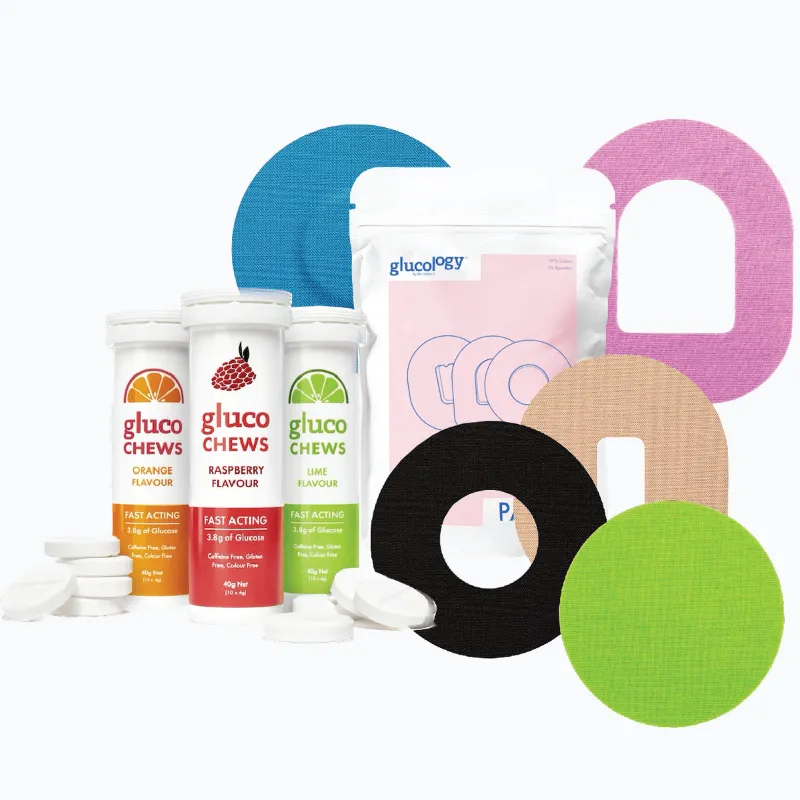
- Blood sugar monitor patch sensors or gluco patch adhesives
- CGM sensors like dexcom g6 patches (unless they have an exposed needle)
- Pump tubing without needles
- Packaging and wrappers
Used CGM sensors and pump infusion sets present a gray area. If the needle is retracted or covered, most programs allow regular trash disposal. If you can see or feel a needle tip, treat it as a sharp. When in doubt, dispose of it as a sharp for maximum safety.
Budget-Friendly Disposal Strategies
Managing sharps disposal costs matters when you’re already budgeting for test strips, insulin, and other diabetes supplies. Here’s how to keep expenses low without compromising safety:
- Buy containers in multipacks to reduce per-unit cost
- Use mail-back programs with prepaid postage included to avoid surprise shipping fees
- Check with your insurance as some plans cover sharps containers as durable medical equipment
- Ask your endocrinologist’s office if they provide free containers or disposal services for patients
- Coordinate with other diabetics in your area to share mail-back kit costs or carpool to drop-off events
- Sign up for manufacturer coupons and check our latest Glucology discount code for 10% off sharps containers and diabetes management supplies
Some diabetes supply companies include a small sharps container free with insulin pump or CGM starter kits. If you’re new to pump therapy and using insulin pump belts, ask your supplier whether disposal supplies are part of your welcome package.
Community health centers and county health departments sometimes distribute free sharps containers to diabetics as part of public health initiatives. Call your local health department to ask about availability.
Traveling with Sharps and Disposal Containers
When you travel with diabetes supplies, you need a plan for sharps disposal that complies with TSA rules and protects your belongings. Small sharps containers (under 8 ounces capacity) are TSA-approved in carry-on luggage as long as the opening is secured.
Pack your active sharps container inside a diabetic travel case alongside your insulin, meter, and insulin pump belts. Place a piece of tape over the drop slot to prevent spills during security screening, even though the one-way design should keep sharps inside.
For longer trips, bring an empty sealed container and start fresh at your destination. This avoids carrying a partially full container through multiple airports. Many travelers keep a small travel-size container separate from their main home supply.
If you wear an insulin pump with insulin pump belts designed for comfort during activity and sleep, plan your infusion set changes around your travel schedule so you can dispose of used insertion needles before departure. Hotel concierge staff can often direct you to the nearest pharmacy or hospital drop-off location.
For questions about traveling with pump supplies or finding the right insulin pump holder for your needs, diabetes accessory retailers offer detailed travel guides and TSA-compliant carrying solutions.
Proper sharps disposal is a simple habit that protects everyone around you. Start with an fda-cleared sharps disposal container, follow your local regulations, and dispose of full containers through an approved program. These steps take just seconds per injection but make a lasting difference in safety for your household and community.
Questions
How full should a sharps container be before I dispose of it?
Seal and dispose of your sharps container when it reaches the fill line, typically at three-quarters full. Overfilling increases the risk of needle-stick injuries when closing the lid and can cause the container to fail safety inspections at disposal facilities.
Can I reuse a sharps container after it's emptied?
No, never reuse or attempt to empty a sharps container. These containers are designed for single use only, and reusing them violates safety regulations and greatly increases infection risk. Once sealed, the container should go directly to an approved disposal program.
Are FDA-cleared sharps containers required by law for home use?
Requirements vary by state. Some states legally require FDA-cleared sharps containers for home sharps disposal, while others allow rigid puncture-proof containers like heavy-duty plastic bottles. Check your state health department website for specific regulations in your area.
What should I do if my city doesn't have a sharps drop-off location?
Use a mail-back sharps disposal program, which provides a prepaid shipping box for you to mail your sealed container to a medical waste facility. Many FDA-approved sharps containers include mail-back options, making them ideal for rural areas without local drop-off sites.
Can I put used CGM sensors in a sharps container?
Only put CGM sensors in a sharps container if the needle is exposed or visible. Most modern CGM sensors like Dexcom retract the needle during removal, allowing regular trash disposal. If you can see or feel a needle tip, treat it as a sharp for safety.
Do insulin pump belts require special sharps disposal?
Insulin pump belts themselves don't require sharps disposal, but the infusion set needles you use when wearing insulin pump belts must go into an approved sharps container. Dispose of the insertion needle immediately after each site change, and keep pump tubing separate unless it has an exposed needle.
Products in this guide
 Shopping at Glucology? See the discount code
10% OFF All Orders
Shopping at Glucology? See the discount code
10% OFF All Orders
More in this series
How Long Do CGM Adhesive Patches Last Before They Need Replacing?3 Sep 20265 minInsulin Pump Belt vs. Pocket Carry: Which Is More Comfortable?3 Sep 20265 minFDA-Cleared vs FDA-Approved Sharps Containers: What’s the Difference?3 Sep 20264 minBest Diabetic Travel Cases for Insulin Storage: What to Pack and How to Keep It Cool3 Sep 20264 minDo Dexcom G6 Patches Actually Stay on During Workouts and Showers?3 Sep 20266 min