 A Glucology guide
FDA-Cleared vs FDA-Approved Sharps Containers: What’s the Difference?
FDA-cleared sharps disposal containers meet different regulatory standards than approved ones, but both offer safe needle disposal for diabetics.
Most fda-cleared sharps disposal containers undergo a 510(k) clearance process, while FDA-approved models go through the more rigorous premarket approval (PMA) pathway. For home users managing diabetes, both designations ensure your container meets federal safety standards for puncture resistance and leak prevention.
What FDA Clearance Actually Means for Sharps Containers
The FDA uses 510(k) clearance for medical devices that are substantially equivalent to products already on the market. Most fda cleared sharps container models follow this pathway because sharps disposal technology is well established.
Cleared containers must demonstrate:
- Puncture-resistant construction that meets ASTM F2132 standards
- Leak-proof seals that contain fluids during normal use and disposal
- Proper labeling with biohazard symbols and fill lines
- Secure locking mechanisms that prevent reopening once sealed
The FDA maintains specific guidance on what constitutes a safe sharps disposal container, and clearance confirms your container meets those baseline requirements.
FDA Approval vs Clearance: When the Distinction Matters
FDA approval through the PMA process applies to higher-risk devices or those without a predicate device for comparison. You’ll rarely see this designation for basic fda approved sharps containers because the technology is mature and low-risk.
The practical difference for home users is minimal. Both cleared and approved containers must:
- Resist puncture from sharps during filling and handling
- Contain infectious waste without leaking
- Feature labels that communicate proper use and disposal
- Meet state and local disposal regulations
When you check the latest price on sharps containers, focus on capacity, portability, and whether the design fits your daily routine rather than approval versus clearance status.
Choosing the Right Sharps Container for Home Diabetes Care
Container selection depends more on your injection frequency and lifestyle than regulatory pathway. We recommend matching capacity to your monthly sharps volume.
For daily insulin users:
- 1-quart containers handle roughly 100-150 pen needles or lancets
- Wall-mountable models keep sharps out of reach of children and pets
- Transparent sides let you monitor fill levels without opening
For travelers and active users:
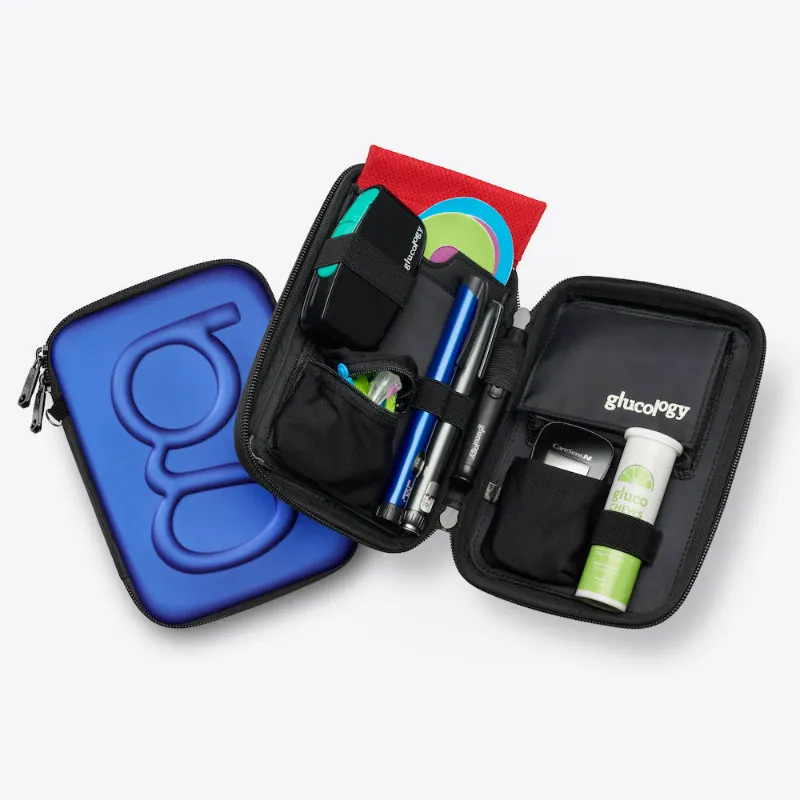
- Portable 0.5-quart containers fit inside a diabetic case alongside supplies
- Screw-top lids provide extra security during transport
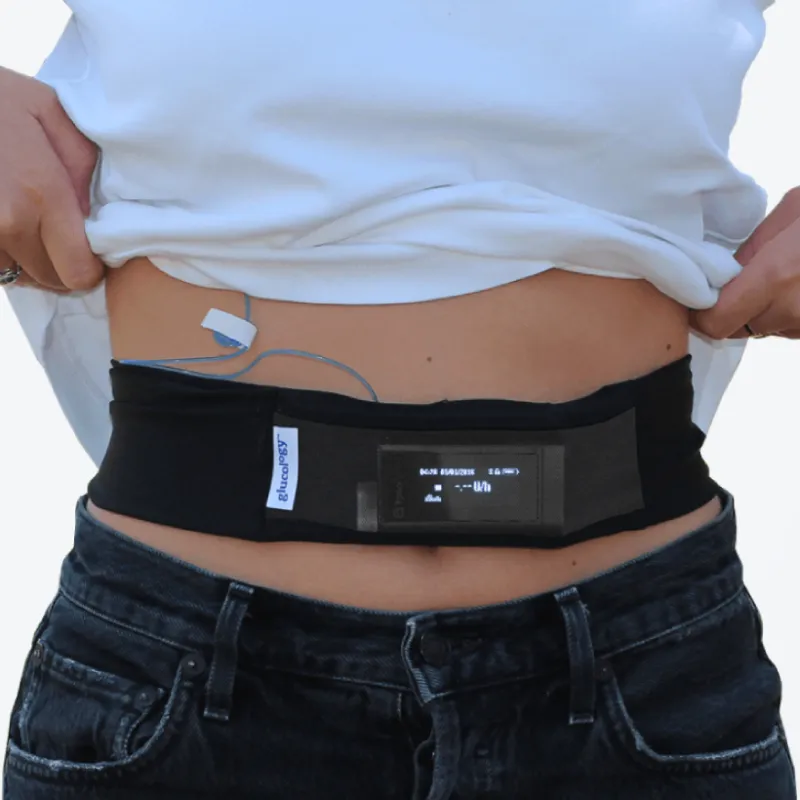
- Compact designs work with insulin pump belts and on-the-go kits
For CGM and pump users:
- Larger 2-quart containers accommodate used sensors and insertion devices
- Wide openings accept bulkier items like dexcom g6 patches packaging
- Vertical drop slots prevent overfilling and jamming
An approved sharps container should lock permanently when full and display clear fill-line markings. Many models include temporary closure flaps for daily use before final sealing.
Material and Design Features That Actually Protect You
Regardless of clearance or approval status, construction quality determines real-world safety. We examined dozens of containers and found these features separate reliable models from questionable ones.
| Feature | Why It Matters | What to Look For |
|---|---|---|
| Wall thickness | Prevents punctures during filling | Minimum 2mm rigid plastic |
| Lid seal | Stops leaks and odors | Audible click or twist-lock |
| Base stability | Avoids tip-overs | Wider base than top opening |
| Opening size | Accommodates your sharps type | Vertical slot for needles, wider for sensors |
SafeNeedleDisposal.org notes that color coding (typically red or yellow) helps distinguish sharps waste from regular trash, reducing accidental exposure during household disposal.
Avoid repurposing laundry detergent bottles or soda containers. These lack puncture-resistant certification and create genuine risk for sanitation workers and household members.
How to Use and Dispose of Your Sharps Container Properly
Even the best fda-cleared sharps disposal containers only work when used correctly.
Daily use:
- Drop sharps immediately after use, never recapping needles first
- Keep the container upright and stable on a flat surface
- Fill only to the marked line, typically three-quarters full
- Use the temporary closure between disposal sessions
When full:
- Engage the permanent locking mechanism per manufacturer instructions
- Check your local health department for approved disposal sites
- Never place sharps containers in household recycling
- Some pharmacies and hospitals offer mail-back or drop-off programs
State regulations vary significantly. Grab the code for container purchases and verify your local disposal rules simultaneously to avoid compliance surprises.
Pairing Sharps Safety with Complete Diabetes Travel Kits
Safe sharps disposal integrates with broader diabetes management logistics. We pair containers with complementary supplies for comprehensive home and travel setups.
For travel, a portable sharps container fits naturally alongside:
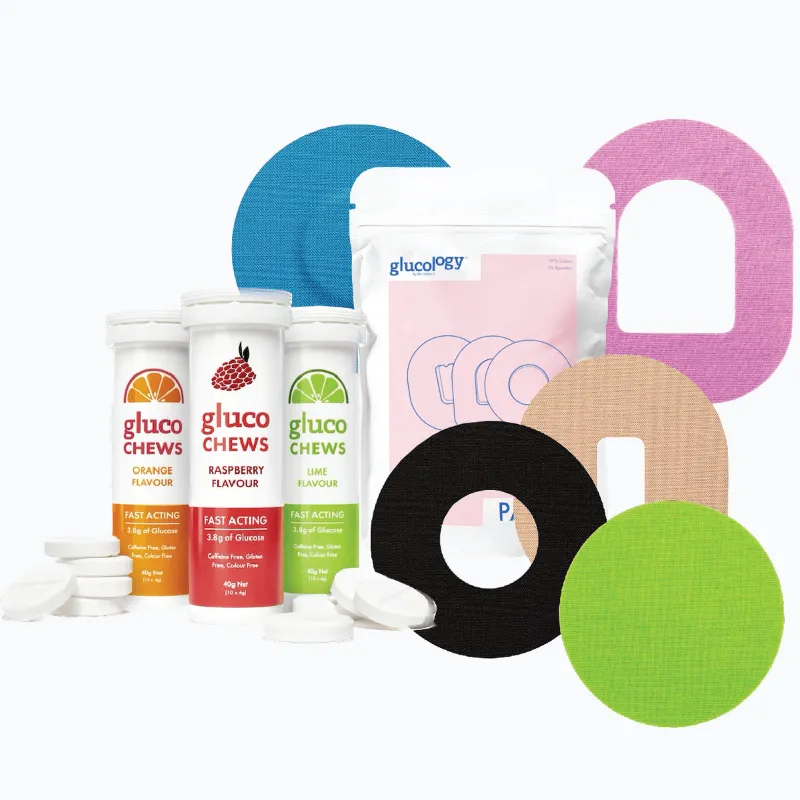
- Blood sugar monitor patch supplies and adhesive removers
- Gluco patch backup sensors for CGM users
- Alcohol wipes, glucose tablets, and emergency glucagon
A complete diabetic travel case should include a dedicated pocket for your portable sharps container, keeping used supplies separated from clean ones. This prevents accidental needle sticks when reaching for testing supplies.
At home, position your sharps container near your primary testing or injection station. Wall-mounted brackets work well in bathrooms or bedrooms where you handle diabetes supplies daily.
Real-World Container Performance and Value
The best performers combined regulatory compliance with practical design thinking.
High-performing containers featured:
- Fill-line visibility from multiple angles
- One-handed drop slots that don’t require looking down while disposing
- Nestable design for efficient storage of unused containers
- Clear disposal instructions printed directly on the container
Price varies from basic 1-quart models to premium systems with mounting hardware. Check current pricing to compare options with Glucology’s 10% discount applied across all orders.
Remember that sharps container costs represent a fraction of total diabetes supply expenses, yet they deliver outsized safety value. Prioritize models with clear FDA clearance or approval designation and construction that matches your specific sharps types and volume.
Questions
Can I use the same sharps container for lancets and insulin pen needles?
Yes, fda-cleared sharps disposal containers accept both lancets and pen needles since both are considered sharps waste. Make sure the container opening accommodates your largest sharps type, and never overfill beyond the marked line.
How do I know when my sharps container is full?
Most containers include a fill line at roughly three-quarters capacity. Stop adding sharps when waste reaches this line, even if space remains, to ensure safe closure and prevent jamming the locking mechanism.
Are portable travel sharps containers as safe as full-size home models?
Yes, provided they carry FDA clearance and meet the same puncture-resistance standards. Portable models use identical materials but in smaller capacities, making them ideal for diabetic travel cases and on-the-go disposal.
What should I do with a full sharps container?
Engage the permanent lock, then check your local health department website for approved disposal locations. Many pharmacies, hospitals, and waste facilities accept sealed sharps containers, though regulations vary by state and municipality.
Do sharps containers expire or have a shelf life?
Unused sharps containers don't expire, but check that seals and locking mechanisms remain intact before use. Store containers in a dry location away from direct sunlight to preserve plastic integrity.
Can I dispose of used CGM sensors in a regular sharps container?
Yes, fda approved sharps containers with wider openings easily accommodate used CGM sensors, insertion devices, and packaging. Choose a model with a larger opening if you regularly dispose of bulkier diabetes device components.
Products in this guide
 Shopping at Glucology? See the discount code
10% OFF All Orders
Shopping at Glucology? See the discount code
10% OFF All Orders
More in this series
How Long Do CGM Adhesive Patches Last Before They Need Replacing?3 Sep 20265 minInsulin Pump Belt vs. Pocket Carry: Which Is More Comfortable?3 Sep 20265 minBest Diabetic Travel Cases for Insulin Storage: What to Pack and How to Keep It Cool3 Sep 20264 minDo Dexcom G6 Patches Actually Stay on During Workouts and Showers?3 Sep 20266 minHow to Safely Dispose of Used Insulin Needles and Lancets at Home3 Sep 20267 min