 A Glucology guide
How Long Do CGM Adhesive Patches Last Before They Need Replacing?
Dexcom g6 patches typically last 7 to 14 days depending on skin type, activity level, and whether you use additional overpatches for reinforcement.
Dexcom g6 patches and similar CGM adhesives typically last 7 to 14 days, matching the sensor wear period, though many users add overpatches within the first few days to extend adhesion through the full session. The original adhesive on your sensor may start lifting at edges after sweating, showering, or physical activity, which is why reinforcement patches have become essential accessories for reliable glucose monitoring.
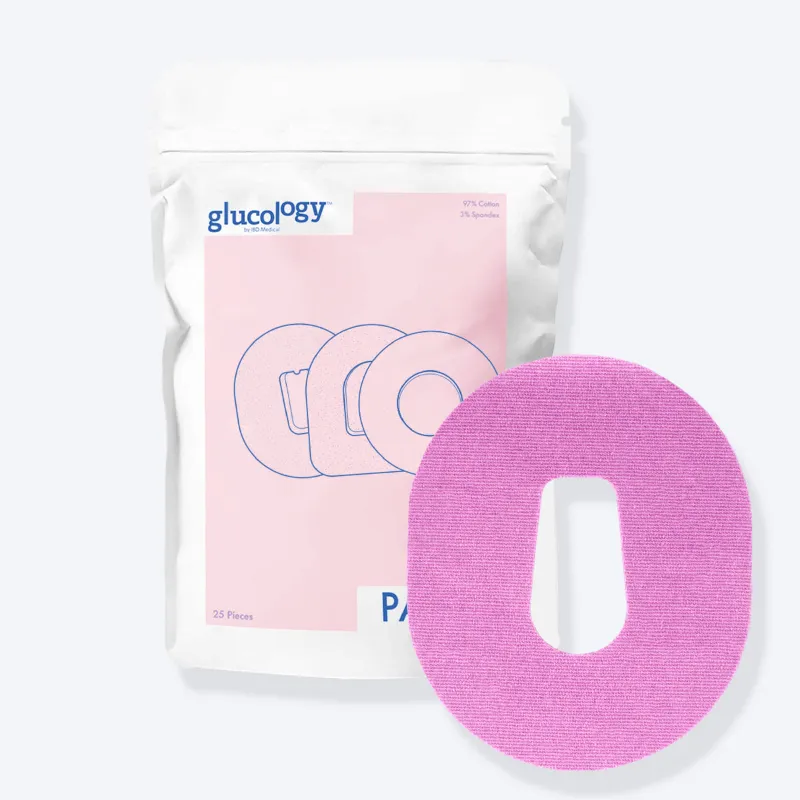
Whether you rely on the factory adhesive alone or layer on a dexcom g6 patches overpatch, knowing the signs of wear keeps your sensor secure and your data accurate.
What Affects How Long Dexcom G6 Patches Stay Stuck
Skin type plays the biggest role in adhesive longevity. Oily skin breaks down medical adhesive faster, often causing edge lift within three to five days, while drier skin types can wear the same patch for the full 10-day sensor session without reinforcement.
Activity level and sweat exposure directly impact wear time:
- Swimming and showering soften adhesive bonds, especially around patch edges
- High-intensity workouts generate perspiration that degrades glue and causes slippage
- Humid climates accelerate adhesive breakdown even during low activity
- Clothing friction from waistbands or tight sleeves peels corners and sides
Skin preparation before applying your sensor dramatically extends patch life. Clean the site with alcohol, let it dry completely, and skip lotions or oils for 24 hours before placement. Some users apply liquid skin barrier wipes to create a tacky base layer that holds adhesive longer.
The best waterproof patches for dexcom g6 use medical-grade acrylic or silicone adhesives designed for multi-day wear, and many are hypoallergenic to reduce skin irritation during extended sessions.
When to Replace Your CGM Adhesive Patches
Replace or reinforce your patch as soon as you notice edge lifting, typically within the first 48 hours for active users or after three to five days for moderate activity. Waiting until the sensor loosens risks losing expensive hardware or creating data gaps.
Watch for these signs that it is time for a fresh overpatch:
- Corners or edges peel away from skin by more than a few millimeters
- White residue or clouding appears under the adhesive (moisture intrusion)
- The sensor housing shifts or rotates when you move
- Skin irritation or redness develops around the perimeter
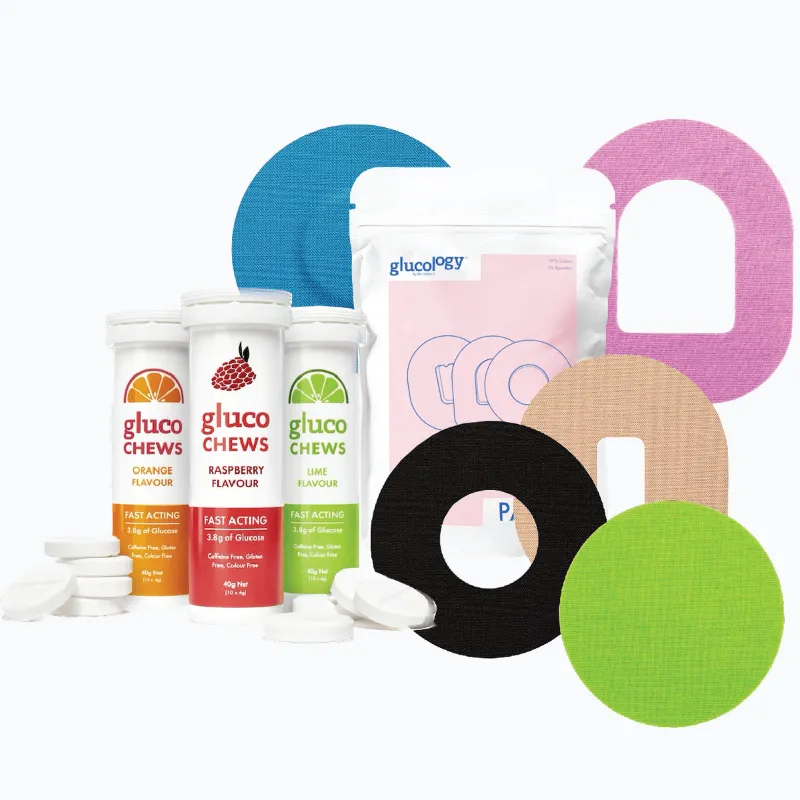
Many users apply a blood sugar monitor patch or dexcom g6 overpatch on day one as preventive reinforcement rather than waiting for the factory adhesive to fail. This proactive layering approach is especially common among athletes, kids, and anyone with oily or sweaty skin.
If you experience sensor failures or early detachment, check the latest price on reinforcement patches and stock up so you always have backups on hand.
Comparing Overpatch Materials and Lifespan
Different overpatch materials offer varying adhesion strength and wear duration. We compared the most common options to help you match material to your activity level and skin sensitivity.
| Material | Typical Lifespan | Best For |
|---|---|---|
| Transparent film (polyurethane) | 7 to 10 days | Everyday wear, visibility, showering |
| Fabric mesh (flexible weave) | 5 to 7 days | Sensitive skin, breathability, comfort |
| Silicone gel border | 10 to 14 days | High activity, swimming, extended wear |
Transparent film patches dominate the market because they let you see the sensor underneath and check for irritation or fluid buildup. They handle daily showers and moderate exercise well but may lift at edges during intense sweat sessions.
Fabric mesh options breathe better and feel softer against skin, making them ideal if you develop rashes from occlusive films. The tradeoff is slightly shorter wear time, especially in humid conditions or during water exposure.
Silicone gel border patches deliver the longest lifespan and strongest hold, with tacky edges that seal against skin even during swimming or heavy perspiration. These work well for dexcom g7 patches and other newer CGM models with slimmer profiles.
You can layer multiple patch types throughout a sensor session: start with a breathable mesh for the first few days, then switch to a waterproof film before swimming or intense activity. Grab the code for 10% off when stocking different materials to experiment.
How to Extend Patch Adhesion Between Replacements
Proper skin care and adhesive maintenance can add several extra days to each patch. Start by cleaning your sensor site daily with a damp cloth to remove sweat, oil, and product buildup that creeps under edges and weakens the bond.
Use these techniques to maximize wear time:
- Press and hold the patch edges for 30 seconds after showers to reactivate adhesive warmth
- Trim body hair at the site before application so adhesive contacts skin directly
- Apply liquid bandage or skin adhesive spray around lifting corners as spot reinforcement
- Avoid lotions and oils near the sensor throughout the entire wear period
- Pat dry instead of rubbing with a towel after water exposure
Temperature matters more than most users realize. Adhesive bonds strengthen in warmth and weaken in cold, so avoid placing sensors immediately before swimming in cold water or heading into air conditioning. Let your skin and the patch warm to body temperature for at least 30 minutes after application.
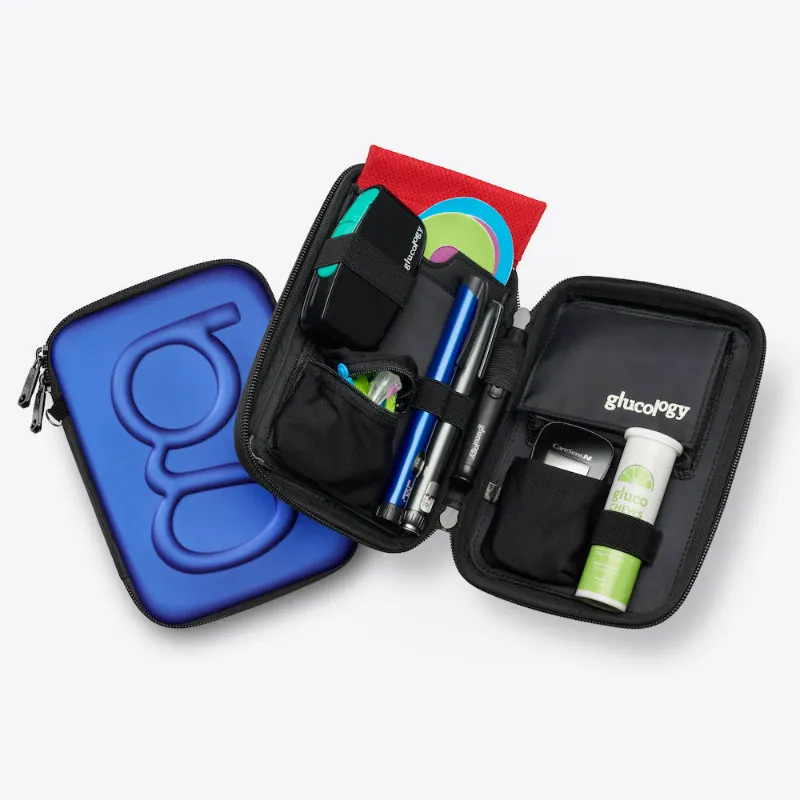
If you travel frequently, keep a diabetic travel case stocked with backup overpatches, alcohol wipes, and skin barrier wipes so you can perform emergency reinforcement anywhere. We also recommend packing a small roll of medical tape for quick edge fixes between full patch replacements.
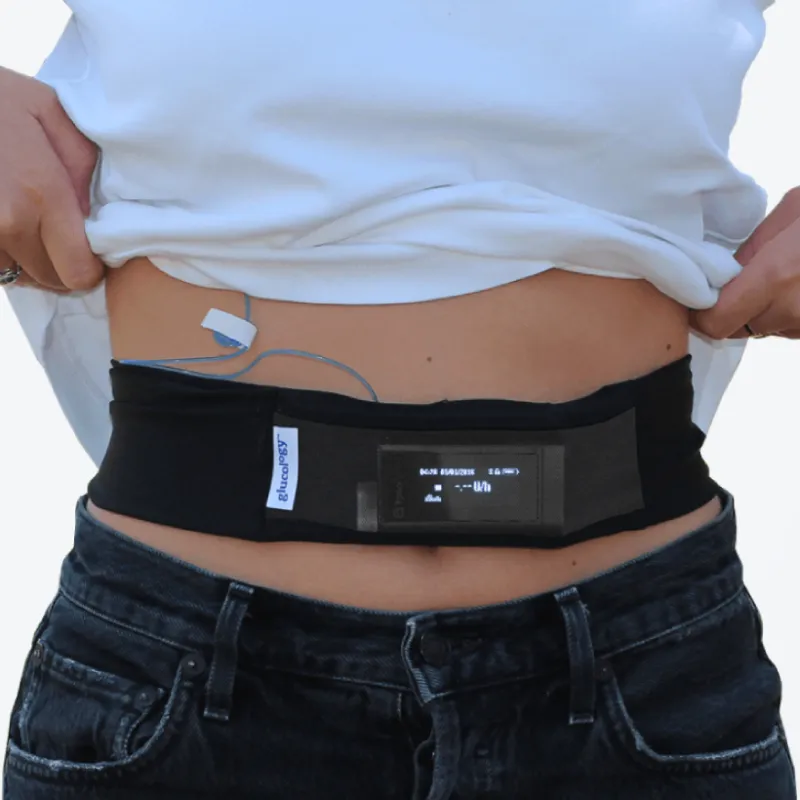
For users wearing insulin pumps alongside CGM sensors, insulin pump belts help reduce tubing tension that can tug on nearby adhesive patches and cause premature lifting.
Where to Find Dexcom G6 Patches and Overpatches
Dexcom offers free sensor overpatches through their customer support for users experiencing adhesion issues. You can order sensor overpatches directly from Dexcom by contacting their team, though shipping may take several days and quantities are sometimes limited.
Third-party options provide faster access and often better value for regular users who reinforce every sensor. Popular brands include Skin Grip, ExpressionMed, and Simpatch, with design options ranging from clear medical film to printed patterns. This comparison of the best dexcom sensor patches breaks down materials, adhesion strength, and wear time across leading brands.
Local pharmacy availability varies by region, so searching dexcom g6 patches near me may turn up CVS, Walgreens, or diabetes supply shops that stock overpatches. Online retailers like Amazon and specialty diabetes suppliers typically offer wider selection and bulk pricing with packs of 20 to 40 patches.
Storing and Organizing Your CGM Patch Supply
Proper storage extends the shelf life of unused patches and keeps adhesive at full strength. Store patches in their original packaging in a cool, dry place away from direct sunlight, and avoid bathrooms where humidity fluctuates with showers.
Keep a rotation system so older patches get used first:
- Date each pack when you open it and use within six months
- Store in a sealed container with silica gel packets to control moisture
- Keep a travel stash separate from your main supply in a diabetic case
- Track usage patterns to know how many patches you need per month
Most users go through two to four overpatches per sensor session depending on activity level and skin type, so a 20-pack typically covers two to three months of wear. Buying in bulk saves money but only makes sense if you will use the supply within a year before adhesive degrades.
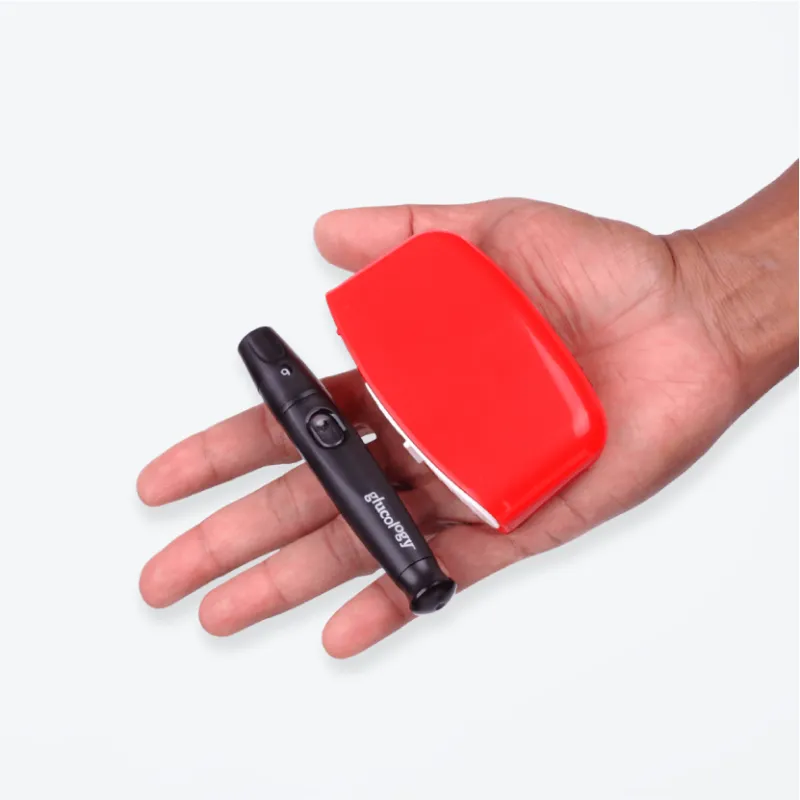
When it comes time to dispose of used sensors and adhesive patches, use fda-cleared sharps disposal containers for safe handling of the needle applicator, even though the patch itself can go in regular trash. Keeping disposal supplies organized alongside your patch inventory ensures you are always prepared for sensor changes.
Questions
Can I reuse a Dexcom G6 overpatch after removing it?
No, adhesive patches lose their stickiness once removed and will not adhere properly a second time. Always apply a fresh patch when reinforcing or replacing.
How many overpatches do I need for a 10-day Dexcom sensor?
Most users apply one to three overpatches per sensor session depending on activity level and skin type. Athletes and those with oily skin often replace patches every three to five days.
Do dexcom g6 patches cause skin irritation?
Some users experience mild irritation from prolonged adhesive contact. Rotate sensor sites, use hypoallergenic patches, and apply skin barrier wipes before placement to minimize reactions.
Will waterproof patches stay on during swimming?
Yes, waterproof CGM patches with silicone or acrylic adhesive are designed for swimming and showering. Press edges firmly after water exposure and allow the patch to dry completely for best adhesion.
Where can I get free Dexcom patches?
Dexcom provides free overpatches to customers experiencing adhesion problems through their support team. Contact them directly to request a supply, though third-party options offer faster shipping and more variety.
Can I use overpatches with Dexcom G7 sensors?
Yes, many overpatches designed for Dexcom G6 also fit G7 sensors, though G7-specific patches are sized for the smaller sensor profile. Check product descriptions for compatibility before ordering.
Products in this guide
 Shopping at Glucology? See the discount code
10% OFF All Orders
Shopping at Glucology? See the discount code
10% OFF All Orders
More in this series
Insulin Pump Belt vs. Pocket Carry: Which Is More Comfortable?3 Sep 20265 minFDA-Cleared vs FDA-Approved Sharps Containers: What’s the Difference?3 Sep 20264 minBest Diabetic Travel Cases for Insulin Storage: What to Pack and How to Keep It Cool3 Sep 20264 minDo Dexcom G6 Patches Actually Stay on During Workouts and Showers?3 Sep 20266 minHow to Safely Dispose of Used Insulin Needles and Lancets at Home3 Sep 20267 min