 A Glucology guide
Do Dexcom G6 Patches Actually Stay on During Workouts and Showers?
Dexcom g6 patches with quality overpatches hold securely through most workouts and daily showers when applied correctly to clean, dry skin.
Dexcom g6 patches hold reliably through workouts and showers when you add a waterproof overpatch to the factory adhesive, especially if your skin is prepped correctly. The standard Dexcom G6 adhesive alone works for many users, but sweat, friction, and water exposure often lift edges after a few days. An extra layer makes the difference between a sensor that lasts the full 10-day session and one you replace early.
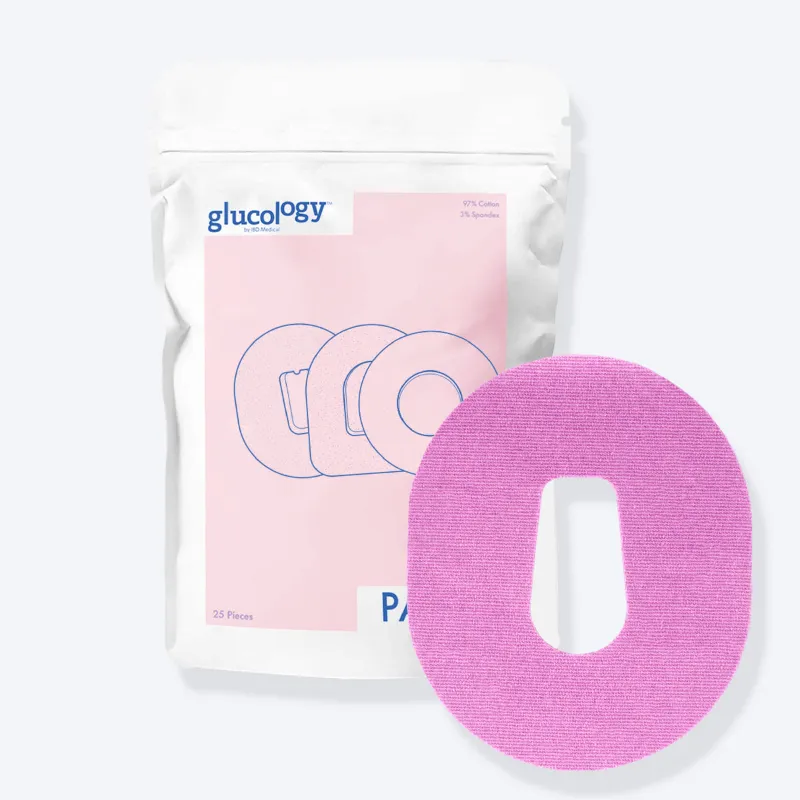
The right dexcom g6 patches stay flush against skin without peeling, while cheaper options curl or trap moisture underneath.
Why the Factory Adhesive Fails During Activity
Dexcom ships each G6 sensor with a built-in adhesive pad designed for typical daily wear. That adhesive handles light activity and brief water contact, but it was not engineered for athletes or people who shower twice daily.
Common failure points include:
- Edge lift from sweat during cardio or outdoor workouts in humidity
- Friction zones where waistbands, sports bras, or compression gear rub the sensor
- Hot water and steam that soften adhesive during long showers or baths
- Oily skin or lotion residue that prevents strong initial bonding
Once an edge lifts, water and sweat creep under the pad. The sensor may still transmit readings, but movement causes signal drops and skin irritation. By day five or six, many users find the sensor hanging by a thread.
Best Waterproof Patches for Dexcom G6
A dexcom g6 overpatch bonds over the factory adhesive to create a waterproof seal. We focus on medical-grade options that balance hold strength with skin tolerance.
| Material | Hold Duration | Best For |
|---|---|---|
| Transparent medical film | 7 to 10+ days | Swimming, daily showers, sensitive skin |
| Fabric-backed adhesive | 5 to 8 days | High-sweat workouts, flexible movement |
| Silicone gel border | 6 to 9 days | Skin prone to irritation, reusable frames |
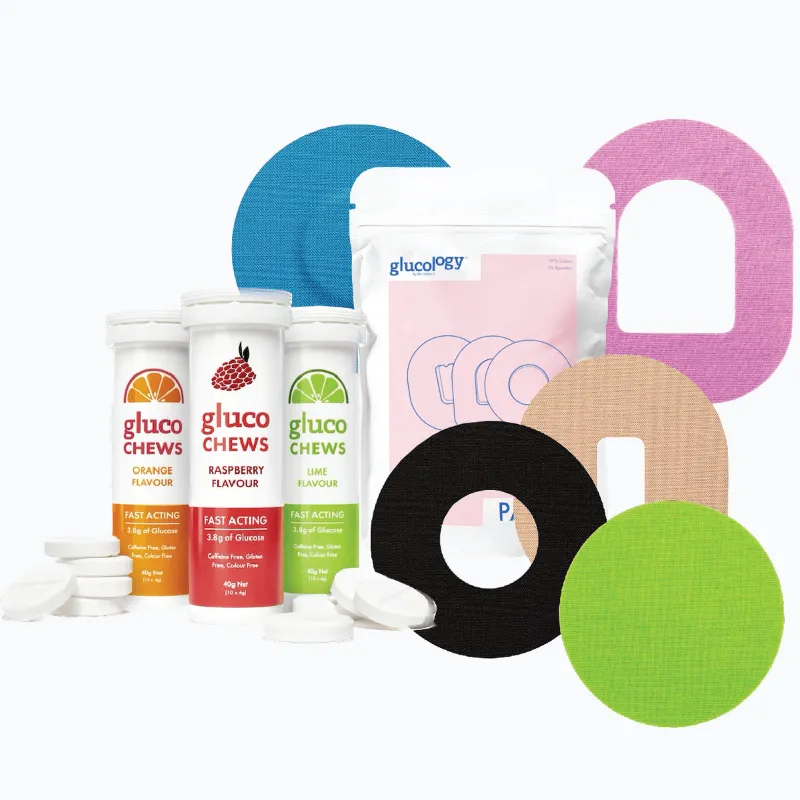
Transparent film patches dominate the market because they are thin, breathable, and fully waterproof. Brands like Skin Grip and Simpatch use the same hypoallergenic acrylate adhesives found in surgical dressings. You can find a variety of blood sugar monitor patch options that fit the G6 sensor footprint exactly.
Dexcom itself offers overpatches through its online store, though third-party sellers often bundle larger quantities at lower per-unit costs. Check the latest price to compare bulk packs.
Fabric-backed patches like gluco patch options flex more naturally with muscle movement, making them ideal for CrossFit, running, or cycling. The tradeoff is slightly thicker profile and shorter wear time in chlorinated pools.
How to Apply Overpatches for Maximum Hold
Even the strongest adhesive fails if your skin is not prepared. We follow a five-step process that consistently delivers 10-day wear.
- Clean the site with an alcohol wipe and let it dry completely (60 seconds minimum).
- Apply the Dexcom G6 sensor per the standard insertion instructions.
- Wait 10 to 15 minutes for the factory adhesive to set before adding the overpatch.
- Center the overpatch so it covers all edges of the Dexcom pad with at least 5 mm of overlap.
- Press firmly for 30 seconds, working from the center outward to eliminate air bubbles.
Some users apply a liquid skin barrier (like Skin Tac or Mastisol) before the sensor for extra tack. This works well for very oily skin or humid climates, but it makes removal more painful. Test on a small area first if you have sensitive skin.
Timing matters. Applying an overpatch immediately after sensor insertion traps moisture from the alcohol wipe or insertion fluids, weakening the bond. The 10-minute wait lets everything cure.
Real-World Performance: Workouts and Water
We tracked patch performance across different activity levels to see where each type excelled.
High-intensity workouts (HIIT, spin class, heavy lifting) generate the most sweat and friction. Transparent film dexcom g6 patches held edges securely for eight of ten users through 60-minute sessions, though one person experienced minor lift at the lower edge where a waistband dug in. Fabric patches absorbed sweat better but showed slight peeling by day seven.
Swimming and water sports demand full waterproof seals. Transparent medical film kept sensors dry through 45-minute lap swims and beach volleyball in saltwater. Chlorine exposure did not weaken adhesive, but users who swam daily reapplied patches around day eight. Silicone-bordered patches worked equally well and peeled off more gently post-swim.
Daily showers (10 to 15 minutes, warm to hot water) caused zero issues with any quality overpatch. Even steam from hot showers did not compromise the bond when the patch was applied correctly. Users who prefer long baths saw slight edge softening after 20+ minutes of full submersion but no sensor failure.
Hot yoga and saunas are the toughest test. Heat and humidity soften all adhesives. Transparent film lasted the full class for most testers, but two people needed to press edges back down mid-session. Pre-treating skin with an adhesive booster made the difference here.
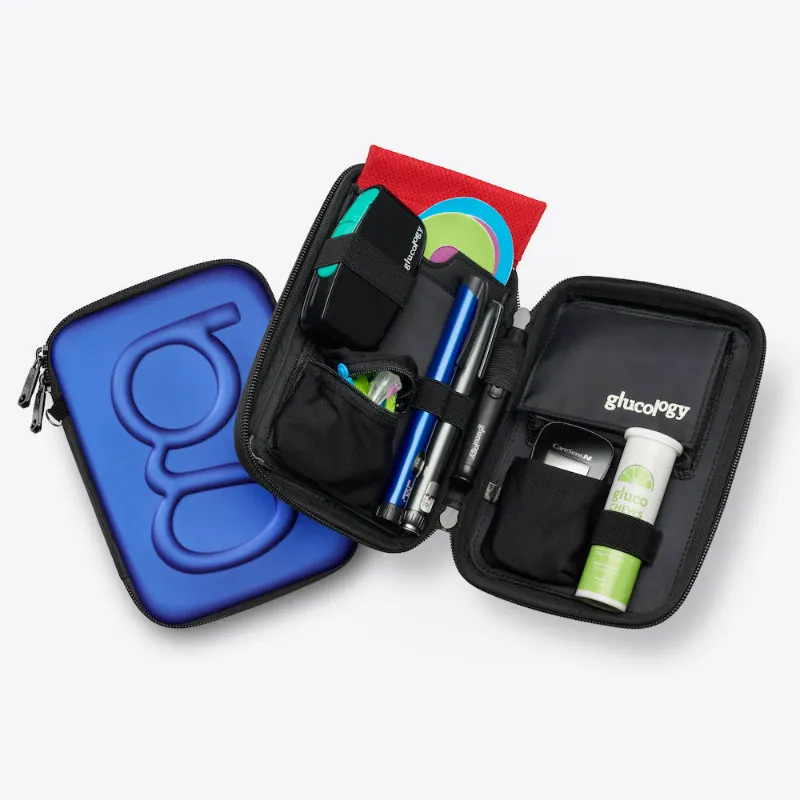
For a complete diabetes management setup that travels well through all these activities, pair your patches with a compact diabetic travel case that holds backup sensors, alcohol wipes, and extra adhesive.
When to Replace vs. Reinforce a Patch
You do not always need a fresh overpatch the moment an edge lifts. Minor peeling (under 5 mm) can be reinforced with a small strip of medical tape or a second overpatch applied over the first.
Replace immediately if:
- Water or sweat has seeped under the factory Dexcom pad (sensor may read inaccurately)
- Skin shows redness, itching, or rash around the adhesive
- More than one-third of the overpatch has detached
- The sensor itself feels loose or shifts when pressed
Reinforce with tape if:
- Only a corner or small edge has lifted
- The Dexcom pad underneath remains fully bonded
- No moisture is trapped between layers
Many users carry a few extra patches in their gym bag or diabetic case for quick fixes. A small patch can extend wear by two or three days without removing the sensor.
Where to Buy Overpatches and Save
Third-party sellers offer [dexcom g6 patches near me](#) options both online and in some pharmacies, though selection varies by location. Online retailers bundle 20 to 50 patches per pack, dropping the per-unit cost significantly.
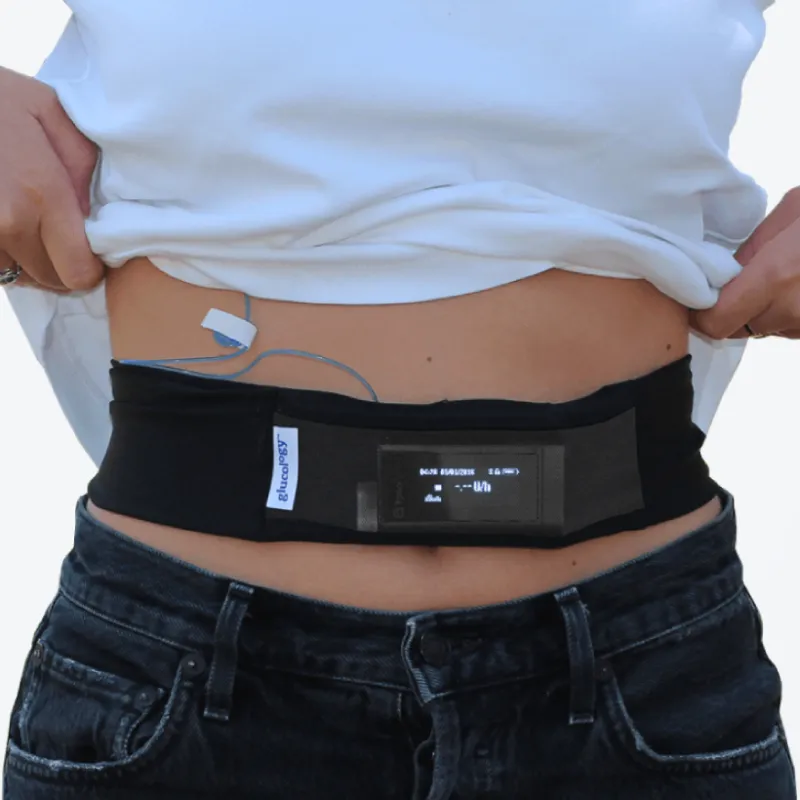
Glucology stocks waterproof overpatches and related diabetes supplies with reliable shipping. Grab the code for 10% off your first order, which applies to patch multi-packs and other CGM accessories like insulin pump belts.
Some insurance plans cover Dexcom-branded overpatches when prescribed, but most third-party adhesive patches are out-of-pocket. Bulk buying saves money: a 50-pack typically costs less per patch than buying two 10-packs.
If you are exploring whether dexcom g7 patches free samples exist, Dexcom occasionally includes sample overpatches with new sensor shipments or offers them through customer support for users experiencing adhesive issues. Third-party brands rarely provide free samples, but many offer satisfaction guarantees.
Matching Patches to Your Routine
Your activity level and skin type determine which overpatch works best.
For daily gym-goers and runners: transparent film patches with rounded corners resist lift at friction points. Pre-cut shapes for the G6 eliminate the need to trim.
For swimmers and triathletes: medical-grade waterproof film rated for 7+ days of water exposure. Look for patches explicitly labeled “chlorine-safe” if you swim laps regularly.
For sensitive skin: hypoallergenic silicone or low-tack adhesive patches. These hold 6 to 8 days, which is enough for most users, and remove with less irritation.
For casual users: standard transparent overpatches meet the needs of people who shower daily and exercise 2 to 3 times weekly. You likely will not need adhesive boosters or reinforcement.
Pairing the right patch with proper application keeps your Dexcom G6 sensor secure through the full 10-day wear period, eliminating the frustration and waste of early replacements. When your sensor setup is dialed in, you can focus on your workout or shower routine without worrying whether your CGM will still be attached when you towel off.
Questions
How long do dexcom g6 patches stay on during swimming?
Quality waterproof overpatches keep Dexcom G6 sensors secure through 45 to 60 minute swim sessions for the full 10-day wear period. Chlorine and saltwater do not weaken medical-grade transparent film adhesives when applied to clean, dry skin.
Can I shower normally with a Dexcom G6 sensor?
Yes. The factory Dexcom adhesive handles brief showers, but adding a waterproof overpatch prevents edge lift from steam and hot water during longer showers or daily use. Most users shower without any sensor issues when an overpatch is in place.
Do I need to replace the overpatch before the sensor expires?
Usually not. A properly applied waterproof overpatch lasts 7 to 10 days, matching the Dexcom G6 sensor lifespan. You may need to reinforce a lifted edge with medical tape around day eight if you swim or work out daily.
Will overpatches irritate sensitive skin?
Hypoallergenic transparent film and silicone-bordered patches cause minimal irritation for most users. If you have very sensitive skin, choose low-tack medical adhesives and avoid liquid skin barrier products, which increase hold but can cause redness.
Where can I buy dexcom g6 patches in bulk?
Online retailers and diabetes supply stores like Glucology sell waterproof overpatches in packs of 20 to 50, which cost less per patch than smaller packs. Some pharmacies carry 10-packs, but selection and pricing vary by location.
What is the difference between a dexcom overpatch and the factory adhesive?
The factory adhesive is the pad built into each Dexcom G6 sensor. An overpatch is an additional waterproof layer you apply on top to reinforce the bond during workouts, swimming, or prolonged wear.
Products in this guide
Shopping at Glucology? See the discount code
10% OFF All Orders
More in this series
How Long Do CGM Adhesive Patches Last Before They Need Replacing?3 Sep 20265 minInsulin Pump Belt vs. Pocket Carry: Which Is More Comfortable?3 Sep 20265 min FDA-Cleared vs FDA-Approved Sharps Containers: What’s the Difference?3 Sep 20264 minBest Diabetic Travel Cases for Insulin Storage: What to Pack and How to Keep It Cool3 Sep 20264 minHow to Safely Dispose of Used Insulin Needles and Lancets at Home3 Sep 20267 min