 A Glucology guide
Insulin Pump Belt vs. Pocket Carry: Which Is More Comfortable?
Insulin pump belts offer hands-free security and consistent placement, while pocket carry provides quick access but less stability during movement.
Insulin pump belts generally offer better stability and weight distribution than pocket carry, especially during physical activity or sleep. The right carry solution depends on your activity level, clothing choices, and how often you need to check or adjust your pump.
Pocket carry works for short trips and sedentary days, but it commonly means some tugging, slipping and clothing limits, since the pump depends entirely on your pockets. Belt systems keep your pump secure against your body, remove the need for pockets, and reduce the risk of snagging tubing during movement. Understanding the trade-offs in comfort, discretion and durability will help you choose the setup that fits your lifestyle.
Comfort Comparison: Belt vs. Pocket Through Your Day
Insulin pump belts wrap around your waist, thigh or arm and hold the pump in a fixed position with elastic or neoprene fabric. The pump sits flat against your skin or a thin layer of clothing, distributing weight evenly. Most belt designs accommodate tubing routes without kinks and stay in place during walking, bending or exercise.
Pocket carry relies on your clothing. You drop the pump into a pants pocket, jacket pocket or bra, and the tubing hangs or clips to your waistband. This method requires zero extra gear but shifts and bounces as you move.
| Feature | Insulin Pump Belt | Pocket Carry |
|---|---|---|
| Stability during activity | High; stays put | Low; shifts and bounces |
| Tubing management | Integrated clips or channels | Manual tucking or clipping |
| Clothing dependency | Wear under or over any outfit | Requires pockets or tight waistbands |
| Sleep comfort | Generally better; less tangling | More prone to the pump shifting overnight |
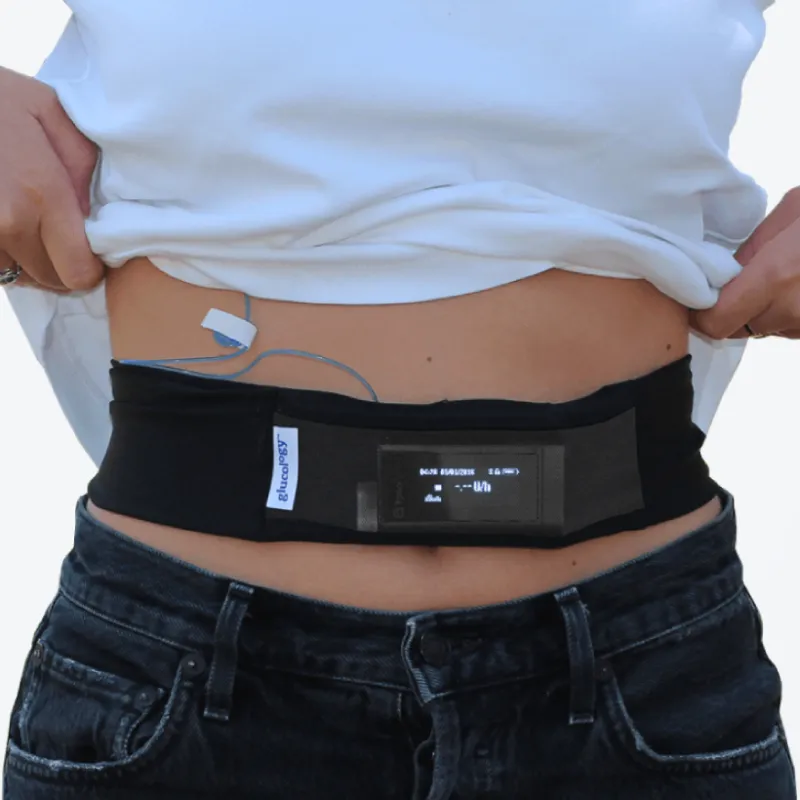
For active users, a dedicated insulin pump belts option tends to outperform pockets in most mobility scenarios. For runners, gym-goers or parents chasing toddlers, a belt generally means fewer disconnects and less awareness of the device, since it stays fixed in place instead of shifting in a pocket. Pocket carry works best for desk work or short errands when you are sitting still.
Best Insulin Pump Belt Styles for Different Needs
Not all belts fit the same way. Here are the most common styles and when each tends to work best.
Waistband belts sit at your natural waistline and resemble a slim running belt. They work under dresses, scrubs or loose shirts and hold the pump horizontally or vertically. Look for adjustable elastic and a soft lining to prevent chafing during long wear. The Medi-Belt Insulin Pump Belt offers extended sizing for larger frames.
Thigh bands strap around your upper leg and keep the pump hidden under skirts or shorts. These suit warm-weather wear and formal events when waistbands are not practical, though they tend to move a little more during walking than a waist placement.
Arm sleeves mimic smartphone armbands and position the pump on your bicep or forearm. They are popular for cycling and swimming with a waterproof pump, but tend to feel less comfortable for all-day wear because of arm movement.
Sleep-specific belts use soft fabrics and longer straps to accommodate rolling. A belt built for sleeping typically avoids hardware that digs into your side and keeps tubing organised, which can reduce the chance of waking up tangled.
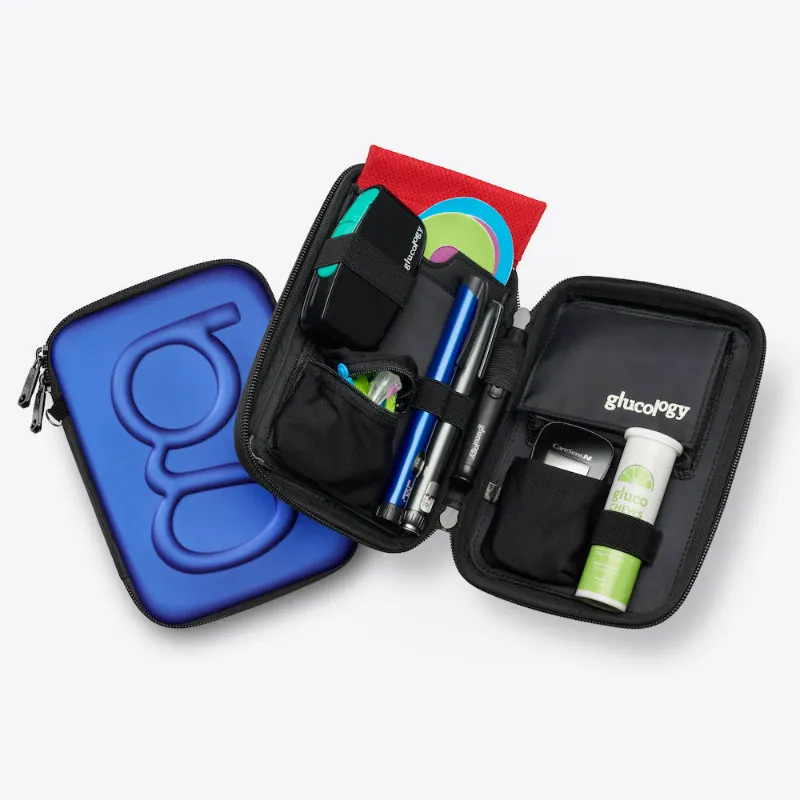
If you travel frequently, pairing a belt with a diabetic travel case for your supplies keeps everything organised on the go.
Pocket Carry: When It Works and When It Fails
Pocket carry costs nothing and requires no learning curve, but it has clear limits.
Where pocket carry succeeds:
- Quick errands or appointments when you are mostly stationary
- Cold-weather layering with deep jacket pockets
- Office settings with structured clothing and minimal movement
- Situations where you prefer not to explain a visible belt
Where it tends to fail:
- Athletic activity (the pump can bounce and pull on the tubing)
- Sleep (the pump can migrate and the tubing can wrap around limbs)
- Dresses, skirts or pocket-free outfits
- Hot weather when you want fewer layers
Many people use a hybrid approach: a belt for workouts and sleep, a pocket for casual indoor time. Check the current Glucology discount code to add a dedicated belt to your rotation without a big investment.
How to Choose the Right Insulin Pump Holder
Start by listing your top three daily activities. If two or more involve movement, such as commuting, exercise, childcare or standing work, a belt will likely deliver better comfort. If you spend most of your day seated and prefer minimal gear, pocket carry may suffice.
Sizing and fit checklist:
- Measure your waist, thigh or arm at the widest point where you will wear the belt
- Choose adjustable straps with enough give for clothing layers
- Confirm the pouch fits your pump model (Medtronic, Tandem, Omnipod controller, and so on)
- Test the closure: Velcro is fast, zippers are more secure
Material considerations:
- Neoprene wicks moisture and stretches without sagging
- Cotton blends breathe better but can lose shape after washing
- Silicone grips help prevent sliding on skin or clothing
If you are buying for a child, look for simple closures they can manage independently and colours that encourage wear. Many parents find belts safer for school and playground settings, since they remove the risk of a forgotten pump left in a jacket pocket.
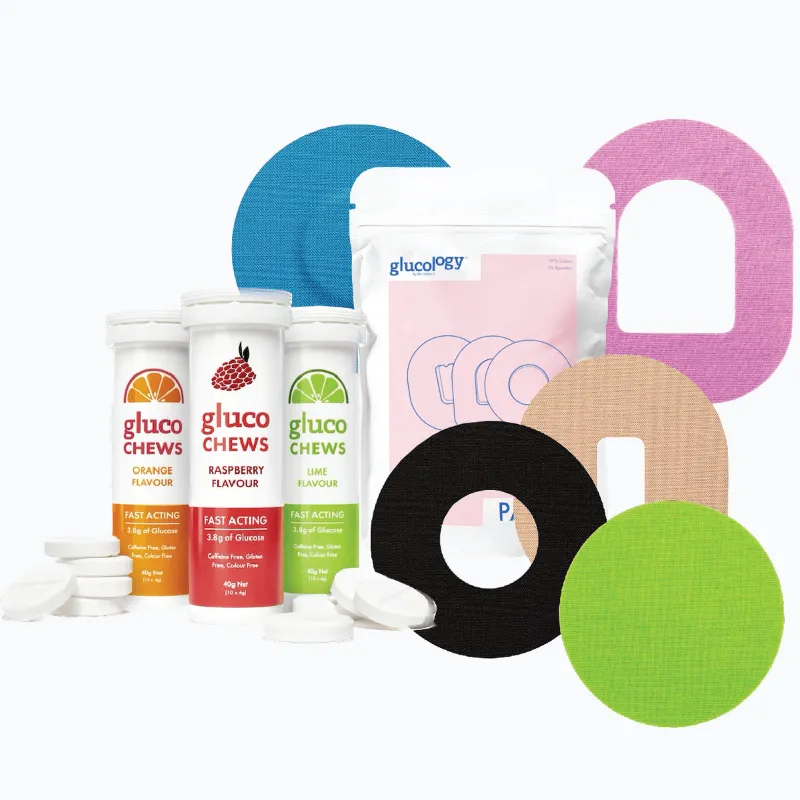
For ongoing savings on pump accessories and daily supplies like a blood sugar monitor patch or dexcom g6 patches, check the current Glucology discount code before your next order.
Comparing the Two, Day to Day
In practice, a belt tends to win out whenever your day involves real movement: bending, reaching, exercise or looking after kids. Tubing stays untangled, the pump sits in a predictable spot so you can bolus with confidence without checking where it is, and there is no wardrobe restriction since a slim belt sits under almost anything.
Pocket carry has its own advantages: faster access to the screen without lifting a shirt, one less item to wash, and no belt to adjust for a bathroom visit. For a low-activity day at home, pocket carry is often perfectly fine.
Many people end up using both: a belt for workouts and sleep, a pocket for casual indoor time. Sleep is the clearest case for a belt, since pocket carry overnight can risk tubing tangles, disconnects and pressure on the infusion site that a dedicated sleep belt is built to avoid.
Specialty carriers such as Hid-In offer more fashion-forward designs if discretion matters to you, blending a pump belt into everyday clothing rather than a clinical-looking accessory.
Caring for Your Pump Belt and Extending Its Life
Wash your belt every few wears to prevent buildup of skin oils and sweat, which degrade elastic over time. Hand-wash in cool water with a mild detergent, then air-dry flat. Machine washing tends to shorten the lifespan of Velcro and elastic faster than hand washing does.
Rotate between two belts if you wear one daily, so each gets time to fully dry and bounce back between uses. Inspect stitching monthly and replace the belt once the elastic no longer snaps back or the pouch sags.
Store your belt flat or loosely rolled in a diabetic case to avoid creases that weaken the fabric. Keep a backup in your car or work bag for the inevitable day you forget to pack it.
Questions
Can I wear an insulin pump belt under tight clothing without a bulge?
Slim neoprene waistband belts generally sit flat under fitted shirts and dresses. Position the pump horizontally at your side or the small of your back rather than front-centre to minimise visibility.
Do Medtronic and Tandem pumps fit the same belt?
Most universal insulin pump belts accommodate both brands, since the pouch size is similar. Always check the product specs for your exact model, especially if you use an older or paediatric pump.
Is pocket carry safe for sleeping?
It is not ideal. Pocket carry during sleep risks tubing tangles, disconnects and pressure on the infusion site. A dedicated sleep belt keeps the pump secure and tubing organised through the night.
How tight should an insulin pump belt be?
Snug enough that it does not shift when you bend or jog, but loose enough to slide two fingers under the band. Too tight causes chafing; too loose allows bouncing and defeats the purpose of a belt.
Can kids manage an insulin pump belt on their own?
Many children over about age six can fasten a Velcro belt independently. Choose bright colours and practice during calm moments at home so they feel confident adjusting it at school or during activities.
Will a pump belt interfere with my CGM sensor?
Generally not. Belts sit at the waistline, while CGM sensors typically go on the abdomen or arm. Just avoid positioning the belt directly over your sensor site to prevent pressure or adhesive lift.
Products in this guide
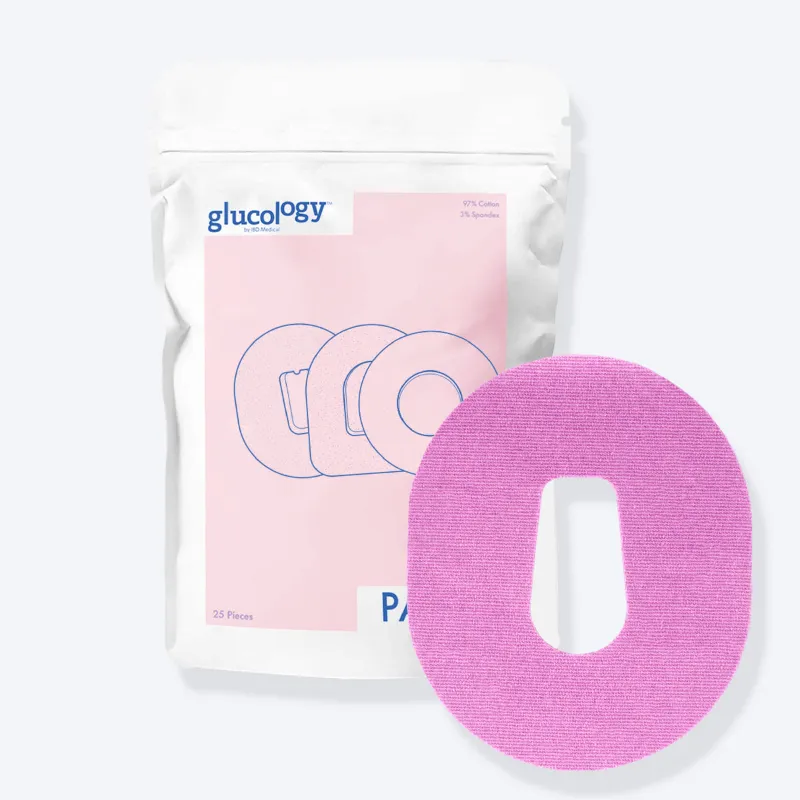 Shopping at Glucology? See the discount code
10% OFF All Orders
Shopping at Glucology? See the discount code
10% OFF All Orders
More in this series
How Long Do CGM Adhesive Patches Last Before They Need Replacing?3 Sep 20265 min FDA-Cleared vs FDA-Approved Sharps Containers: What’s the Difference?3 Sep 20264 minBest Diabetic Travel Cases for Insulin Storage: What to Pack and How to Keep It Cool3 Sep 20264 minDo Dexcom G6 Patches Actually Stay on During Workouts and Showers?3 Sep 20266 minHow to Safely Dispose of Used Insulin Needles and Lancets at Home3 Sep 20267 min