 A Timeusb guide
RV Lithium Battery Maintenance: Extend Battery Life With These Essential Care Tips
Proper maintenance of your lifepo4 lithium battery keeps your RV running efficiently and protects your investment for years.
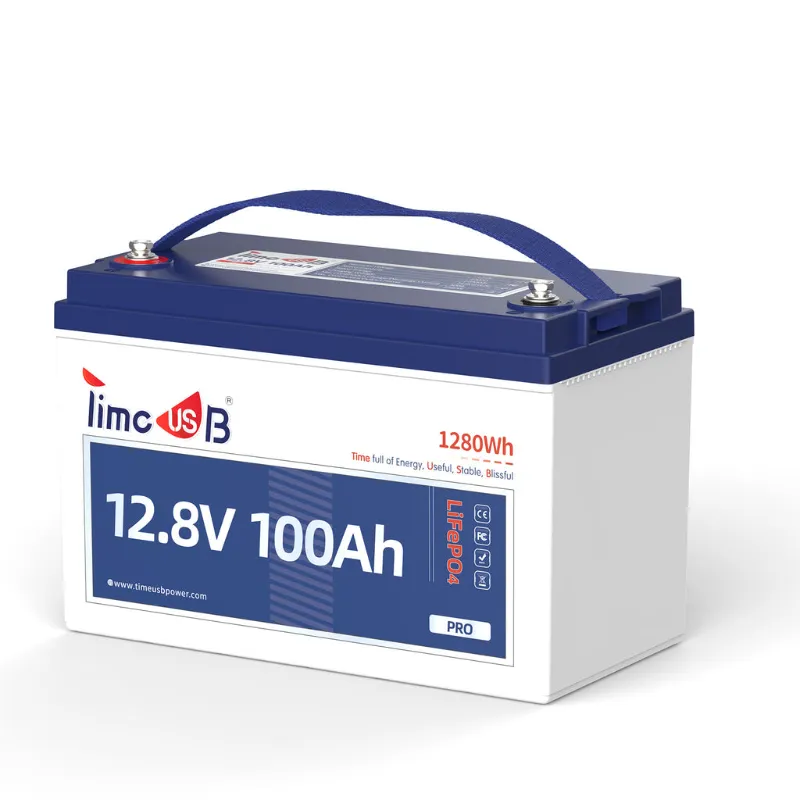
Proper maintenance of your lifepo4 lithium battery keeps your RV running efficiently and protects your investment for years. Whether you’re running an rv lithium battery in your camper or relying on auxiliary power for extended trips, the care practices you adopt today directly impact performance and longevity.
Charge Your RV Lithium Battery the Right Way
Charging is the foundation of battery health. A lifepo4 lithium battery performs best when charged at a steady, moderate rate rather than rapidly pushed to 100 percent. Unlike lead-acid batteries, lithium systems don’t benefit from being overcharged, and they actually tolerate partial charges well.
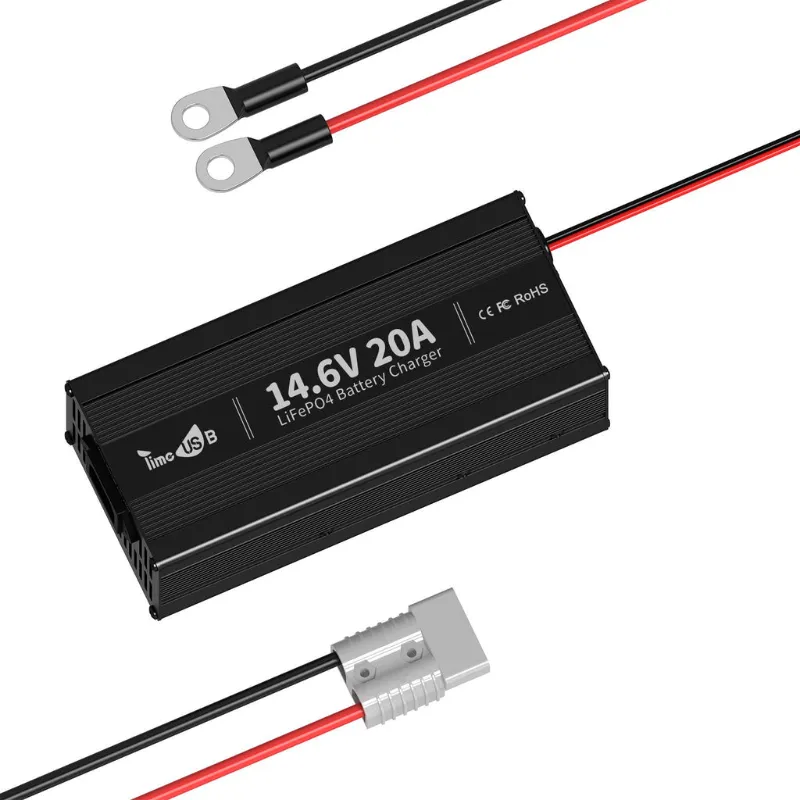
Use a quality lifepo4 battery charger designed for lithium iron phosphate chemistry. Standard chargers built for lead-acid won’t communicate properly with lithium cells and can cause premature wear. The right charger includes temperature monitoring and automatically stops charging when the battery reaches full capacity, preventing stress on the cells.
Aim to charge when your battery reaches 20 percent rather than draining it completely. This practice reduces cycle stress and keeps your lifepo4 lithium battery in better shape long-term. If you’re camping or traveling frequently, charge during the day when you can monitor progress rather than overnight.
Monitor State of Charge and Voltage Regularly
Track your battery’s state of charge using an onboard monitor or app if your system includes one. Most modern lifepo4 battery 12v systems come with built-in management electronics that report real-time voltage and remaining capacity. Knowing these numbers helps you catch problems early.
A healthy lifepo4 lithium battery 12v should hold voltage within a predictable range. If you notice voltage dropping faster than usual during idle periods, or if cells show imbalanced readings, address it before a longer trip. Voltage sag under load is normal, but erratic behavior signals something needs attention.
Check terminals and connectors monthly for corrosion or loose connections. Clean corrosion with a battery terminal cleaner and ensure all connections are snug. Loose connections create resistance, reduce charging efficiency, and can damage your lifepo4 lithium battery charger.
Keep Your Battery at the Right Temperature
Temperature management is critical for lithium systems. A lifepo4 lithium battery performs optimally between 32°F and 104°F (0°C to 40°C). Cold temperatures reduce available capacity and slow charging speed, while heat accelerates degradation.
In winter, keep your battery in an insulated compartment or use a battery heater to maintain safe operating temperature. In hot climates, ensure air can circulate around the battery and avoid parking in full sun for extended periods. If you’re using an rv lithium battery in an extreme climate, this attention to temperature becomes even more important.
Don’t charge a lifepo4 lithium battery when it’s below freezing. Modern chargers include temperature sensors that will stop charging automatically, but don’t override these safety features. Wait for the battery to warm up before charging.
Avoid Deep Discharges and Over-Discharges
While a lifepo4 lithium battery can technically cycle down to zero percent, doing so regularly stresses the cells. Set a low-voltage alarm on your system and never let the battery drop below 10 percent during normal use. This practice extends the usable life significantly.
Over-discharging triggers protection circuits in the battery’s management system and can lock the battery temporarily. If this happens repeatedly, it can reduce overall capacity over time. Treat your battery like you’d treat your RV’s fuel tank: refuel before you run completely empty.
If you’re storing your RV for several months, charge the battery to 50 percent before putting it away. This sweet spot minimizes degradation during dormancy and gives you a safety margin if anything draws power while parked.
Use the Right Battery for Your Setup
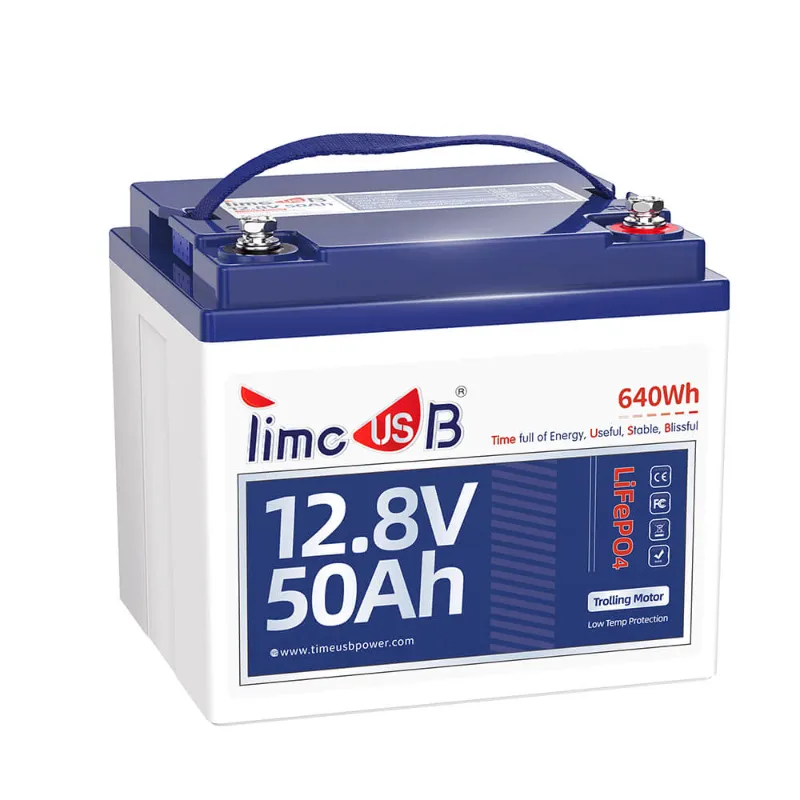
Not every lifepo4 lithium battery suits every RV. A small camper van might thrive with a 12v 50ah lithium ion battery, while a full-time RV pulling high loads needs a larger capacity like a lifepo4 lithium battery 12v 100ah or a 48v system. 48v golf cart batteries deliver the power needed for larger setups and reduce current draw on wiring.
Consider your actual power consumption. Solar panels, inverters, and AC appliances all draw differently. Oversizing your lifepo4 lithium battery reduces cycle depth per charge, which means more cycles before degradation. A larger battery sitting at 50 percent charge cycles longer than a small battery constantly hitting 90 percent.
If you’re upgrading from lead-acid to lithium, you may need a new lifepo4 battery charger and possibly a compatible battery management system. The investment upfront pays for itself through extended life and better performance.
Store Your Battery Safely During Off-Season
Proper storage extends the life of your lifepo4 lithium battery significantly. If your RV sits unused for months, disconnect the battery terminals to prevent phantom loads from draining the system. Store the battery in a cool, dry location if possible.
Every 30 days during storage, check the battery’s state of charge. If it drops below 30 percent, top it up to 50 percent. This keeps the battery cells active and prevents them from entering a deep sleep state that can damage capacity.
Don’t store a fully charged lifepo4 lithium battery. Full charge at rest accelerates aging in any battery chemistry. Similarly, never store a completely dead battery. Aim for 40 to 60 percent charge for seasonal storage.
Compare Battery Options for Your Needs
| Feature | 12v 50ah lithium ion battery | 50ah lithium battery (48v) | group 24 deep cycle |
|---|---|---|---|
| Best for | Small RVs, aux power | Mid-size RVs, solar | Lead-acid replacement |
| Cycle life | 3,000+ cycles | 3,000+ cycles | 500-1,000 cycles |
| Weight | Light | Light | Heavy |
| Cost | Mid-range | Higher | Lower |
The lifepo4 lithium battery technology dominates because it delivers more usable cycles than alternatives. Lead-acid requires more maintenance and shorter usable life. Our Recommended Drop-In LifePo4 Batteries offers deeper comparisons if you’re deciding between models.
When to Seek Professional Help
Most maintenance is DIY, but certain situations warrant professional service. If your lifepo4 lithium battery management system shows internal cell imbalance that won’t resolve, have it inspected. If charging stops abruptly or capacity drops suddenly, don’t keep using it; get it tested.
Visible damage, swelling, or unusual heat means stop using the battery immediately. A lifepo4 lithium battery 12v or any lithium pack with internal damage poses a safety risk.
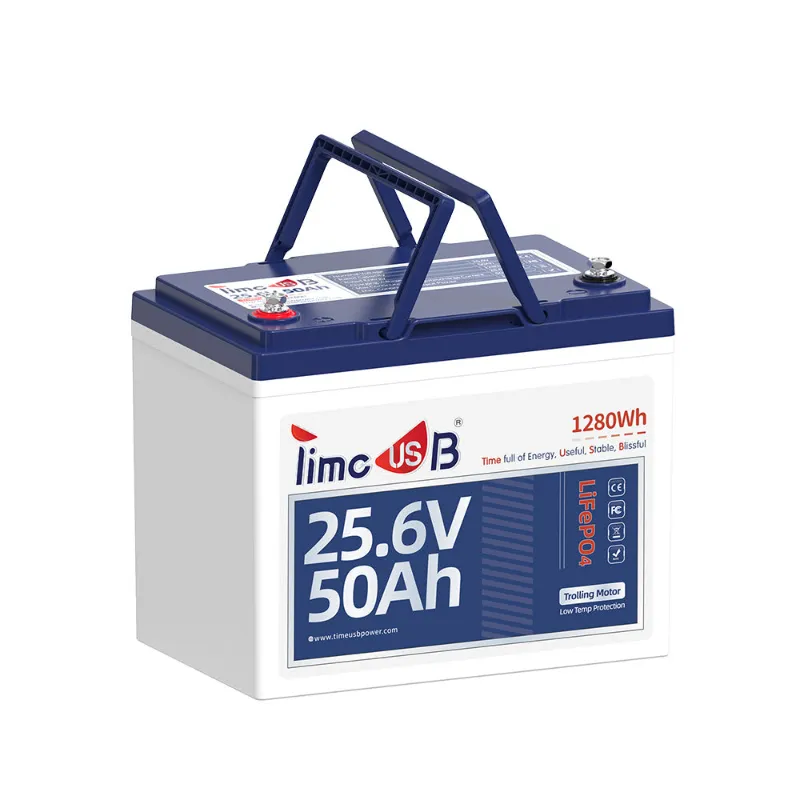
For specialized setups like a lithium trolling motor battery or a 36v trolling motor battery, check the manufacturer’s guidelines before attempting repairs yourself. These systems sometimes have unique configuration steps.
Start by grabbing the code to get 5% off quality charging and maintenance gear. Good maintenance costs almost nothing compared to replacing a battery early, and the peace of mind while traveling is worth it alone.
Questions
How often should I charge my lifepo4 lithium battery?
Charge when your lifepo4 lithium battery reaches 20 percent rather than waiting for complete depletion. Regular, moderate charging extends cycle life significantly and is easier on the battery management system than deep-discharge cycles.
Can I use a regular lead-acid battery charger on my RV lithium battery?
No. A standard charger won't communicate with a lifepo4 lithium battery's management system and can damage the battery. You need a dedicated lifepo4 battery charger designed for lithium iron phosphate chemistry.
What temperature range is safe for my lifepo4 lithium battery?
A lifepo4 lithium battery operates best between 32°F and 104°F (0°C to 40°C). Cold reduces capacity and slows charging; heat accelerates aging. Never charge below freezing.
How long does a 50ah lithium battery last before it needs replacement?
A quality 50ah lithium battery typically delivers 3,000 to 5,000 full cycles, translating to 10 to 15 years of typical RV use. Proper maintenance (avoiding deep discharges and temperature extremes) extends this significantly.
Is it okay to store my rv lithium battery fully charged?
No. Store your rv lithium battery at 40 to 60 percent charge during off-season storage. Full charge at rest accelerates aging, while complete discharge risks damage to the battery management system.
What's the difference between a 12v 50ah lithium ion battery and a 48v setup?
A 12v 50ah lithium ion battery works for smaller RVs and aux loads, while 48v systems handle larger power demands with lower current draw on wiring. Choose based on your actual power consumption and appliance needs.
Products in this guide
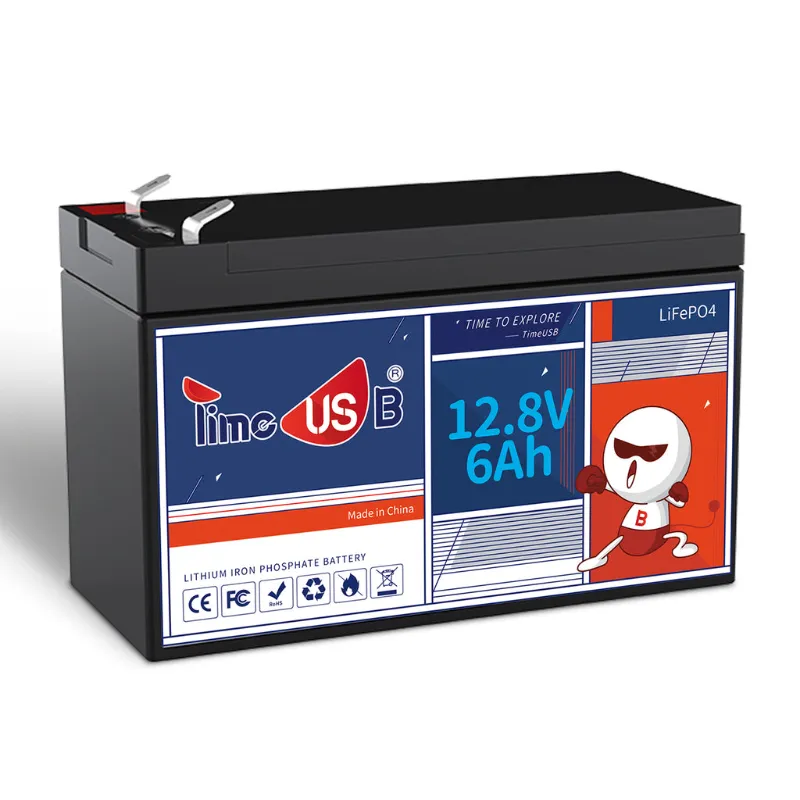
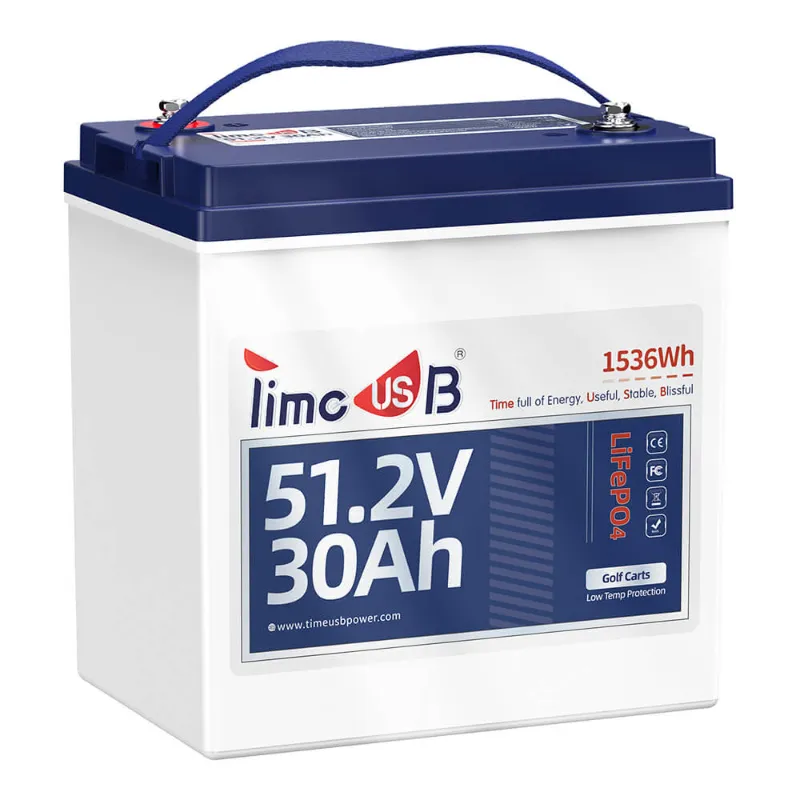 Shopping at Timeusb? See the discount code
5% OFF Sitewide
Shopping at Timeusb? See the discount code
5% OFF Sitewide
More in this series
Deep Cycle Battery Sulfation Problems: Prevention and Troubleshooting for Extended Use28 Aug 20264 minDo LiFePO4 Batteries Really Last Longer Than Lead Acid?28 Aug 20264 min Golf Cart Battery Replacement Guide: When to Upgrade From Lead Acid to LiFePO428 Aug 20265 min
 How to Choose the Right Trolling Motor Battery: 36V vs 12V Performance Compared28 Aug 20266 minLiFePO4 Battery Charger vs Standard Chargers: Why Lithium Needs Different Technology28 Aug 20265 min