 A Timeusb guide
How to Choose the Right Trolling Motor Battery: 36V vs 12V Performance Compared
A 36v trolling motor battery delivers longer runtime and stronger thrust than 12V systems, making it the choice for serious anglers and larger boats.
A 36v trolling motor battery delivers longer runtime and stronger thrust than 12V systems, making it the choice for serious anglers and larger boats. Whether you’re upgrading from lead acid or switching from a 12V setup, understanding the differences between voltage configurations, battery chemistry, and capacity helps you pick the right power source. We’ll walk you through the key specs, performance trade-offs, and how to match your motor and boat size to the battery you need.
Why 36V vs 12V Matters for Trolling Motors
The voltage you choose affects both motor performance and how long you can run before recharging. A 36v trolling motor battery provides three times the voltage of a 12V system, which translates to stronger pulling power and more efficient energy use over longer fishing trips.
Most modern trolling motors are built for either 12V, 24V, or 36V operation. A 12V motor is fine for small jon boats and casual shore fishing, but a 36V trolling motor battery becomes essential if your boat weighs over 4000 pounds, you fish in strong currents, or you spend full days on the water without access to shore power. Higher voltage systems pull less current for the same thrust, which reduces voltage drop over the motor’s power cable and extends your runtime.
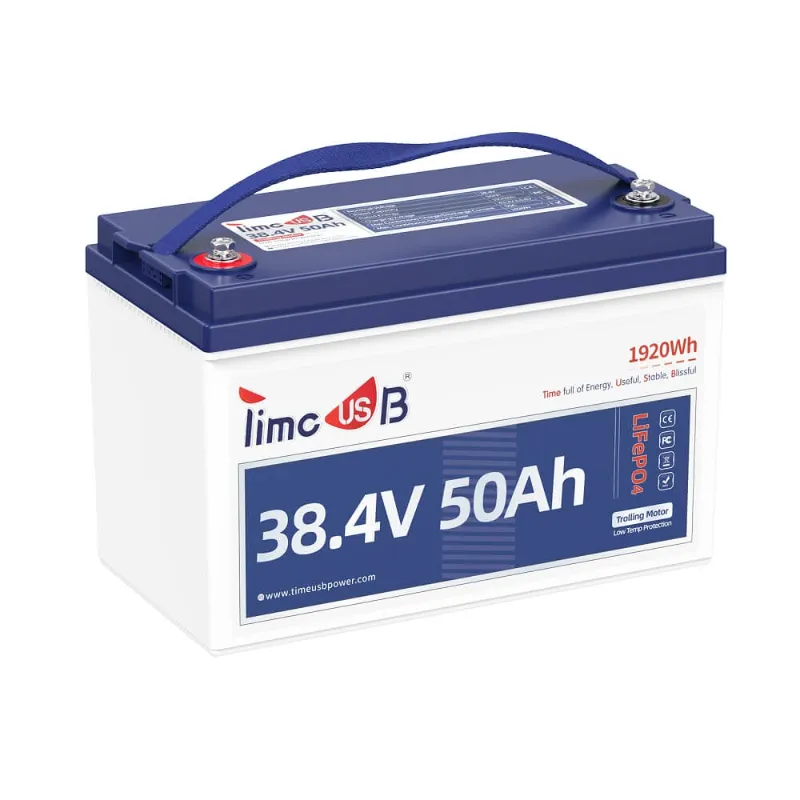
If you run a 36V motor, you need three 12V batteries wired in series, or you can use a dedicated 36v lithium battery for minn kota and similar trolling motors. The 36v trolling motor battery option simplifies setup and eliminates compatibility guesswork.
36V Lithium vs Lead Acid: Chemistry and Runtime
Lead acid batteries (including group 24 deep cycle models) have been the standard for decades, but lithium has clear advantages for trolling applications.
| Feature | Lead Acid | Lithium LiFePO4 |
|---|---|---|
| Lifespan | 3-5 years | 10+ years |
| Weight | Heavy (60+ lbs for 12V 50ah) | 40% lighter |
| Runtime per charge | Limited; self-discharge high | Consistent; minimal discharge |
| Cold start power | Strong initially | Maintains power in cold |
| Maintenance | Regular water/terminal checks | None required |
| Cost upfront | Lower | Higher, pays back over time |
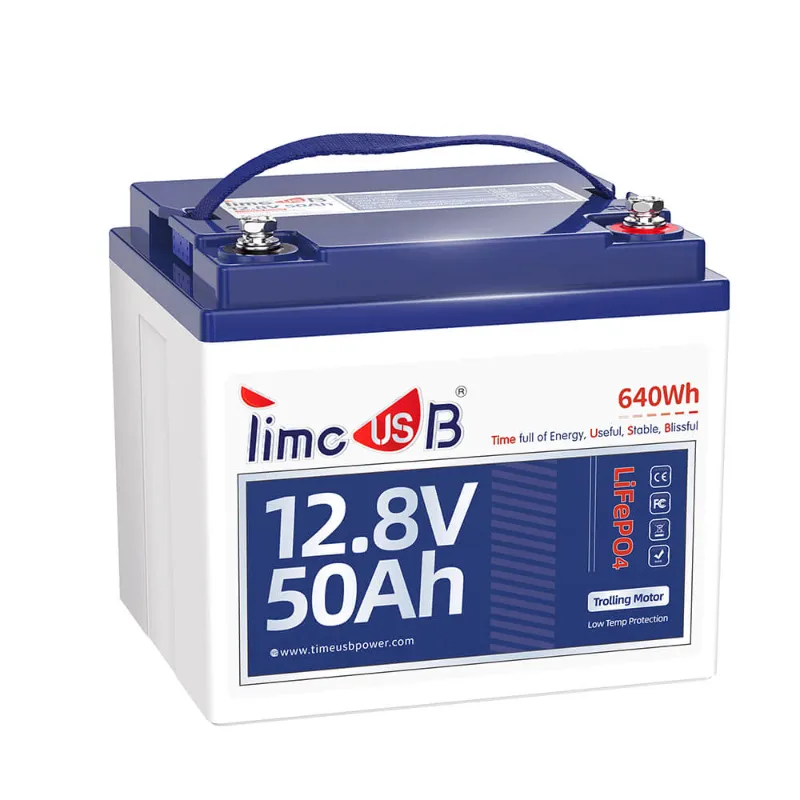
A 50ah lithium battery weighs about 15 pounds, while a 50ah lead acid weighs 60+ pounds. If you’re hand-launching or need quick repositioning, that matters. Lithium also retains 95% capacity in winter, whereas lead acid capacity drops 30-40% below 32°F.
For a 36V setup, you’re looking at wiring three 12v 50ah lithium ion battery units in series, or stepping up to a larger capacity like a 50ah lithium battery if you want all-day runtime. Lead acid requires three separate 12v 50ah battery units (or larger) for the same 36V system, taking up more space and adding weight.
Runtime scales with amp-hours. A 50ah battery gives you roughly 5-8 hours of moderate trolling (depending on motor speed and load), while a 100ah lithium setup delivers 10-16 hours.
Sizing Your 36V Trolling Motor Battery
The right capacity depends on how long you fish between charges and your motor’s draw.
- Half-day trips (4-6 hours): 50-75ah battery covers most standard trolling without heavy low-speed work.
- Full-day trips (8+ hours): 100ah or larger ensures you don’t run dead in the middle of a bite.
- Tournament fishing: 100ah+ and a 36v trolling motor battery charger onshore keeps you charged between rounds.
Most trolling motors draw 10-30 amps depending on speed setting. Medium speed on a 36V motor pulls 15-20 amps, so a 50ah battery gives you 2.5-3 hours at that setting. Push it to full throttle and you might get 1-1.5 hours. Slow trolling (2-3 mph) on low power uses 5-10 amps, stretching a 50ah battery to 5-8 hours.
Check your motor’s manual for its typical amp draw at different speeds, then multiply the amps by your planned fishing hours. That’s your minimum capacity. Add 20% buffer so you’re never running the battery completely flat.
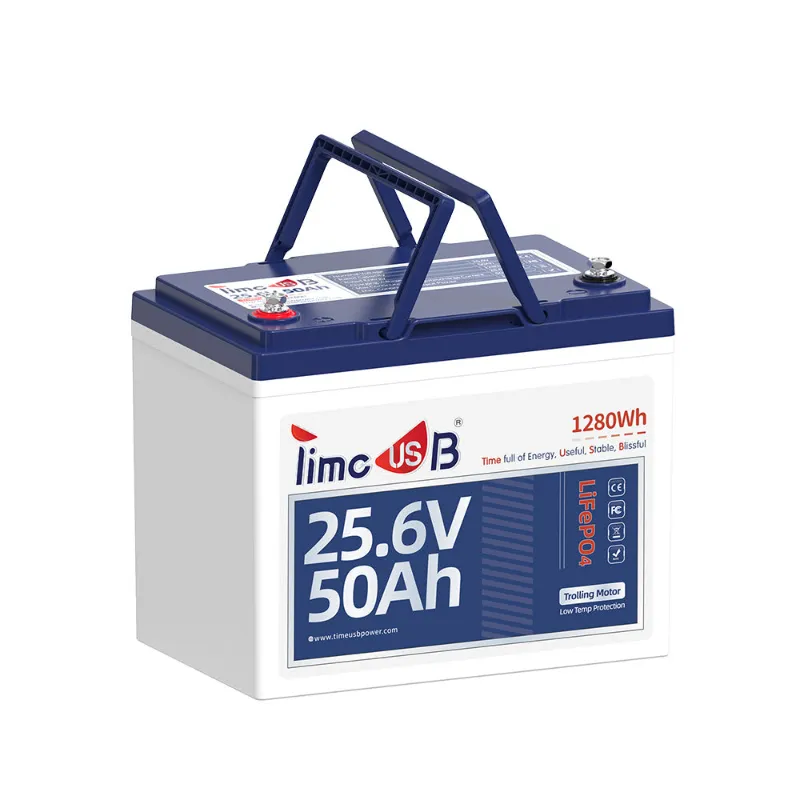
If you’re upgrading from group 24 deep cycle lead acid batteries, expect to use the same 36V wiring but gain weight savings and longer lifespan with lithium.
36V Lithium Battery Chargers and System Setup
A 36v trolling motor battery needs a compatible charger designed for the battery chemistry you choose.
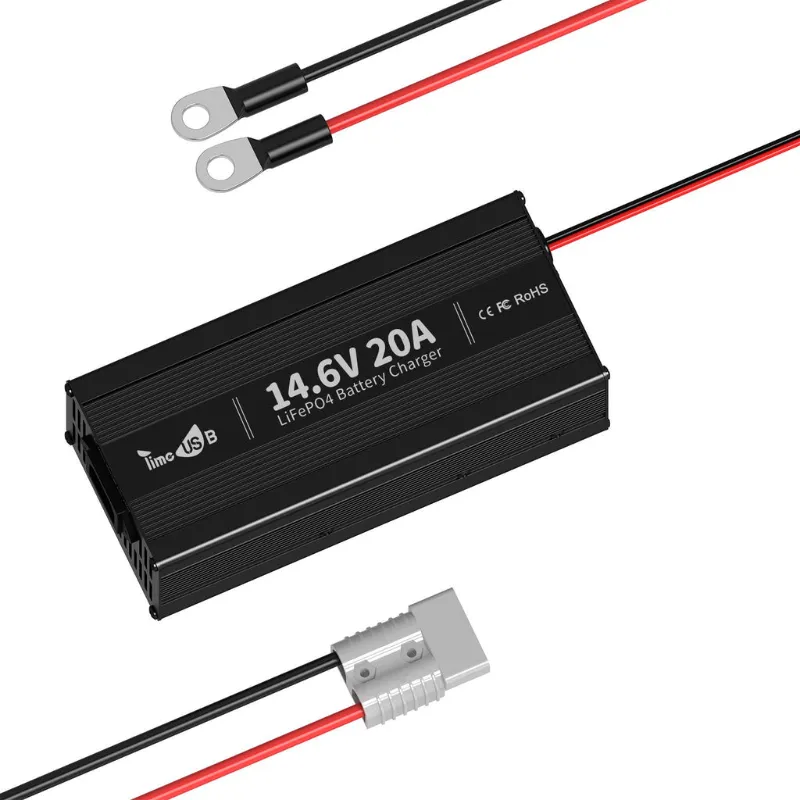
Lead acid 36V setups typically use a 3-bank 12V charger (one charger per battery in the series string) or a single 36V charger. Lithium 36V systems need a lithium-specific charger that won’t overcharge or damage the battery management system (BMS). The lifepo4 battery charger is built for lithium cells and includes voltage and current limiting to keep your battery safe.
Many lithium trolling motor batteries come with an integrated charger cable. Some don’t, so confirm before you buy. If you’re building a 36V system from three 12v 50ah lithium ion battery units, you’ll need either a 36V lithium charger or three individual chargers for faster parallel charging.
Charging time varies by capacity and charger output. A 50ah lithium battery typically charges in 3-5 hours on a 10-20A charger, while 100ah takes 5-10 hours. Lead acid takes 8-12 hours for a full charge and demands regular maintenance to prevent sulfation.
Check the latest price and grab our 5% sitewide discount code while shopping.
When to Choose 36V Over 12V or 24V
A 36v trolling motor battery is the best choice in these scenarios.
- Boats over 4000 pounds: Heavier hulls need the extra thrust efficiency that 36V provides.
- River or ocean fishing: Moving water requires higher voltage to hold position and cover ground.
- All-day trips: The lower current draw of 36V extends runtime compared to 12V for the same battery capacity.
- Shallow-water and mid-range boats: 36V is the sweet spot between power and weight. 12V is too weak, 48V golf cart batteries (which can be configured for 36V) overkill unless you’re running massive offshore rigs.
If you fish small ponds or streams in a 14-16 foot aluminum boat, a 12V system with a 12v 50ah lithium ion battery works fine. Moving to 36V makes sense the moment you add a console or larger motor, or fish tidal water.
Building Your Complete 36V System
A full setup includes the battery, charger, cables, and connectors rated for your voltage and amp draw.
Use marine-grade 2-0 or 4-0 AWG cable (depending on run length) between the 36V battery and the motor. Connectors should be sealed and corrosion-resistant. A battery switch isolates the system when you’re not fishing, extending shelf life.
If you’re using three separate 12V batteries in series, connect positive of battery 1 to the negative of battery 2, then positive of battery 2 to negative of battery 3. Your motor and charger connect to the exposed positive and negative terminals at each end. Lithium batteries with integrated BMS handle this internally if you buy a pre-assembled 36v trolling motor battery.
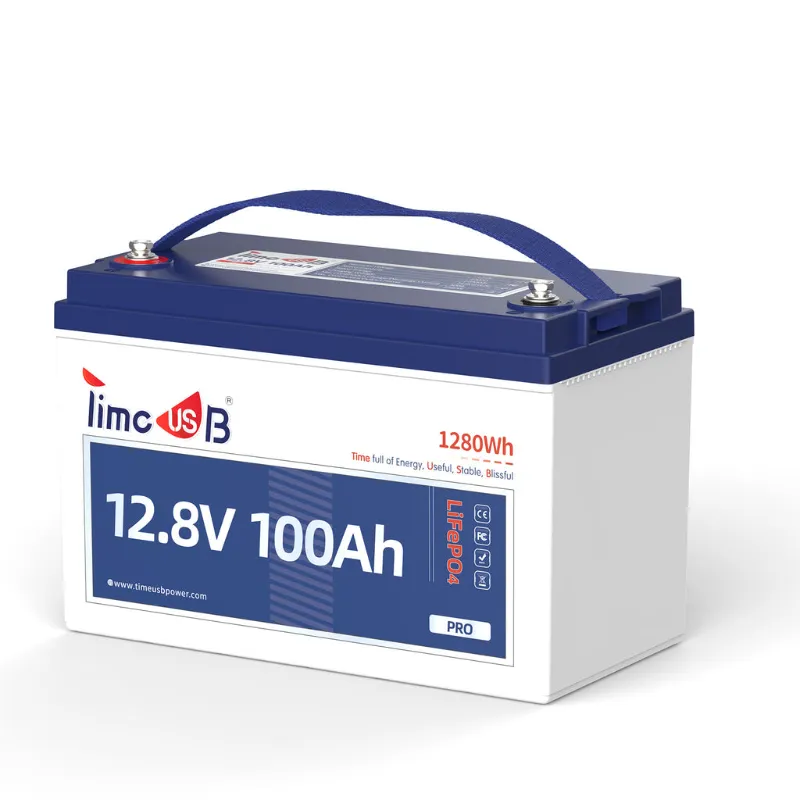
For RV or camper fishing setups, an rv lithium battery configured to 36V is another option, though most RV batteries max out at 12V or 24V. Check the specs before ordering.
Grab the code for 5% off Timeusb batteries and chargers when you’re ready to upgrade.
Maintenance and Long-Term Care
Lithium batteries need less hands-on maintenance than lead acid, but a few basics extend lifespan.
- Store fully charged: Lithium holds charge longer and safer when stored at 80-100% capacity. Lead acid should be stored at 50% to avoid sulfation.
- Charge after every trip: Don’t leave lithium discharged for weeks. A slow trickle charge keeps the BMS balanced.
- Avoid extreme heat: Lithium performance drops in hot sun; keep batteries in shade or a cooler when not in use.
- Inspect cables and connectors: Corrosion at connection points reduces efficiency. Rinse with fresh water and apply dielectric grease annually.
A lifepo4 lithium battery in a 50ah or 100ah size will outlast three generations of lead acid if you follow these basics. The upfront cost difference pays back in 3-5 years through fewer replacements and better runtime per charge.
Questions
What size 36v trolling motor battery do I need for a full day of fishing?
A 50-75ah lithium battery covers 6-8 hours of moderate trolling, while 100ah extends that to 12+ hours. Choose based on your typical trip length and motor speed preference. Most anglers find 50-75ah adequate for day trips; tournament or all-day explorers go for 100ah or larger.
Can I use three 12V batteries to make a 36V trolling motor battery system?
Yes, wire three 12V batteries in series (positive to negative between each pair) to create 36V. You can use three [12v 50ah lithium ion battery](/go/p/6778) units or three lead acid batteries, though lithium is lighter and longer-lasting for trolling. Just ensure all three batteries match in chemistry and capacity for balanced performance.
How long does a 36v lithium trolling motor battery last compared to lead acid?
A lithium LiFePO4 battery lasts 10+ years and maintains 80% capacity after 3000+ charge cycles. Lead acid lasts 3-5 years and degrades faster, especially in cold weather. Over the life of your boat, lithium pays for itself through fewer replacements and consistent runtime.
What charger do I need for a 36v trolling motor battery?
Use a charger rated for your battery chemistry: a [lifepo4 battery charger](/go/p/6770) for lithium systems, or a 36V lead acid charger for three lead acid batteries in series. Many lithium trolling motor batteries include a charger; verify before purchase to avoid buying extras.
Is 36V better than 24V or 12V for trolling motors?
36V draws less current than 24V or 12V for the same thrust, so you get longer runtime and stronger performance in moving water or with heavier boats. 12V works fine for small boats under 4000 lbs; 36V is ideal for mid-range and larger rigs where efficiency and power matter.
Can I use a 48v golf cart battery for my trolling motor?
Not directly for a 36V trolling motor, since most golf carts run 48V and you'd need to reconfigure or downgrade. However, [48v golf cart batteries](/go/p/6773) can be a source for larger capacity systems if you're building a custom setup. For standard trolling motors, stick to a pre-configured [36v trolling motor battery](/go/p/6777) to avoid compatibility issues.
Products in this guide
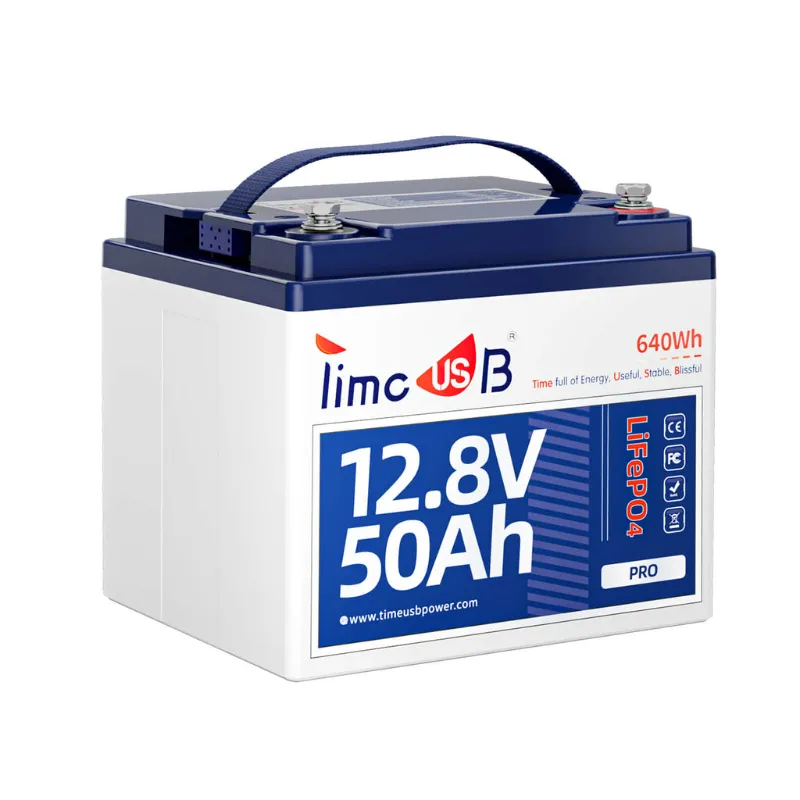
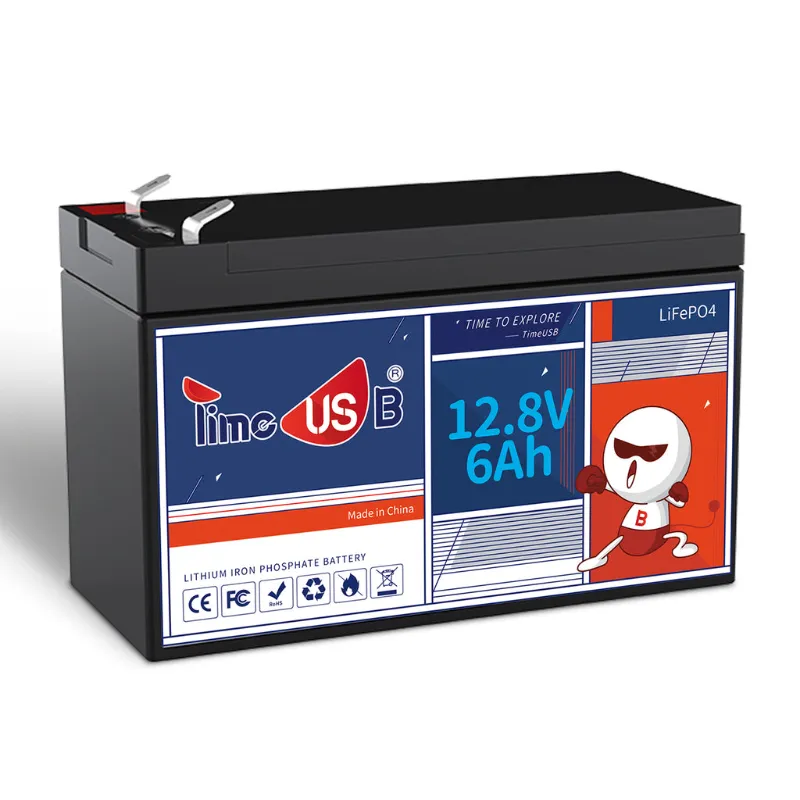 Shopping at Timeusb? See the discount code
5% OFF Sitewide
Shopping at Timeusb? See the discount code
5% OFF Sitewide
More in this series
Deep Cycle Battery Sulfation Problems: Prevention and Troubleshooting for Extended Use28 Aug 20264 minRV Lithium Battery Maintenance: Extend Battery Life With These Essential Care Tips28 Aug 20265 minDo LiFePO4 Batteries Really Last Longer Than Lead Acid?28 Aug 20264 minGolf Cart Battery Replacement Guide: When to Upgrade From Lead Acid to LiFePO428 Aug 20265 minLiFePO4 Battery Charger vs Standard Chargers: Why Lithium Needs Different Technology28 Aug 20265 min