 A Timeusb guide
Do LiFePO4 Batteries Really Last Longer Than Lead Acid?
A lifepo4 battery charger paired with quality LiFePO4 cells genuinely outlasts traditional lead acid by years, backed by cycle-life testing and real-world durability data.
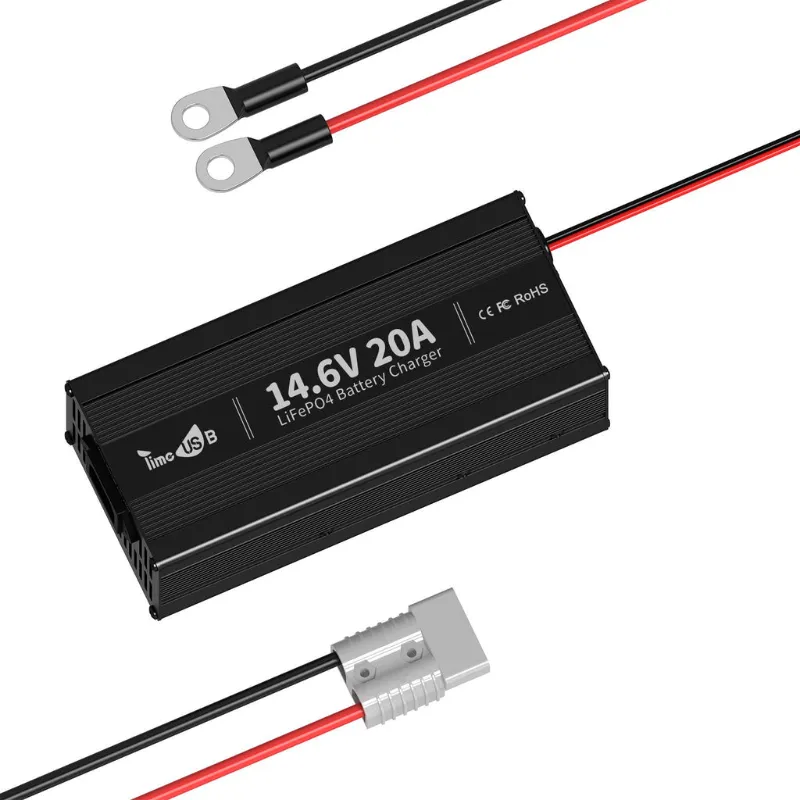
Yes, LiFePO4 batteries really do last longer than lead acid in most uses, because lithium iron phosphate cells are rated for thousands of charge cycles where lead acid is rated for hundreds, and they cope far better with daily partial discharge. How long a particular battery lasts still depends on how it is charged, how deeply it is discharged and the temperatures it sees. That is where a proper LiFePO4 battery charger comes in.
Why LiFePO4 batteries last longer
The difference is chemistry. LiFePO4 (lithium iron phosphate) is a stable lithium chemistry that tolerates many full cycles with slow capacity loss. Lead acid batteries lose capacity faster, especially when they sit partly discharged, because sulfate crystals build up on the plates (sulfation).
A LiFePO4 battery also has a battery management system (BMS) inside. It protects the cells from overcharge, over-discharge and, in many models, charging in the cold. That protection is part of why these batteries hold up in daily use.
LiFePO4 vs lead acid: rated cycle life
Manufacturers usually rate LiFePO4 cells for around 3,000 to 5,000 full cycles before capacity falls to 80% of new. Flooded lead acid is commonly rated for around 300 to 500 deep cycles, and AGM sits somewhat above that. These are manufacturer ratings under set conditions, so treat them as a guide to the gap between the chemistries rather than a promise for any one battery.
| Battery type | Strengths | Weak points |
|---|---|---|
| LiFePO4 | Long cycle life, light, steady voltage under load, handles partial charge well | Higher upfront cost, should not be charged below freezing without protection |
| Flooded lead acid | Low upfront cost, widely available | Heavy, needs topping up, loses capacity if left partly discharged |
| AGM (sealed lead acid) | Sealed, no maintenance, tolerates cold charging | Heavy, shorter cycle life than LiFePO4 |
The gap is widest with frequent, partial use, the pattern of RVs, boats and off-grid systems, where lead acid spends much of its life partly charged.
The LiFePO4 battery charger matters
A charger made for LiFePO4 charges to the right voltage and stops, which protects the cells. A LiFePO4 cell has a nominal voltage of 3.2V and is usually charged to around 3.65V. A lead acid charger works to different voltages and may run equalisation or desulfation modes that are not suitable for lithium.
When you choose a charger, look for:
- A dedicated LiFePO4 profile, not a generic lithium or lead acid preset.
- A constant current, then constant voltage charge, with no float or a low float.
- Temperature protection so it will not charge a cold battery.
- A current rating that suits the battery’s size and its maximum charge rate.
- A voltage that matches the battery: 12V, 24V, 36V and 48V systems each need their own charger.
Timeusb’s 12V 20A LiFePO4 charger is built for 12V batteries. For 24V, 36V or 48V packs, check the store for a charger of matching voltage.
LiFePO4 in RV, marine and golf cart use
Different jobs suit different batteries in Timeusb’s range:
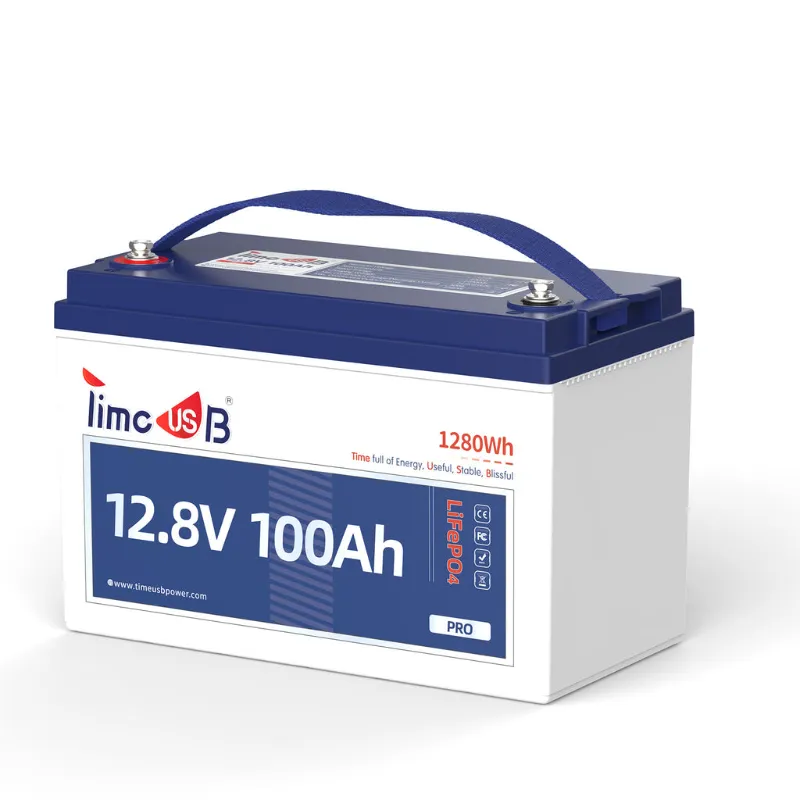
- RVs and off-grid: a 12V 100Ah Pro LiFePO4 battery suits daily cycling from solar or a vehicle charger.
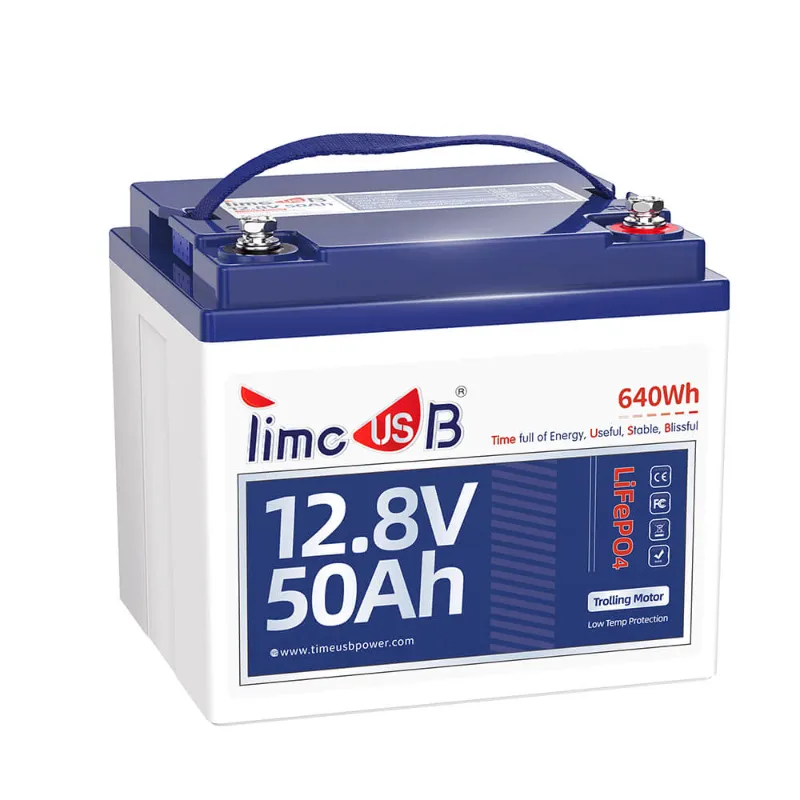
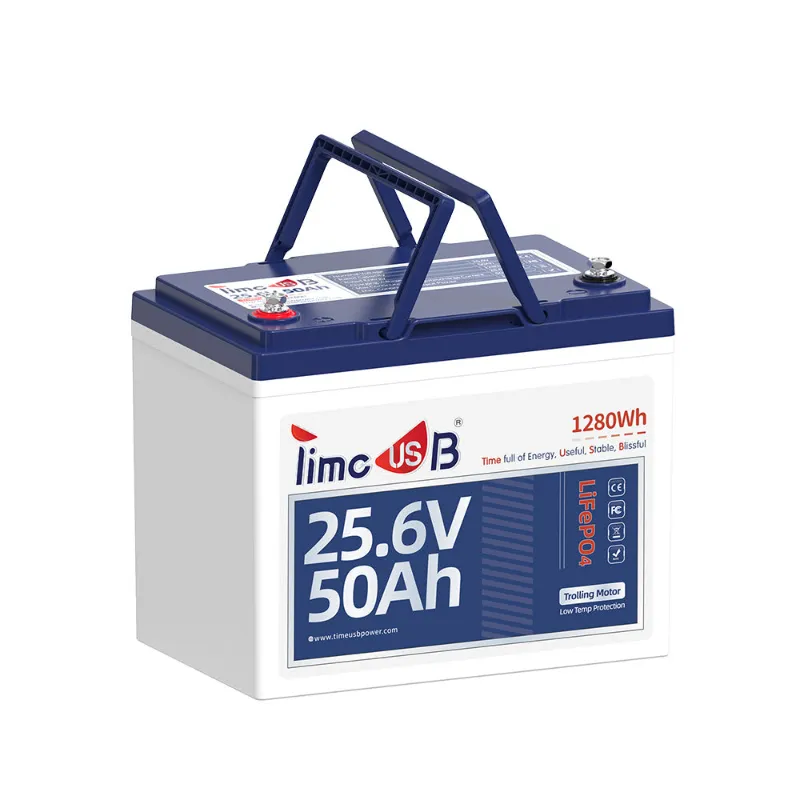
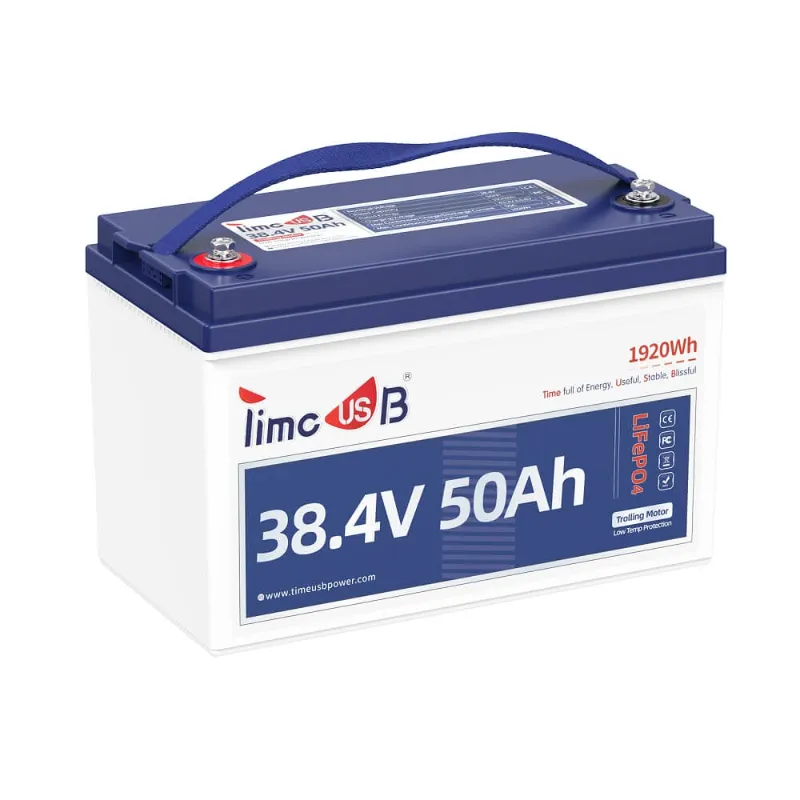
- Trolling motors: the 24V 50Ah trolling motor battery, the 36V 50Ah trolling motor battery and the 12V 50Ah lithium trolling motor battery match common motor voltages. Steady voltage under heavy draw is one of LiFePO4’s advantages here.
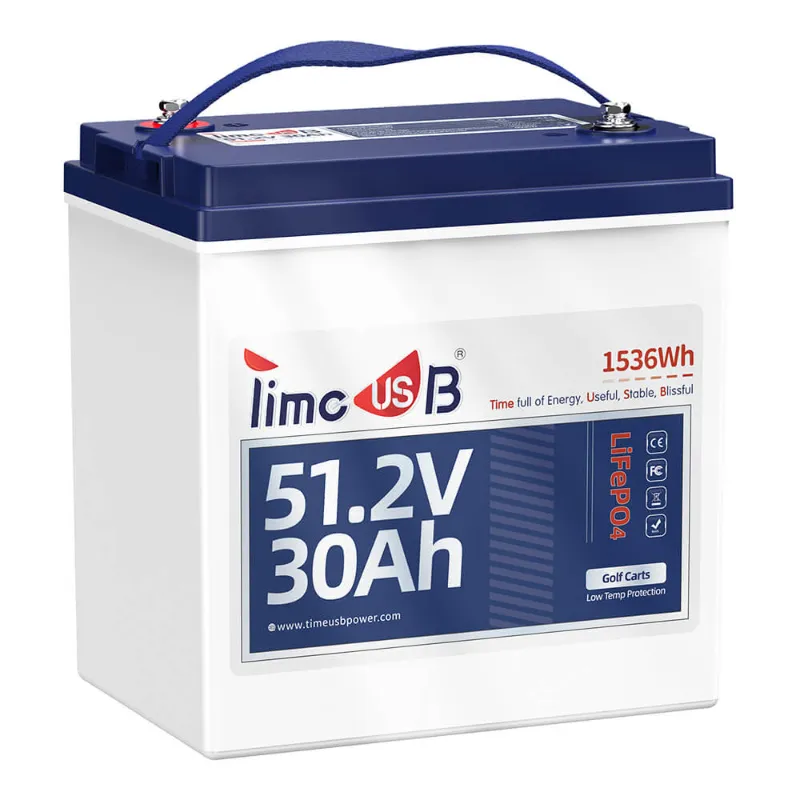
- Golf carts: the 48V 30Ah GC2 battery is made for golf cart use.
- Small loads: the 12V 6Ah LiFePO4 battery suits small backup and hobby jobs.
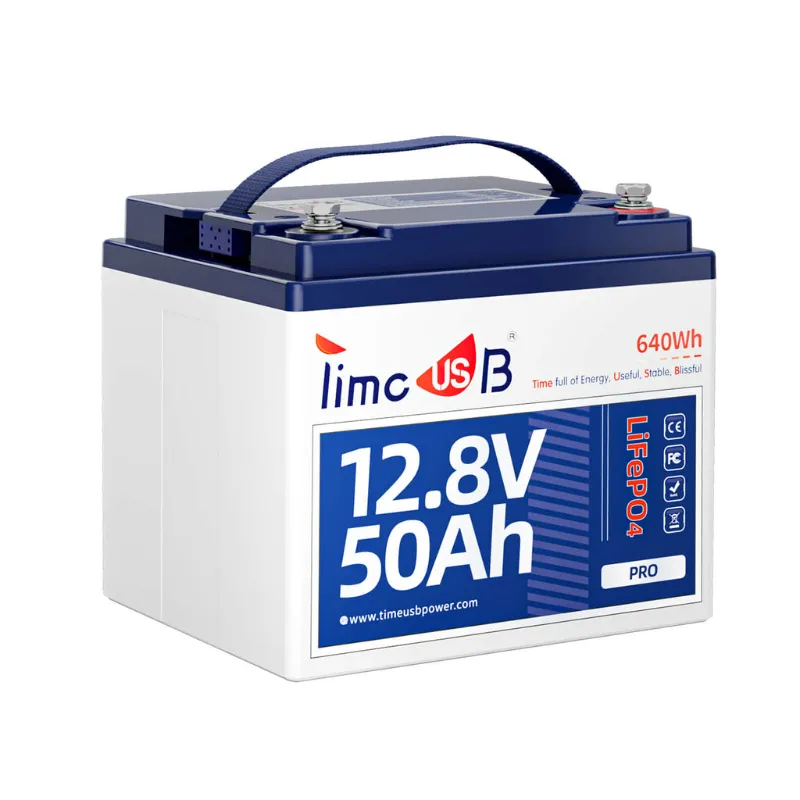
Also in the 12V range are the 12V 50Ah lithium battery and the 12V 50Ah Pro lithium battery. If you are replacing a group 24 deep cycle lead acid battery in a boat, check the case size and terminal layout against your tray before ordering.
Temperature, depth of discharge and cycle life
Even LiFePO4 wears faster under some conditions:
- Cold charging: charging below freezing (32°F or 0°C) can damage the cells. Many batteries and chargers block this; check that yours do.
- Heat: high temperatures while charging or in storage speed up ageing. Keep batteries out of hot engine bays and direct sun where you can.
- Deep discharge: shallow cycles wear cells less than running them flat every time, so a bigger battery used lightly tends to last longer than a small one worked hard.
- Storage: store at a partial charge in a cool, dry place, and check it now and then.
When LiFePO4 is worth the cost
LiFePO4 costs more upfront than lead acid. It pays off most when you cycle the battery often, as in daily RV use, regular fishing trips or an off-grid system, because it can go on long after a lead acid battery would need replacing. If you only use a battery a few times a year, lead acid can still make sense on cost.
Whichever you choose, match the charger to the chemistry and the voltage. For more on picking a charger and the problems people run into, see the forum thread Finding a LiFePO4 Power Charger That Will Actually Work?. Before you buy, see the current Timeusb discount code.
Questions
Do LiFePO4 batteries really last longer than lead acid?
Yes, in most uses. LiFePO4 cells are commonly rated for around 3,000 to 5,000 full cycles, while flooded lead acid is commonly rated for around 300 to 500 deep cycles. Real life depends on charging, depth of discharge and temperature.
Does a LiFePO4 battery charger work with any LiFePO4 battery?
It needs to match the battery's voltage (12V, 24V, 36V or 48V) and suit its maximum charge current. A dedicated LiFePO4 profile charges cells to around 3.65V each and stops, which protects the battery.
Can I charge a LiFePO4 battery with a lead acid charger?
We would not. Lead acid chargers use different voltages and may run equalisation or desulfation modes that are not suitable for lithium cells. Use a charger with a LiFePO4 profile.
What temperature is safe for charging LiFePO4?
Do not charge below freezing (32°F or 0°C) unless the battery has built-in low temperature protection or heating. Avoid charging in high heat as well. Check the battery's own limits on the listing.
Can I use a LiFePO4 battery charger with solar panels?
Solar panels need a charge controller, not a mains charger. Use a solar charge controller with a LiFePO4 setting between the panels and the battery.
Products in this guide
 Shopping at Timeusb? See the discount code
5% OFF Sitewide
Shopping at Timeusb? See the discount code
5% OFF Sitewide
More in this series
Deep Cycle Battery Sulfation Problems: Prevention and Troubleshooting for Extended Use28 Aug 20264 minRV Lithium Battery Maintenance: Extend Battery Life With These Essential Care Tips28 Aug 20265 minGolf Cart Battery Replacement Guide: When to Upgrade From Lead Acid to LiFePO428 Aug 20265 minHow to Choose the Right Trolling Motor Battery: 36V vs 12V Performance Compared28 Aug 20266 minLiFePO4 Battery Charger vs Standard Chargers: Why Lithium Needs Different Technology28 Aug 20265 min