 A Timeusb guide
Deep Cycle Battery Sulfation Problems: Prevention and Troubleshooting for Extended Use
Sulfation is the leading cause of premature failure in a group 24 deep cycle battery, but you can prevent it with proper charging, storage, and maintenance.
Sulfation is the leading cause of premature failure in a group 24 deep cycle battery, but you can prevent and even reverse it with the right approach. When lead-acid batteries sit unused or are charged improperly, lead sulfate crystals harden on the battery plates, reducing capacity and lifespan. This guide covers what causes sulfation, how to spot it early, and the maintenance steps that keep your battery healthy for years.
What Causes Sulfation in Group 24 Deep Cycle Batteries
Sulfation happens when a group 24 deep cycle battery is undercharged, overcharged, or left in a discharged state. Lead sulfate forms naturally during discharge, but normally it converts back to lead oxide during recharge. When that cycle breaks, sulfate hardens and coats the plates, blocking chemical reactions.
Common culprits include:
- Leaving the battery discharged for weeks or months
- Charging at too low a voltage or for too short a time
- Storing in cold temperatures without periodic charging
- Using a charger not matched to the battery chemistry
- Overcharging, which can also accelerate sulfation in some cases
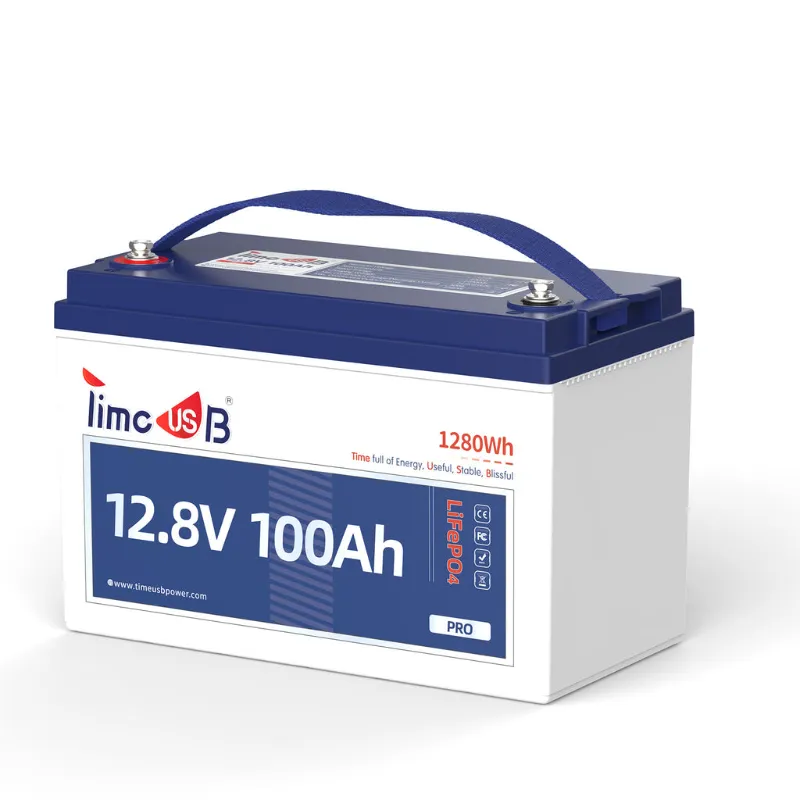
If you own an rv lithium battery or other lithium system, sulfation is not a concern, it only affects lead-acid types. But if you rely on traditional lead-acid or AGM group 24 deep cycle marine batteries, staying on top of charge cycles matters.
Early Signs of Sulfation in Your Battery
Catching sulfation early makes a difference. Watch for these warning signs:
- Battery voltage drops below the normal resting level (below 12.4V for a 12V battery)
- Charge time stretches much longer than usual
- Battery fails to hold a charge even after a full recharge cycle
- Visible white or blue crusty deposits on terminals
- Reduced capacity, your battery drains faster under the same load
If you notice any of these, test the battery with a multimeter. A healthy group 24 deep cycle battery rests at 12.6V or higher with no load. Anything below 12.4V points to sulfation or other damage.
Preventing Sulfation With Proper Charging
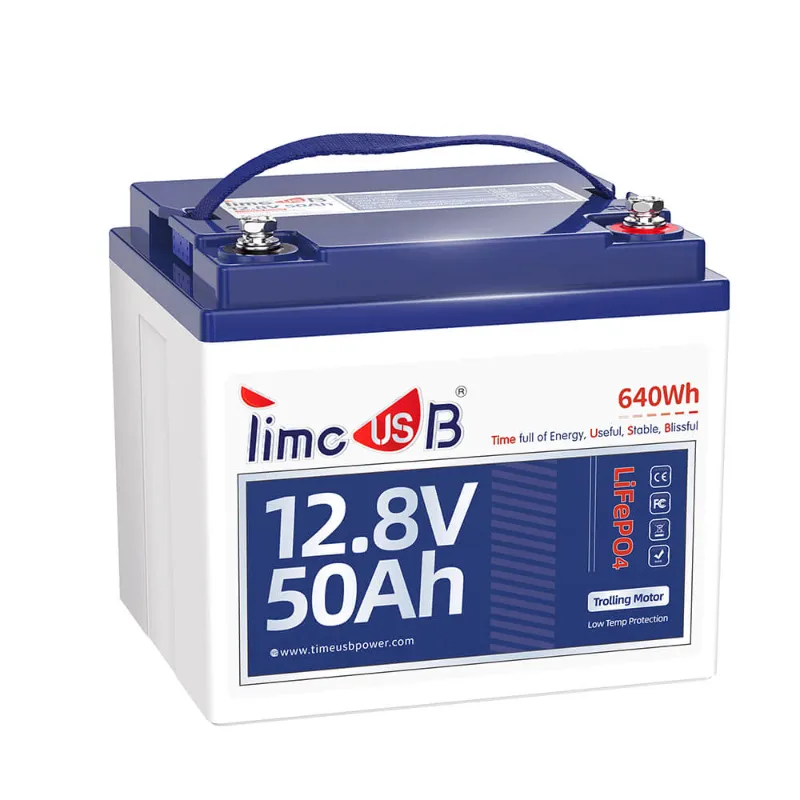
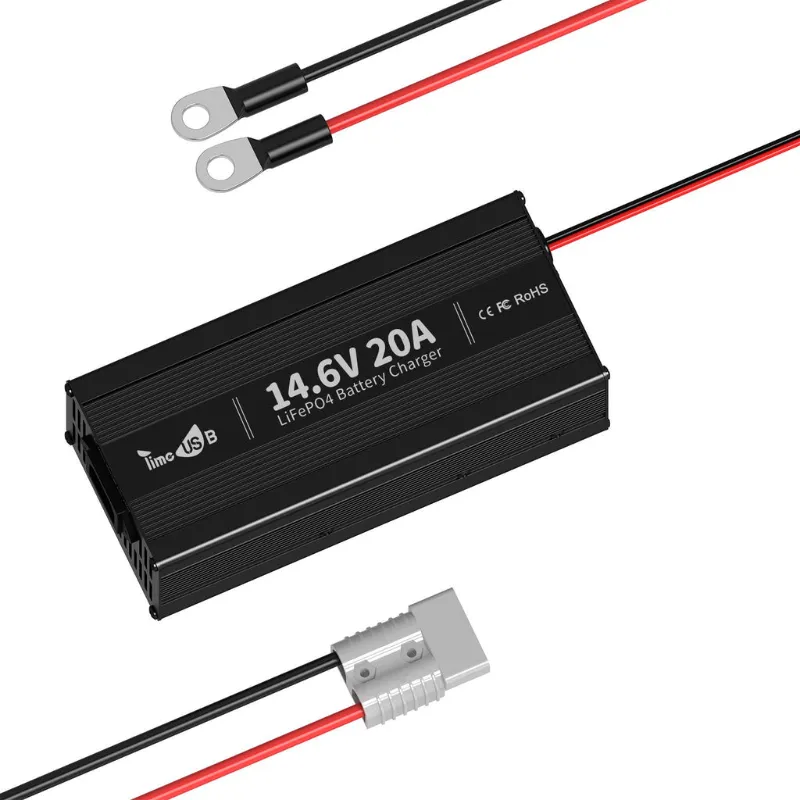
The best defense is a charger designed for your battery type. Lead-acid and AGM batteries need different charge profiles than lithium. If you use lithium batteries like a 12v 50ah lithium ion battery or 50ah lithium battery, invest in a lifepo4 battery charger that matches the chemistry, it prevents overcharge and extends cycle life far beyond what a generic charger does.
For lead-acid group 24 deep cycle batteries:
- Use a charger rated for the battery size and chemistry
- Charge to full capacity (14.2 to 14.7V absorption stage) once per week if the battery sits idle
- Avoid fast-charging unless the charger is designed for it
- Never leave a discharged battery sitting for more than a few days
- If storing long-term, place on a trickle charger or smart maintainer
A smart charger monitors voltage and current, adjusting the charge profile automatically so it stops before overcharging. This is especially important for group 24 deep cycle marine batteries used seasonally.
Desulfation and Recovery Options
If sulfation has already set in, you have a few options depending on severity.
Equalization charging can help with mild sulfation. This is an overcharge cycle that breaks down soft sulfate crystals. Run equalization for 1 to 2 hours on a charger that supports it, but do not do this more than once a month, repeated equalization damages the battery. Check your charger manual; not all are safe for equalization.
Desulfation chargers use pulse or high-frequency currents to try to dissolve hardened sulfate. Results vary; they work best on batteries caught early but may not restore a severely damaged group 24 deep cycle battery to full capacity.
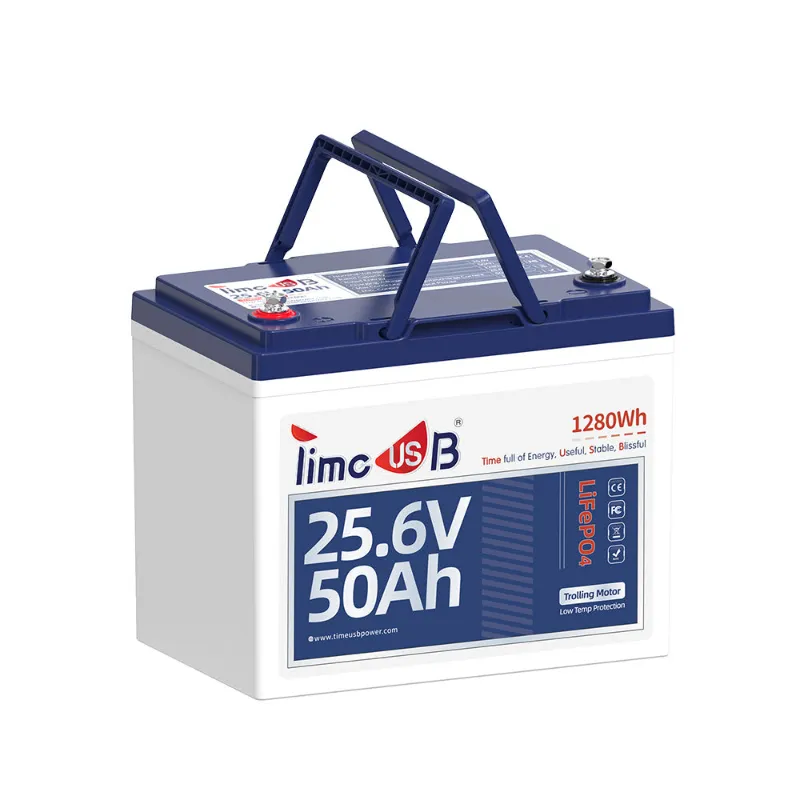
Replacement is often the most practical choice. Modern lithium alternatives like the group 24 deep cycle lithium option or lifepo4 lithium battery models eliminate sulfation entirely, last 2 to 3 times longer, and weigh far less. Grab the code for 5% off sitewide to explore lithium upgrades.
Group 24 Deep Cycle Battery Dimensions and Storage
Proper storage prevents sulfation during off-season. Group 24 batteries measure roughly 10.25″ long × 6.8″ wide × 8.9″ tall (amp hour capacity and chemistry vary, but the footprint stays consistent). Store in a cool, dry location, extreme heat speeds up self-discharge and sulfation.
Before storing:
- Clean terminals and apply dielectric grease to prevent corrosion
- Charge the battery to full capacity
- Disconnect it from the system to prevent parasitic drain
- Place on a maintainer or trickle charger if storage exceeds two months
- Check the charge level every 4 to 6 weeks and top up if voltage drops below 12.4V
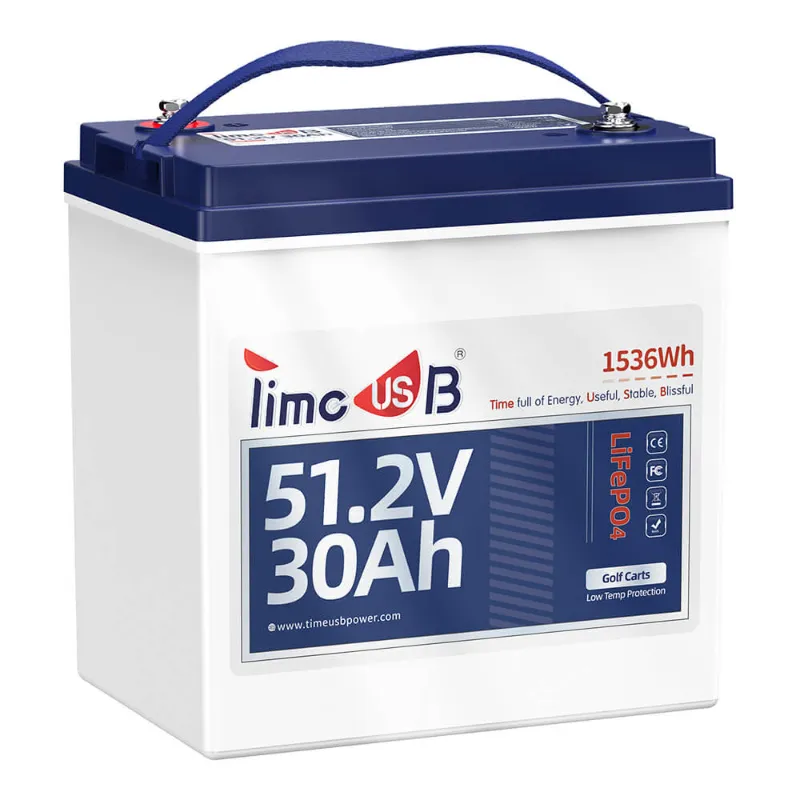
If you store an rv lithium battery, 48v golf cart batteries, or other lithium system, the same principles apply but with less frequent maintenance, lithium cells self-discharge at a fraction the rate of lead-acid.
When to Switch to Lithium for Your Deep Cycle Needs
If sulfation keeps recurring, it may signal that your use case has outgrown lead-acid. Vehicles run hard or stored outdoors for months often benefit from switching to lithium. Compare your options:
| Battery Type | Lifespan | Maintenance | Cost (initial) | Sulfation Risk |
|---|---|---|---|---|
| Group 24 AGM Deep Cycle | 3 to 5 years | Monthly checks, charger dependent | Low | High if neglected |
| Group 24 Lead-Acid | 2 to 3 years | Regular equalization, frequent checks | Very low | High |
| LiFePO4 Lithium | 10+ years | Minimal; smart charger required | Higher | None |
| 12v 50ah lithium ion battery | 10+ years | Minimal | Higher | None |
Lithium models eliminate sulfation, handle discharge cycles better, and deliver power even when partially depleted. The upfront cost is higher, but over a 10-year lifespan, lithium wins on both reliability and total cost of ownership.
Troubleshooting Group 24 Deep Cycle Battery Performance
If your battery is underperforming but does not show obvious sulfation, test these factors:
- Voltage at rest: Should be 12.6V or higher for a 12V battery
- Charger output: Verify the charger is delivering voltage and current (use a multimeter)
- Terminal corrosion: White or blue deposits block current; clean with baking soda and water
- Load test: Try running a known device; if it fails instantly, the battery is likely dead
- Age: Most lead-acid group 24 deep cycle batteries reach end-of-life by year 5 regardless of sulfation
If testing confirms the battery is salvageable, check the latest price on replacement chargers or consider upgrading to a lifepo4 battery charger paired with lithium cells for a sulfation-proof setup.
Sulfation is preventable with consistent charging and proper storage. Stay proactive, and your group 24 deep cycle battery will serve reliably for its full lifespan.
Questions
Can I reverse sulfation in a group 24 deep cycle battery?
Mild sulfation can sometimes be reversed with equalization charging or a dedicated desulfation charger, but results are inconsistent. Severe sulfation usually requires replacement. Prevention through proper charging is far more effective than reversal.
How often should I charge a group 24 deep cycle battery if it sits unused?
If the battery sits idle for more than two months, place it on a trickle charger or smart maintainer. Charge every 4 to 6 weeks if no maintainer is available. This prevents sulfation and self-discharge.
Does a lifepo4 battery charger prevent sulfation better than a standard charger?
A lifepo4 battery charger is designed for lithium chemistry and prevents sulfation only if you use a lithium battery. For lead-acid group 24 deep cycle batteries, use a charger matched to lead-acid or AGM specs to minimize sulfation risk.
What voltage indicates sulfation in my battery?
A healthy 12V battery rests at 12.6V or higher. If your battery consistently reads below 12.4V after a full charge, sulfation is likely, or the battery is nearing end-of-life.
Should I switch to a 50ah lithium battery to avoid sulfation?
If sulfation is recurring, yes, lithium batteries like a 50ah lithium battery eliminate sulfation entirely and last 2 to 3 times longer than lead-acid. The upfront cost is higher, but reliability and lifespan make it worthwhile for frequent use.
How do I store a group 24 deep cycle battery over winter?
Charge it fully, disconnect it from the system, clean the terminals, and place it in a cool, dry location. Put it on a trickle charger or check every 4 to 6 weeks to ensure voltage stays above 12.4V.
Products in this guide
 Shopping at Timeusb? See the discount code
5% OFF Sitewide
Shopping at Timeusb? See the discount code
5% OFF Sitewide
More in this series
RV Lithium Battery Maintenance: Extend Battery Life With These Essential Care Tips28 Aug 20265 minDo LiFePO4 Batteries Really Last Longer Than Lead Acid?28 Aug 20264 min Golf Cart Battery Replacement Guide: When to Upgrade From Lead Acid to LiFePO428 Aug 20265 min
 How to Choose the Right Trolling Motor Battery: 36V vs 12V Performance Compared28 Aug 20266 minLiFePO4 Battery Charger vs Standard Chargers: Why Lithium Needs Different Technology28 Aug 20265 min