 A Knife Pivot Lube guide
How to Remove Rust from Kitchen Knives Without Damaging the Blade
A rust eraser for knives removes surface corrosion quickly, but technique matters to avoid harming your blade's edge and finish.
A rust eraser for knives removes surface corrosion quickly, but technique matters to avoid harming your blade’s edge and finish. Rust forms when moisture contacts steel, and catching it early makes removal easier and safer. We’ll walk you through the best methods, tools, and preventive steps to keep your kitchen knives rust-free.
Why Rust Forms on Kitchen Knives
Moisture is the enemy of steel. When water sits on your blade or humidity lingers after washing, oxidation begins. High-carbon steel is especially prone to rust compared to stainless steel because it lacks the chromium that makes stainless corrosion-resistant. Even small spots can spread if left untreated, weakening the steel near the surface and compromising your knife’s performance over time.
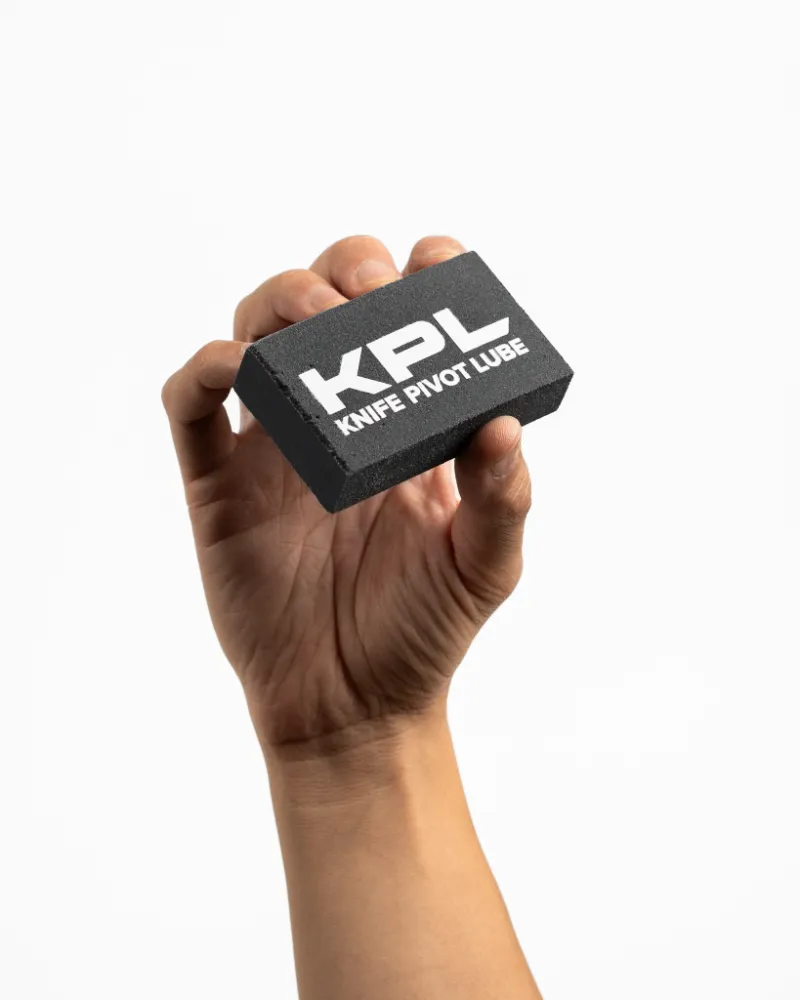
The good news: surface rust is preventable and removable. A rust eraser is one of the fastest ways to restore your blade without grinding away material or using harsh chemicals. The key is catching rust early and using the right technique.
How to Use a Rust Eraser on Your Blade
A rust eraser works like a very fine abrasive eraser. It gently lifts oxidation from the steel surface without excessive pressure. Here’s how to use one safely:
- Wipe your blade clean and dry with a soft cloth first.
- Hold the eraser at a shallow angle (about 15-20 degrees) to the flat of the blade, not the edge.
- Use light, controlled strokes along the length of the blade, moving in one direction.
- Work on one small section at a time. Stop frequently to wipe away rust particles and check progress.
- Never scrub perpendicular to the blade or press hard; this can scratch the finish or round the edge.
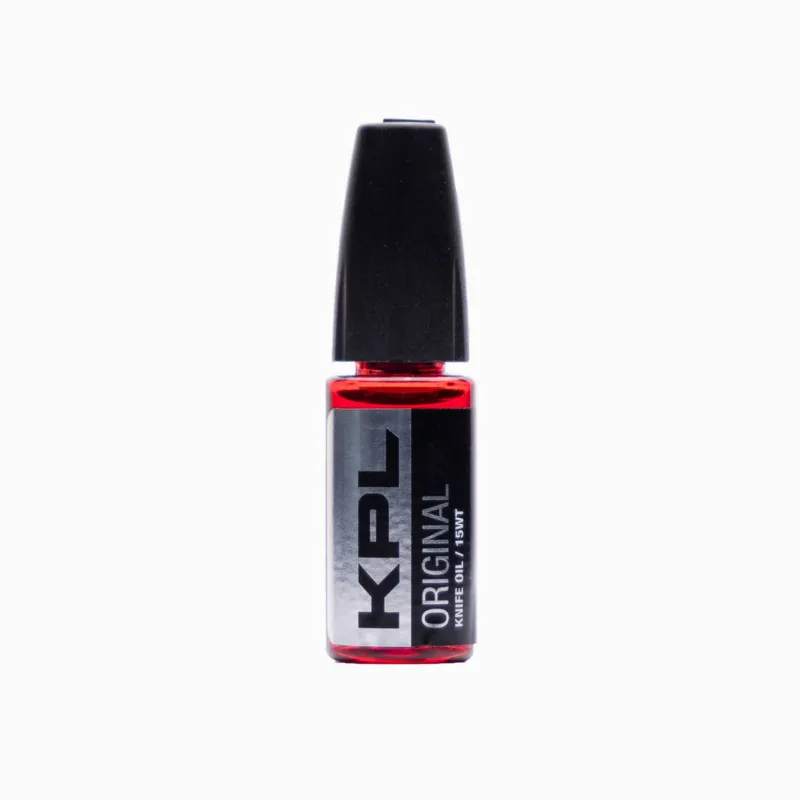
- Once rust is gone, wipe the blade clean and immediately apply oil for knife to prevent moisture from returning.
A rust eraser for knives removes only the rust layer, not the steel underneath, so light pressure is your friend. Most surface rust clears in 2-5 minutes. If rust is deep or pitting has started, you may need professional sharpening or a rust eraser spray formulation for tougher jobs.
Rust Eraser Types: Which One Works Best
Different erasers suit different situations. A traditional block eraser (like those used on Japanese knives) is gentlest and most controlable. Sabitoru rust eraser models are specifically designed for kitchen knives and work on both flat and carbon steel blades. Some users prefer a lodge rust eraser for heavier buildup, though these are thicker and require more caution.
| Eraser Type | Best For | Speed | Control |
|---|---|---|---|
| Block eraser | Light surface rust | Slow | Excellent |
| Japanese eraser | High-carbon steel | Medium | Excellent |
| Spray eraser | Hard-to-reach spots | Fast | Moderate |
For most home cooks, a standard block rust eraser is all you need. Japanese rust eraser options are worth it if you use high-carbon blades regularly. Before using any eraser on a valuable knife, test it on a small inconspicuous area first.
Prevention: The Best Defense Against Rust
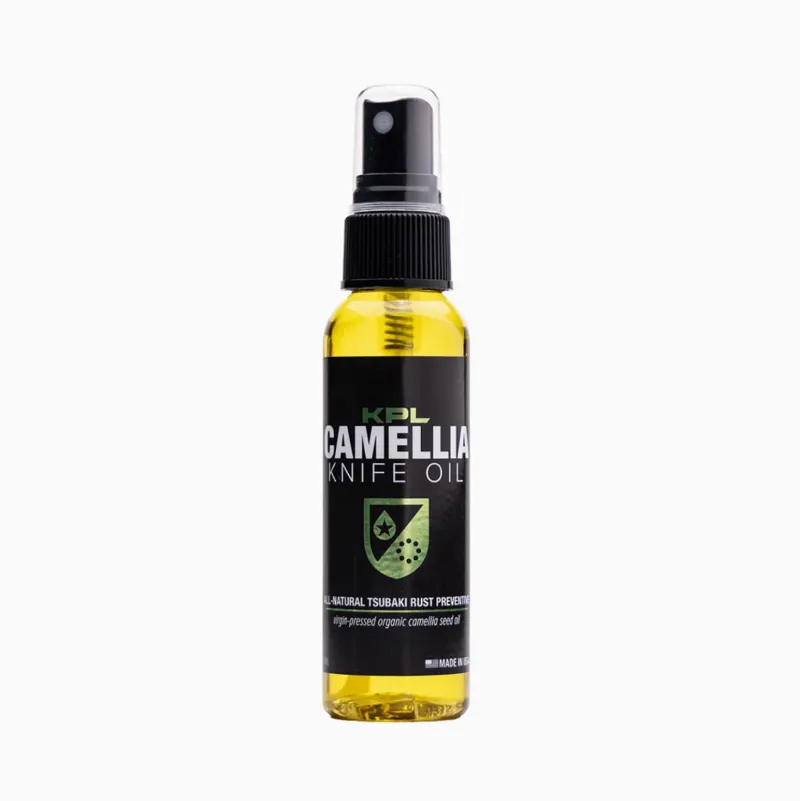
Removing rust is easier than creating it, so prevention saves time and protects your blades long-term. After washing your knife, dry it immediately with a clean cloth. Store knives in a dry place away from humid environments like above the stove or dishwasher. Between uses, apply a thin layer of best knife oil to the blade to create a moisture barrier.
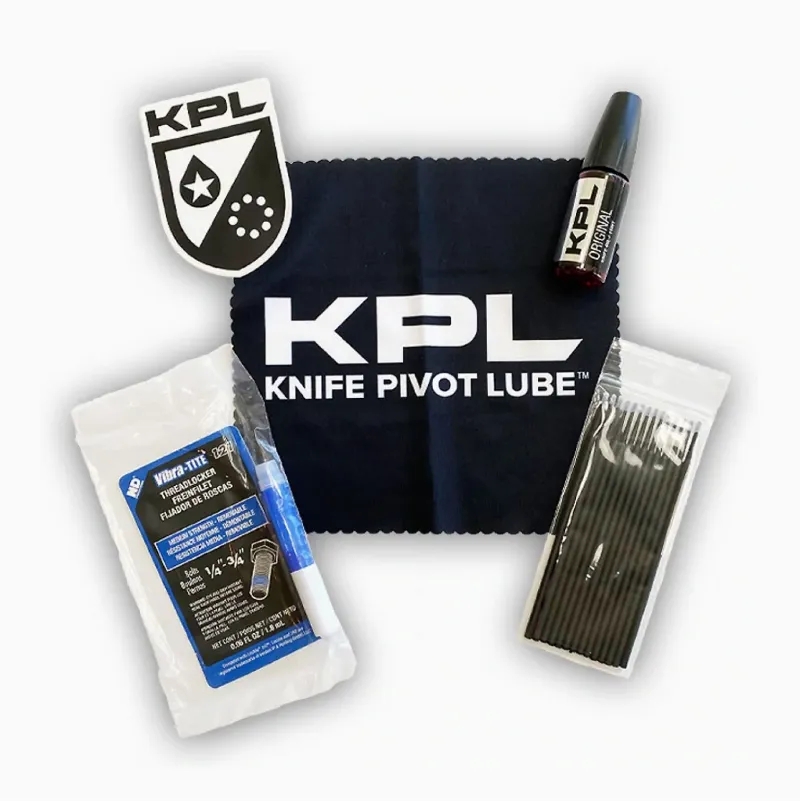
A knife maintenance kit or knife cleaning supplies set often includes oil and a microfiber cloth, making routine care simple. Many of these kits also include a rust eraser so you’re armed for the occasional spot. High-carbon steel knives benefit from monthly oiling, while stainless blades need less frequent care. Store knives separately so blades don’t rub against other utensils or moisture-trapping surfaces.
Choosing the Right Knife Steel to Minimize Rust
The type of steel in your knife affects how often you’ll deal with rust. Best knife steel for home use balances edge retention with corrosion resistance. Stainless steel rusts rarely but dulls faster. High-carbon steel holds an edge longer but requires more maintenance and rust prevention. Semi-stainless blends offer a middle ground.
If you live in a humid climate or can’t commit to frequent oiling, stainless or semi-stainless options reduce frustration. If you prioritize edge performance and enjoy knife care, high-carbon steel with a rust eraser and best knife oil in your routine is rewarding. Either way, check the latest price on quality maintenance products and apply our 10% discount code to your first order.
Building a Knife Care Routine
Rust prevention lives in routine. Wash and dry your knife immediately after use. Once a month (or quarterly if you live somewhere dry), wipe your blade with knife oil and let it sit for a few minutes before buffing dry. If you spot early rust, grab your rust eraser right away, a minute now beats an hour of scrubbing later.
A knife cleaning kit consolidates everything you need into one place. Store it near your knife block so maintenance stays top-of-mind. Many include a maintenance kit checklist or guide to remind you when each step is due. Grab the code to save on your first purchase of knife cleaning supplies and accessories.
Common Mistakes When Using a Rust Eraser
The most common error is pressing too hard. A rust eraser works through friction, not force. Pressing hard doesn’t remove rust faster and can scratch the blade finish or damage the edge. Another mistake is rubbing perpendicular to the blade, always stroke lengthwise to avoid cross-grain marks.
Waiting too long is also risky. As other knife owners have found, deep pitting rust requires more aggressive methods and removes more steel. Spot rust caught within days is reversible with gentle work. Finally, forgetting to oil after erasing leaves your blade vulnerable again. Oil is the final step in every rust-removal session.
When to Call a Professional
Surface rust is a DIY job. Deep pitting, rust that has eaten into the blade visibly, or rust on the edge itself warrants professional attention. A skilled sharpener has finer abrasives and the expertise to restore your blade without compromising its geometry or balance. If your knife is valuable or heirloom-quality, professional restoration is worth the cost.
For daily kitchen knives, a rust eraser for knives, best knife oil, and five minutes a month prevent most problems. Keep a knife cleaning kit handy and you’ll catch any issues early. Take advantage of our 10% OFF discount on knife maintenance supplies: maintenance is cheaper than replacement.
Questions
How often should I use a rust eraser on my knives?
Ideally, you'll rarely need one. Most rust can be prevented with prompt drying and occasional oiling. If rust does appear, catch it early and use the eraser while the spot is small. High-carbon steel users in humid climates may need to erase once or twice a year.
Can a rust eraser for knives damage the blade's edge?
Not if you use it correctly. Always work on the flat of the blade at a shallow angle, never perpendicular to the edge, and use light pressure. Pressing hard or scrubbing the edge directly can round or dull it.
What's the difference between a Japanese rust eraser and a lodge rust eraser?
Japanese erasers are typically softer and finer, designed for delicate high-carbon steel. Lodge-style erasers are thicker and coarser, better for heavy rust or cast iron. For kitchen knives, a Japanese or standard block eraser is gentler and more precise.
Should I oil my knife after using a rust eraser?
Yes, always. After erasing rust and wiping the blade clean, apply a thin coat of knife oil to seal out moisture and prevent new rust from forming immediately.
Can I prevent rust with the right knife oil?
Knife oil creates a moisture barrier that slows rust formation significantly. Regular oiling combined with prompt drying after washing is the most effective rust prevention. No oil is 100% foolproof, but consistent care keeps rust away for years.
Is a rust eraser spray better than a block eraser?
Spray erasers work faster on large areas but offer less control. Block erasers are gentler and let you target specific spots precisely. For kitchen knives, a block eraser is the safer choice unless you're dealing with heavy buildup.
Products in this guide
 Shopping at Knife Pivot Lube? See the discount code
10% OFF All Orders
Shopping at Knife Pivot Lube? See the discount code
10% OFF All Orders