 A Knife Pivot Lube guide
Best Knife Oil for Edge Retention: What It Can and Cannot Do
Knife oil protects your blades from rust and keeps edges sharp, and the right formula makes all the difference between a pristine blade and one that degrades.
The best knife oil for edge retention is a thin, purpose-made blade oil that you actually apply regularly, because oil protects an edge by keeping rust off it, not by making the steel harder. Rust forms first at the thinnest part of the blade, the edge, so a blade that stays dry and coated keeps its sharpness longer between sharpenings. How long an edge lasts in use still depends mostly on the steel and how you sharpen it. Below we cover what knife oil does, which type suits which knife, and how to apply it.
What knife oil does for edge retention
Steel reacts with moisture and oxygen. On a knife, that shows up as spots of surface rust, and on the fine edge even a little corrosion eats into the apex and leaves it rough or dull. Over time it can pit the blade. A light coat of oil keeps water off the steel, which is the main way it helps an edge last.
On folding knives, oil does a second job at the pivot: it lets the blade open and close smoothly and keeps grit from grinding the washers. A good blade oil stays where you put it and does not turn sticky or collect dust, which is where general-purpose household oils can fall short.
What oil cannot do is change how hard the steel is or replace sharpening. If your edge rolls or chips quickly in normal use, look at the steel type, the sharpening angle and your cutting board before you look at oil.
Choosing the best knife oil
Blade oils fall into a few broad types. This is how they generally compare:
| Oil type | Best for | Things to know |
|---|---|---|
| Purpose-made blade and pivot oil | Pocket knives and folders | Thin, made to cling to steel and keep pivots smooth |
| Food-safe mineral oil | Kitchen knives and wooden handles | Safe for food contact, needs reapplying more often |
| Thick protectant or wax | Long-term storage | Strong barrier, but wipe it off before use |
| Household cooking oils | Not recommended | Can turn rancid and sticky over time |
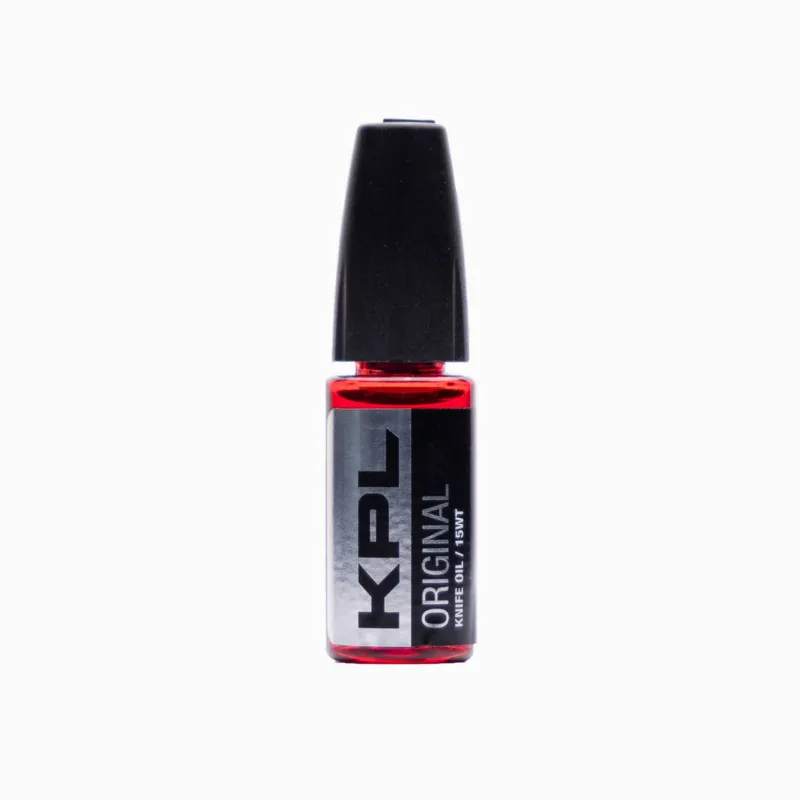
For everyday carry knives, a dedicated knife oil such as KPL Original is the kind of product built for pivots and blades. For kitchen knives, check whether an oil for knives is labeled food-safe before it goes near a food-contact surface. If the label does not say so, use it only on the spine, bolster and non-food parts.
How to apply knife oil correctly
A thin, even coat is all you need. Too much attracts lint and dust, and too little leaves bare patches.
- Clean the blade and dry it completely.
- Put a drop or two on a soft cloth, not straight onto the blade.
- Wipe a light layer over both sides of the blade, including the edge on a pocket knife.
- For folders, add a small drop at the pivot and work the blade open and closed a few times.
- Wipe off any excess so the surface looks barely damp, not wet.
- Store the knife somewhere dry.
For kitchen knives, use only a food-safe oil on the blade, or oil the spine and handle and wash and dry the blade before it touches food.
Knife oil to prevent rust in storage
Knives stored for weeks or months are at more risk, especially in humid climates, near the sea or in unheated garages and sheds. Before storage:
- Clean the blade with mild soap and water to remove salt, food and fingerprints, which trap moisture.
- Dry it fully, including around the pivot and handle.
- Apply a protective coat of oil and store the knife out of its leather sheath, since leather can hold moisture against the steel.
- Check it from time to time and re-oil if the coat has worn off.
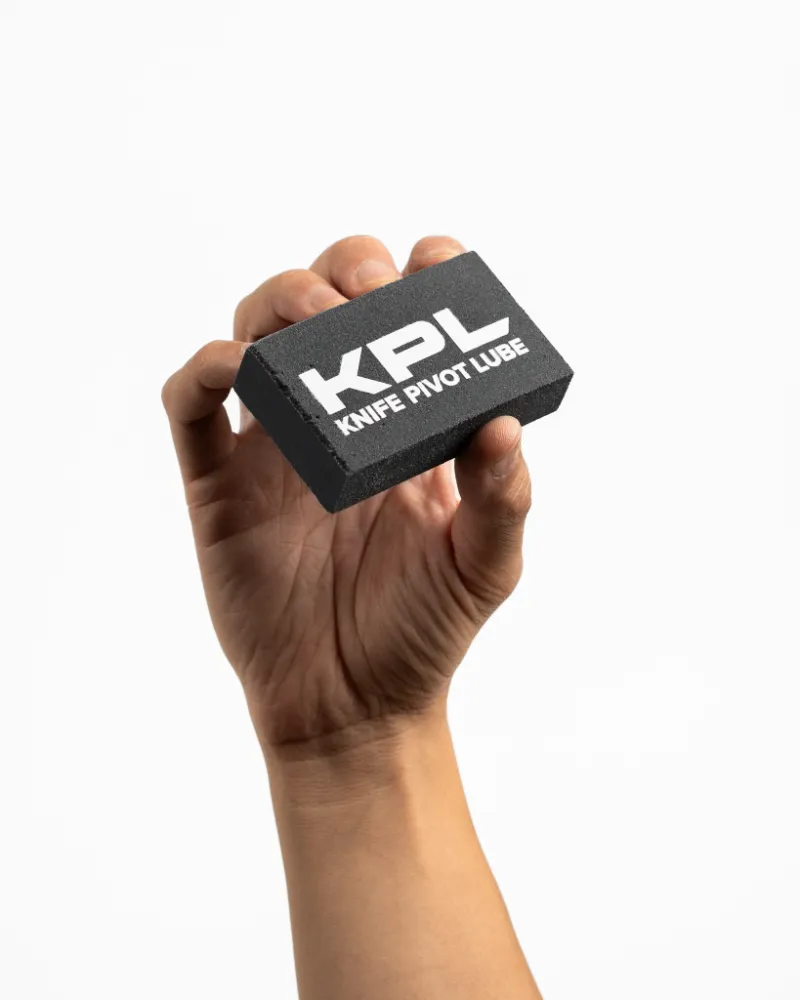
If you spot light surface rust, a rust eraser can lift it. The sabitori-style rust eraser for knives is a rubber block with fine abrasive, so rub gently and test on a small area first, especially on polished or coated blades. Clean and oil the blade afterwards.
Kitchen knife oil vs pocket knife oil
The two jobs are different. Kitchen knives are washed often and touch food, so food safety comes first and the oil should leave no residue. Many cooks simply wash, dry and wipe on a little food-safe mineral oil, especially on carbon steel knives that rust easily.
Pocket knives spend their time in pockets and bags, collect lint and dust, and rely on a smooth pivot. A thin, clinging blade oil suits them better, and it should not gum up in the pivot.
If you want to read how other knife owners approach it, there are long discussions on what makes a good all-around oil for knives and on whether olive oil works for knife maintenance. Opinions vary with climate and knife type.
Building a simple knife care routine
- Wipe the blade after use, and wash and dry kitchen knives straight away.
- Oil folders and carbon steel blades regularly, more often in humid weather or after contact with water or salt.
- Check for spots of rust and deal with them early, before they pit the steel.
- Keep the edge maintained with a hone or sharpener, since oil protects an edge but does not restore one.
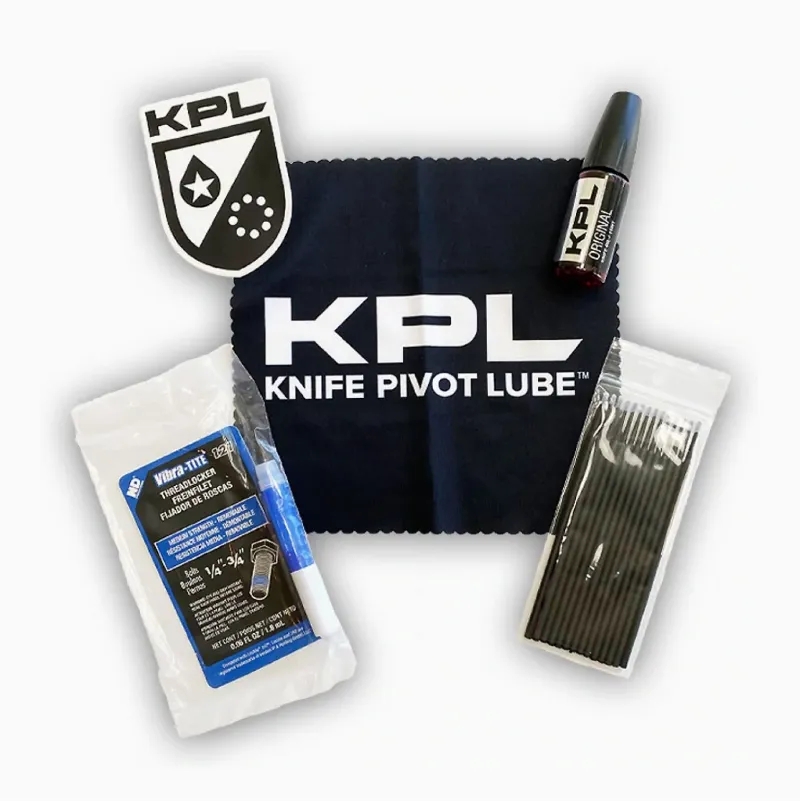
A knife maintenance kit puts oil and cleaning items in one place, which makes a routine easier to keep. The same knife cleaning kit covers the knife cleaning supplies most people need for regular care.
Getting started with the right knife oil
Start with one purpose-made blade oil for your pocket knives and one food-safe oil for your kitchen, and use them consistently. Regular, light application does more for rust and edge life than switching between products. When you are ready to stock up, see the current Knife Pivot Lube discount code.
Questions
What is the best knife oil for edge retention?
A thin, purpose-made blade oil that you apply regularly. Oil helps an edge last by keeping rust off the thin apex. It does not harden the steel, so edge life still depends mostly on the steel and your sharpening.
What oil is safe for kitchen knives?
Use an oil labeled food-safe, such as food-grade mineral oil, on any surface that touches food. If a blade oil does not say it is food-safe, keep it to the spine and handle, and wash the blade before use.
How often should I apply knife oil to prevent rust?
It depends on your climate and how you use the knife. Oil more often in humid weather, near the sea, or after the blade gets wet or salty. A light coat before storage is always a good idea.
Can I use cooking oil on my knives?
It is better not to. Cooking oils like olive or vegetable oil can turn rancid and sticky over time. Use food-grade mineral oil for kitchen knives and a purpose-made oil for pocket knives.
What should I do if my knife has surface rust?
Remove light rust with a rust eraser, rubbing gently and testing a small area first. Then clean the blade, dry it fully and apply a fresh coat of oil.
How do I know if I am using too much knife oil?
If oil drips, pools or leaves the handle slick, you have used too much. The blade should look barely damp. Wipe off any excess with a clean cloth.
Products in this guide
Shopping at Knife Pivot Lube? See the discount code
10% OFF All Orders
More in this series
Knife Steel Types and How to Care for Each One26 Aug 20264 minDoes Your Knife Need Sharpening or Just Proper Lubrication?26 Aug 20265 minComplete Guide to Knife Maintenance: Cleaning, Oiling, and Storage26 Aug 20264 minHow to Remove Rust from Kitchen Knives Without Damaging the Blade26 Aug 20265 min