 A Knife Pivot Lube guide
Does Your Knife Need Sharpening or Just Proper Lubrication?
Most knife owners confuse dullness with poor maintenance, but the best knife steel stays sharper longer with proper lubrication and care rather than constant sharpening.
Most knife owners confuse dullness with poor maintenance, but the best knife steel stays sharper longer with proper lubrication and care rather than constant sharpening. Understanding the difference between a blade that truly needs sharpening and one that just needs lubrication can extend your knife’s lifespan and save you time at the whetstone. We’ll walk you through how to diagnose what your knife actually needs and the maintenance routine that keeps best knife steel performing.
Does Your Knife Need Sharpening or Just Better Lubrication?
The paper test is your quickest diagnostic. Hold a sheet of paper vertically and try to slice it with a single downward motion. If your blade cleanly cuts the paper, it’s sharp. If it crumples, tears, or requires multiple passes, sharpening is due. However, before you reach for the stone, check whether lubrication might be the culprit.
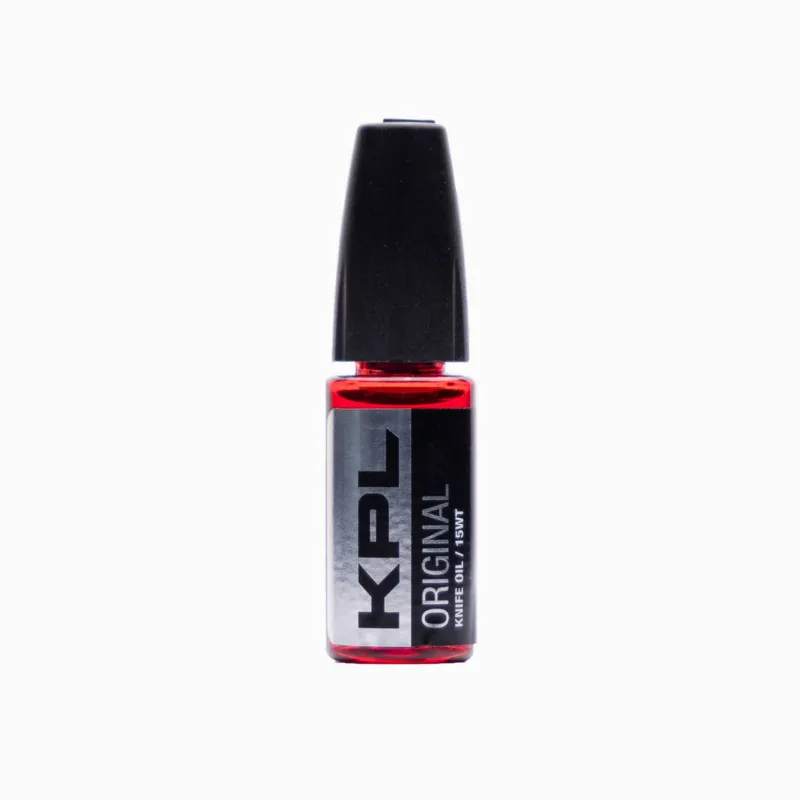
When best knife steel performs poorly, it’s often because friction and oxidation are affecting blade contact, not because the edge itself is dull. A pivot joint clogged with debris, dried lubricant, or early rust can cause the blade to bind or slide instead of cut cleanly. Knife oil refreshes the pivot and reduces resistance, which can restore cutting performance without sharpening.
Run your finger gently along the spine of the blade to feel for roughness or corrosion spots. Light surface rust or mineral buildup interferes with the blade’s glide through material. A rust eraser removes these micro-obstacles quickly, and often the blade cuts smoothly again once the path is clear.
If the paper still tears after oiling and cleaning, your edge is genuinely dull. Sharpening is the next step. But if lubrication and a cleaning restore performance, you’ve just learned that maintenance prevented unnecessary sharpening.
The Role of Quality Knife Oil in Maintenance
Knife oil is not a performance enhancer for the edge itself. It’s a protectant and a friction reducer for the pivot, spring, and surrounding hardware. The best knife oil is lightweight enough to penetrate tight spaces but viscous enough to stay put and resist drying out or washing away.
When you oil the pivot regularly, you prevent the blade from sticking mid-open or mid-close, which can cause uneven contact and poor cutting angles. You also block moisture from reaching the pin and spring, which slows rust and corrosion. For best knife steel, especially high-carbon or stainless-carbon blends that are prone to discoloration, regular oiling is preventive maintenance that keeps the blade looking and performing new.
Apply oil for knife every few weeks if you use your knife daily, or monthly if it’s occasional carry. A single drop at the pivot is enough. Wipe excess to avoid attracting debris.
Cleaning Your Knife: The Foundation of Sharp Performance
Before you decide whether sharpening or lubrication is needed, clean the blade thoroughly. Debris, dried oils, and oxidation mask the true sharpness of best knife steel.
- Wipe the blade with a soft cloth to remove dust and surface grime.
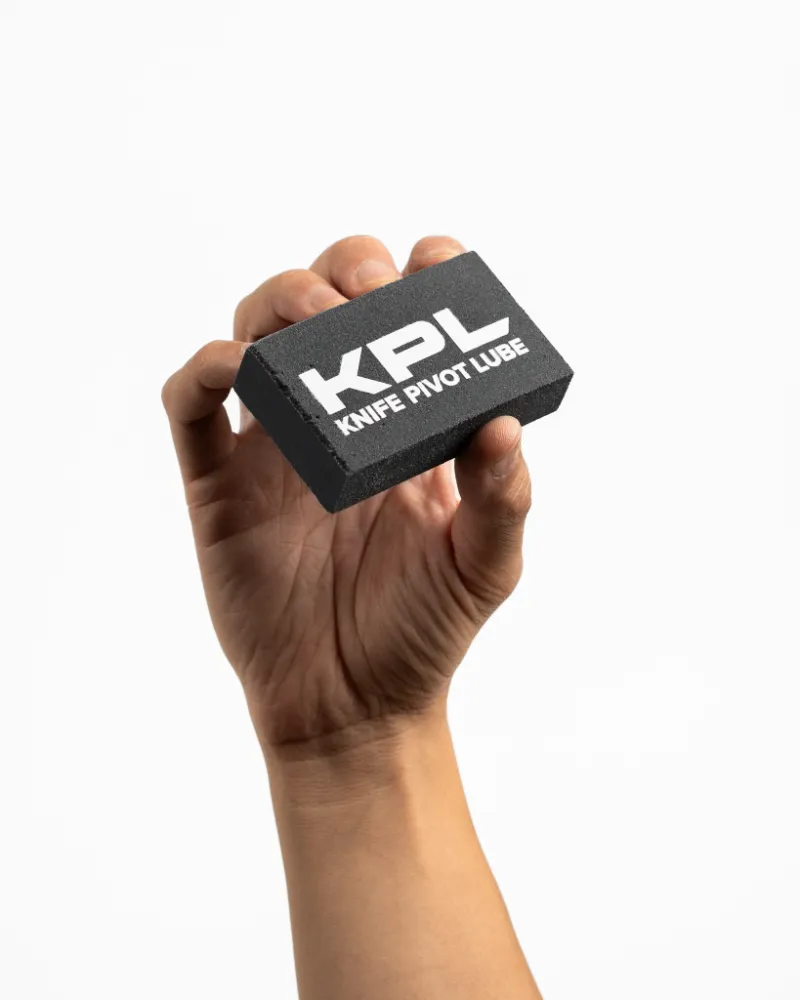
- For stubborn mineral deposits or early rust spots, use a rust eraser for knives with gentle circular motions.
- Rinse under warm water if needed and dry immediately.
- Clean the pivot, spring, and blade spine with a small brush or old toothbrush to dislodge packed dirt.
A knife cleaning kit bundles these basics into one package, making it easy to maintain your blade weekly. For routine care, knife cleaning supplies like microfiber cloths and small brass brushes are all you really need.
When Sharpening Is Your Best Investment
Sharpening becomes necessary when cleaning and lubrication no longer restore edge performance. A truly dull blade has lost its geometric angle and micro-serrations through use. This is normal wear, not a sign of poor maintenance.
The frequency depends on how hard best knife steel is working. Daily kitchen or utility use may need sharpening every month or two. Occasional carry might go six months to a year. High-carbon steels and softer alloys dull faster than premium stainless blends, so check your blade material if you’re uncertain.
When you do sharpen, start with a coarser stone to reshape the edge angle, then finish with a finer stone for polish. A professional sharpening service is an option if you’re unsure of your technique, but a simple home stone or ceramic rod handles most edges well.
The Maintenance Kit Approach: Staying Ahead
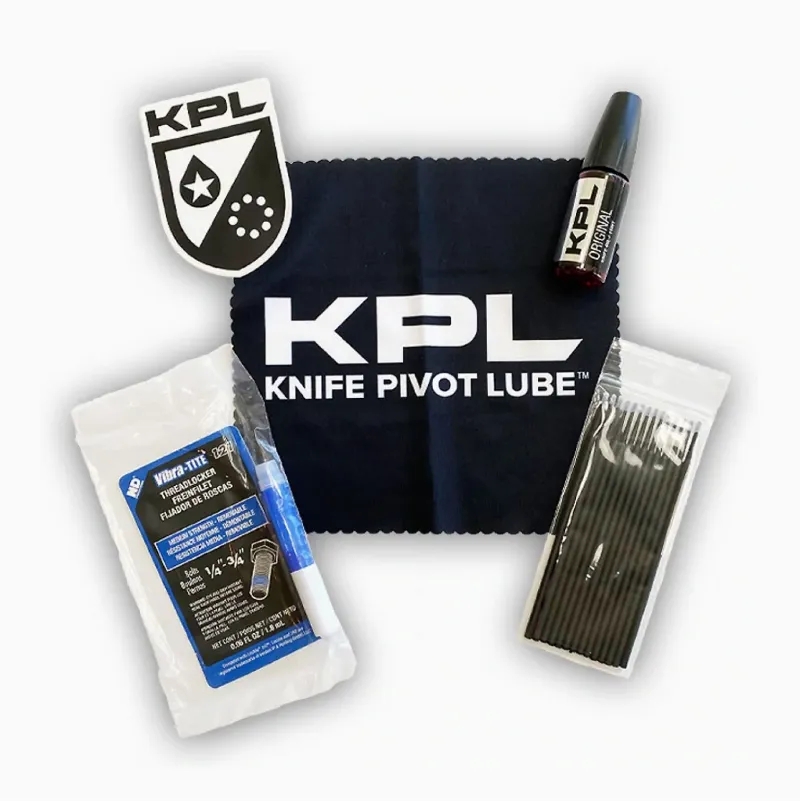
The most reliable way to know when sharpening is truly needed is to establish a maintenance routine now. A knife maintenance kit typically includes oil for knife, a cleaning cloth, a small brush, and sometimes a honing rod or steel. This toolkit lets you refresh your blade weekly so you catch dullness early rather than waiting until the blade fails the paper test.
Between maintenance sessions, your blade stays lubricated, clean, and free of rust. When you do eventually sharpen, the edge holds longer because you’ve been minimizing stress and oxidation all along. Grab the code for 10% off all orders and stock up on the maintenance supplies your best knife steel deserves.
Best Knife Steel Steels and Their Maintenance Needs
Not all blade materials react the same way to lubrication and rust. High-carbon steels like 1095 or O1 hold an edge longer but rust faster if neglected. Stainless options like 420HC or VG10 resist corrosion but may dull slightly quicker with heavy use. Understanding your steel type helps you choose the right maintenance schedule.
For a deeper dive on steel types and their properties, the Guide to the Best Knife Steel and Knife Steels Rated by a Metallurgist offer detailed breakdowns of toughness, edge retention, and corrosion resistance.
| Steel Type | Edge Retention | Corrosion Resistance | Maintenance |
|---|---|---|---|
| High-Carbon (1095, O1) | Excellent | Low | Oil regularly, dry after use |
| Stainless-Carbon Blend (420HC) | Good | High | Oil monthly, less urgent |
| Premium Stainless (VG10) | Good | Excellent | Oil monthly, easiest care |
Bringing It All Together
Your knife doesn’t always need sharpening just because it feels dull. Lubrication, cleaning, and rust prevention often restore performance faster and easier than reaching for a stone. Start with the paper test to confirm the edge is actually blunt, then clean and oil before sharpening. Use a knife maintenance kit or knife cleaning supplies weekly to catch rust and debris early. When sharpening does become necessary, you’ll know it’s genuine wear, not neglect. Check the latest price on our store for everything you need to keep best knife steel in top shape.
Questions
How often should I oil my best knife steel?
Apply knife oil to the pivot every few weeks if you use your knife daily, or monthly for occasional carry. A single drop at the pivot is all you need, then wipe away excess.
Can lubrication alone sharpen a dull knife?
No. Lubrication can restore performance if friction or rust was the real problem, but it cannot resharpen a truly worn edge. Use the paper test to tell the difference.
What's the best way to tell if my knife needs sharpening?
Try the paper test: hold a sheet vertically and slice downward. If the blade cleanly cuts through, it's sharp. If it crumples or tears, sharpening is due.
Should I use a knife maintenance kit or buy supplies separately?
A kit bundles everything in one purchase and is convenient if you're new to knife care. Individual supplies offer more flexibility if you already own some items or have specific preferences.
Does high-carbon steel need more maintenance than stainless?
Yes. High-carbon steels like 1095 rust faster if neglected and need regular oiling and drying. Stainless options are more forgiving but still benefit from periodic lubrication to prevent pivot issues.
When should I use a rust eraser on my knife?
Use it whenever you spot light rust spots or mineral deposits on the blade. Gentle circular motions remove these before they deepen. A rust eraser for knives is faster than scrubbing and gentler on the steel.
Products in this guide
Shopping at Knife Pivot Lube? See the discount code
10% OFF All Orders
More in this series
Knife Steel Types and How to Care for Each One26 Aug 20264 minComplete Guide to Knife Maintenance: Cleaning, Oiling, and Storage26 Aug 20264 minBest Knife Oil for Edge Retention: What It Can and Cannot Do26 Aug 20264 minHow to Remove Rust from Kitchen Knives Without Damaging the Blade26 Aug 20265 min