 A Knife Pivot Lube guide
Complete Guide to Knife Maintenance: Cleaning, Oiling, and Storage
A proper knife cleaning kit keeps your blades sharp, rust-free, and ready for years of use.
A proper knife cleaning kit keeps your blades sharp, rust-free, and ready for years of use. Regular maintenance prevents corrosion, extends blade life, and protects your investment. We’ll walk you through every step of maintaining knives, from choosing the right tools to establishing a routine that works.
What Goes Into a Quality Knife Cleaning Kit
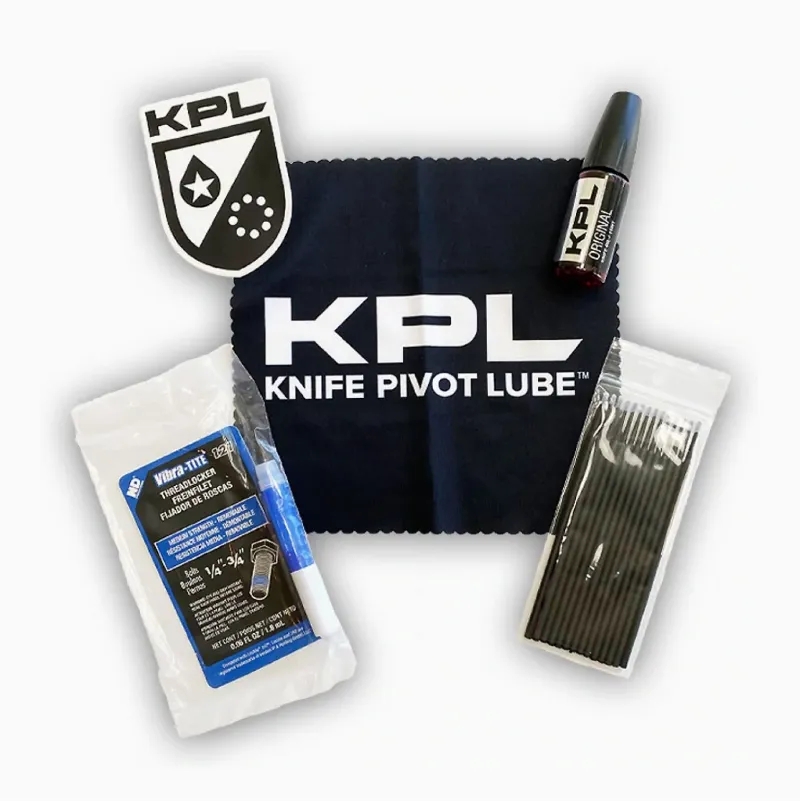
A knife cleaning kit should combine targeted tools for different maintenance needs. The essentials include a knife cleaning kit that bundles the basics, knife cleaning supplies for routine care, a rust eraser for oxidation spots, and best knife oil to protect the blade and handle.
For serious enthusiasts, a knife maintenance kit often adds specialized items like micro-fiber cloths, cotton swabs, and precision tools. Each component addresses a specific part of knife care. Start with a pre-assembled kit, then customize based on your knife types and usage patterns.
Choosing the Right Oil for Your Knives
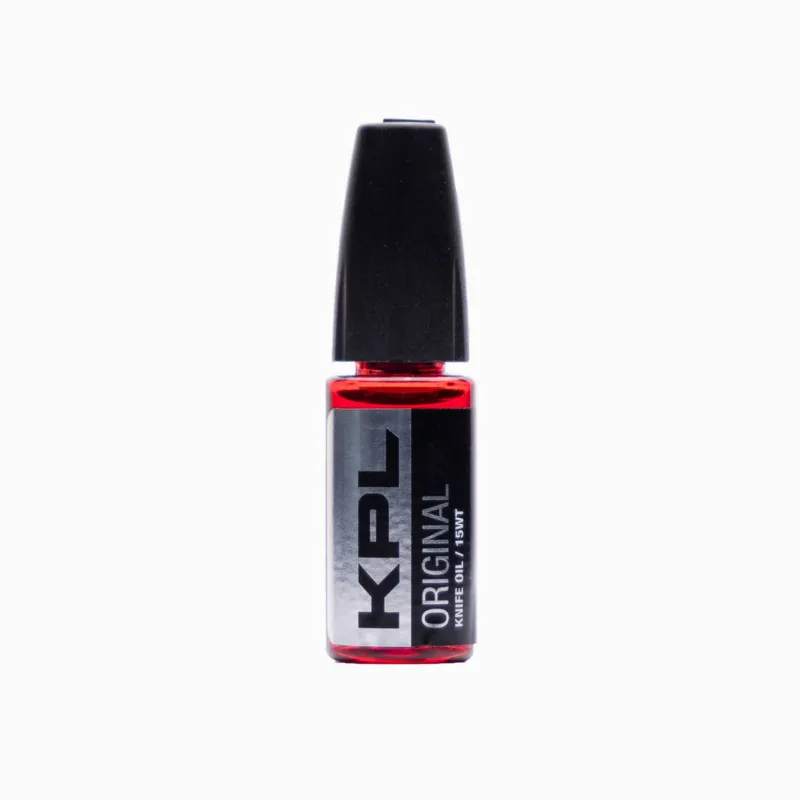
The right oil for knife maintenance makes a measurable difference in blade protection. Food-grade mineral oil works for kitchen knives, while machine oils handle tactical or outdoor blades better. Knife oil designed for blade care penetrates without attracting dirt and won’t go rancid.
Apply oil sparingly to pivot points, hinges, and the blade flat. Let it sit for a few minutes, then wipe away excess with a clean cloth. A light coat every few weeks keeps corrosion at bay and maintains smooth action. For pocket knife care, this step prevents rust and stiffness that comes from storage.
Grab the code to save 10% on your oil and cleaning supplies order.
Removing Rust and Oxidation Spots
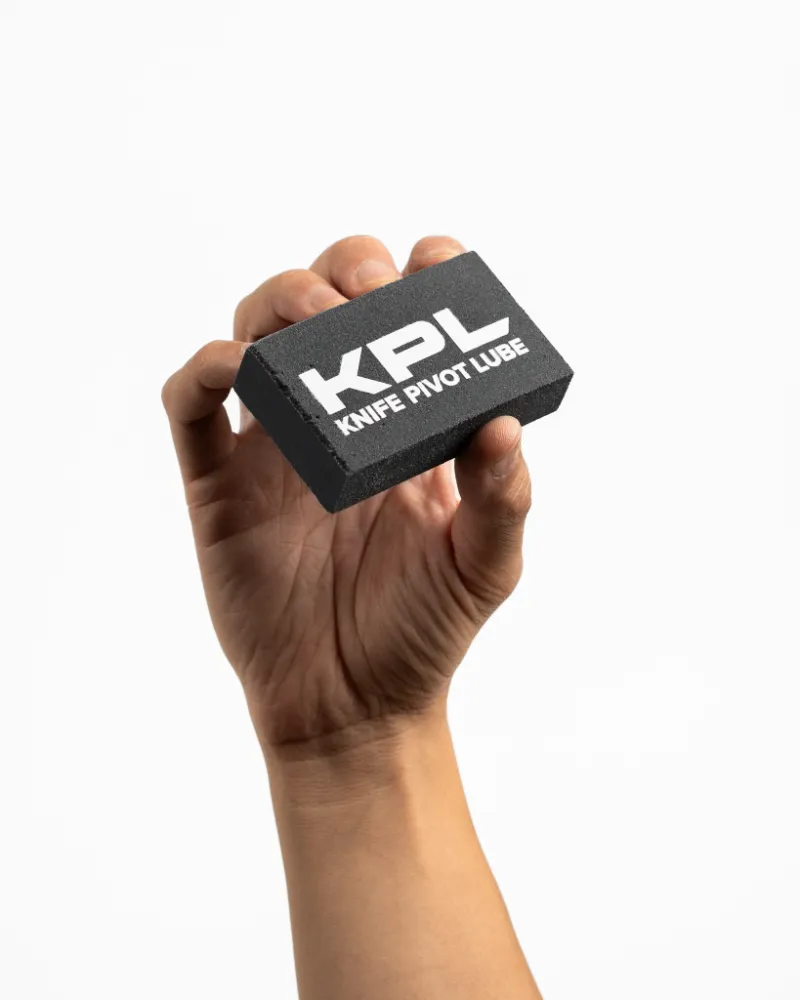
Even well-maintained blades can develop surface rust or discoloration over time. A rust eraser removes these marks without damaging the steel. Rust eraser for knives works by gently abrading the oxidized layer, restoring shine without aggressive scrubbing.
For light spots, dampen the eraser and rub gently across the affected area in the direction of the blade grain. For stubborn oxidation, apply light pressure in small circular motions. Rinse and dry immediately after. This process works on most blade materials, including high-carbon and stainless steel, and is a core function in any pocket knife cleaning kit.
Understanding Knife Steel and Its Care Requirements
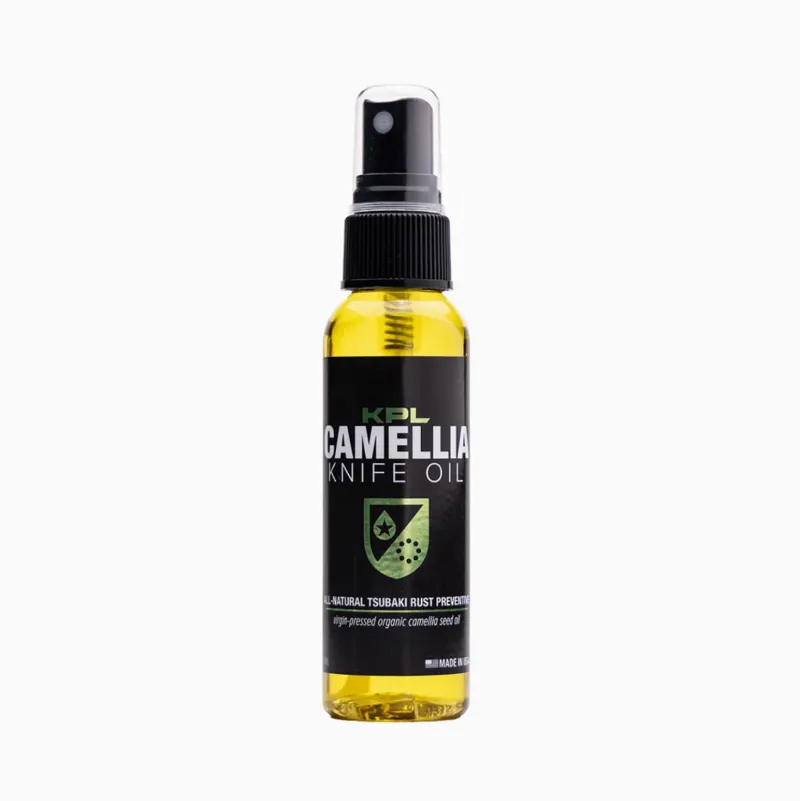
Different knife steels demand slightly different care approaches. Best knife steel for outdoor or professional use often runs high-carbon, which offers edge retention but requires more frequent maintenance. Stainless blades resist rust naturally but still benefit from regular oiling to prevent corrosion in the handle or pivot.
Carbon steel knives demand drier storage and more frequent oil applications. Stainless options are more forgiving but still degrade without attention. Your knife’s material should guide your cleaning kit choices. High-carbon blades, for instance, pair well with a dedicated rust eraser and heavier protective oils.
Building Your Pocket Knife Cleaning Kit Routine
Pocket knife cleaning kit routines differ from kitchen setups because storage is tighter and exposure risks are higher. After each use, wipe the blade and handle with a dry cloth to remove dirt and moisture. Monthly, apply a thin layer of best knife oil to all moving parts and the blade.
Quarterly, disassemble if your knife design allows it, clean away any lint or grit caught in the pivot area, and reassemble with fresh oil. Keep your knife maintenance kit in your bag or desk so cleaning supplies are always handy. A quick wipe takes 30 seconds and extends blade life by years.
Storage and Long-Term Protection
Where you store your knives matters as much as how you maintain them. Keep blades in a dry place away from humidity. Moisture accelerates rust and corrosion, especially on high-carbon steel. If you live in a humid climate, add a light coat of oil before storage and store your knife in a breathable sheath or case.
For kitchen knives, a block or magnetic strip works well. For pocket knives, a dedicated case or pouch prevents blade damage and corrosion. Before long-term storage, clean the blade thoroughly, apply a protective coat of knife oil, and wipe away excess. This barrier protects against environmental moisture.
Check the latest price on cleaning kits and oils with our current discount code.
Comparing Maintenance Kit Options
| Kit Type | Best For | Includes | Storage |
|---|---|---|---|
| Basic knife cleaning kit | Everyday use, kitchen knives | Cloth, basic oil, cloth pouch | Compact, drawer-friendly |
| Pocket knife cleaning kit | On-the-go maintenance, EDC | Micro tools, compact oil, pouch | Fits in bag or pocket |
| Wiha knife maintenance kit | Professional, precision work | Specialized tools, multiple oils | Larger case with compartments |
| Complete maintenance kit | All blade types, long-term care | Rust eraser, oils, tools, case | Dedicated storage box |
For more context on what professional maintenance looks like, review this guide on How to Assemble a Knife Maintenance Kit.
When to Replace Your Cleaning Kit
Cloths fray and absorb less over time, erasers wear down, and oils eventually go rancid. Replace cloths when they no longer absorb moisture effectively. Rust erasers last longer but eventually flatten to uselessness. Oil keeps longest if stored in a cool, dark place, but check for discoloration or off smells before use.
A complete refresh every 2-3 years keeps your routine effective. If you maintain multiple knives heavily, replace supplies annually. Damaged erasers and worn cloths leave behind fibers on your blade, so freshness matters. A replacement knife cleaning supplies pack costs far less than repairing neglected blades.
For real-world perspectives on what others use, the knife community discusses this regularly in this forum thread on cleaning kits.
Regular maintenance transforms knife ownership from a one-time purchase into years of reliable performance. Build the habit, stock your knife cleaning kit, and your blades will stay sharp, rust-free, and ready whenever you need them.
Questions
What should I look for in a knife cleaning kit?
Look for a kit that includes quality oil, cleaning cloths, and a rust eraser or polishing tool. The best kits offer tools sized for your knife types, whether pocket knives or kitchen blades, and come in durable storage that keeps everything organized and accessible.
How often should I oil my knives?
For regularly used knives, apply oil every 2-4 weeks. Pocket knives used daily benefit from a quick oil application every few weeks, while kitchen knives stored indoors need maintenance monthly. In humid climates, increase frequency to protect against corrosion.
Can I use regular household oil in my knife cleaning kit?
Avoid motor oil or cooking oil; use food-grade mineral oil for kitchen blades or machine oil formulated for blade care. Dedicated knife oil won't go rancid, won't attract dirt, and provides consistent protection without attracting contamination.
What's the best way to remove rust with a rust eraser?
Dampen the eraser slightly and rub gently in the direction of the blade grain, using light to moderate pressure. Rinse and dry the blade immediately after. For deep rust, apply more pressure in small circular motions, but avoid aggressive scrubbing that damages the steel.
Is a pocket knife cleaning kit different from a regular knife maintenance kit?
Yes. Pocket knife cleaning kits are compact, often include smaller tools and micro-fiber cloths, and fit in bags or pouches for on-the-go maintenance. Full maintenance kits include larger tools and more supplies, designed for workshop or kitchen use.
How long does a knife cleaning kit last?
A quality kit lasts 2-3 years with regular use. Cloths fray and oils may separate over time. Replace supplies when cloths no longer absorb effectively or erasers wear flat. Storing supplies in a cool, dry place extends their lifespan significantly.
Products in this guide
Shopping at Knife Pivot Lube? See the discount code
10% OFF All Orders