 A Knife Pivot Lube guide
Knife Steel Types and How to Care for Each One
The best knife steel balances edge retention, corrosion resistance, and ease of maintenance based on your specific cutting needs and climate.
Understanding the Best Knife Steel for Your Needs
The best knife steel isn’t one-size-fits-all. It depends on what you’re cutting, where you live, and how much maintenance you’re willing to do. Some steels hold an edge for months; others rust if you look at them wrong. Understanding the trade-offs between hardness, edge retention, corrosion resistance, and ease of sharpening helps you pick the right blade and care for it properly.
Stainless Steel vs. Carbon Steel: The Core Difference
Stainless steel resists rust because it contains chromium, which creates a protective oxide layer. Carbon steel holds a sharper edge longer and sharpens more easily, but it corrodes faster without care. Neither is objectively “better”, stainless suits kitchen work and humid climates; carbon excels for serious outdoor use when you maintain it.
Most modern kitchen knives blend both: they’re stainless with enough carbon for edge retention. High-carbon stainless offers a middle ground. The trade-off is that adding chromium slightly reduces how sharp the edge can get and how long it lasts between sharpenings.
Why Hardness Matters (And Why It’s Not Everything)
Hardness is measured on the Rockwell scale (HRC). Higher numbers mean the edge lasts longer but becomes more fragile, it chips more easily if you hit bone or twist the blade. Lower hardness means you sharpen more often but the knife survives rough treatment.
Most quality kitchen knives sit between 57 to 62 HRC. Outdoor or survival knives often run 54 to 58 HRC for toughness. Specialty blades like Japanese gyutos can exceed 64 HRC, delivering exceptional edge retention at the cost of brittleness. Your technique, cutting surface, and maintenance routine matter as much as the number itself.
Common Best Knife Steel Options Explained
| Steel Type | Edge Retention | Corrosion Resistance | Sharpening Ease | Best For |
|---|---|---|---|---|
| 440C Stainless | Moderate | Excellent | Easy | Everyday kitchen use |
| 1095 Carbon | Excellent | Poor | Easy | Outdoor and chef knives |
| VG-10 | Very Good | Very Good | Moderate | Japanese knives |
| S30V | Excellent | Excellent | Hard | High-end folders and fixed blades |
VG-10, found in many Japanese imports, balances all three priorities. S30V is premium but requires skill to sharpen at home. 440C is forgiving and affordable, ideal if you’re building your knife drawer. 1095 carbon demands respect, it performs beautifully but rusts if neglected.
For a detailed comparison, knife steels rated by a metallurgist breaks down the science behind these trade-offs.
Daily Maintenance: Oil and Cleaning
Keeping any best knife steel in top condition starts with immediate care after use.
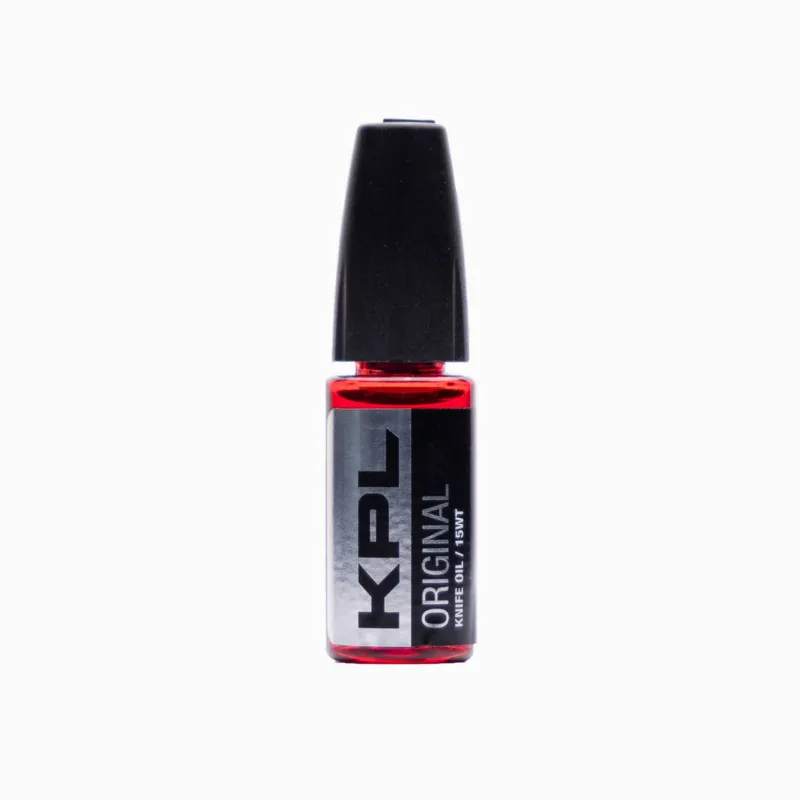
- Wash your blade by hand in warm soapy water within minutes of use. The dishwasher accelerates rust and dulls edges.
- Dry completely with a soft cloth. Water left on carbon steel will spot or rust within hours.
- Apply knife oil or best knife oil to carbon and high-carbon blades after every few uses. Stainless doesn’t need it as urgently, but oil prevents spotting and protects the edge.
- Store blades edge-up in a block or on a magnetic strip, never loose in a drawer where they bang against other steel.
The knife cleaning kit simplifies this routine with microfiber cloths, soft brushes, and everything you need in one place. Consistency matters more than complexity, even ten seconds of care after each use prevents most problems.
Handling Rust and Discoloration
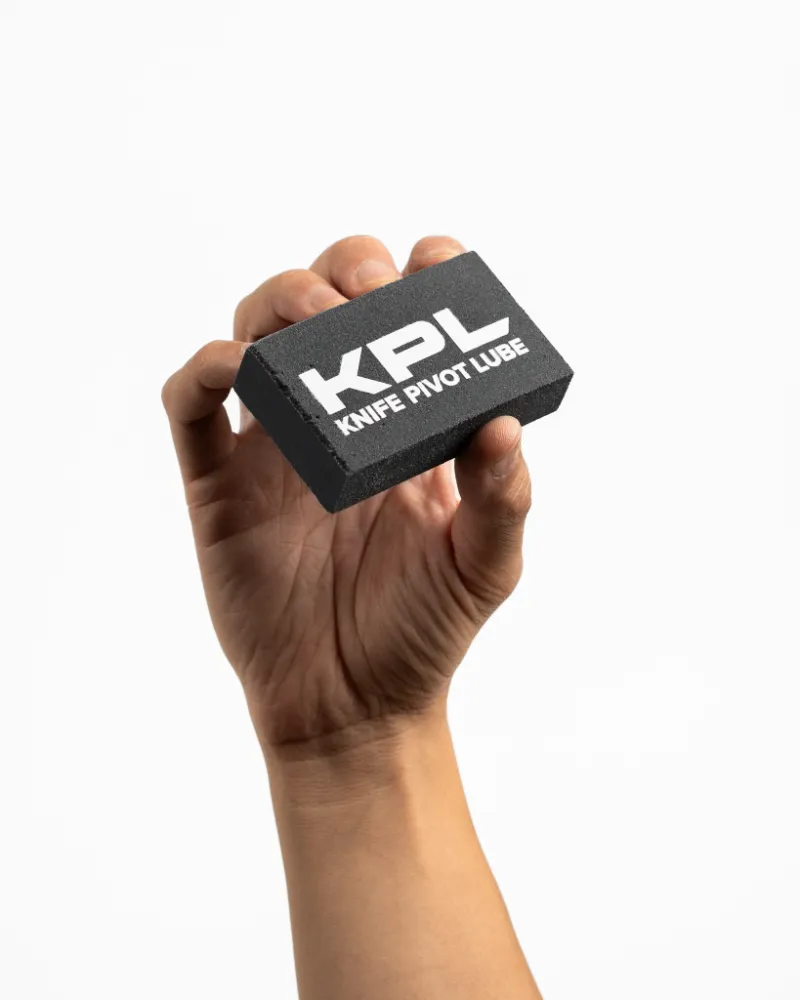
Surface rust or spots on carbon steel don’t mean failure; they’re fixable. A rust eraser or rust eraser for knives removes oxidation in seconds without scratching the steel beneath. These erasers use micro-abrasive material that’s tough on rust but gentle on your blade’s finish.
For stainless, spots usually signal mineral deposits or acid damage. Wipe with knife cleaning supplies, a damp cloth, and dry immediately. Avoid leaving blades wet in a sink, even stainless can spot under standing water or citrus juice.
Serious rust (deep pitting) is harder to reverse and hints at neglect or storage in damp conditions. Prevention is far easier: keep your blades dry and oiled, especially if you live near the ocean or in high humidity.
Sharpening and the Best Knife Maintenance Approach
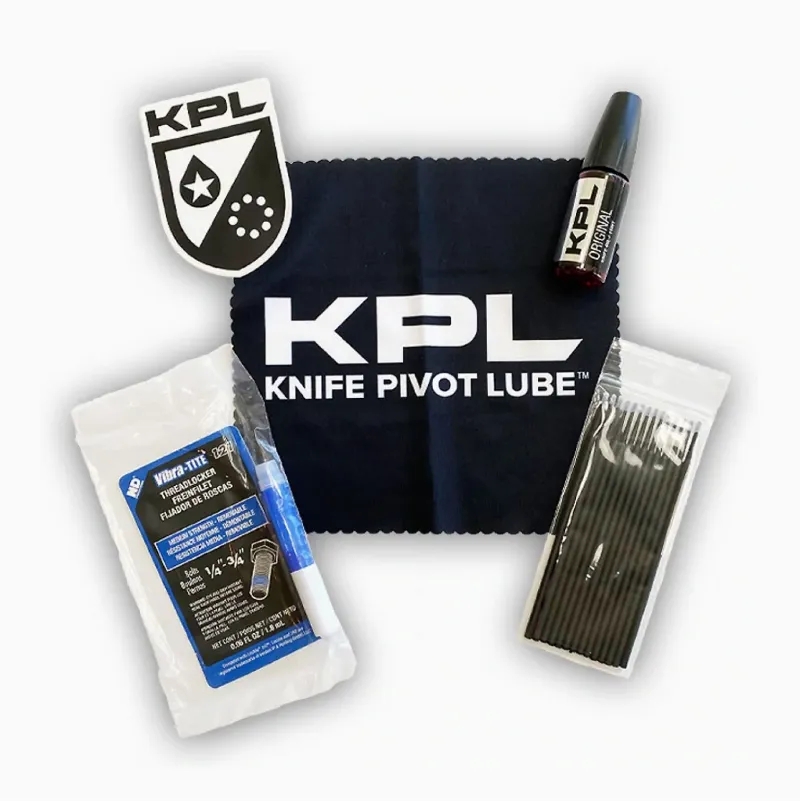
How you sharpen depends on your steel’s hardness and your skill level. Softer stainless (440C) sharpens on any whetstone or pull-through; harder steels (S30V) demand whetstones or professional service. The knife maintenance kit includes honing steel, whetstones, and guides to handle most home sharpening.
Hone (realign the edge) every few uses with a honing steel. Sharpen (remove metal to create a new edge) 2 to 4 times a year for home use, depending on how much you cook and what you cut. Harder steels hold an edge longer between sharpenings, offsetting their higher sharpening difficulty.
For oil for knife maintenance, apply a thin coat after sharpening to seal the newly exposed steel and protect it during storage.
Which Best Knife Steel Suits Your Style
- Kitchen cooks: VG-10 or high-carbon stainless. Edge retention matters; corrosion resistance keeps rust away from wet sinks.
- Outdoor and camping: 1095 carbon or similar. The superior edge retention outweighs rust risk if you maintain it daily.
- Beginners or low-maintenance cooks: 440C or similar mid-range stainless. It forgives neglect and sharpens easily.
- Collectors or professionals: S30V or specialty alloys. You understand the trade-offs and invest in proper maintenance.
Whatever steel you choose, consistent care (daily drying, periodic oiling, and timely sharpening) matters more than the steel type itself. A well-maintained 440C blade outperforms a neglected premium alloy.
Getting Your Care Routine Right
Start with the basics: wash, dry, oil, store. Upgrade your tools as your collection grows. Grab the code for 10% off all orders and invest in quality knife cleaning kit and best knife oil products that simplify maintenance.
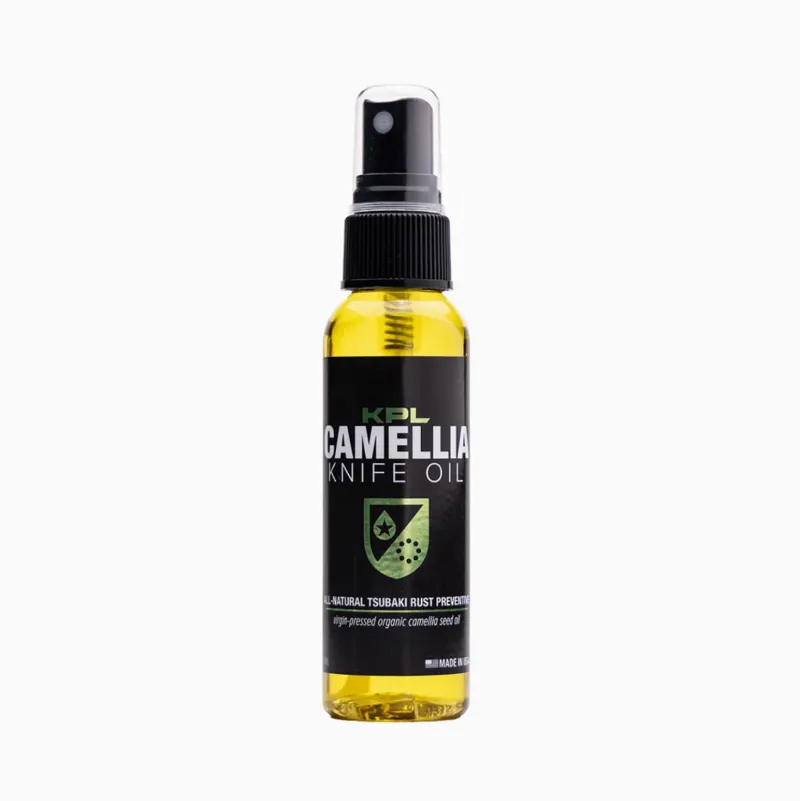
The best knife steel in your drawer deserves respect and routine. Once you understand your blade’s material and needs, keeping it sharp, rust-free, and performing at its best becomes second nature. For more detail on steel composition and performance metrics, this guide to the best knife steel and comparing pocket knife steels are excellent references.
Questions
What is the best knife steel for everyday kitchen use?
High-carbon stainless or VG-10 offers the best balance for kitchens. These steels hold a sharp edge reasonably long, resist rust from water and acidic foods, and sharpen without special equipment. If you prefer low maintenance, 440C stainless is forgiving and affordable.
How often should I oil my knife?
For carbon steel, apply oil after every few uses or whenever the blade looks dry. Stainless blades need oil less often but benefit from it before storage. A thin coat of best knife oil takes 10 seconds and prevents rust and spotting.
Can I remove rust from best knife steel myself?
Yes. Light surface rust on carbon steel comes off easily with a rust eraser or light scrubbing with a soft cloth and oil. Deep pitting is harder to reverse and usually signals long-term neglect or poor storage.
Is stainless steel or carbon steel better?
Neither is objectively better. Stainless resists corrosion but doesn't hold an edge quite as long. Carbon steel keeps a sharper edge and sharpens easier but needs more frequent maintenance. Choose based on your climate, how often you cook, and how much care you'll invest.
How do I know what steel my knife is made from?
Check the knife's packaging, the maker's website, or the blade itself, some brands etch the steel type. If unsure, treat it as stainless unless told otherwise and focus on keeping it dry and stored safely.
What is HRC and why does it matter on best knife steel?
HRC (Rockwell Hardness) measures how hard the steel is. Higher HRC means longer edge retention but more fragility; lower HRC means easier maintenance but more frequent sharpening. Most kitchen knives range 57 to 62 HRC.
Products in this guide
Shopping at Knife Pivot Lube? See the discount code
10% OFF All Orders
More in this series
Does Your Knife Need Sharpening or Just Proper Lubrication?26 Aug 20265 minComplete Guide to Knife Maintenance: Cleaning, Oiling, and Storage26 Aug 20264 minBest Knife Oil for Edge Retention: What It Can and Cannot Do26 Aug 20264 minHow to Remove Rust from Kitchen Knives Without Damaging the Blade26 Aug 20265 min