 A EV Hover guide
Protect Your EV Charging Cable from Heat and Wear
An ev cable endures heat cycles, UV exposure, and daily wear, so protecting it from damage extends the life of your charging setup and keeps your vehicle safe.
An ev cable endures heat cycles, UV exposure, and daily wear, so protecting it from damage extends the life of your charging setup and keeps your vehicle safe. Whether you charge at home or on the road, the right cable care and protective gear make a real difference.
Why your ev cable needs protection
EV charging cables are built tough, but they face constant stress. The rubber and connectors degrade when exposed to sunlight, extreme temperatures, and repeated bending. A damaged cable can reduce charging efficiency, create safety hazards, and cost hundreds to replace. Protecting your ev cable management setup prevents these problems before they start.
Most EV owners discover cable issues only after problems develop. Cracked insulation, loose connectors, and heat damage are all preventable with proper storage and protective sleeves.
Choose the right cable sleeve material
The material of your cable protector matters. Quality sleeves shield your cable from UV rays, abrasion, and temperature swings. Here’s how the main options compare:
| Material | Best for | Durability | Cost |
|---|---|---|---|
| Braided nylon | Daily outdoor use | Very high, resists tears | Mid-range |
| EVA foam | Impact and heat | Good, softer feel | Budget-friendly |
| Rubber tube | Flexibility | Good, durable | Mid-range |
| Silicone | Extreme temperatures | Excellent, long-lasting | Premium |
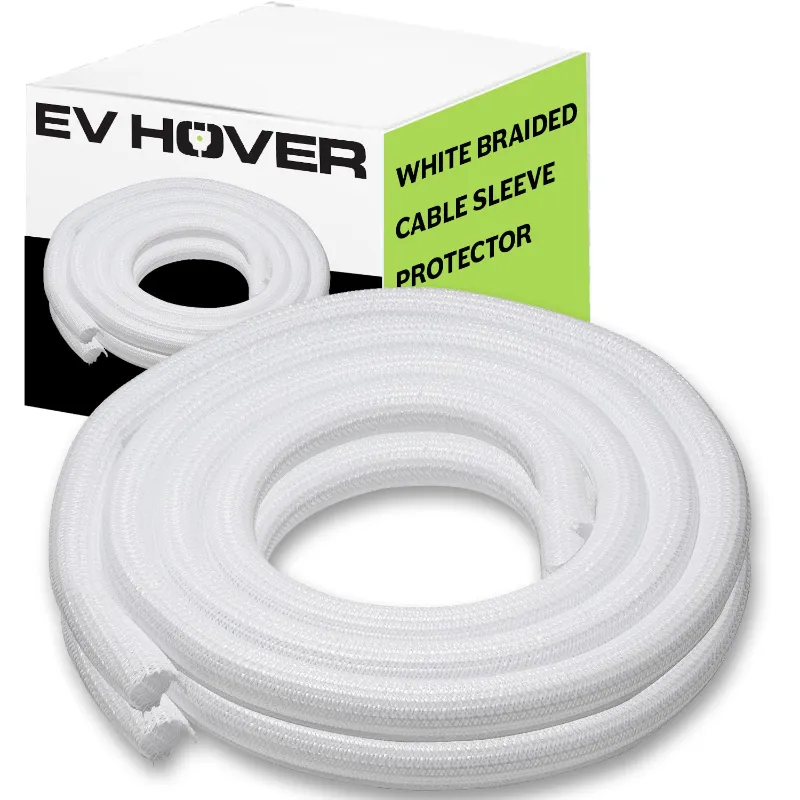
Braided cable sleeves offer the best balance of protection and durability for most EV owners. They slide over your cable and guard against cracks, punctures, and UV damage. If you live in a hot climate or charge outdoors daily, step up to silicone-lined options for extra heat resistance.
Organize and store your cable safely
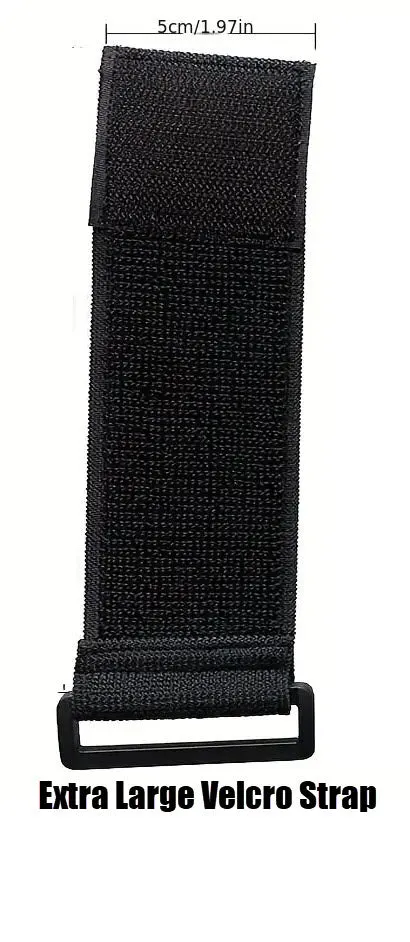
Proper cable storage prevents kinks and stress points that lead to failure. Coiled cables stored in direct sun degrade faster than those kept shaded. Use an elastic velcro organizer to bundle your cable neatly without crimping it. Velcro straps hold cables securely without cutting into the insulation like plastic ties do.
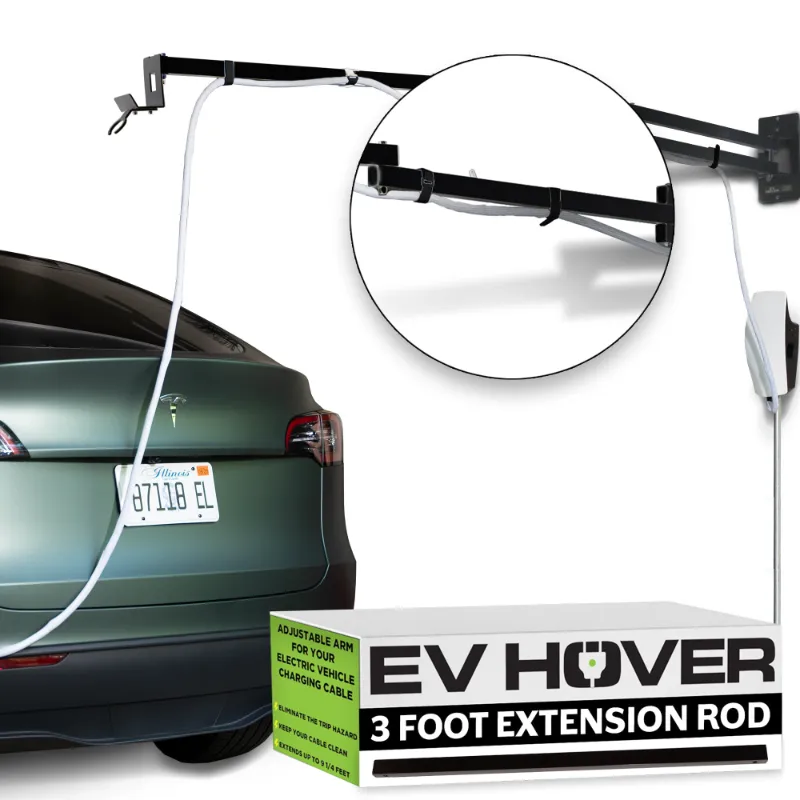
When not in use, store your cable in a cool, dry place away from direct sunlight. If you have a dedicated charging spot, consider an ev cable management system that keeps the cable elevated and off concrete or gravel. This reduces moisture contact and UV exposure over time.
For drivers who charge at multiple locations, invest in a portable cable bag. The bag protects your ev cable during transport and keeps it clean between uses.
Install a cable protector at the wall and vehicle
Connectors and cable entry points are vulnerable during insertion and removal. A cable protector sleeve at the wall outlet or charging station guards the cable where it bends most sharply. Similarly, slip an electrical wire protector sleeve where the cable enters your vehicle to prevent pinching and abrasion.
These sleeves are simple to install and inexpensive compared to a full cable replacement. They distribute stress evenly and prevent the sharp angles that cause insulation cracks. If you own multiple vehicles, add a sleeve at each charging point you use regularly.
Inspect and maintain your cable monthly
Set a calendar reminder to check your cable once a month. Look for:
- Visible cracks or splits in the rubber or plastic jacket
- Exposed copper or corrosion on connectors
- Stiff or brittle sections that won’t bend smoothly
- Discoloration from UV or heat damage
If you spot damage, stop using the cable immediately and request a replacement from your vehicle manufacturer or charging network. Don’t attempt to repair a damaged cable with tape or patch kits, as this creates a fire and shock hazard.
Clean the connectors every few months with a dry cloth. Dirt and salt spray (especially near coastal areas) corrode contacts and reduce charging speed. Keep the cable dry; store it indoors if possible during rainy seasons.
Level 1 vs. Level 2 cable protection needs
Different charging levels put different demands on your cable. A Level 1 cable (standard household outlet) carries lower current and generates less heat, so it tolerates basic storage indoors. A ev charging cable level 2 or hardwired station cable operates at higher power and heat, so it needs stronger protection like a wire protective sleeve and consistent shade storage.
If you’re shopping for cable protection and unsure which level you use, check your vehicle manual or visit the EPA’s plug-in charging basics guide for clarity on cable types and safety standards.
Where to buy cable protection and charging gear
Quality cable sleeves and organizers aren’t one-size-fits-all. Before you buy, measure your cable diameter and check how many connectors you need to protect. EV Hover offers $25 off sitewide, so you can stock up on sleeves, velcro organizers, and other cable management tools at a discount.
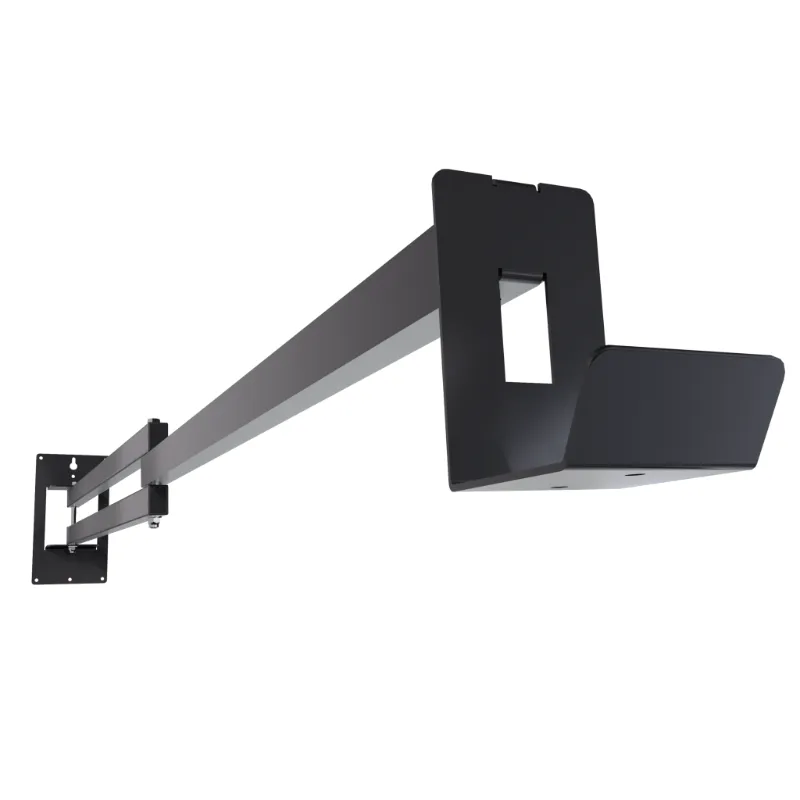
If you’re building out a full home charging setup, pair your cable protection with an ev tower or electric vehicle cable management system to keep everything organized and accessible. For roadside charging, a compact cord sleeve fits easily in a vehicle storage pocket and protects your cable on the go.
Whether you use free ev charging stations or charge at home, protecting your cable is a small investment that pays off in reliability and safety. Grab the code for the latest price and keep your charging setup in top shape.
Questions
What's the best ev cable sleeve material for outdoor charging?
Braided nylon sleeves offer excellent UV resistance and durability for daily outdoor use. For extreme heat or coastal salt spray, silicone-lined sleeves provide extra protection and last longer.
How often should I replace my ev cable protection sleeve?
Most quality sleeves last 3 to 5 years with proper storage. Replace it sooner if you notice cracking, peeling, or if it no longer grips the cable securely.
Can I use cable sleeves on a Level 1 and Level 2 charging cable?
Yes. Both cable types benefit from sleeves, though Level 2 cables handle higher heat and warrant thicker or heat-resistant sleeve materials due to greater current draw.
Should I store my ev cable coiled or straight?
Store it loosely coiled or hung on a peg to avoid kinks. Tight coils create stress points where the insulation can crack over time, especially in hot weather.
What signs mean my charging cable needs replacement?
Replace it immediately if you see cracked insulation, exposed wires, corroded connectors, or stiff sections that won't bend. A damaged cable is a fire and shock hazard.
Do I need different cable protection for Level 1 versus Level 2 charging?
Level 2 cables generate more heat and handle higher current, so they benefit from thicker, heat-resistant sleeves. Level 1 cables can use basic protection, but upgrading to a quality sleeve still extends their life.
Products in this guide
 Shopping at EV Hover? See the discount code
$25 OFF Sitewide
Shopping at EV Hover? See the discount code
$25 OFF Sitewide