 A EV Hover guide
Why Your EV Charging Station Needs a Cable Organizer
A cable organizer keeps your ev cable safe, tangle-free, and ready to use every time you charge.
A cable organizer keeps your ev cable safe, tangle-free, and ready to use every time you charge. Whether you use Level 1 or Level 2 charging, proper cable management protects your investment and makes charging seamless. We’ll walk you through why organization matters, what options work best, and how to set up your charging station for the long term.
Why ev cable management matters more than you think
Your ev cable is one of the most-used parts of your charging setup, but it’s also one of the easiest to damage. Coiled loosely on the ground or wrapped carelessly around the charger, cables develop kinks, cracks, and shorts that shorten their lifespan and create safety risks.
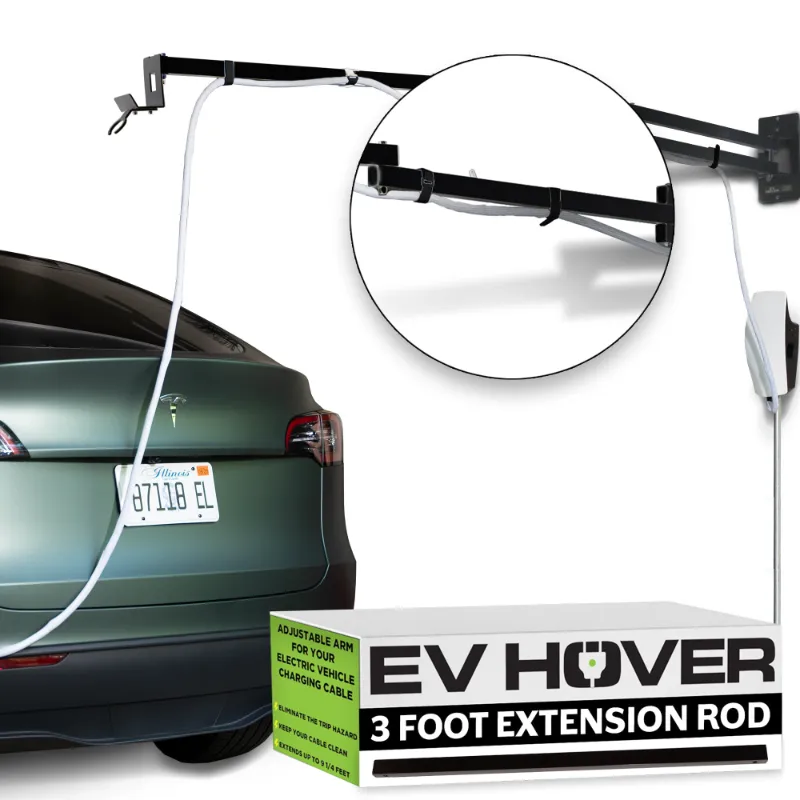
Proper ev cable management prevents these problems. An organized system keeps your cord off the ground, away from foot traffic, and stored at the right length. This reduces wear, cuts down on tangling, and means your cable is always ready to plug in. Think of it the same way you’d care for any outdoor equipment: a little structure goes a long way.
Beyond durability, cable organization makes charging faster and less frustrating. No more untangling knots or hunting for a clear spot to lay out your cord. A tidy setup also looks more professional if you’re installing a home charging station or managing cables at a workplace.
Understanding your ev cable type and level
Before choosing an organizer, know what you’re working with. EV charging cable types vary by charging level and connector style. Level 1 cables (120V household outlets) are thinner and more flexible. Level 2 cables (240V) are thicker and heavier, requiring sturdier support.
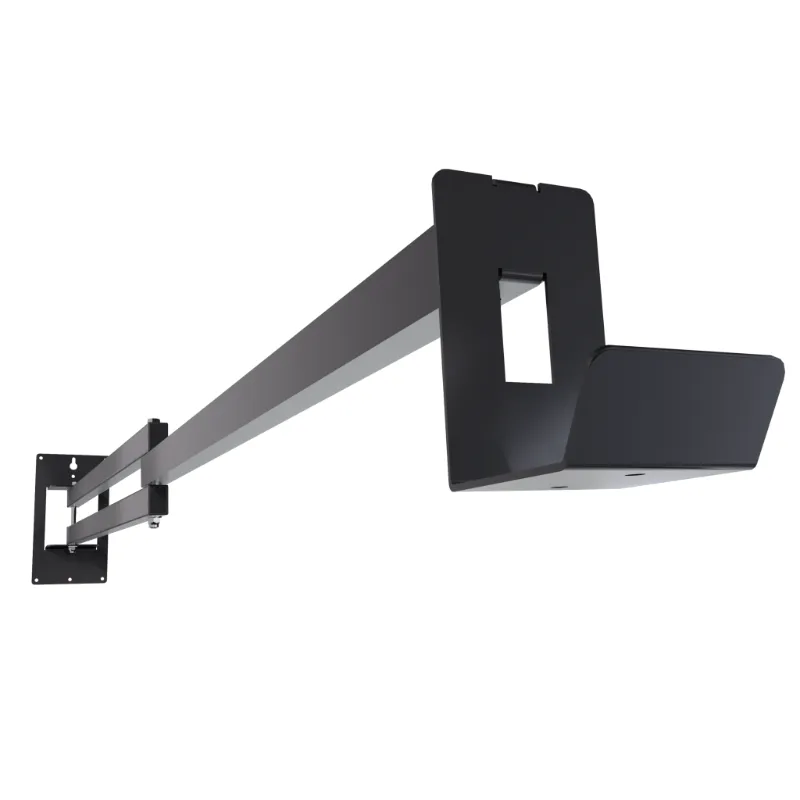
The EV charging cable guide from DEFA breaks down connector types (Tesla, CCS, CHAdeMO) and their typical gauge and durability. Most home installations use Level 2 because the faster charge time justifies the investment. If you’re unsure which ev charging cable level 2 setup you have, check your charger specs or contact your electrician.
Knowing your cable type helps you pick the right protective solution, whether that’s a braided cable sleeves for a stationary setup or lightweight organizers for portable cords.
Organizer types: which one suits your setup
Different charging scenarios call for different solutions. Here’s how the main options compare.
| Organizer Type | Best For | Key Benefit |
|---|---|---|
| Elastic velcro straps | Compact storage and portability | Adjustable to any cable thickness; reusable and easy to adjust |
| Cord sleeve wraps | Permanent or semi-permanent installations | Protects against cuts, abrasion, and UV damage over time |
| Braided cable sleeves | High-traffic or rough environments | Durable, heat-resistant, and visually sleek |
| Cable management boxes | Home charger installations | Houses the entire coiled cable neatly out of sight |
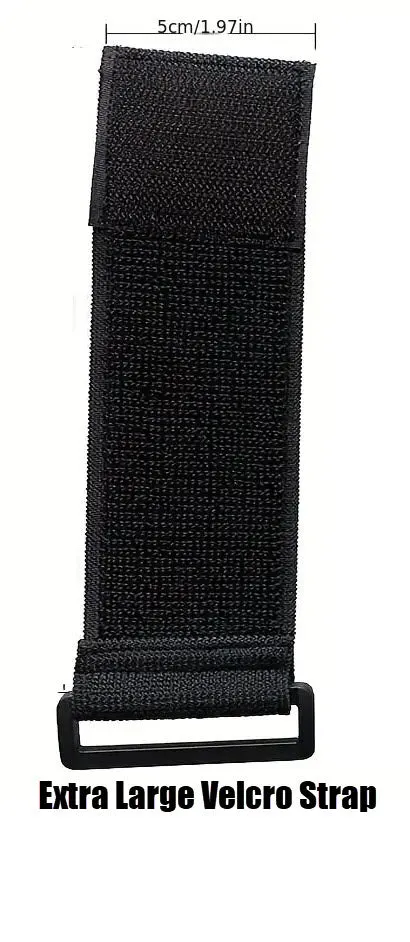
For most EV owners, elastic velcro offers the best balance of cost, ease, and flexibility. You can adjust the bundle size, reuse it if you change chargers, and it works with any cable size. If your setup is permanent, a cable protector sleeve or braided cable sleeves provides longer-lasting protection against environmental wear.
Materials matter: durability and UV resistance
Not all cable organizers are built the same. Cheap velcro degrades in sunlight and loses grip after a few months. Quality matters because your organizer sits outside, exposed to heat, cold, and UV rays.
Look for materials that resist UV damage and temperature swings. Braided cable sleeves made from polyethylene or nylon last longer than thin plastic wraps. Cord sleeve options from reputable brands include UV inhibitors to prevent brittleness and cracking.
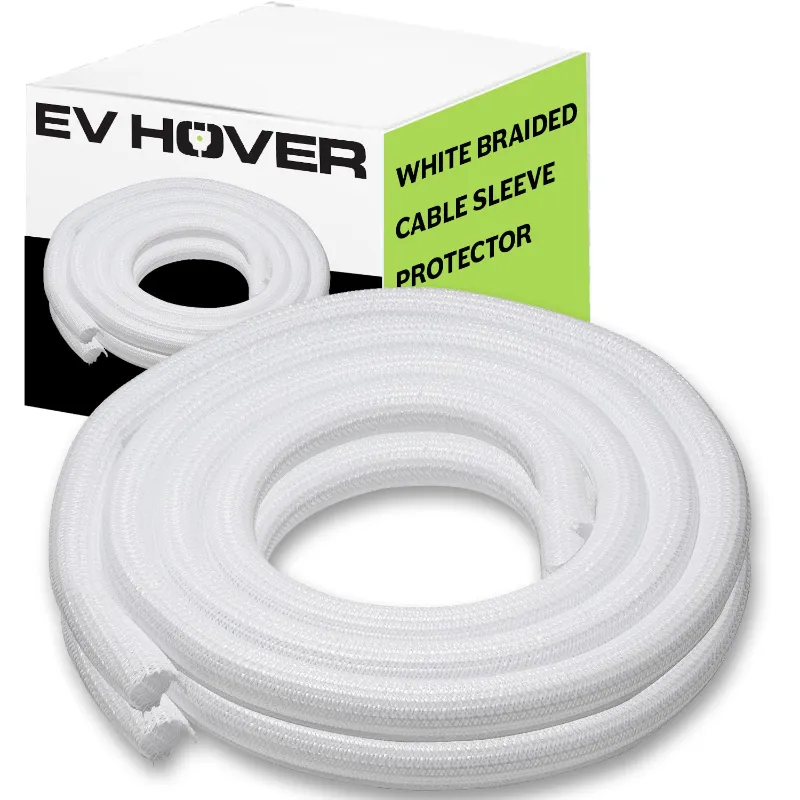
If you’re mounting an ev tower or fixed charging station, choose an electrical wire protector sleeve or wire protective sleeve rated for outdoor use. These are engineered for sustained sun exposure and temperature extremes, so they won’t degrade after one season.
Setting up your charging station with proper cable storage
Once you’ve picked an organizer, install it correctly. Start by measuring your ev cable length and determining how you’ll route it from the charger to your vehicle’s port.
- Secure the cable at the charger outlet using elastic velcro or a mounting bracket to prevent strain on the connection point.
- Bundle the remaining cable loosely in a coil or figure-eight, never tight kinks.
- Wrap the bundle with your chosen organizer, leaving enough slack that you can unwind it quickly.
- If using a permanent installation like an ev tower, mount the cable tray or sleeve at a height that keeps the cord off wet ground.
- Test your setup: unwind the cable smoothly and check that the organizer doesn’t pinch or restrict the protective outer sheath.
A well-organized cable also makes troubleshooting easier. If you ever need to inspect the cord for damage or swap it out, an orderly system saves time.
Maintenance and care for long cable life
Good organization is just the start. Inspect your ev cable regularly for cuts, cracks, or discoloration. Environmental stress can degrade even protected cables over 3-5 years, depending on your climate and usage.
During winter months, let your cable acclimate to temperature before coiling it tightly. Cold cables are stiffer and more prone to cracking if bent sharply. In hot climates, store excess cable in shade and avoid covering it with objects that trap heat.
If you’re storing your cable for an extended period, use a cord sleeve or electrical wire protector sleeve to shield it from dust, pests, and UV exposure. Clean the exterior occasionally with a soft cloth to remove dirt buildup that can trap moisture.
Where to shop and what to expect
Setting up your charging station doesn’t have to be complicated or expensive. EV Hover offers a full range of cable management products, from portable elastic velcro organizers to heavy-duty braided cable sleeves. You can also explore complete solutions like an ev tower if you’re building out a dedicated charging space.
Right now, grab the code for $25 OFF sitewide to lower the cost of your cable management setup. Stock up on organizers for multiple cables if you have multiple EVs or plan to upgrade in the future.
Start with quality materials, install your organizers thoughtfully, and maintain your ev cable regularly. That’s all it takes to build a charging station that lasts.
FAQ
Questions
Do I need a special organizer for Level 2 ev charging cable?
Level 2 cables are thicker and heavier than Level 1, so a sturdier organizer works best. Braided sleeves or heavy-duty cord wraps handle the extra weight better than thin plastic straps.
Can elastic velcro organizers stay outside year-round?
Yes, but quality matters. Premium velcro resists UV and temperature swings better than budget options. For permanent outdoor installations, a cable protector sleeve rated for outdoor use will outlast velcro.
How do I prevent my ev cable from kinking or cracking?
Avoid tight coils, use a protective sleeve or braid, and store the cable in shade during extreme heat or cold. Never bend or pinch the cable at sharp angles when coiling or organizing.
What's the difference between braided cable sleeves and cord sleeves?
Braided sleeves are interwoven for strength and heat resistance, while cord sleeves are typically thinner wraps. Braided options last longer in harsh weather and high-traffic areas.
Can I use the same organizer for Level 1 and Level 2 ev cables?
Yes, as long as the organizer is adjustable. Elastic velcro works with both because you can customize the bundle size, but a braid or sleeve sized for Level 2 will be looser on a thinner Level 1 cable.
Where should I store my ev cable if I'm not using it for a few months?
Keep it in a dry place out of direct sunlight, wrapped in a protective sleeve or braid to prevent dust and UV damage. Avoid coiling it too tightly, and let it acclimate to room temperature before use.
Products in this guide
 Shopping at EV Hover? See the discount code
$25 OFF Sitewide
Shopping at EV Hover? See the discount code
$25 OFF Sitewide