 A EV Hover guide
How to Organize EV Charging Cables at Home
Tidy EV charging cable storage keeps your home organized and your free ev charging stations ready to use anytime.
A tangled mess of charging cables defeats the purpose of having convenient free ev charging stations at your home. The right storage approach protects your cables, extends their lifespan, and keeps your charging setup accessible and safe.
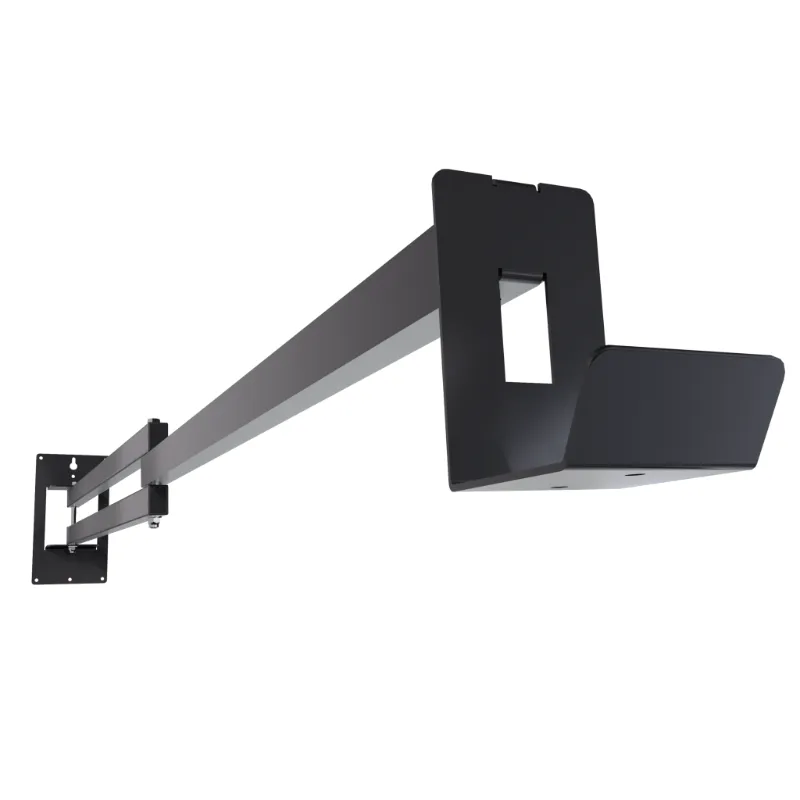
Whether you have a single ev cable or a whole collection of charging equipment, good organization prevents damage, saves space, and makes it easier to grab what you need. We’ll walk you through proven methods for cable storage, the tools that work best, and how to set up a system that suits your garage or home.
Why Cable Organization Matters for Home EV Charging
Charging cables left loose or coiled tightly can develop kinks, cracks in the insulation, and connector damage over time. When your cables are organized, they stay in better condition and charge more reliably.
Beyond durability, a neat cable setup:
- Eliminates tripping hazards in your garage or driveway
- Makes it faster to locate the right cable when you need it
- Protects your equipment from dirt, moisture, and UV exposure
- Creates a professional appearance if you plan to sell or lease your home
- Reduces stress on connectors and extension cords
Free ev charging stations work best when paired with proper cable care, so investing in organization pays off over the life of your equipment.
Best Cable Storage Solutions
The most effective approach combines a few simple tools to keep cables coiled neatly and protected.
Dedicated Charging Tower
An ev tower offers a stable, vertical mount for cables and is ideal if you have multiple charging options or want everything in one spot. Most towers hold several cables without tangling and keep connectors at a convenient height for use.
Wall-Mounted Hooks or Clips
Simple hooks mounted near your charging point let you coil cables loosely and hang them at arm’s reach. This works well for single-cable setups and saves floor and shelf space.
Cable Sleeves and Protectors
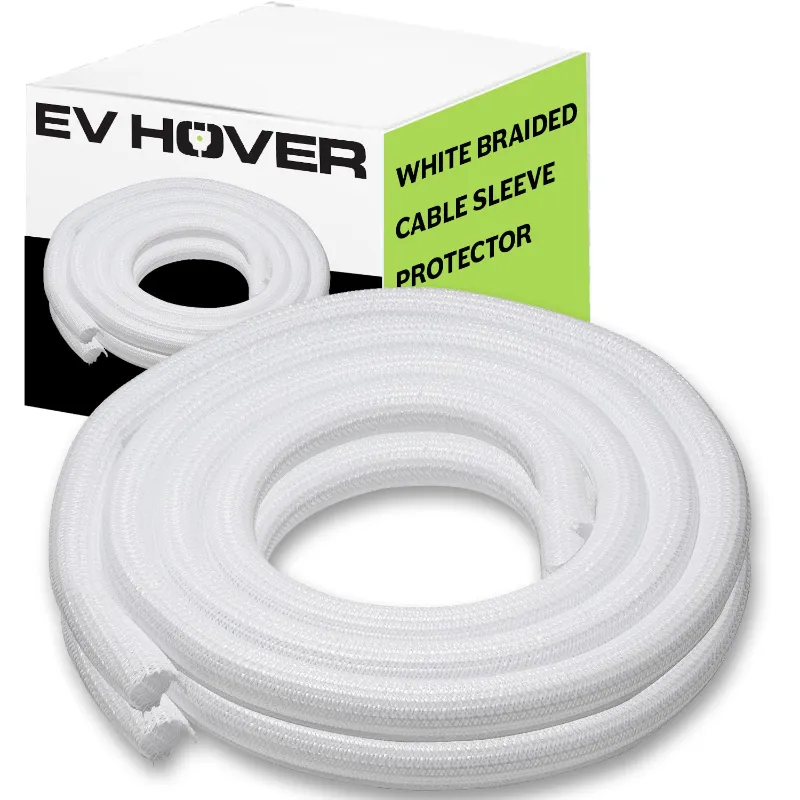
Braided cable sleeves bundle and protect cables while they sit in storage. Sleeves prevent abrasion when cables rub against rough surfaces or each other, and they look cleaner than bare cables lying around. For added protection, wrap your ev cable in a sleeve before coiling.
Velcro Ties for Quick Bundling
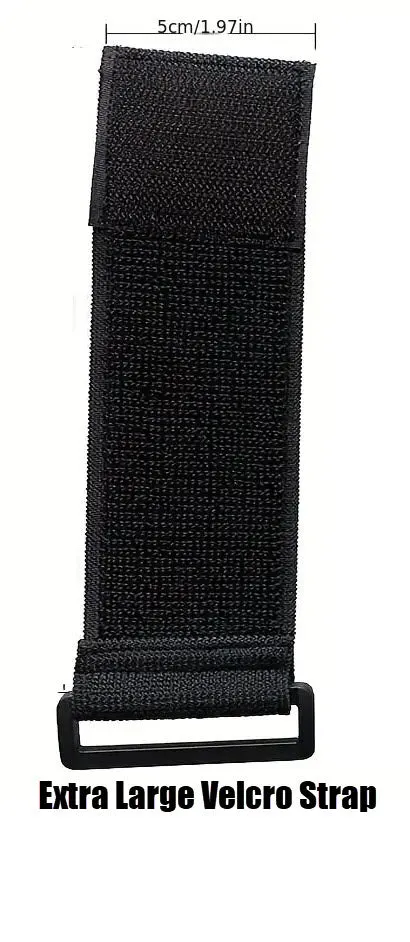
Elastic velcro organizers let you secure coiled cables without damaging insulation or connectors. Unlike zip ties, velcro is reusable and won’t pinch the cable if you need to adjust it later.
Setting Up Electric Vehicle Cable Management at Home
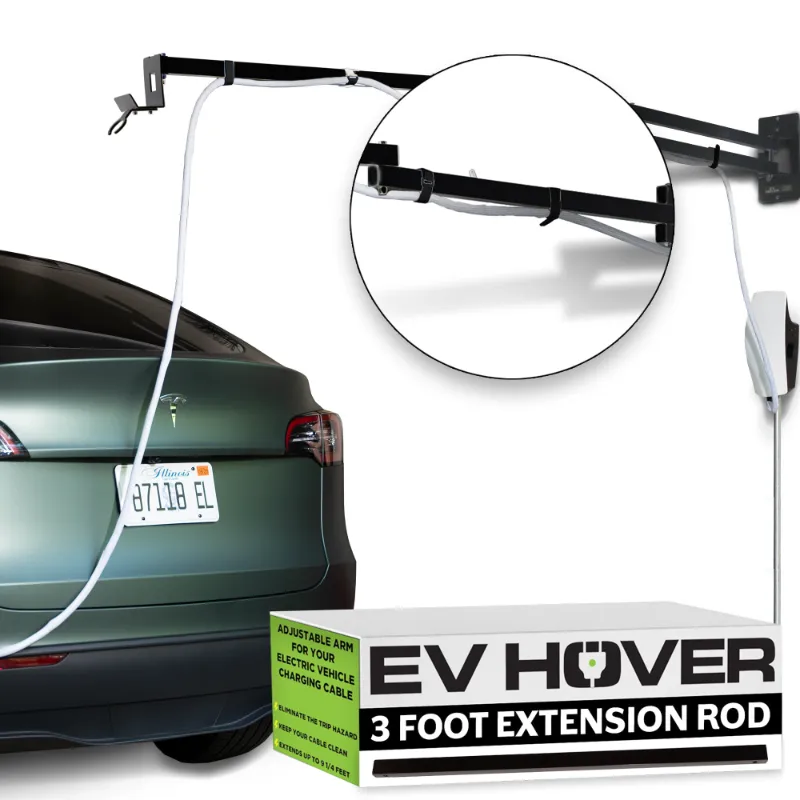
A smart ev cable management setup takes just a few minutes to build and works for years.
Step 1: Choose Your Storage Location
Pick a spot close to where you charge. A garage wall, storage cabinet, or even a dedicated shelf near your charging point keeps cables accessible and away from foot traffic.
Step 2: Bundle Cables Loosely
Coil cables in wide loops roughly 12 to 18 inches in diameter. Tight coils stress the internal conductors and can lead to shorts or dead spots. Use elastic velcro to hold the coil loosely in place.
Step 3: Add a Protective Sleeve
If cables sit in a rough environment, slip them into a cable protector sleeve or electrical wire protector sleeve. A wire protective sleeve guards against UV damage, moisture, and friction from concrete or metal surfaces.
Step 4: Mount or Store Upright
Hang coiled cables on a hook, store them in a bin, or use an ev tower for a tidy, vertical setup. Keeping cables off the ground reduces wear and makes them easier to grab.
Step 5: Label if Needed
If you have multiple cables for different scenarios, add a small label or colored tape to tell them apart at a glance.
Cable Types and Their Storage Needs
Different cables need slightly different care depending on their length, gauge, and use.
| Cable Type | Best Storage Method | Why |
|---|---|---|
| Standard EV charging cable | Wall hook or coil in bin | Heavy, benefits from vertical support to avoid kinks |
| Extension cords | Braided sleeve + tower | Long cords tangle easily; sleeves prevent damage |
| Portable Level 1 cables | Compact bin with padding | Lightweight but connectors are fragile |
| Multiple cables | Dedicated tower | Keeps each cable separate and organized |
For most homes with one or two cables, a simple wall hook and cord sleeve are all you need. Larger setups benefit from an ev tower or wall-mounted storage system.
Protecting Cables from Common Damage
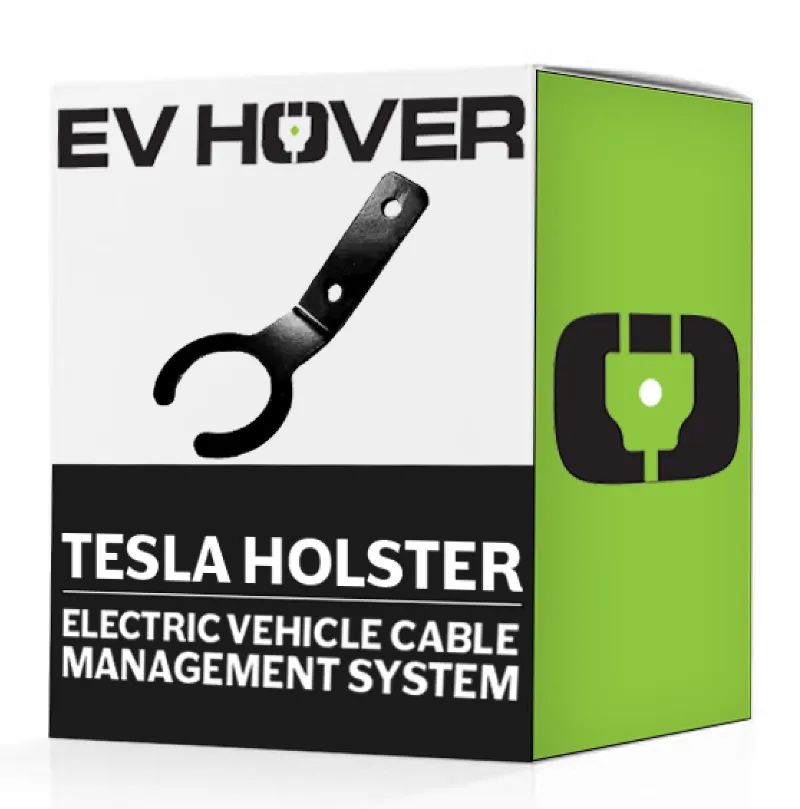
Your electric vehicle cable management only works if the cables stay in good shape.
- Heat and UV: Store cables indoors when possible or use a cable protector sleeve if they sit outside.
- Moisture: Keep cables in a dry space. A covered garage is ideal; a damp basement is not.
- Crushing: Never park a car over a coiled cable or place heavy items on top.
- Rodent damage: Store cables in a sealed container or behind a cabinet if you have a garage pest issue.
- Connector corrosion: Keep connectors clean and dry. A light coating of dielectric grease on metal contacts helps repel moisture.
Many communities now offer free ev charging stations near me to supplement home charging, so protecting your home cables means you have reliable backup equipment.
Finding and Using Free Charging Stations
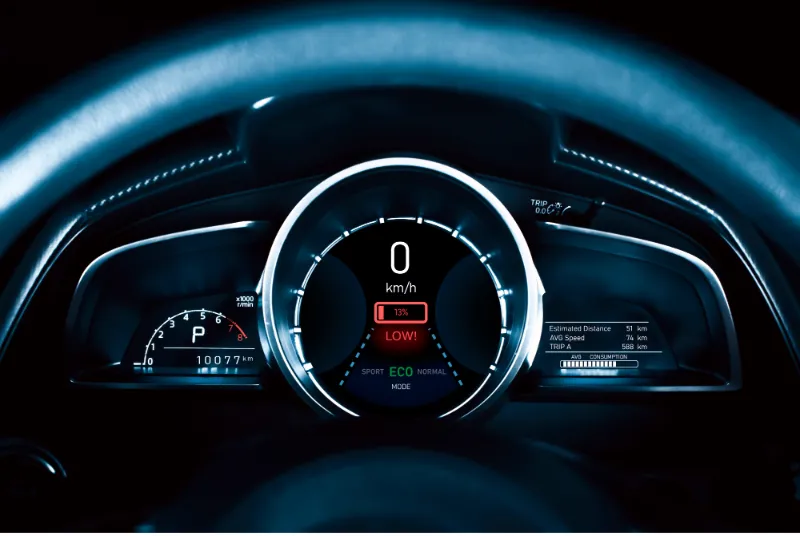
While organizing your home setup, keep in mind that you don’t always charge at home. Free EV Charging Station Map helps you locate public options nearby. Some cities expand charging infrastructure regularly; Denver and other municipalities continue adding free electric car charging availability. If you’re in areas like California or Texas, resources exist to help you find free ev charging stations near california or best free ev charging stations near me options for your road trips or daily commutes.
When you travel to charge elsewhere, keep your portable cables organized too. A carrying case with a sleeve protects cables during transport and makes them easier to manage on the road.
When to Replace Your Cables
Well-organized cables last longer, but they don’t last forever. Replace a cable if you notice:
- Cracks, cuts, or exposed insulation
- Loose or corroded connectors
- Reduced charging speed or intermittent connection
- Burning smell or visible damage
Regular inspection while organizing your storage area catches problems early. A small tear can be patched temporarily, but a cracked insulation layer should prompt replacement.
Get Started with Your Cable Setup
Start simple: grab elastic velcro and a braided cable sleeves from EV Hover and test what works in your space. You might discover you prefer wall hooks, or you may want to invest in an ev tower for a cleaner look. Many people add storage solutions over time as their charging needs grow.
The goal is a system that keeps your ev cable safe, your charging area tidy, and your setup ready whenever you need it. Whether you rely on free ev charging stations or home charging alone, organized cables make the whole process smoother. Check the latest price and grab the tools you need today.
Questions
Can I use any sleeve for my EV charging cable?
Not all sleeves are created equal. A braided cable sleeve or electrical wire protector sleeve rated for outdoor use offers better protection than generic fabric sleeves. Choose one that fits your cable diameter and is resistant to UV and moisture if your cables sit outside.
What's the best way to coil an EV cable without damaging it?
Coil the cable in wide loops (12 to 18 inches in diameter) rather than tight spirals. Use elastic velcro to hold the coil loosely in place. Avoid zip ties, which can pinch the insulation over time.
Do I need both an ev tower and cable sleeves?
No. An ev tower works great for cables stored indoors and protected from weather. Cable sleeves are most useful if cables sit outside or in rough environments. Choose based on your storage location and climate.
How do I find free ev charging stations near me if I'm away from home?
Use a free charging station map like PlugShare to locate public chargers in your area. Many cities also provide lists of free ev charging stations near you. Keep your portable cables organized so you're always ready to charge on the go.
Will organizing my cables help them last longer?
Yes. Loose or tightly coiled cables experience more stress on their insulation and connectors. Organized, properly coiled cables with protective sleeves suffer less damage from kinks, moisture, and UV exposure, extending their lifespan significantly.
What should I do if my EV cable is starting to fray or show wear?
First, stop using it and inspect the damage. Minor surface wear can sometimes be patched with electrical tape temporarily, but cracked insulation or exposed wires means the cable should be replaced for safety. Proper storage with a cable protector sleeve prevents most wear.
Products in this guide
 Shopping at EV Hover? See the discount code
$25 OFF Sitewide
Shopping at EV Hover? See the discount code
$25 OFF Sitewide