 A EV Hover guide
Do Braided Cable Sleeves Prevent EV Charger Damage?
Braided cable sleeves do prevent EV charger damage by shielding charging cables from abrasion, heat, and UV exposure during storage and daily use.
Yes, braided cable sleeves significantly reduce wear and damage to EV charger cables by creating a protective barrier against abrasion, heat, and environmental hazards.
How Braided Cable Sleeves Protect Your EV Charger
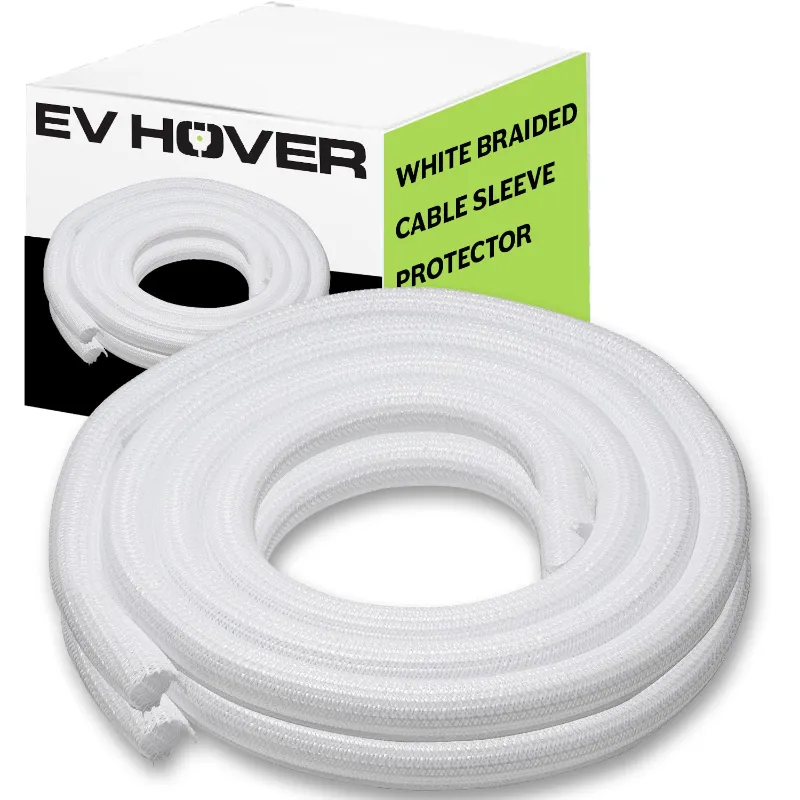
Braided cable sleeves wrap around charging cables to absorb friction, pinching, and contact with sharp surfaces. When you coil or store your ev cable, the outer sheath can crack or fray without protection. A quality sleeve acts as a sacrificial layer, taking the damage so your charger’s internal insulation stays intact.
The best sleeving also shields cables from:
- Direct sunlight and UV rays that degrade plastic insulators
- Heat sources like engine bays or hot pavement
- Moisture that causes corrosion in connectors
- Chemical exposure from road salt or gasoline spills
Using electrical wire protector sleeve or similar products around your charging setup is especially important if you park outdoors or store the cable in high-traffic areas.
Materials That Actually Work: Braided vs. Plastic Sleeves
Different sleeve materials offer varying levels of protection. Here’s how they compare:
| Material | Heat Resistance | Durability | Best For |
|---|---|---|---|
| Nylon braided sleeving | Up to 250°F | Excellent; resists fraying | High-traffic storage, outdoor charging |
| Expandable braided sleeving | Up to 275°F | Very good; conforms to cable | Mixed cable diameters, flexible routing |
| Cable sleeve plastic | Up to 140°F | Good; lightweight | Temporary protection, indoor use |
| Metal braided cable sleeve | Up to 300°F | Excellent; rigid | Industrial setups, extreme environments |
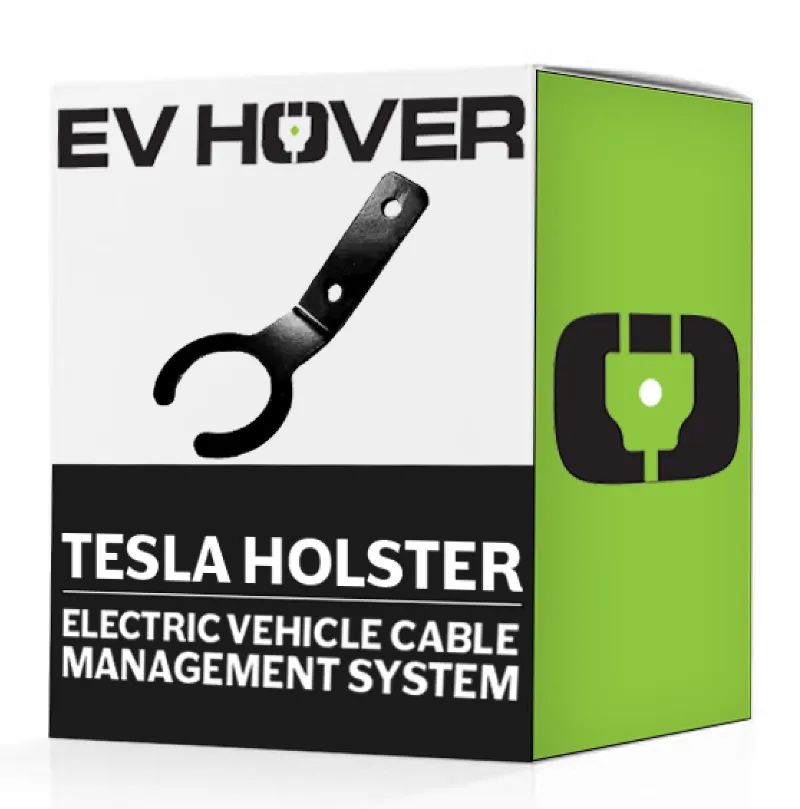
Nylon braided wire loom automotive designs are the sweet spot for EV owners because they balance heat resistance with flexibility. Plastic sleeves work for mild climates but break down faster in sun or heat. Metal braiding overkill for home charging but essential if you’re running cables near engine components or in a commercial fleet setting.
For most owners, a standard braided sleeving material gives you peace of mind without the bulk.
Installation and Best Practices
Proper installation makes the difference between effective protection and wasted money. Start by measuring your cable diameter, then choose braided cable sleeve heat shrink or standard expandable tubing that fits snugly without crushing the cable.
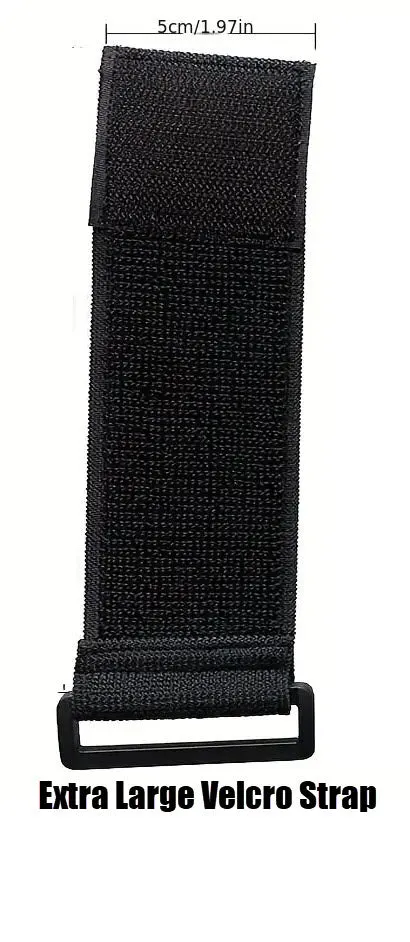
- Slide the sleeve over the cable while it’s laid flat or loosely coiled
- Leave 2-3 inches uncovered near connectors so heat can dissipate
- Secure the sleeve at both ends with velcro straps or cable ties to prevent bunching
- For added organization, layer your elastic velcro around coiled cables to keep them tidy and protected
If you use cord sleeve products, keep them loose enough that you can slide your finger underneath. Overly tight sleeves trap heat and can actually damage cables over time.
Storage and Long-Term Cable Care
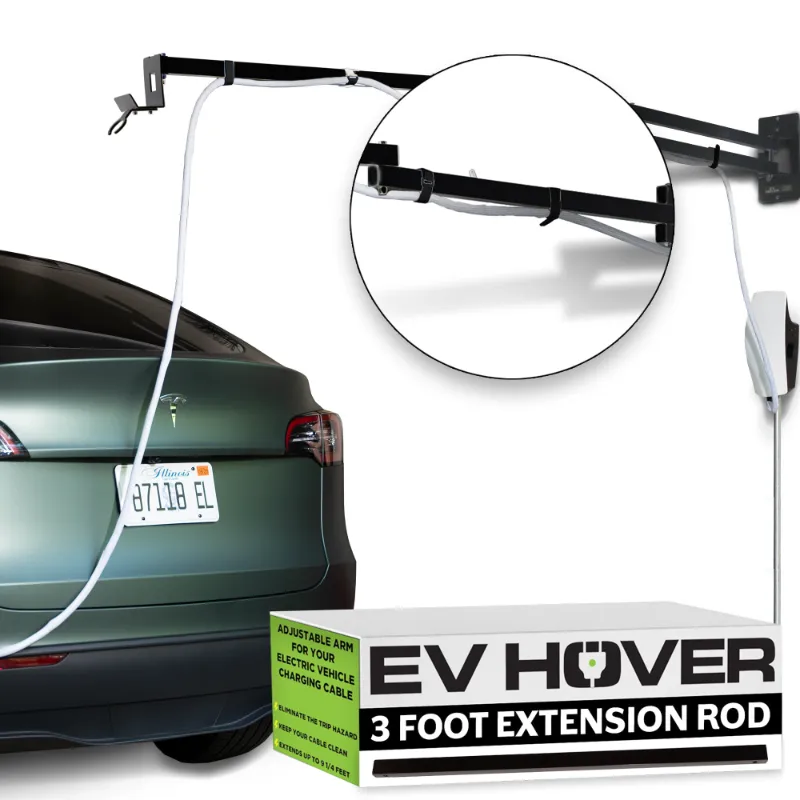
How you store your charging setup matters as much as the protective gear. The ev cable management system you choose should keep cables cool, dry, and away from direct sun. An ev tower or wall-mounted storage keeps cables off the ground where they’re vulnerable to vehicle tires and foot traffic.
When cables aren’t in use, coil them loosely rather than wrapping them tightly. Braided sleeves help, but excessive coiling still stresses the inner insulation. Store them indoors or in a shaded, ventilated space like a garage. If you leave your car at free ev charging stations or public chargers, avoid leaving the cable exposed for hours in direct heat.
When Braided Sleeves Are Essential
Not every setup needs heavy-duty protection, but certain situations make wire protective sleeve products a smart investment. You should prioritize sleeves if you:
- Park outdoors year-round in high sun or extreme temperatures
- Use your charger multiple times daily with frequent coiling and uncoiling
- Store cables in spaces with sharp edges, rough surfaces, or chemical exposure
- Have curious pets or children who might chew or pinch cables
- Live in coastal areas where salt spray accelerates plastic degradation
Owners who charge indoors in climate-controlled garages see less wear overall, though sleeves still add years of life to cables.
Choosing the Right Protection for Your Setup
The market offers many options, but focus on durability and heat rating first. Look for expandable braided sleeving near me that matches your local climate. Hot, sunny regions need higher heat resistance. Moderate climates can use lighter braided designs.
Compare cable protector sleeve options by checking UL ratings and material specs. Reputable manufacturers like Hellermann Tyton and 3M publish detailed tech specs that help you pick the right product.
Bundle sleeves with proper storage, like an electric vehicle cable management organizer, to maximize protection. Many owners see cable damage simply because coils rub against concrete or hot metal. Sleeving plus smart storage is the winning combo.
Getting Started
Braided cable sleeves are affordable insurance for equipment that’s expensive to replace. A quality sleeve costs $15-30 and lasts years; a damaged charger cable or connector can run $200+. Check the latest prices and grab the $25 off code on ev cable and related protection products to set up your system right.
Start with measuring your cable diameter, pick a braided cable sleeve rated for your climate, and install it using loose coiling techniques. Pair it with wall storage or an ev tower and you’ve built a setup that’ll keep your charger safe for years.
Questions
Do braided cable sleeves actually prevent damage to EV charger cables?
Yes. Braided cable sleeves protect against abrasion, pinching, UV exposure, and heat damage by creating a sacrificial outer layer. They're especially effective if you store or coil cables frequently.
What's the difference between braided sleeving and plastic cable sleeves?
Braided sleeving offers better heat resistance (up to 250-300°F depending on material) and durability for outdoor or high-traffic use. Plastic sleeves are lighter and cheaper but degrade faster in sun and heat, making them better for indoor charging only.
Can I use braided cable sleeves with any EV charger or cable?
Yes, but measure your cable diameter first. Most chargers use cables between 6mm and 12mm; choose expandable sleeving that fits snugly without crushing the cable. Avoid oversized sleeves that allow bunching inside.
How do I install expandable braided sleeving on my charging cable?
Slide the sleeving over the cable while it's laid flat or loosely coiled. Secure both ends with velcro straps to keep it from sliding. Leave 2-3 inches uncovered near connectors for heat dissipation.
What's the best way to store my EV cable if I'm using a braided sleeve?
Coil it loosely and store it indoors or in a shaded, ventilated space. Use cable organizers or wall mounts to keep it off the ground. Tight coiling stresses cables even with sleeves, so avoid wrapping too firmly.
Products in this guide
 Shopping at EV Hover? See the discount code
$25 OFF Sitewide
Shopping at EV Hover? See the discount code
$25 OFF Sitewide